
 EN
How to Choose Between Different Gasoline Lawn Mower Sizes?
Choosing a gasoline lawn mower is less about finding the largest engine and more about matching the machine to the grass you actually cut. As a garden-machinery technical consultant, I start with the site: usable lawn space, gates, obstacles, slope, and how often the grass gets away from you. The right gasoline lawn mower makes the work feel simpler; an oversized one can be awkward around every bed edge and narrow path.
Before you compare models, ask one question: how long does it take to mow your garden now? That answer often reveals whether you need a wider deck, self-propelled drive, or simply a better fit in mower size. The aim is not to buy the largest machine. It is to keep every pass useful without turning or storage into a nuisance.
Start With Usable Yard Area, Not the Whole Plot
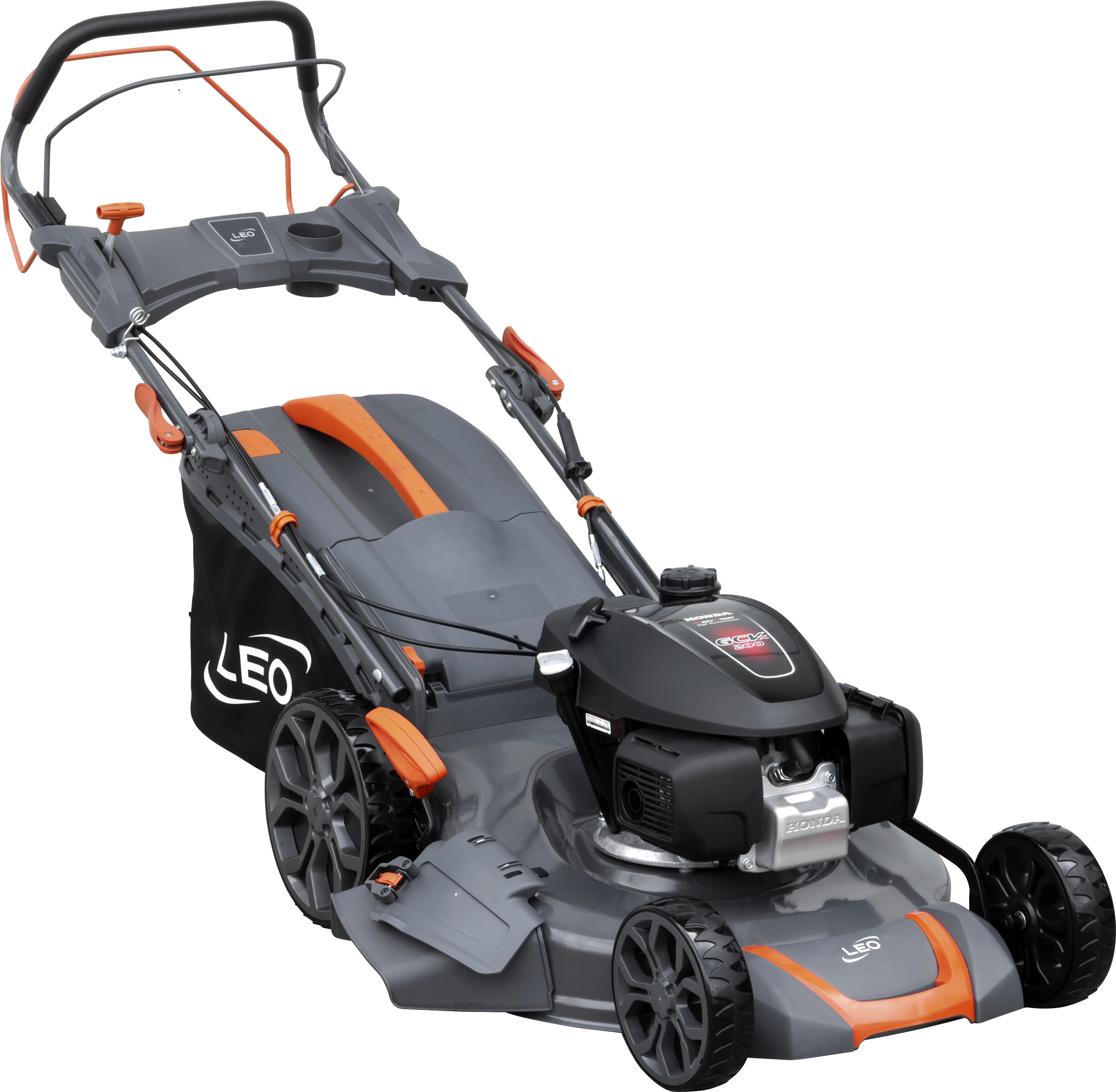
Measure the grass you will mow, rather than the full property boundary. Patios, planting beds, sheds, vegetable plots, and driveways do not need cutting. For a small, open lawn under roughly a quarter acre, a compact walk-behind gasoline lawn mower with a deck around 20 inches or less is often a sensible starting point. It is easier to store, turn, and guide around edges.
For a medium lawn, a 21- to 22-inch gasoline lawn mower is a common residential reference point. It gives a useful increase in cutting width without becoming difficult to steer through ordinary gates. Search results from mower buying guides use similar area bands, but treat them as starting points, not universal limits: thick grass, slopes, and a complicated layout can change the answer.
Once the usable yard area approaches three-quarters of an acre or more, compare the time burden of a wide walk-behind against a ride-on format. A ride-on is a different equipment-selection decision, with storage, slope safety, turning space, and transport to consider. It is not automatically better simply because the lawn is larger.
Match Cutting Width to the Shape of the Lawn
Cutting width is the strip of grass a deck covers in one pass. A wider gasoline lawn mower reduces the number of straight runs across an open rectangle. That is its real advantage. The common assumption that a wider deck automatically makes mowing faster does not hold in gardens with winding borders, trees, posts, and raised beds. Every reversal and repositioning can erase the gain.
A practical rule is to check your tightest gate, side passage, and turning area before selecting mower size. Leave clearance for your hands and for a safe turn; a deck that barely fits is not a convenient deck. In an open, regular garden, a wider gasoline lawn mower can save time. In a fragmented garden, a narrower machine may finish earlier because it needs fewer awkward corrections.
| Garden situation | Useful gasoline lawn mower direction | Why it fits |
|---|---|---|
| Small lawn with gates, borders, and frequent turns | Compact walk-behind, commonly about 20 inches or less | Prioritises manoeuvrability and storage. |
| Medium, mostly open residential lawn | Walk-behind around 21–22 inches | Balances pass count with everyday control. |
| Large, open lawn with few obstacles | Wider walk-behind or evaluate ride-on options | More deck width can reduce repetitive passes. |
| Large but divided or sloped lawn | Choose by access and traction first | Extra width is less useful if the layout blocks it. |
Choose Drive Type Alongside Mower Size
The right gasoline lawn mower is not defined by deck width alone. On flat ground, a push mower can be a straightforward choice for a small yard area. Once you add a moderate slope, thick seasonal growth, or a larger lawn, self-propelled drive can reduce the effort of moving the machine. That does not make it necessary for every user, but it can make a larger gasoline lawn mower more practical to use consistently.
Engine displacement deserves perspective too. The number looks important on a listing, yet it does not directly determine cut quality. Deck design, blade condition, grass moisture, and the match between engine output and workload matter more in day-to-day use. Select enough power for your grass conditions; do not let an engine number override sensible equipment selection.
Factor in Grass Conditions and Mowing Frequency
If you mow regularly on dry, level grass, a moderate-size gasoline lawn mower can cover more ground than its basic area recommendation suggests. If you often cut tall, dense, or damp grass, leave yourself more capacity and avoid treating the largest deck as the only solution. A sharp blade and appropriate cutting height are often more important than moving up one deck size.
One more choice matters. Bagging gives a tidier immediate finish but adds stops when the collection bag fills; mulching can reduce disposal work when the grass is dry and not excessively long. Consider which routine suits your lawn before finalising a gasoline lawn mower. The right mower size on paper is not necessarily the most convenient machine through a full season.
Use a Short Equipment Selection Checklist
- Measure the mowable yard area, not the whole property.
- Measure narrow gates, passages, and storage space before choosing cutting width.
- Count obstacles and tight turns; they may favour a narrower gasoline lawn mower.
- Consider slope and operator effort when deciding between push and self-propelled drive.
- Match engine capability to grass density and maintenance habits, not marketing alone.
- Check the manual for model-specific width, weight, height adjustment, safety, fuel, and maintenance requirements.
Make the Final Choice by Use Case
For a compact, obstacle-heavy garden, choose a gasoline lawn mower that turns easily and passes through access points comfortably. For an open medium lawn, a 21- to 22-inch gasoline lawn mower is often the balanced option because it improves coverage without giving up too much control. For a large, simple lawn, a wider deck may be worthwhile; assess whether a ride-on solution genuinely improves the whole workflow.
There is no universally correct gasoline lawn mower size. Good equipment selection comes from balancing yard area, layout, cutting width, terrain, and the effort you are willing to put into each mow. Start with those real conditions, then compare the specifications of available models. That approach makes it more likely that the mower will still suit the job after the first cut.
 Hot News