
 EN
How to Choose Between Electric and Gasoline Garden Shredders?
Choosing a garden shredder is less about picking a power source in isolation and more about matching the machine to the waste your garden actually produces. As a garden-machinery specialist, I would start with the workload: soft hedge trimmings and occasional twigs call for a different tool from repeated batches of woody pruning waste. Both an electric shredder and a gasoline shredder can be useful; the practical choice depends on material, location, noise tolerance, storage, and how much routine care you are willing to do.
Before comparing models, check the manufacturer’s rated branch diameter, accepted material types, electrical requirements or engine instructions, and local rules for operating garden equipment. These details vary by model and matter more than a headline power number.
Start with the material, not the motor
The first question is simple: what will go through your garden shredder most often? A shredder is generally intended to break down softer garden waste such as leaves, thin twigs, and light trimmings. A chipper-style cutting system is typically more suited to woody branches. Many machines combine functions, but their real-world performance is still limited by their stated capacity and by the condition of the material.
Fresh, moisture-heavy cuttings can slow throughput because wet fibres bend and bind rather than fracture cleanly. If you alternate soft leaf litter with woody sections, output size can become inconsistent. Sorting material into manageable batches and allowing very wet waste to dry briefly can make either machine type work more smoothly.
A useful rule of thumb: choose the cutting system and rated capacity for your usual waste stream, not for the occasional oversized branch. Forcing material beyond the stated limit increases the chance of jams and can shorten the useful life of cutting components.
Electric shredder: a strong fit for accessible, residential gardens
An electric shredder is often the sensible starting point for a small or medium garden with a nearby, safe power supply. It removes the need to store fuel, usually has a simpler start-up routine, and produces no exhaust at the point of use. That makes it particularly practical for regular light-to-medium pruning sessions close to the house.
- Choose electric when: you mainly process leaves, hedge cuttings, and small branches within the machine’s rating.
- It suits: compact gardens, suburban spaces, and users who prefer straightforward seasonal maintenance.
- Plan for: a suitable outdoor electrical supply, cable management, dry working conditions, and a location where operating noise is acceptable.
Quiet operation should be treated carefully. An electric shredder is often more comfortable in a residential setting than a gasoline machine, but it is not silent. The cutting mechanism, material impact, and the volume of branches all contribute to noise. If neighbours are close, compare the declared sound figures for the specific model and use the machine at considerate hours.
Electric models can still jam. Look for a feed hopper that keeps hands clear of the cutting zone and, where offered, a reverse function that helps clear a blockage. More expensive does not automatically mean faster processing: feeding technique and material preparation often have a greater effect on an occasional home user’s workflow.
Gasoline shredder: a better match for remote or heavy workloads
A gasoline shredder becomes more compelling when the job is farther from mains power, the waste volume is high, or the material is regularly woody and demanding. Its main advantage is independence from an extension lead. That flexibility is valuable on larger properties, orchards, shared grounds, and sites with several pruning areas.
- Choose gasoline when: you need to move around a large site or process regular loads of tougher, thicker material within the machine’s rated limit.
- It suits: rural properties, landscape work, and users who value mobility and sustained work sessions.
- Plan for: fuel handling, engine checks, seasonal storage, transport weight, exhaust, and a higher noise profile.
The extra capability of a gasoline shredder comes with ownership tasks. Fuel should be handled and stored according to the engine manual and local safety guidance. Before long storage periods, follow the manufacturer’s procedure for fuel and engine preparation; neglected fuel systems are a common source of difficult starting when the next season arrives. Check oil, air filtration, fasteners, and cutting parts at the intervals set by the manual rather than treating maintenance as an afterthought.
For a residential garden, noise and exhaust are operational constraints, not minor preferences. If the machine will run near homes, schools, or public paths, consider whether the site and working hours make a gasoline option appropriate. The right answer can change from one property to the next.
Electric vs. gasoline: compare the factors that change the answer
| Decision factor | Electric shredder | Gasoline shredder |
|---|---|---|
| Working location | Works well near a safe, accessible power source. | Useful where power is unavailable or the work area changes frequently. |
| Typical workload | Often suitable for routine domestic pruning and lighter waste. | Often more appropriate for repeated, higher-volume or tougher work within its rating. |
| Daily setup | Usually simpler once power access is arranged. | Requires fuel, engine checks, and a suitable outdoor operating area. |
| Noise and exhaust | No exhaust at point of use; noise still depends on the model and material. | Typically requires more attention to sound, exhaust, and operating location. |
| Seasonal care | Focus on cleaning, cutting parts, cable condition, and dry storage. | Add engine, fuel, oil, filter, and storage procedures. |
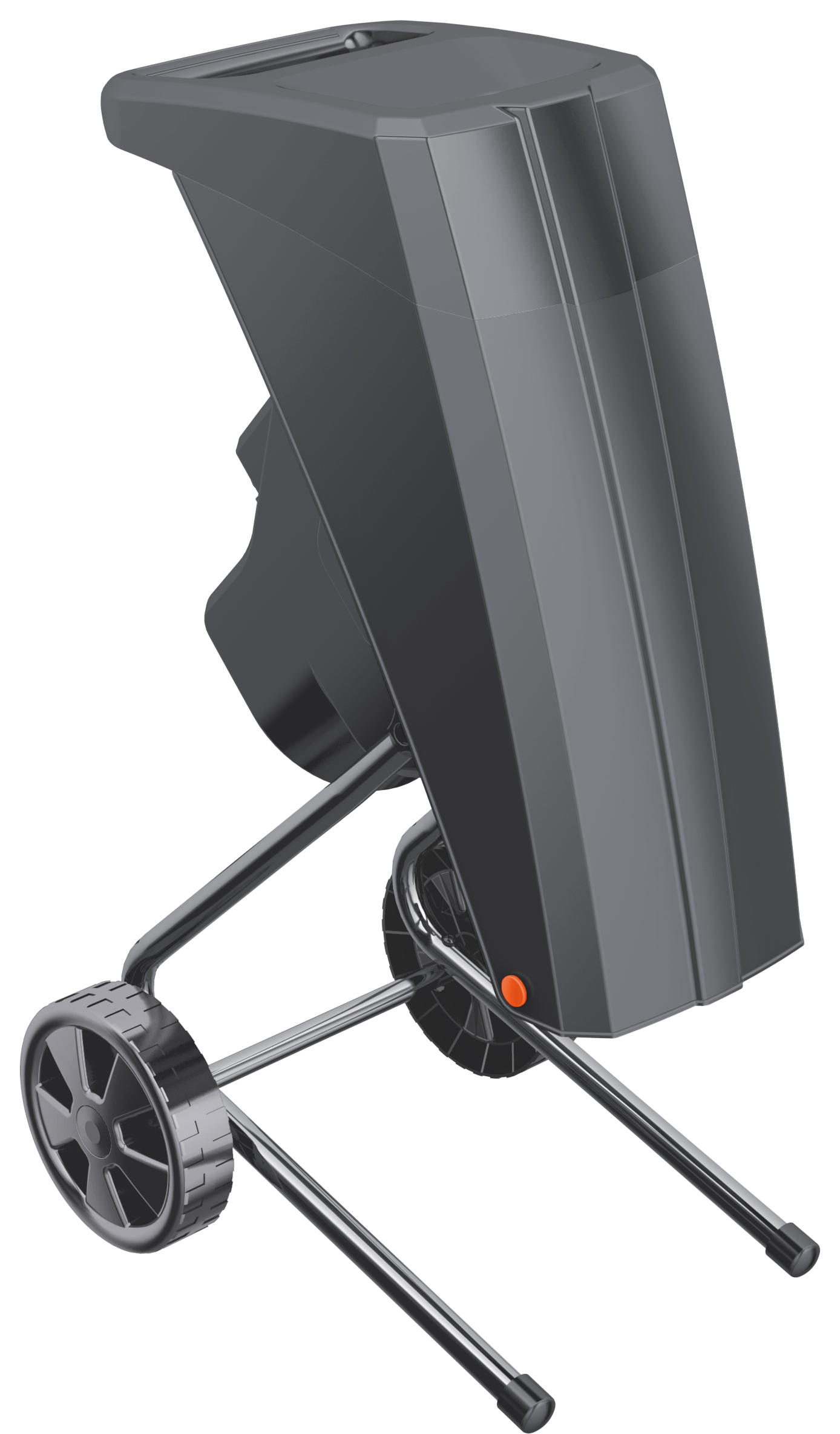 Compare the working environment, material type, and service routine before choosing a power source.
A scenario-based choice guide
Choose an electric shredder if your priority is simple home use
For light pruning, regular leaf cleanup, and a garden near the house, an electric shredder is commonly the more manageable option. It is especially useful when you value a lower-maintenance routine and want to turn manageable batches of plant waste into composting or mulching material. Confirm the cable arrangement and avoid working in wet conditions unless the product documentation explicitly permits it.
Choose a gasoline shredder if mobility and capacity lead your decision
If you maintain a larger plot, work far from electricity, or face repeated woody pruning waste, a gasoline shredder may justify its extra care requirements. The key is to verify the rated feed diameter and the machine’s intended material mix. A bigger engine alone does not tell you whether a particular garden shredder will handle your work safely or efficiently.
Pause before buying either option if the material is mixed and wet
Both types can struggle when fed tangled, wet, fibrous waste too quickly. Separate leaves from branches where practical, trim long side shoots that may catch in the hopper, and feed steadily instead of packing the opening. This comparison point is easy to miss, but it affects output quality and downtime more than many shoppers expect.
Safety and service questions worth asking
- What branch diameter and material types does the manual allow?
- Does the garden equipment include an appropriate feed hopper, pusher, and overload or reverse arrangement?
- Where will you use it, and is the power source, ventilation, and noise level suitable for that location?
- Can you obtain cutting parts, service support, and the documentation needed for your market?
- For a gasoline shredder, are you prepared for fuel, oil, and off-season engine care?
Wear eye protection, sturdy footwear, close-fitting clothing, and hearing protection where appropriate. Keep bystanders and children clear of the feed area, disconnect electrical power or stop the engine before clearing a blockage, and use only the clearing method specified by the manufacturer. Do not reach into a feed hopper while a garden shredder is connected or running.
Make the final choice from your real workload
There is no universal winner in this comparison. An electric shredder usually fits convenient, lower-maintenance work close to mains power. A gasoline shredder is often the more practical choice when location freedom and frequent woody waste outweigh noise, fuel, and engine-care demands. Measure the branches you commonly cut, think about where the machine will live and operate, and use the product documentation to confirm capacity before committing.
For distributors and professional buyers, the evaluation should also include spare-parts availability, safety documentation, service arrangements, and whether the machine configuration matches the needs of the intended market. That is how a garden shredder becomes a useful long-term tool rather than an awkward seasonal purchase.

 Hot News