
 EN
Lawn Mower Maintenance Checklist Before Spring Operation.
The first dry weekend of spring is not the moment to discover that a lawn mower has stale fuel, a loose control cable, or a blade that needs attention. A deliberate spring maintenance routine gives an owner or grounds crew a clearer view of the machine before regular cutting begins. This checklist applies the same practical order used in a service bay: make the lawn mower safe, inspect it, perform the engine service items specified by its manual, then test it in an open area.
Different walk-behind, riding, battery, and zero-turn machines have different service points. Keep the operator’s manual beside the lawn mower throughout the job. It supplies the approved fluids, torque values, blade-removal method, replacement parts, and service intervals for that model.
Start with a safe, clean work area
Park the lawn mower on level ground with the drive disengaged. Let a gasoline engine cool before touching the exhaust or working around fuel. Remove the ignition key where fitted, set the parking brake on ride-on equipment, and disconnect the spark-plug cap on gasoline models before working near the deck, blade, or engine. For a battery lawn mower, remove the battery according to the manual. These small steps reduce the chance of an unintended start while hands are near moving parts.
Wear gloves and eye protection, then brush off dry clippings, leaves, and soil from the deck exterior, wheel areas, cooling fins, and control zone. Do not wash electrical connections or force water into the engine. A clean lawn mower makes seepage, cracked guards, missing fasteners, and worn cables much easier to spot.
Spring maintenance: inspect the machine before servicing it
Walk around the lawn mower slowly and look for anything that changed during storage. Check the handle, folding joints, wheel hardware, collection bag, discharge chute, safety shields, and fasteners. On a riding lawn mower, include the seat switch, tires, steering linkages, deck-lift linkage, and parking-brake action. If a guard is bent, a cable is frayed, or a safety control does not return freely, pause the job and use the manufacturer’s service guidance rather than operating the machine.
Check controls, wheels, and the cutting deck
- Move the blade-control and drive-control levers with the engine off; they should return without sticking.
- Check wheels and tires for damage, loose hardware, and pressure guidance in the manual.
- Inspect the deck for packed debris, cracks, and loose baffles.
- Confirm the discharge guard or collection system is fitted correctly before the lawn mower is started.
- Look beneath the machine only after the spark-plug cap or battery has been disconnected.
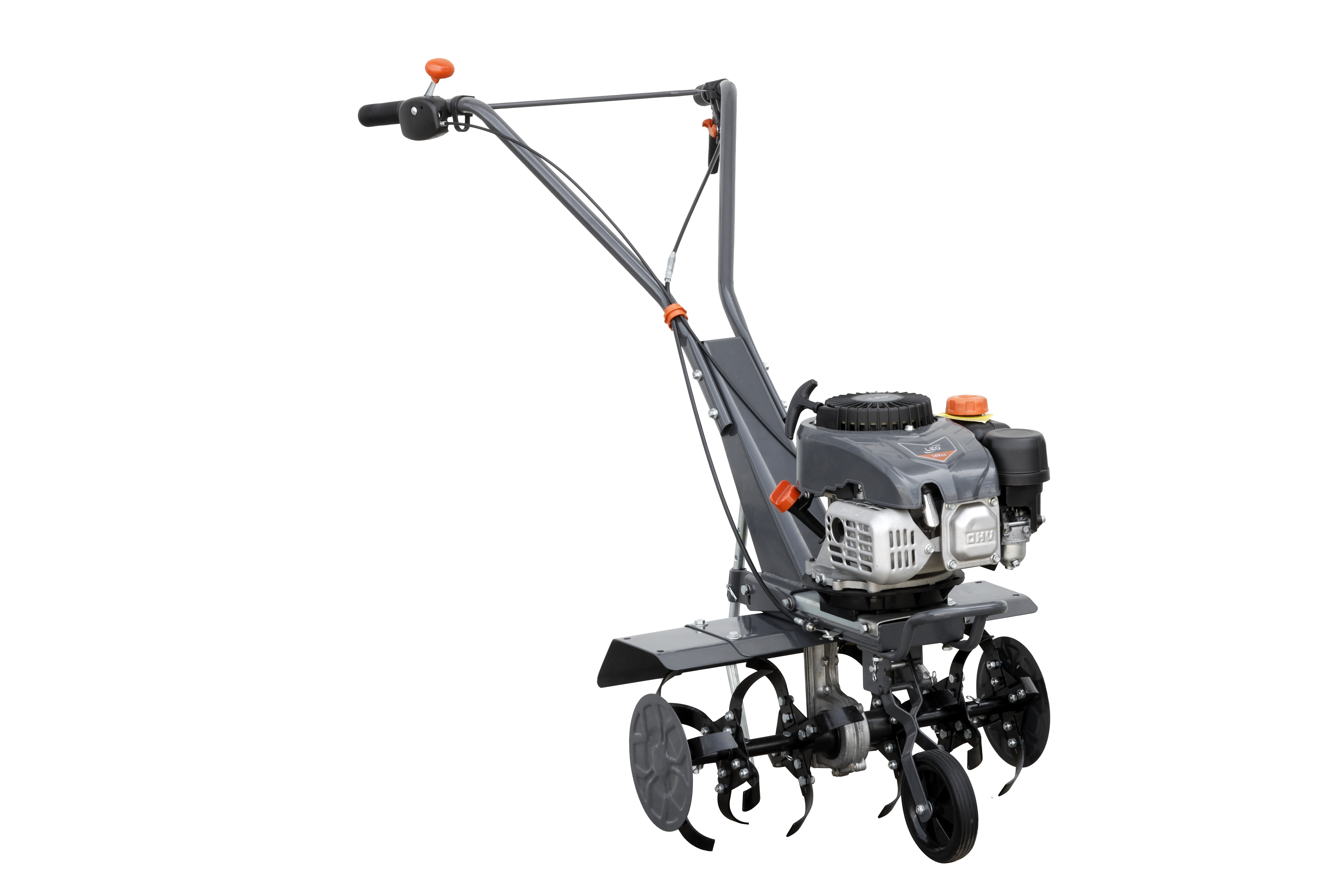 Prepare the lawn mower and service items on a stable, well-lit work surface.
Blade inspection: focus on condition, not just sharpness
A careful blade inspection is one of the most useful steps in lawn preparation. With the lawn mower isolated from power, follow the manual’s directions for accessing the blade or deck. Look for cracks, deep nicks, bends, rounded cutting edges, and damage around the mounting area. A blade with visible damage should be replaced; do not attempt to straighten it. If the blade is suitable for sharpening, follow the specified method and keep it balanced. An unbalanced blade can add vibration that affects the lawn mower, deck hardware, and cut quality.
Check the blade fastener and mounting area only as directed by the manufacturer. Torque values and blade orientation vary by model, so a general checklist should not substitute for those instructions. After reassembly, make sure no tool, rag, or loose part remains inside the deck.
Engine service for gasoline lawn mowers
For a gasoline lawn mower, spring maintenance usually begins with the oil level and condition. Check the dipstick on level ground, using the oil grade and change interval stated in the manual. If an oil change is due, collect used oil for appropriate local disposal. Avoid overfilling: too much oil can create operating issues just as too little oil can.
Next, inspect the air filter. Foam and paper filters have different care requirements, so use the manual to decide whether the filter can be cleaned or needs replacement. Examine the spark plug and its lead for wear, fouling, damage, or a loose connection. Replace parts only with compatible specifications. This modest engine service sequence—oil, air filtration, ignition, and fuel-system review—helps the lawn mower begin the season with known service conditions.
Review fuel and fuel-system condition
Fuel left from the prior season may not suit every lawn mower. Check the manual for fuel type, storage recommendations, and any approved stabilizer guidance. Inspect the fuel line, cap, and surrounding area for leaks or cracking. If you smell fuel, see wetness, or find a damaged line, do not start the lawn mower until the issue has been corrected by a qualified person.
Electric and battery lawn mower checks
A battery lawn mower does not need oil or spark-plug service, but it still needs a seasonal inspection. Examine the battery case, terminals, charger lead, and wiring for damage. Use only the charger and battery combination approved for the model. Check that the battery locks in place, the safety key operates as intended, and the blade-control system returns freely. Clean clippings from the deck and inspect the blade with the battery removed.
Finish lawn preparation with a controlled first start
Reinstall the spark-plug cap or battery only when the lawn mower is fully assembled. Move it outdoors, clear people and objects from the area, and start it according to the operator’s manual. Listen for unusual vibration, surging, smoke, loose parts, or a control that does not behave normally. Engage the blade only in an open test area and verify that the mower stops as intended when its safety control is released.
Before the first full cut, walk the lawn and remove branches, wire, stones, toys, and other debris. Set the cutting height for current lawn conditions rather than cutting off too much leaf length at once. Record the date of this spring maintenance and the parts serviced. That short note makes the next lawn mower service easier to schedule and gives a team a useful baseline for the season.
Quick lawn mower checklist
- Read the lawn mower manual and prepare the specified tools and supplies.
- Isolate power: key out, spark-plug cap disconnected, or battery removed.
- Clean the lawn mower exterior and inspect guards, cables, wheels, and deck.
- Complete blade inspection and use the approved blade procedure.
- Perform applicable engine service: oil, air filter, spark plug, and fuel review.
- Check battery, charger, and wiring on an electric lawn mower.
- Reassemble the lawn mower, then carry out a controlled outdoor test.
- Clear the lawn before regular operation.
A methodical checklist turns spring lawn preparation into a routine inspection rather than a rushed repair. When a lawn mower has a damaged safety part, fuel leak, persistent vibration, or an issue outside the manual’s owner-service instructions, arrange professional service before putting it back to work.


 Hot News