
 EN
How Does a Garden Shredder Help Turn Waste into Useful Garden Material?
After a weekend of pruning, a garden can look less like a relaxing space and more like a pile of awkward branches, leaves, stems, and clippings. A garden shredder changes that equation. Instead of treating every pile as rubbish to bag and remove, it breaks suitable organic material into smaller pieces that are easier to handle, store, compost, or reuse as mulch.
That does not mean every cutting should go straight into a machine. The useful result depends on what you feed in, how dry it is, and what you plan to do with the output. Once those choices are clear, a garden shredder can make garden cleanup feel like the first stage of a small, practical waste recycling system.
What a garden shredder actually changes
A garden shredder reduces the size and bulk of plant waste. Soft material such as dry leaves, spent stems, and light prunings is usually torn or crushed into fragments. Woody twigs and small branches are often cut or crushed into coarser pieces, commonly described as wood chips. The exact result varies with the machine’s cutting system and the material’s condition, so check the manual for the accepted branch diameter and feed guidance.
The immediate benefit is space. A loose heap of branches traps air and is difficult to move; a container of chipped or shredded material is more compact and easier to portion out. The less obvious benefit is surface area. Smaller pieces expose more cut edges and surfaces than intact stems, which can help the material mix more evenly in a compost heap and settle more readily beneath plants as mulch.
From garden cleanup to useful organic material
The value of a garden shredder is not simply that it makes waste disappear. It helps you sort garden material by its next use. A sensible workflow looks like this:
- Separate the pile. Keep healthy leafy material, dry woody prunings, diseased plants, invasive weeds, and household rubbish apart. Diseased or seed-heavy material may need a different disposal route, depending on local guidance and composting conditions.
- Remove unsuitable items. Stones, wire, labels, plastic ties, soil-clogged roots, and very thick limbs can damage a garden shredder or jam the feed path.
- Feed gradually. Mix rather than force material. A steady feed gives the cutting system time to work and makes it easier to stop if damp or fibrous waste begins to bind.
- Choose the destination. Use coarse wood chips as surface mulch where appropriate, add mixed shredded organic material to compost, or hold a dry batch for later use.
This approach makes waste recycling more practical because the material stays on site as a resource. It also avoids the common mistake of trying to run every type of garden waste through one machine in one session.
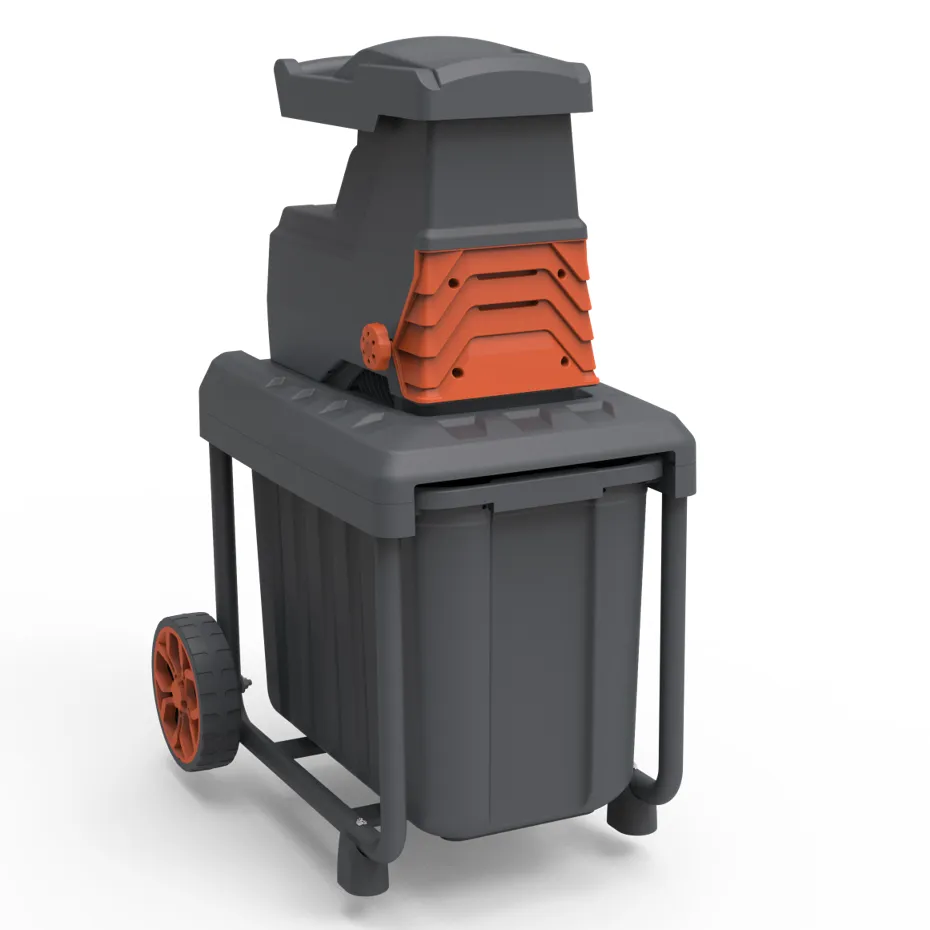 Shredded garden waste can be sorted for mulch or compost use.
Using wood chips as mulch
Coarse output from branches can be useful around established trees, shrubs, and paths. Wood chips help cover bare soil, moderate surface moisture loss, and reduce the visual impact of a freshly cleared area. A practical starting point is a loose layer of roughly 2–4 inches, adjusted for the site and the chip size. Keep the material back from trunks and stems rather than piling it against them, because a damp collar around living bark can create avoidable problems.
Fresh wood chips are usually more useful on the soil surface than mixed deeply into planting soil. On the surface, they behave as mulch and slowly weather over time. If you want to use them in a compost system, combine them with greener, nitrogen-rich ingredients such as fresh grass clippings in sensible layers rather than expecting a heap of chips alone to become finished compost quickly.
How shredding supports composting
A compost pile depends on a balance of materials, air, moisture, and time. Shredded leaves and small prunings can help provide the dry, carbon-rich component that offsets wetter green material. Because the pieces are smaller, they are easier to distribute through the heap instead of forming a mat that blocks air movement.
Think of shredded organic material as an ingredient, not a finished product. If the pile is mostly wet grass, add dry shredded leaves or fine twigs to improve structure. If it is mostly dry wood chips, add greener material and moisture in modest amounts. Turn or mix the pile when conditions allow, and avoid making it waterlogged. The goal is a workable blend, not a perfectly measured formula.
Why waste type and moisture matter
The right result depends on the input. Dry leaves often process easily and make useful compost-bulking material. Small, straight twigs may become tidy wood chips. Long, wet, stringy stems can wrap, clump, or slow a garden shredder, especially if they are fed in large handfuls. Letting saturated cuttings drain or dry briefly, then mixing them with drier material, can make garden cleanup more manageable.
There is also no universally right machine for every garden. If your main waste is light hedge trimming and leaves, a shredder designed for softer material may be a reasonable fit. If you regularly prune woody shrubs or small branches, branch capacity and the cutting mechanism deserve more attention. Noise is another real consideration in residential areas: a quieter design may be valuable, but throughput, chip consistency, and the type of waste you generate matter just as much in practice.
A safer, more useful shredding routine
- Wear eye protection, gloves, sturdy footwear, and hearing protection where appropriate.
- Set the machine on stable, level ground and keep the discharge area clear.
- Use the supplied pusher or feed tool; do not reach into the hopper to clear a blockage.
- Switch off and isolate power before inspecting or clearing material, following the manufacturer’s instructions.
- Make a separate pile for material you do not want to reuse, such as diseased plants or invasive weeds.
These steps are not just about safety. They protect the quality of your output: cleaner, sorted input produces more useful wood chips and compost ingredients than a mixed pile of debris.
When a garden shredder is worth using
A garden shredder is most useful when your garden routinely produces leaves, hedge trimmings, and manageable woody prunings, and you have a realistic use for the reduced material. It can reduce trips to a waste collection point, make compost handling easier, and create mulch for suitable areas of the garden. For a very small garden with only occasional light waste, storing or sharing material may be simpler. For a larger garden, the time saved during seasonal pruning can be substantial.
The most useful mindset is simple: do not measure success by how quickly the waste vanishes. Measure it by whether the output has a sensible next job. With basic sorting, careful feeding, and an appropriate end use, a garden shredder can turn routine garden cleanup into useful organic material for mulch and compost.
 Hot News