
 EN
Lawn Mower Options for Large Commercial Landscaping Projects
For a large commercial landscaping project, choosing a lawn mower is a crew-planning decision, not a retail purchase. The right lawn mower has to match acreage, access points, slopes, turf conditions, transport limits, and the way operators move through a day. A machine that looks efficient on an open field can become slow around trees, narrow gates, drainage swales, and scattered client sites.
From a contractor’s perspective, the useful question is not “Which lawn mower is best?” It is “Which lawn mower keeps this crew producing clean work with the fewest interruptions?” That change in focus makes it easier to compare commercial landscaping equipment without relying on headline specifications alone.
Start With the Workload, Not the Engine Number
Before comparing a commercial lawn mower, map the work. List total mowable area, average grass height at service, terrain changes, obstacles, gates, trailers, and how often each property is cut. Large area mowing is rarely one big, flat field. A portfolio may combine broad turf, fenced zones, steep edges, and landscaped islands, so one machine type may not be the right fit everywhere.
The number many buyers check first is engine size. It matters, but cutting-deck width, traction, blade condition, operator comfort, and route planning often matter more to day-to-day output. A wider deck can reduce passes on open turf; on a constrained site, that same lawn mower may lose time turning or fail to reach tight sections. Specify the work zone first, then choose the machine.
Match Each Lawn Mower Format to the Site
Zero-turn mowers for open, repetitive routes
A zero-turn lawn mower is usually the productivity leader where crews maintain broad, relatively open commercial grounds. Its tight turning ability helps reduce trimming around isolated trees and beds, while a large deck helps on long straight runs. This format is most useful when operators have room to maneuver and the turf is dry enough for the machine’s weight and traction. It is less convincing on very rough ground, sharp drop-offs, or heavily gated properties.
Stand-on mowers for changing sites
A stand-on lawn mower suits crews that repeatedly get on and off the machine, move between compact zones, or need a clearer view of edges and obstacles. The footprint can make it easier to load, unload, and work around detailed commercial landscaping features. Standing all day is not right for every operator or every surface, however. Trial the platform on the slopes and turf conditions your team actually services.
Commercial walk-behind mowers for access and control
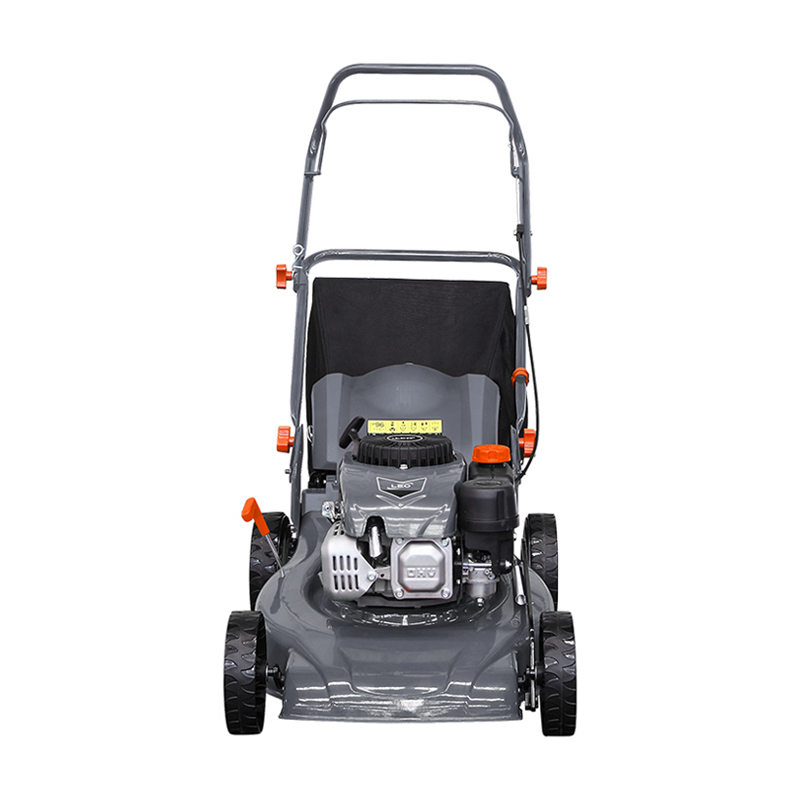
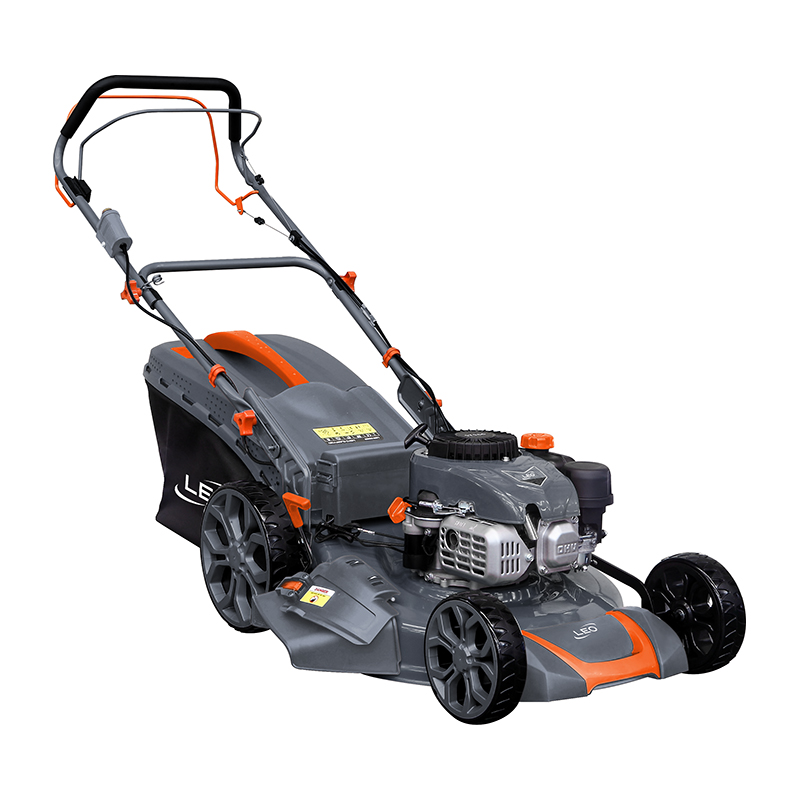
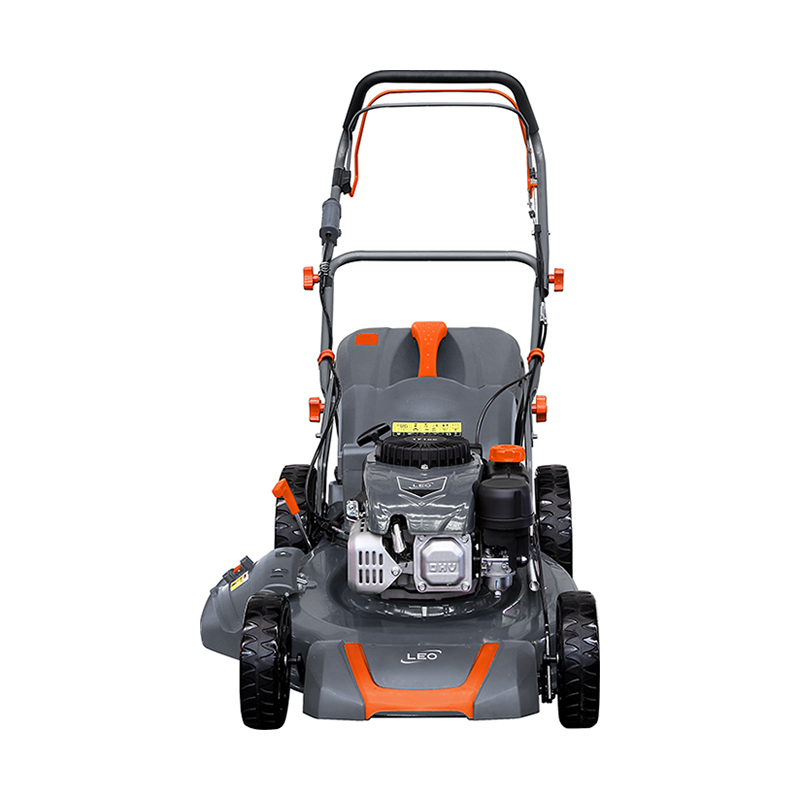
A commercial walk-behind lawn mower earns its place when access is limited or when operators need precise control around planted areas. It will rarely replace a large-deck rider on a wide campus, but it can keep a route moving where a larger lawn mower cannot enter. For mixed portfolios, pairing a productive primary unit with a walk-behind backup is often more useful than forcing one format onto every property.
Robotic systems for repeatable, suitable zones
Robotic equipment can be a specialized lawn mower option for open, clearly defined, gently sloped areas with consistent maintenance requirements. It should be evaluated as part of a workflow, including boundary setup, supervision, recovery plans, and finish work. It is not a universal substitute for a trained crew handling complex commercial landscaping sites.
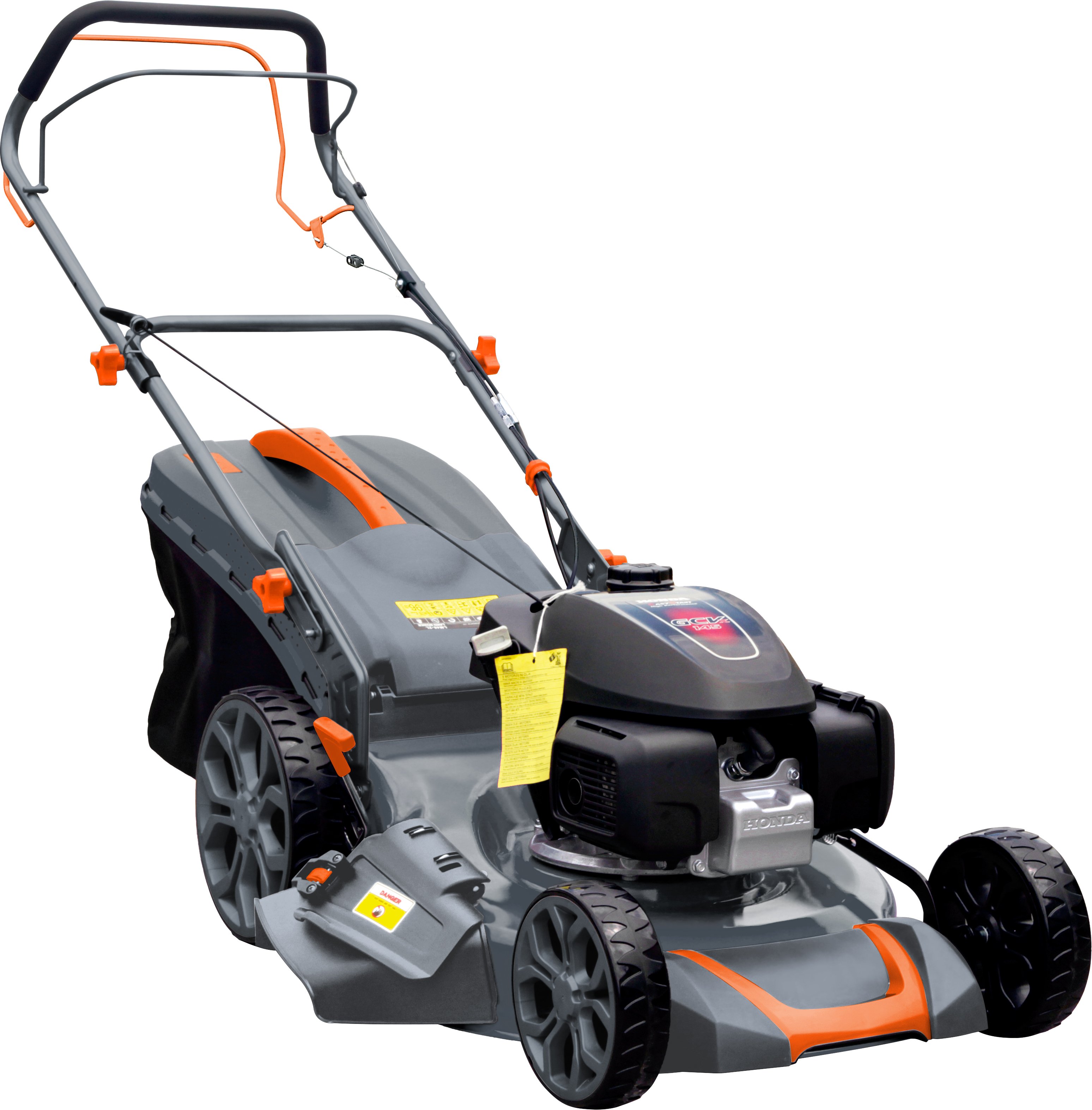 A commercial mower format should fit the access, terrain, and route pattern of the property.
Use Deck Width and Cutting Quality Together
For large area mowing, deck width directly affects coverage per pass, but the largest deck is not automatically the most profitable choice. Measure gates, trailer space, bridge paths, storage, and the narrowest recurring access point. Also consider how well the deck follows uneven ground and how easily crews can inspect, clean, and service it.
Cut quality protects the appearance of a commercial landscaping contract. A lawn mower with dull blades, poor deck cleaning access, or inconsistent height adjustment can create rework even if its travel speed is high. Ask how the machine handles wet grass, leaf buildup, bagging or discharge needs, and frequent height changes. Maintenance-friendly professional equipment helps crews protect both finish quality and schedule reliability.
Plan for Traction, Comfort, and Operator Consistency
Terrain changes the answer. On slopes or damp turf, the right lawn mower is the one operators can control confidently without tearing turf or creating a safety problem. Review tire options, weight distribution, braking behavior, and manufacturer guidance for slopes rather than assuming a familiar model will perform the same on every site.
Operator comfort is also a production variable. Seat support, vibration management, control layout, visibility, and easy deck-height adjustment affect whether a crew can maintain consistent lines late in a long shift. That does not mean every lawn mower needs the most elaborate feature package. It means the controls and ergonomics should fit the expected daily workload and the operators who will use them.
Evaluate Serviceability Before Buying Professional Equipment
For lawn maintenance businesses, downtime can cost more than a modest difference in purchase price. During selection, ask practical questions: Are blades and belts accessible? Can routine checks be completed quickly? Is there a clear parts path? Can the equipment be transported safely for service? A durable commercial lawn mower is valuable, but a serviceable lawn mower is easier to keep earning.
Build a simple maintenance routine around daily debris removal, blade inspection, fluid and fastener checks, and scheduled replacement of wear items. Keeping service records also helps managers see whether a particular lawn mower is becoming a downtime risk before it disrupts a busy season.
A Practical Commercial Lawn Mower Selection Checklist
- Define each property’s open acreage, tight-access areas, slopes, and turf conditions.
- Choose a primary lawn mower format for the largest share of productive work, not for the most unusual site.
- Confirm deck width against gates, trailers, storage, and landscape obstacles.
- Compare traction, visibility, and operator controls on the terrain crews actually mow.
- Check blade, belt, cleaning, and parts access before committing to a fleet.
- Keep a complementary lawn mower option for small, tight, or precision zones where the main unit is inefficient.
Choose a Fleet Fit, Not a One-Size-Fits-All Answer
The right lawn mower for large commercial landscaping projects is usually the one that fits a defined workload and service plan. Zero-turn units can excel on open acreage, stand-on units can improve mobility around varied sites, and commercial walk-behinds can protect access and finish quality. By matching the lawn mower to terrain, crew workflow, cutting requirements, and lawn maintenance support, managers can make a more defensible equipment decision and reduce avoidable downtime.
 Hot News