
 EN
What Should Buyers Check in Garden Machinery Factory Audits?
Choosing a garden machinery supplier is not only a price comparison. For an importer, distributor, or private-label team, a factory visit is the point where brochure claims meet production records, parts flow, and the people who will respond when a shipment has a problem. A useful audit asks whether a garden machinery supplier can repeatedly build the agreed machine, in the required volume, with controlled documentation.
Use the visit to test evidence rather than to collect reassuring answers. The checklist below is designed for buyers reviewing mowers, tillers, shredders, water pumps, and related outdoor equipment. It also helps a buyer separate a capable garden machinery supplier from a trading operation that cannot control the factory outcome.
Start with supplier identity and scope
Begin supplier verification before the production tour. Confirm the legal entity named in the quotation, business registration, factory address, and export contact. Then ask which operations are performed at the site and which are outsourced. A garden machinery supplier may assemble machines well while purchasing engines, motors, decks, batteries, or plastic parts from other sources; that is not automatically a concern, but the buyer needs to know who controls those dependencies.
Request an organization chart that identifies purchasing, engineering, quality, production planning, and after-sales contacts. Walk the site from receiving to final packing. A mismatch between the claimed product range and the equipment, fixtures, or component inventory on view deserves a follow-up question. Record which models are made regularly, which are seasonal, and which are only samples.
Check whether production capacity is real and available
Stated output is less useful than evidence of available production capacity. Ask the garden machinery supplier to show a recent production plan, order backlog, line balance, shift pattern, and capacity calculation for the model family you plan to buy. The calculation should connect people, stations, cycle time, yield, and working days. It should also distinguish peak-season output from normal output.
During the factory inspection, compare the plan with the shop floor. Are key assembly stations staffed? Are test benches operating? Is there space for incoming materials and finished goods without creating mix-up risk? For a seasonal garden machinery supplier, investigate how it protects lead time when several buyers require the same spring delivery window. A capacity claim is more credible when it is supported by a loading plan and a clear constraint list, not a single monthly number.
- Ask to see planned versus actual output for several recent weeks.
- Identify bottlenecks such as engine supply, motor testing, painting, or packaging.
- Check whether subcontracted processes have approval and incoming-inspection controls.
- Discuss how a schedule change or a larger OEM order would be handled.
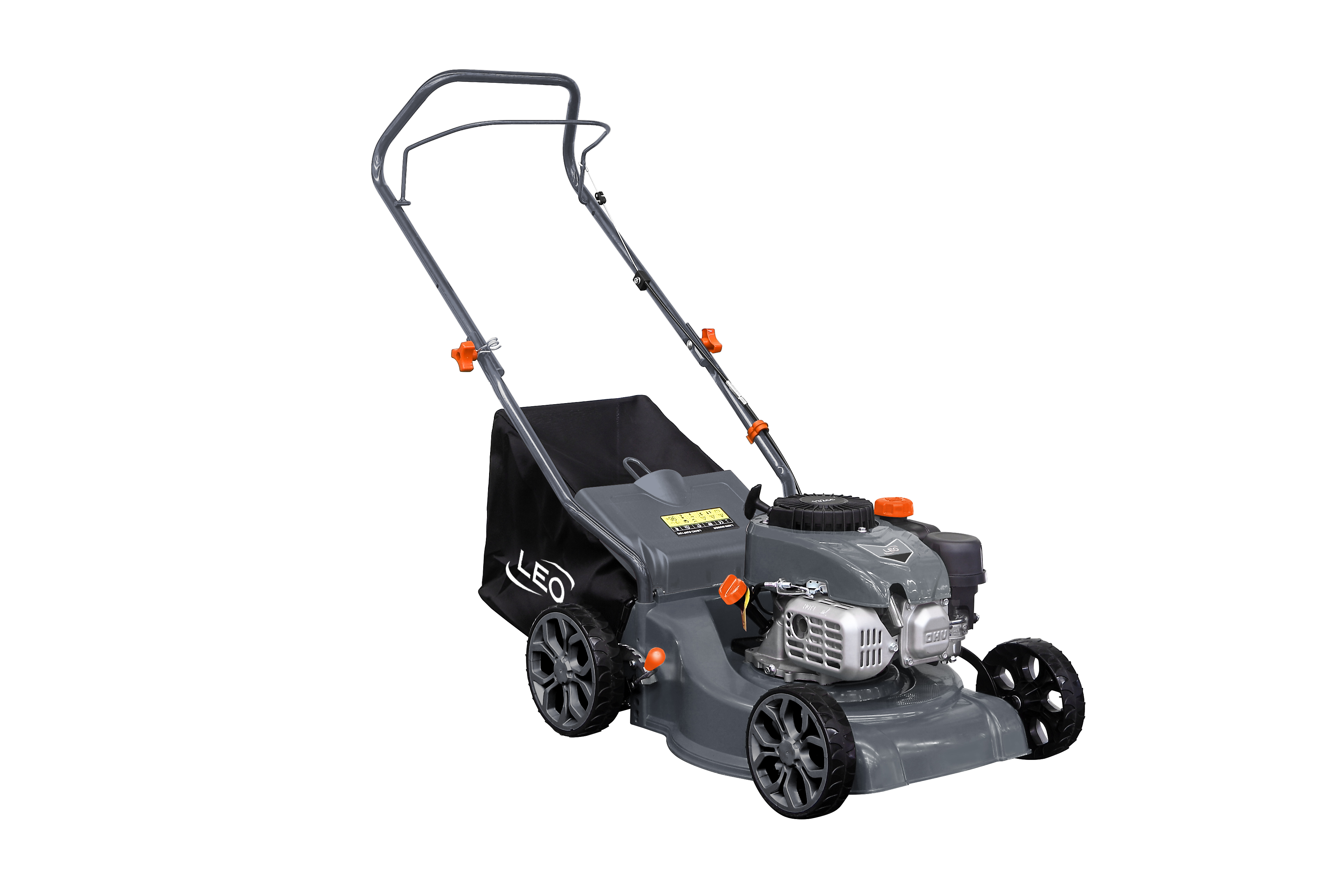 Audit evidence should connect the production plan to activity on the shop floor.
Follow quality controls from parts receipt to shipment
A factory inspection should follow the product, not just the visitor route. At receiving, ask how the garden machinery supplier checks critical components against drawings or approved samples. Look for identification, sampling records, nonconforming-material segregation, and traceability to the incoming lot. For blade, brake, fastener, electrical, fuel-system, or battery-related parts, ask what makes the item critical and what evidence releases it to production.
On the line, inspect work instructions at the actual station. The relevant question is whether operators can verify the right version, torque, wiring route, safety label, and functional test—not whether a binder exists in an office. Ask the garden machinery supplier for records from an in-process check and a final inspection on a recent batch. Review a defect example: how was it contained, analyzed, corrected, and checked after the change?
An ISO 9001 certificate can be a useful signal, but it is not a substitute for records. Your supplier verification should test document control, calibration status, corrective-action closure, and whether inspection data reaches production decisions. For private-label programs, agree on the golden sample, acceptance criteria, and the approval process for any material or process change.
Audit engineering, compliance, and change control
For machinery sold into regulated markets, paperwork deserves the same attention as the assembly line. Ask the garden machinery supplier to map each target-market model to applicable instructions, labels, test reports, risk assessments, declarations, and technical documentation. EU buyers should also ask how the supplier is preparing for the Machinery Regulation (EU) 2023/1230, which applies from January 2027. The objective is not to obtain a broad compliance promise; it is to establish which documents exist for the exact model, configuration, and destination.
Review revision control. If a garden machinery supplier changes an engine, battery pack, blade guard, supplier, carton, or firmware, who approves the change and who informs the buyer? A sound OEM process includes a written specification, controlled artwork, prototype approval, pilot-run review, and change notification. OEM capability should be assessed as a controlled engineering process, not merely a logo-printing option.
Test the supply chain and after-sales readiness
Ask the garden machinery supplier for the approved-supplier list for major components and how it handles shortages or a failed incoming lot. Trace one serial number or batch code backward to its key parts and forward to final inspection and shipment. This practical exercise reveals whether records are usable under pressure.
Also review spare-parts planning, warranty escalation, and service documentation. A garden machinery supplier that can ship a machine but cannot identify replacement parts, failure patterns, or technical contacts creates cost for the importer later. Ask for a sample parts list, service manual, warranty workflow, and response path for a field-quality issue.
Use a closing meeting to turn observations into decisions
End the audit with a written list of evidence reviewed, gaps found, owner, due date, and acceptance method. Categorize findings as launch blockers, conditions before mass production, or improvement items. If the garden machinery supplier is new to your business, consider a sample approval, pilot order, pre-shipment inspection, and performance review before expanding volume.
The goal is not to find a flawless factory. It is to decide whether the garden machinery supplier has the controls, transparency, and capacity discipline needed for your product and market. A disciplined factory inspection gives buyers a stronger basis for supplier verification, realistic production capacity planning, and a more controlled OEM relationship.


 Hot News