
 EN
What Makes Cordless Lawn Mowers More Convenient for Homeowners?
A cordless lawn mower changes the small jobs around a lawn more than many people expect. Instead of checking fuel, pulling a starter cord, or routing an extension lead, you fit a charged battery, check the lawn surface, and begin. That simpler routine is why a cordless lawn mower can feel more approachable for regular garden care. It is not the right answer for every property, but it can remove several pieces of friction from a typical home mowing day.
When I first compared mower options for an ordinary garden, I spent too much time on voltage labels and too little on the sequence of tasks before and after mowing. The useful question is: how long does it actually take to mow your lawn in one session? A cordless lawn mower is convenient when its battery plan, deck size, and handling match that answer.
Convenience starts before the first pass
With a petrol machine, a homeowner may need to check fuel, oil, storage condition, and starting procedure before cutting. A cordless lawn mower replaces much of that preparation with a battery check and a normal visual safety inspection. That does not make it maintenance-free—blades still need care and the deck still needs cleaning—but the operating routine is shorter.
This is where cordless technology has a practical advantage. A charged battery can be kept indoors or in a suitable dry storage location until mowing day, while the mower itself does not require a fuel can beside it. For someone who cuts little and often, a cordless lawn mower can make a quick trim feel like a manageable task instead of a scheduled maintenance job.
No power cord to manage around beds, trees, or steps
Electric tools with a cord can work well near a socket, yet the cable changes how you move through a garden. You need to plan the route, keep the lead clear of the blade, and stop when the lawn extends beyond the cable's reach. A cordless lawn mower removes that cable-management task. It can be easier to turn around a shrub border, cross a narrow path, or work on a small front lawn without first arranging an extension lead.
The difference is less about raw cutting ability and more about attention. With a cordless lawn mower, the operator can concentrate on the edge of the lawn, obstacles, and footing. That is particularly useful in irregular gardens where a cable would need to be moved several times.
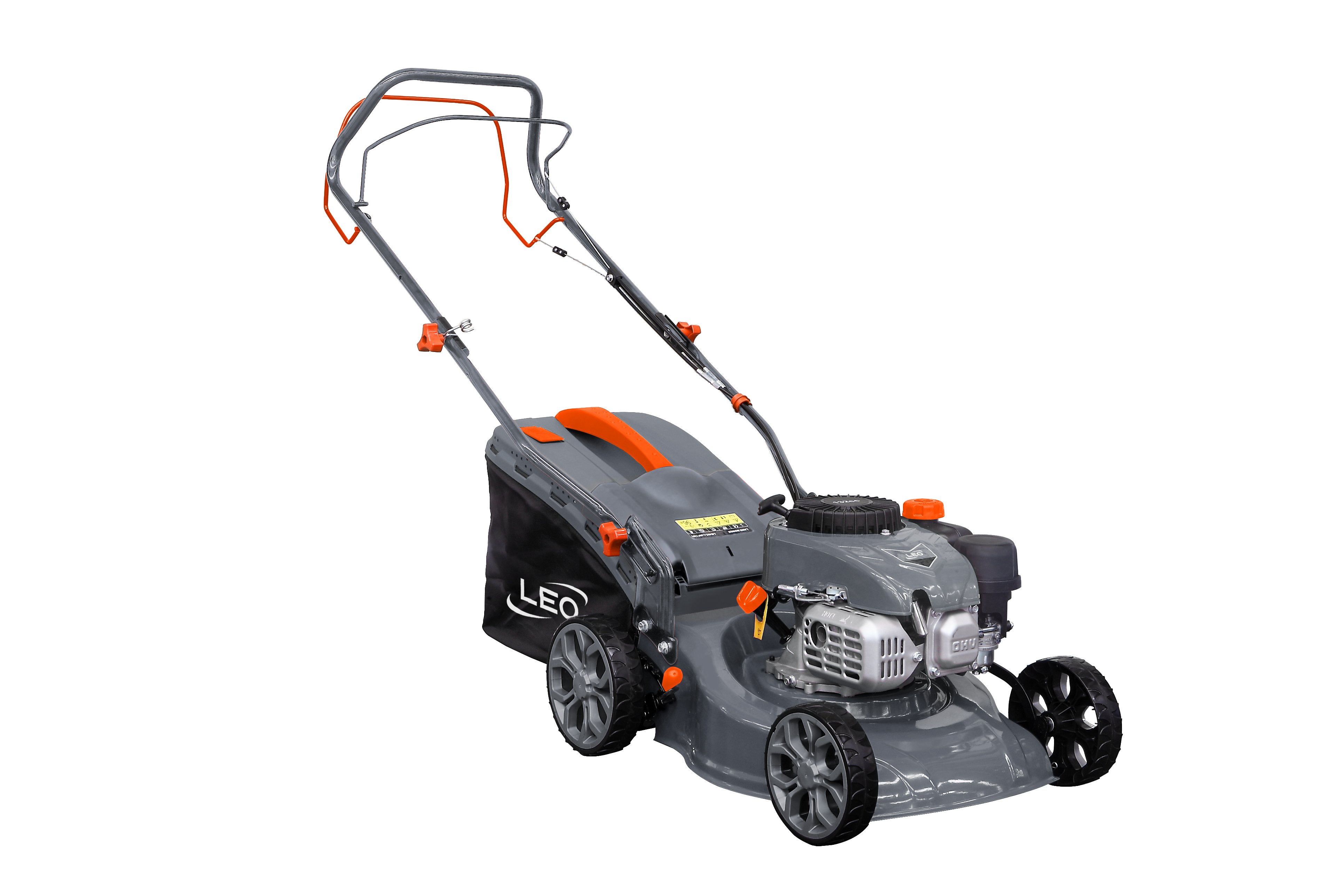 A cable-free mowing route can simplify movement around garden borders.
Easy operation can encourage more regular mowing
Lawn growth is often easier to cut when it has not become overly tall or wet. Because a cordless lawn mower reduces the setup steps, homeowners may be more likely to mow during a short suitable window rather than postpone the task. Regular cutting can also mean a lighter load for the mower and less cut material to collect afterward.
Controls vary by model, but many battery mowers use a straightforward start sequence rather than a recoil cord. If pushing effort is a concern, compare a self-propelled cordless lawn mower with a push model. The self-propelled option may help on slopes or longer runs, while a lighter push mower may be easier to carry through a gate or store on a shelf. Convenience depends on the whole workflow, not one feature alone.
A quieter-feeling routine for residential garden care
A cordless lawn mower has no small petrol engine idling while you prepare to cut. In many residential settings, that can make the job feel less disruptive to the household and nearby gardens. Actual sound levels vary by machine and operating conditions, so a specification sheet is still worth reviewing if noise is an important concern.
The absence of fuel handling also simplifies post-mow storage. A homeowner can remove the battery from a cordless lawn mower, clean off loose clippings with the method stated in the manual, and store the tool. There is no fuel stabilization routine to factor into a long pause between seasons. That is a meaningful form of easy operation, even though battery storage instructions still matter.
Battery planning is the trade-off to understand
The convenience of a cordless lawn mower relies on choosing a battery system suited to the lawn. Runtime is affected by turf height, dampness, terrain, cutting height, and whether a self-propelled drive is running. As a useful but qualified reference point, Consumer Reports notes that two-thirds of the electric walk-behind mowers in its ratings could mow a quarter acre on one charge. Your actual result can differ, so treat a claimed runtime as a starting point rather than a promise.
For a medium garden, a spare compatible battery can turn a cordless lawn mower into a more flexible system: one battery can charge while another is in use, provided the manufacturer permits that workflow. For a large property with dense lawn growth or a long mowing session, petrol or a higher-capacity battery platform may still be the more practical choice. I initially assumed cordless would be the smarter choice in most situations; that changed when the lawn size and workload grew beyond the battery plan.
Less routine engine care, but not no care
A cordless lawn mower still deserves a basic maintenance routine. Keep the blade well maintained, inspect the deck, clear cuttings buildup as the manufacturer directs, and look over the battery contacts. Use the charger designed for that battery and follow the maker's guidance on charging temperature and storage. These habits support reliable electric tools without adding the fuel-system tasks associated with an engine.
Think about storage before buying. A folding handle, an upright storage position, and a removable battery can make a cordless lawn mower easier to live with in a shed, garage, or utility space. If the model offers mulching, check the product documentation rather than assuming every mower includes it; a mulching option may reduce the number of collection-bag emptying trips when lawn conditions suit it.
When does a cordless lawn mower make the most sense?
A cordless lawn mower tends to suit homeowners who have a small or medium lawn, suitable indoor battery storage, and a dry place to store batteries, and a preference for a simple start-and-store routine. It can also be a sensible option for anyone who dislikes pulling a starter cord or handling fuel. Before choosing, map the lawn, consider slopes and turf density, and compare the battery platform with the time you normally spend mowing.
The real convenience is cumulative. A cordless lawn mower removes the cable from the route, shortens the start-up routine, reduces engine-related upkeep, and can make regular garden care easier to fit into the week. Match it to the workload, look after the battery, and it can be a practical companion for everyday home lawn care.
 Hot News