EN
How to Select Lawn Mower Power Based on Yard Size?
A lawn mower should match the work on the ground, not just the number on its engine label. A compact, level lawn may be easy to cut with a light machine, while a similarly sized slope with thick growth can demand more traction and reserve. Start with the actual area you mow, then consider cutting width, terrain, turf condition and the time available.
Treat yard size as a starting point, not a promise of performance. For a useful comparison, check each lawn mower against its manufacturer's stated cutting capacity, recommended operating conditions and safety instructions.
Measure the area that needs cutting
Measure the approximate length and width of each lawn section, multiply them, and add the results. Subtract the area occupied by the house, paving, beds and other features. For an irregular garden, divide the space into simple rectangles and use an approximate total. A property listing describes the whole plot; it may be quite different from the mowable area.
Next, sketch narrow entrances, paths, trees and turns. A wide lawn mower can cover an open rectangle quickly but may need extra passes or another tool around tight corners. Measure gate openings before comparing deck widths. A machine that does not fit through the entrance is not a practical choice, regardless of its mower power.
Match the machine to the workload
Small, mostly level lawns
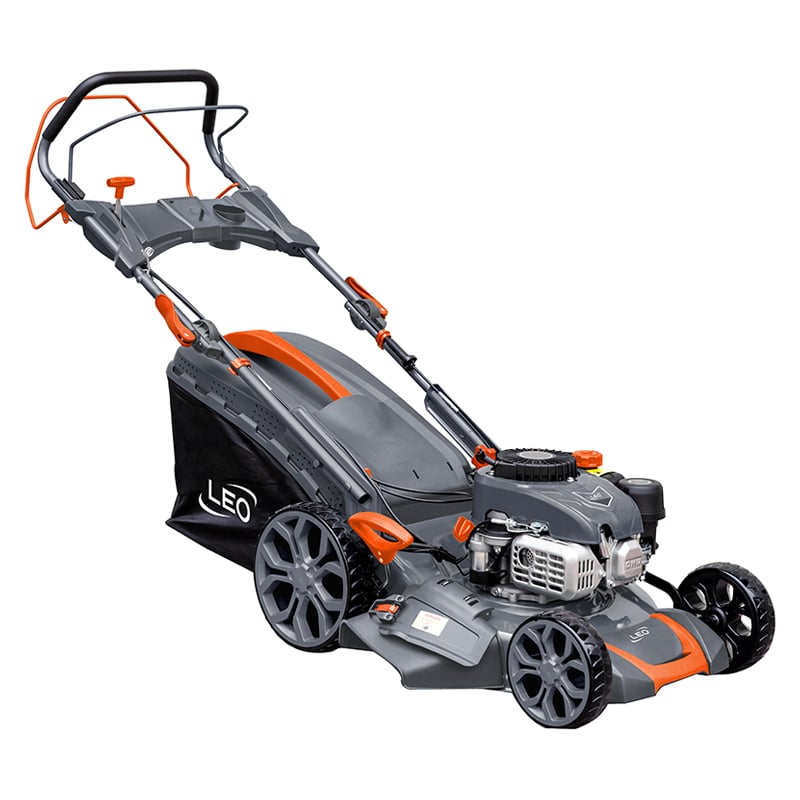
For a compact area, a walk-behind lawn mower with a modest cutting width is often easier to store and maneuver than a large machine. A corded model can suit a lawn within safe reach of an appropriate outdoor power supply; keep the cord clear from the blade and follow the manufacturer's electrical guidance. A cordless model removes the trailing cable, but check the runtime under realistic conditions and whether the battery and charger are included.
If the lawn is cut regularly and growth is light, paying for the largest available motor may add weight without a useful gain. A smaller deck takes more passes, so balance storage and handling against the time you want to spend cutting.
Medium lawns and mixed layouts
For a larger garden, compare a wider walk-behind lawn mower with one that has enough usable runtime or fuel capacity for the route. Ask whether the stated coverage applies to the battery supplied and whether the estimate assumes dry, regularly maintained growth. A spare charged battery or a planned pause may be more practical than buying a substantially heavier machine.
Self-propulsion can reduce the effort of moving a lawn mower over longer distances, but the drive system also needs energy. Check the available speed settings and whether the machine remains comfortable to turn. Compare the total work, not just the headline yard size on a package.
Large or open areas
On a broad, open lawn, a wider deck and a ride-on lawn mower may reduce the number of passes. More cutting width also means more load when the blade meets dense growth, so assess deck width alongside the machine's rated working area and engine performance. The appropriate machine depends on the layout, mowing frequency and the operator's ability to use it safely.
Ride-on machines need room to turn, access through entrances and suitable storage. On a fragmented property, a walk-behind lawn mower may still be easier to use. Check the manufacturer's slope limits; do not assume a larger machine is suitable for every incline.
Understand power, cutting width and reserve
Petrol engine displacement describes cylinder volume, not the actual cutting output on its own. For electric machines, voltage describes the electrical system; it does not by itself show how long a battery will last or how a particular deck will cut. Compare the manufacturer's rated output and coverage where available, using the same units and test conditions. Battery capacity, cutting width, drive assistance and load all affect the result.
Consider mower power as reserve for the demanding parts of a job. Taller or damp growth, a full collection bag and uneven terrain can increase load. A lawn mower that manages a short, dry lawn may slow down when the same area is overgrown. If cutting becomes difficult, raise the cutting height, reduce the width of each pass and follow the manual rather than forcing the machine.
Routine care matters too. A clean deck and a properly maintained, well-maintained blade support a consistent cut. Stop the machine, disconnect its power source and follow the manual before inspection or maintenance. A higher rating is not a substitute for safe maintenance or suitable operating conditions.
Adjust the choice for real conditions
- Growth and frequency: Thick growth or longer intervals between cuts make a lawn mower work harder. The University of Illinois Extension advises removing no more than one third of the leaf height at a single cutting; plan staged cuts if growth is long.
- Terrain: Uneven ground and slopes affect traction and operator control. Read the slope instructions for the particular lawn mower and avoid wet or unstable footing.
- Obstacles: Trees, beds and narrow passages make maneuverability as important as cutting width. Leave room for turning and avoid driving close to drop-offs.
- Clippings: Collecting, mulching or discharging may change the load and the number of stops. Confirm which options the machine actually supports.
- Time and energy: A larger yard size may call for more battery capacity, refueling or a wider deck; compare the full task rather than a single specification.
A practical equipment selection checklist
Before choosing a lawn mower, write down the mowable area, narrowest access point, slope conditions and your usual cutting interval. Decide whether you will collect clippings and how long you can comfortably work in one session. These details give a dealer or supplier a clearer brief than the property size alone.
Then compare the proposed lawn mower's deck width, power-source requirements, stated coverage, weight, drive assistance and maintenance needs. Request the manual and ask what assumptions sit behind any coverage figure. If a battery model's claimed coverage is based on light conditions, ask how capacity changes for your routine and whether an additional battery is compatible.
Choose a machine that fits both the ordinary cut and the more demanding parts of the route, without overlooking access or safety. A careful equipment selection balances yard size with mower power, handling and the conditions the lawn mower will actually face.
 Hot News