
 EN
How Proper Equipment Selection Improves Landscaping Productivity?
For a commercial crew, landscaping equipment is not simply a purchase list. It is the working system that determines whether people can move through a route without repeated setup, rework, delays, or fatigue. A mower that suits the site, a trimmer that matches the edging load, and a blower that is easy to stage can help a team keep attention on the property instead of on the tools. The most useful question is not “What is the biggest machine available?” It is “What lets this crew complete its recurring work safely and consistently?”
That distinction matters because productivity in commercial landscaping is a chain: job planning, transport, equipment setup, operation, cleanup, inspection, and maintenance. A weak link in any one of those stages can slow the day. Good tool selection helps make the chain more predictable.
Start With the Work Pattern, Not the Product Category
Many equipment decisions begin with labels such as mower, blower, tiller, or branch cutter. Those labels are useful, but they do not describe the actual job. Before comparing landscaping equipment, map the work that repeats most often on a route. Note the property size, terrain, grass condition, access points, trimming detail, debris volume, travel distance, and the number of operators assigned to each stop.
For example, a crew handling open lawn areas has different needs from a crew that spends most of its day on narrow residential gates, sloped courtyards, or municipal edges. The right combination may include a primary cutting machine for open areas and compact tools for detail work. Choosing one general-purpose unit to force through every task can create bottlenecks at exactly the points where a schedule is tight.
This work-first approach also makes tool selection easier to explain to buyers, supervisors, and operators. Each item needs a defined purpose: primary production, detail finishing, cleanup, seasonal work, or backup capacity. When every tool has a job, it is easier to see where duplicate capability is helpful and where it only adds cost, transport weight, and maintenance work.
Match Capacity to the Crew’s Real Throughput
Capacity should be judged in context. More power, a larger cutting width, or a larger collection volume can be useful, but only when the property layout, crew skill, trailer space, and daily workload allow that capability to be used. Oversized landscaping equipment can be difficult to move between sites or through restricted access. Undersized equipment can leave crews repeating passes, stopping for refueling or charging, and extending finishing time.
A practical comparison uses three questions:
- How much work must the tool complete in one visit? Consider area, density, debris, and the required finish standard.
- How often does that work recur? A task that occurs every day or every route deserves more careful capacity planning than an occasional task.
- What happens around the tool? Include loading, unloading, setup, cleanup, and operator handoff rather than judging only the time when the engine or motor is running.
This is where commercial landscaping benefits from a simple route-level trial. Test a prospective equipment setup on representative sites, track the full work sequence, and collect operator feedback. The goal is not to chase a universal output number. It is to determine whether the setup reduces avoidable motion and supports consistent quality on the properties the crew actually services.
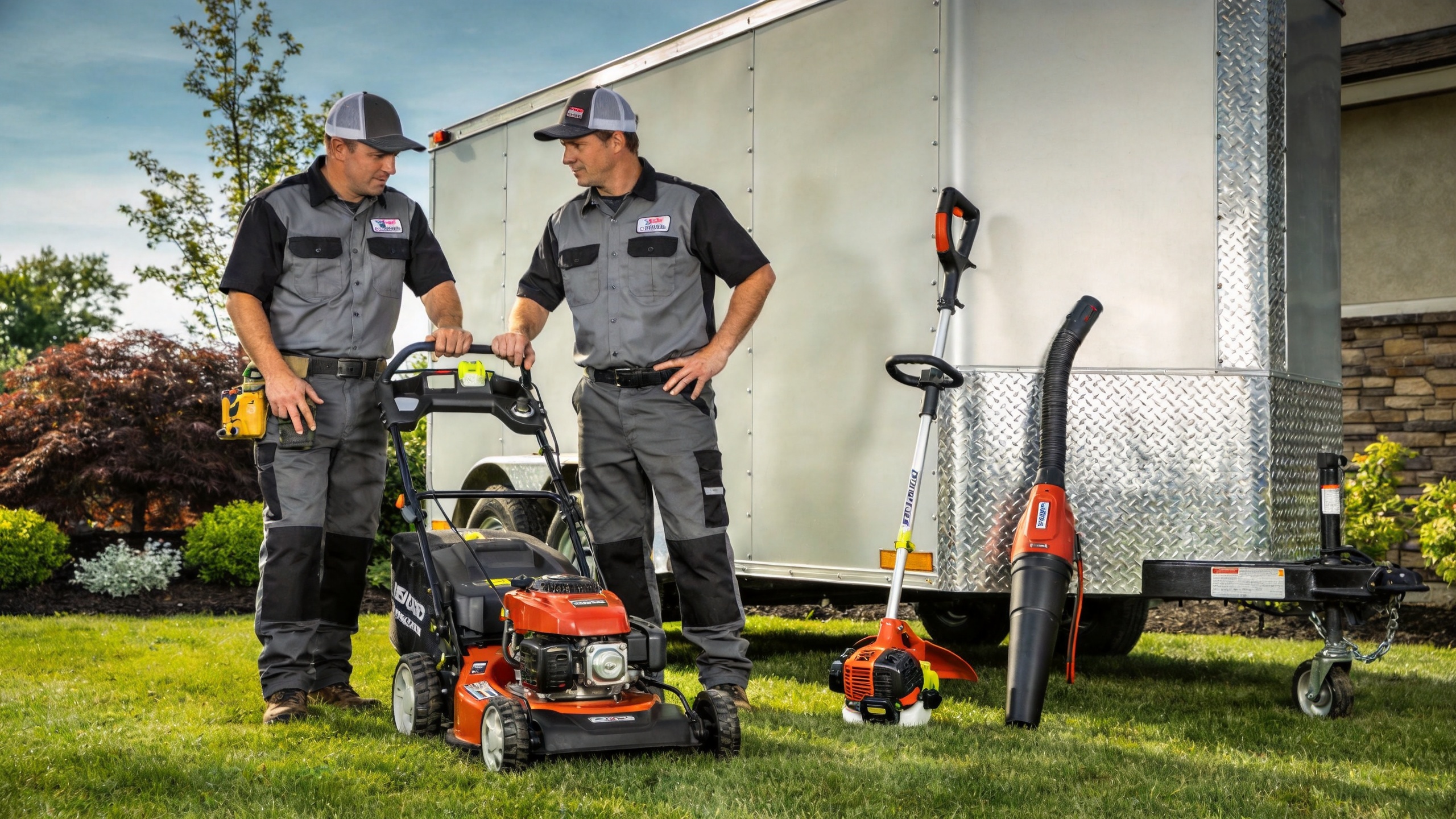
Choose Equipment That Fits the Site and the Operator
Landscaping equipment influences output through usability as much as through rated performance. Controls, balance, visibility, start-up procedures, vibration, storage position, and routine adjustments affect how confidently an operator can work over a full shift. If a machine is awkward to maneuver in the places where work is concentrated, its theoretical capacity may not become practical capacity.
Operator fit is also a safety and training issue. In the United States, OSHA identifies requirements related to portable powered-tool guarding under 29 CFR 1910.243 and training under 29 CFR 1910.332 for landscape and horticultural services. Local requirements may differ, but the operational lesson is widely useful: a tool is only productive when the assigned person is trained to inspect, use, and shut it down correctly.
Build training time into the selection decision. Ask whether new operators can learn the controls, whether daily checks are clear, and whether the tool can be assigned consistently to the people who use it. That reduces preventable mistakes and helps a crew maintain a repeatable standard across jobs.
Look Beyond Purchase Price to Uptime
The purchase price of landscaping equipment is visible. Lost time is less visible, yet it can be more disruptive. A tool that is hard to inspect, difficult to clean, or slow to service may interrupt the schedule at the worst possible moment. For this reason, productivity should include serviceability: access to routine wear points, availability of appropriate maintenance support, storage needs, and the crew’s ability to carry out daily care.
Industry maintenance guidance commonly emphasizes preventive schedules, pre-use inspections, service records, and close attention to wear components such as belts, filters, hoses, fittings, and switches. One industry source suggests short equipment audits between jobs; the exact routine should fit the crew and equipment, but the principle is sound. Small checks can surface a loose component, clogged filter, or damaged cutting part before it turns into a route-stopping problem.
When comparing options, ask suppliers and internal maintenance staff practical questions: What needs checking daily? Which parts wear first? How is debris cleared? What service intervals are recommended? Who will perform the work? Answers to those questions help commercial landscaping teams choose tools that they can maintain consistently, not merely tools that look capable in a catalog.
Create a Balanced Equipment Mix Instead of a One-Tool Answer
A productive fleet is usually a coordinated mix. Primary machines carry the main workload, while handheld tools, detail equipment, and backup units protect the finish standard and reduce disruption when conditions change. The mix should reflect the season as well. A route that emphasizes mowing at one time of year may later require more debris handling, pruning, soil preparation, or water-management tasks.
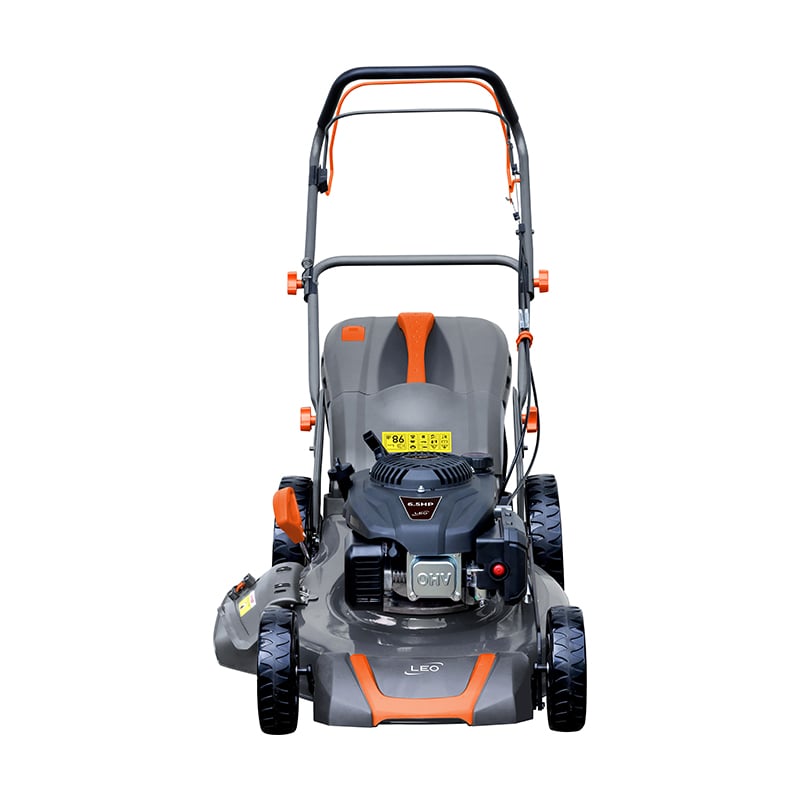
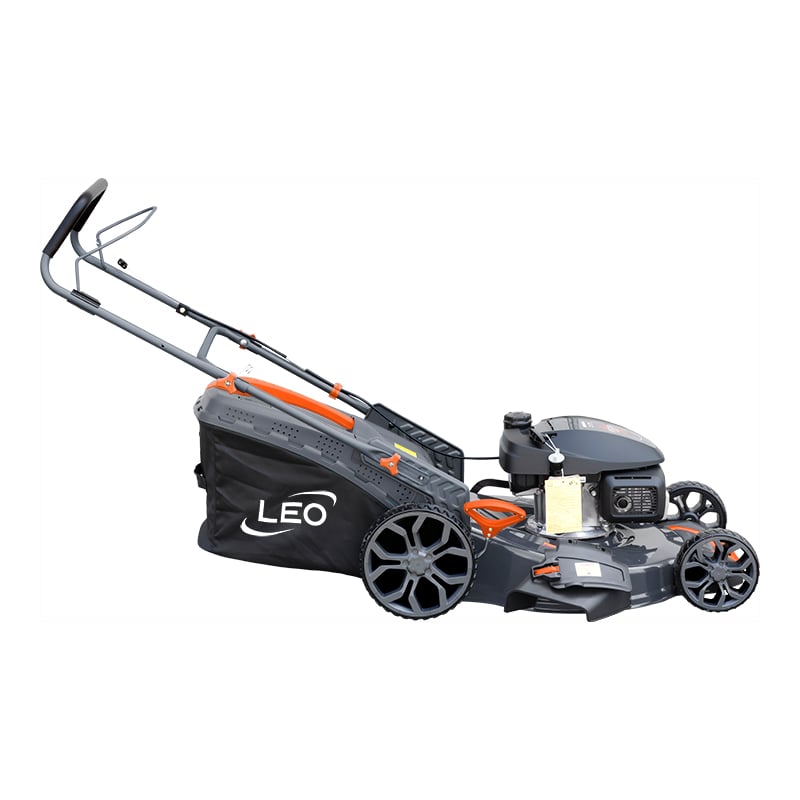
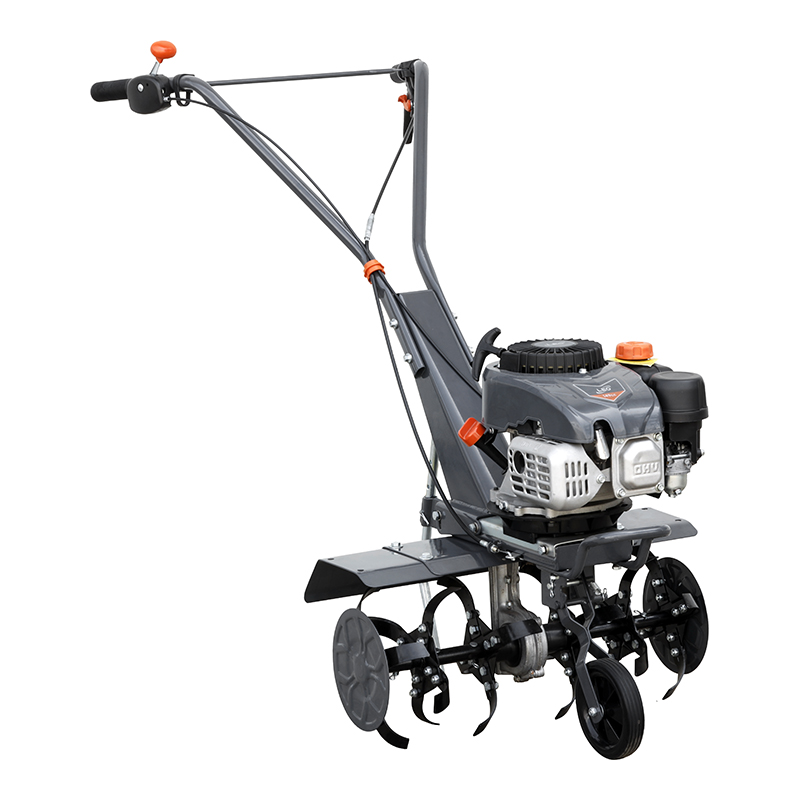
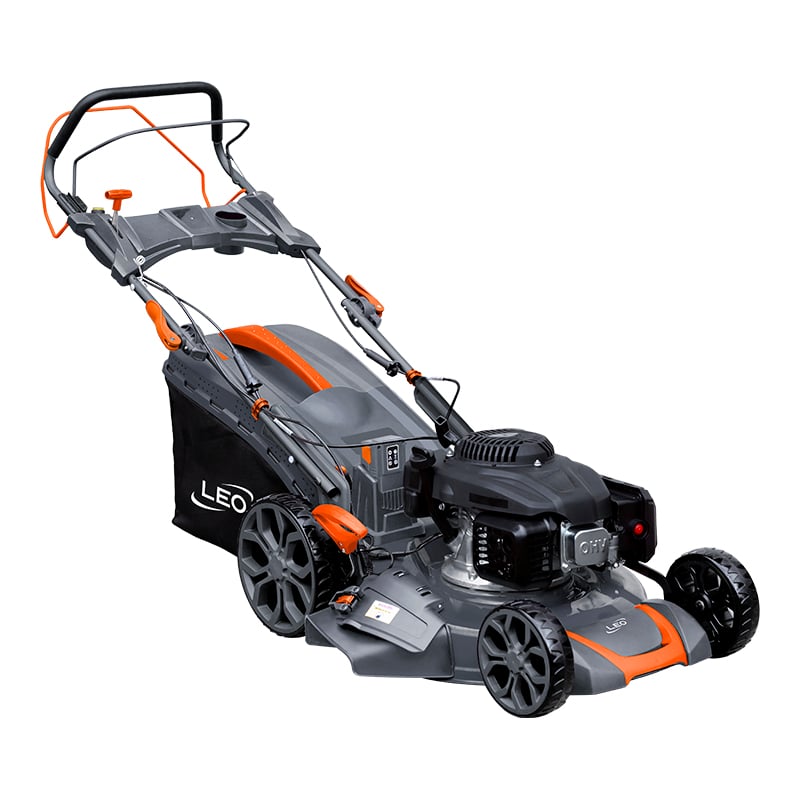
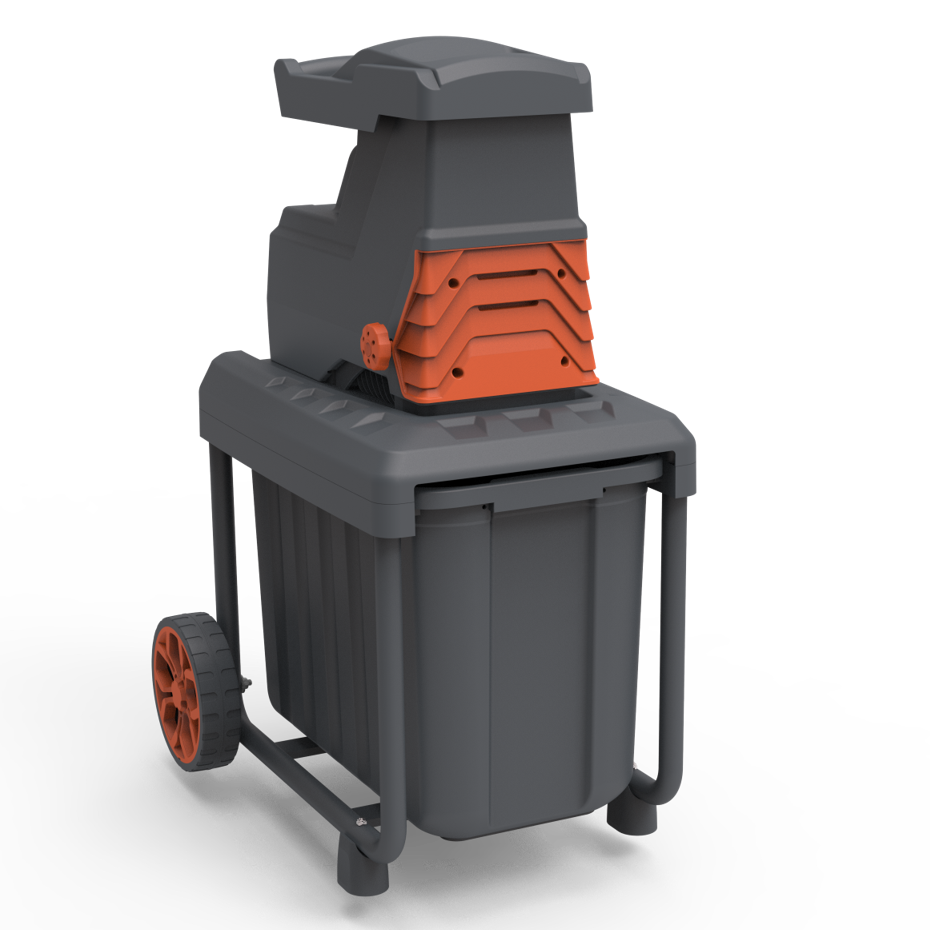
Zhejiang Leo Garden Machinery Co.,Ltd focuses on garden machinery categories that include lawn mowers, ride-on lawn mowers, branch cutters, tillers, and gasoline water pumps. For a buyer evaluating a broad garden-machinery portfolio, the useful comparison is not a claim that one category solves every job. It is whether the available categories can be matched to a defined work sequence and maintained as part of a coherent crew system.
Consider keeping a decision matrix with the following columns:
| Decision area | What to evaluate | Operational question |
|---|---|---|
| Task fit | Primary and detail applications | Which recurring task does this tool complete better than the current option? |
| Site fit | Terrain, access, and property layout | Can the crew move and use it where the work happens? |
| Crew fit | Controls, training, and handoff | Can assigned operators use it safely and consistently? |
| Uptime fit | Daily checks, cleaning, and service support | Can the team keep it ready through the route? |
| Transport fit | Trailer space, storage, and staging | Does it add or remove friction between properties? |
Use a Short Field Trial Before Standardizing
Well-grounded tool selection decisions are tested in normal conditions. Select a small number of representative properties, define the expected work sequence, and let trained operators use the equipment with their usual loading and cleanup routine. Record observations rather than relying only on first impressions: setup time, maneuverability, finish quality, fatigue, interruptions, and end-of-day care.
After the trial, review the result with the people who schedule, operate, transport, and maintain the equipment. This cross-functional review often catches issues that a single buyer cannot see, such as a trailer-layout conflict or a repeated cleaning step that lowers productivity. It also creates a clear case for standardization when a selection genuinely improves the workflow.
Turn Equipment Choices Into a Repeatable Process
Proper landscaping equipment selection improves results when it becomes a disciplined process rather than a one-time purchase. Start with recurring work, match capacity to real throughput, include operator fit and serviceability, trial the setup on representative sites, and document the reasoning. Review the mix as route density, seasonal tasks, crew experience, and property requirements change.
For commercial landscaping teams, this process makes equipment a source of operational stability. The right tools do not eliminate every delay, but they can reduce avoidable friction, support safer daily habits, and help crews deliver a consistent finish from the first property to the last.

 Hot News