
 EN
How Does Low Noise Technology Improve Garden Equipment Experience?
A quiet garden is easier to enjoy, but quieter machinery offers more than a pleasant backdrop. Low noise technology can change when people use garden equipment, how long they are comfortable operating it, and how readily they can stay aware of what is happening around them. For homeowners, grounds teams, and equipment dealers, the practical question is not simply whether a machine sounds quieter. It is whether its silent operation supports the workload without creating a new limitation in power, runtime, or control.
From a garden-machinery evaluation perspective, sound should be considered alongside cutting performance, battery capacity, vibration, maintenance needs, and the size of the job. A quieter machine will not automatically fit every property equally well. Still, well-designed electric tools and low-noise mechanical systems can make routine garden work more approachable and more comfortable.
Why noise changes the experience of garden equipment
Traditional engine-driven garden equipment can dominate the sensory environment. The sound of an engine, airflow, blades, and material processing competes with conversation, traffic awareness, and the ordinary sounds of a garden. In a compact residential setting, that can encourage users to delay mowing, shredding, or trimming until they believe the timing will disturb fewer people.
Low noise technology reduces that barrier. It does not mean a tool is literally silent: cutting blades, fans, and the material being processed still make sound. Instead, it aims for meaningful noise reduction in the parts of the machine that create the most intrusive operating character. In practice, that can make a short maintenance task feel less like an event for the household or the street.
The value is especially clear when garden work is done frequently. A user may be more willing to collect light clippings, manage seasonal debris, or touch up a lawn when the task starts without the anticipation of harsh engine noise. That change in routine can matter as much as the headline sound level.
From a noisy task to a more flexible routine
Before low-noise options became common, many people treated outdoor maintenance as a block of time that had to be scheduled carefully. A mower or shredder was used when there was enough work to justify the disturbance. The result could be an overgrown lawn, a pile of branches waiting for the weekend, or a task postponed because children were nearby, a neighbour was home, or a conversation outdoors was underway.
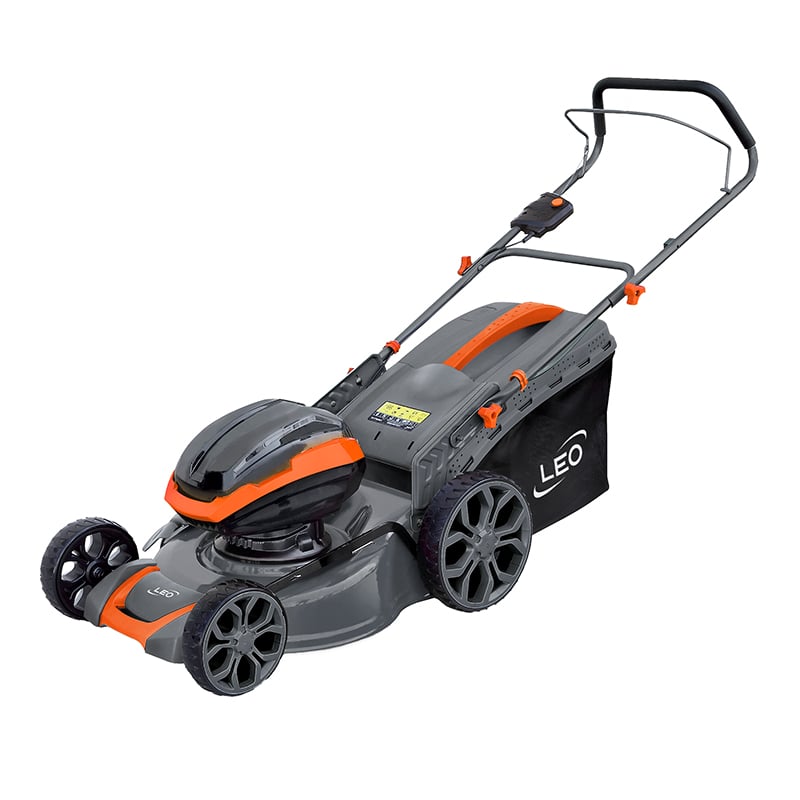
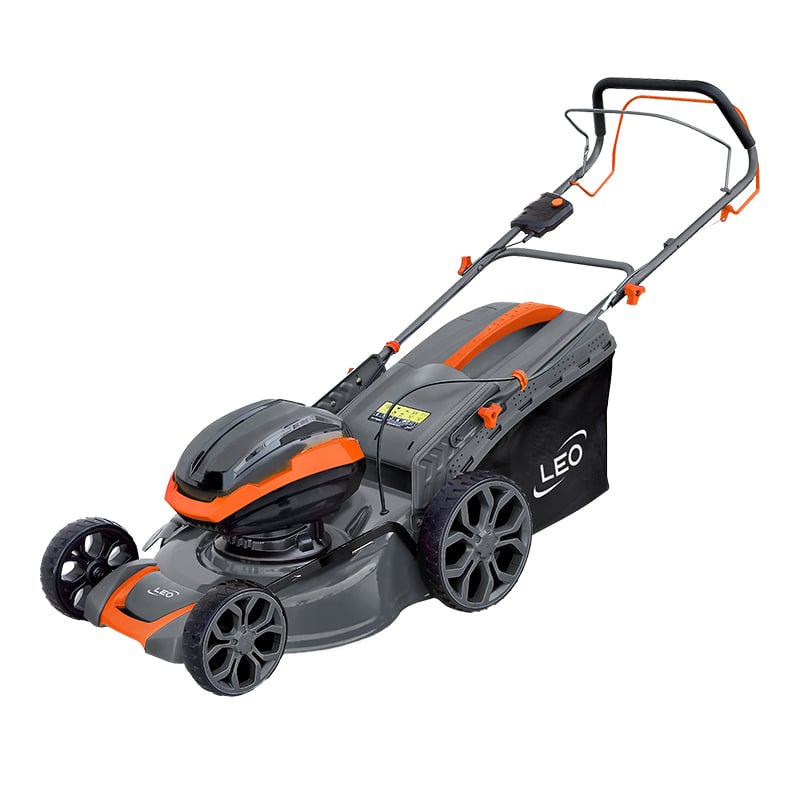
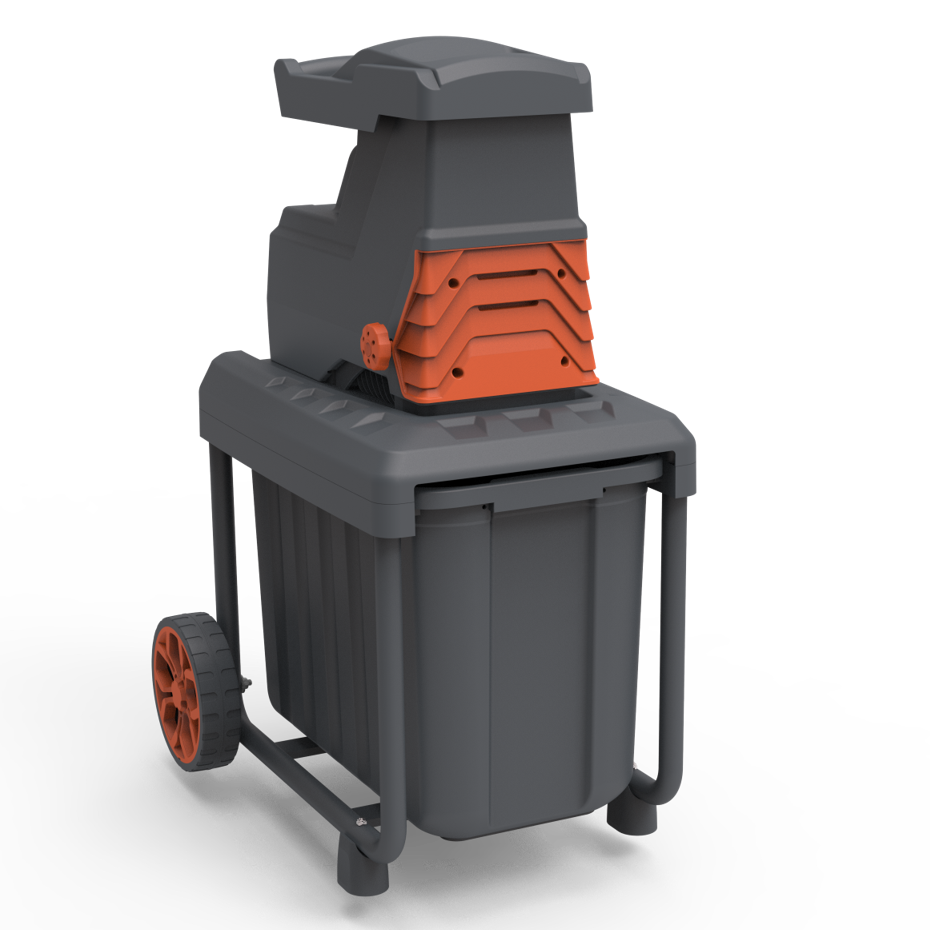
With better sound management, garden equipment can fit into smaller windows. A quieter cordless mower may be suitable for an early-evening trim; a low-noise shredder can make it easier to process a modest amount of pruning rather than allowing material to accumulate. That flexibility does not remove the need for considerate timing, but it does reduce friction around ordinary jobs.
There is a useful distinction here. Quietness is not the same as weak performance. The right machine should still be selected for grass height, branch diameter, garden area, terrain, and duty cycle. If a tool is undersized, the user may take longer to finish or overload it, which undermines the expected benefit. The aim is a balanced match between lower sound, usable output, and the real task.
 Lower-noise electric garden equipment can make regular maintenance feel less disruptive.
Noise reduction can support user comfort
User comfort is often discussed in terms of handle shape or machine weight, yet sound has a direct effect on the perceived effort of a task. A calmer acoustic environment can make operation feel less tiring, particularly during repeated work. It also makes it easier to speak with another person nearby without constantly raising your voice.
For professional or frequent operators, noise deserves particular attention as part of an overall safety routine. NIOSH recommends an exposure limit of 85 dBA averaged over an eight-hour workday and notes that allowable daily exposure time decreases as sound levels rise. That is not a product-rating shortcut or a residential rule; actual exposure depends on the sound level, duration, distance, surroundings, and hearing protection. It is, however, a useful reminder that lower operating noise can be a meaningful part of responsible equipment selection.
Comfort also involves vibration and control. A quiet motor paired with excessive vibration or poor balance will not deliver the experience users expect. When comparing garden equipment, look for a combination of sensible weight distribution, intuitive controls, appropriate handles, and a sound profile that lets the operator remain relaxed rather than tense.
Electric tools change the sound profile, not every decision
Many electric tools have an advantage in perceived noise because they do not rely on the same combustion process as petrol-powered equipment. That can make cordless or corded models attractive for lawns, light trimming, and other regular tasks in gardens where close neighbours or shared outdoor spaces are a concern. Less engine noise can also make it easier to notice changes in the machine, such as an unusual blade sound or a blockage.
But electric is not automatically the answer. I used to prioritise quietness above everything else. It took a while to realise that throughput capacity and runtime matter just as much in practice. A large, steep, or heavily overgrown site may demand longer continuous operation or greater reserve power than a compact battery-powered model provides. In that setting, a more suitable choice may be a different tool category, a larger battery system, or a workflow that divides the job into manageable sessions.
When comparing options, ask: how long does this task actually take in one session, what material will the machine face, and where will charging happen? Those questions keep noise reduction from becoming the only criterion. They also help buyers choose garden equipment that will be used consistently rather than stored after a frustrating first season.
How quieter operation improves awareness and neighbour relations
Low noise technology can improve awareness because the operator is not trying to work through a wall of engine sound. On a shared site or a garden near a pavement, it can be easier to hear someone approaching, a colleague calling out, or a change in the tool’s normal operating sound. This is not a substitute for safe procedures, but it can support a more controlled working environment.
Neighbour relations are another practical benefit. Even a well-maintained garden can become a source of tension if routine jobs regularly create an abrupt, high-intensity sound. Quieter garden equipment gives users more freedom to complete short tasks considerately. It should still be operated at reasonable times and according to local rules, but the lower acoustic footprint can make everyday maintenance easier to accommodate.
What to check before choosing low-noise garden equipment
- Understand the task: Match the tool to lawn area, terrain, material type, and expected session length.
- Compare the whole system: Consider sound, vibration, cutting or processing performance, battery capacity, charging plan, and maintenance requirements together.
- Check operating conditions: Dense grass, wet debris, thick branches, and slopes can alter both productivity and the sound a tool makes under load.
- Prioritise controllability: Comfortable grips, clear controls, and balanced weight help turn quiet operation into genuine user comfort.
- Plan for shared spaces: Use even low-noise equipment thoughtfully around neighbours, pets, visitors, and public areas.
The practical outcome: garden work that is easier to start
The strongest benefit of low noise technology is not that it makes every gardening task effortless. It makes well-matched garden equipment less disruptive and, for many users, easier to reach for. Quieter operation can support better user comfort, more flexible maintenance routines, clearer awareness of the work area, and a calmer relationship with nearby households.
For smaller and regularly maintained spaces, electric tools can be an especially compelling route to that experience. For larger or demanding work, the decision needs more context: power, runtime, terrain, material, and service support still matter. Choose the machine around the job, then treat silent operation and practical noise reduction as qualities that help the right tool earn its place in the garden.
 Hot News