EN
Why Are Lithium Ion Lawn Mowers Becoming Popular in Europe and North America?
A quick start, no fuel can to store and no trailing power cable: these practical differences help explain interest in the lithium ion lawn mower across Europe and North America. They do not mean every buyer should switch. The useful question is whether the machine, battery and charging routine fit the lawn and the working day.
For households, the appeal often begins with a simpler mowing routine. For dealers and professional buyers, it extends to battery availability, service arrangements and local rules. The reasons vary by market, and reliable region-wide sales figures are not established here, so popularity should not be mistaken for a uniform adoption rate.
Convenience has made cordless mowing easier to consider
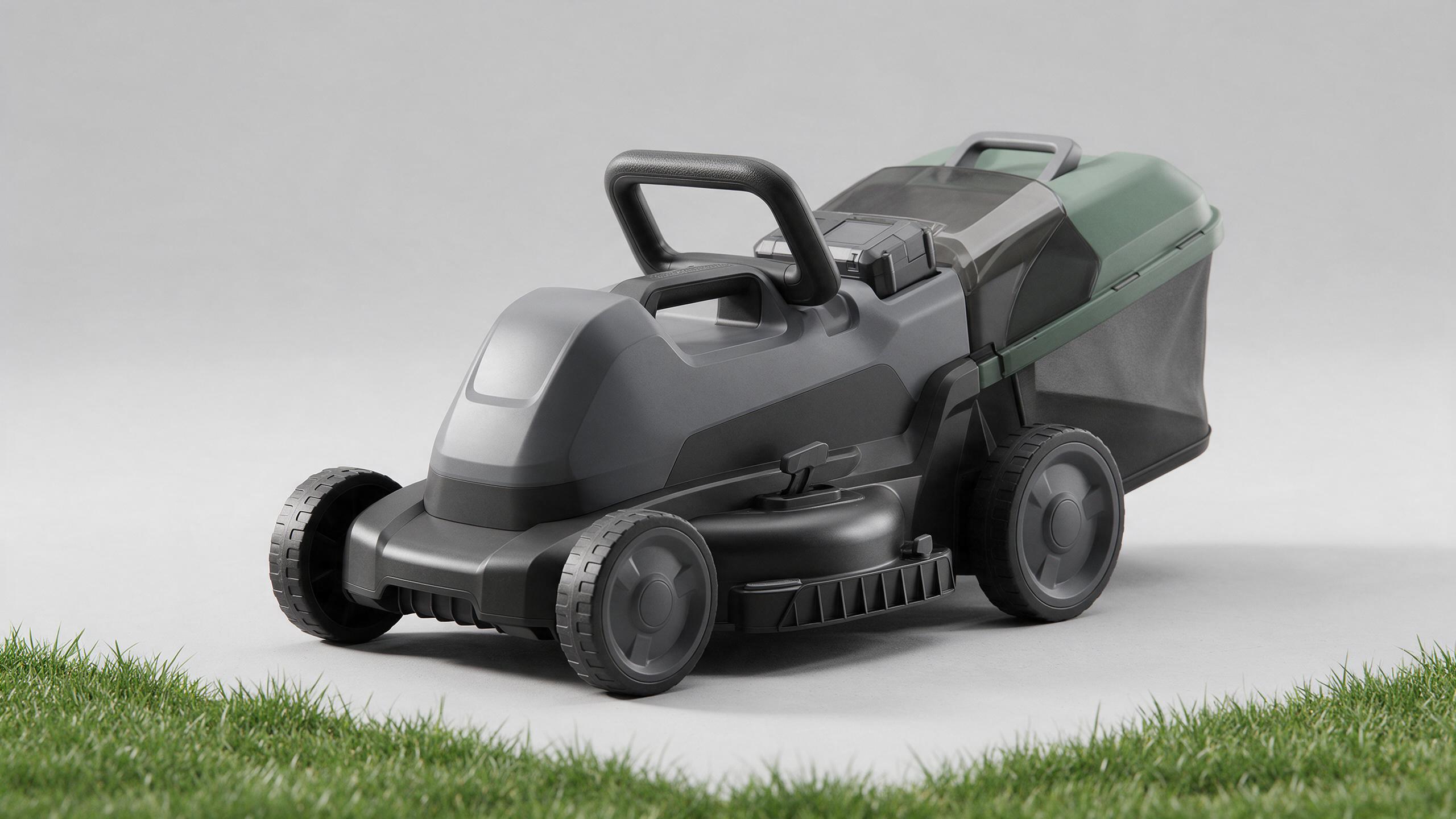
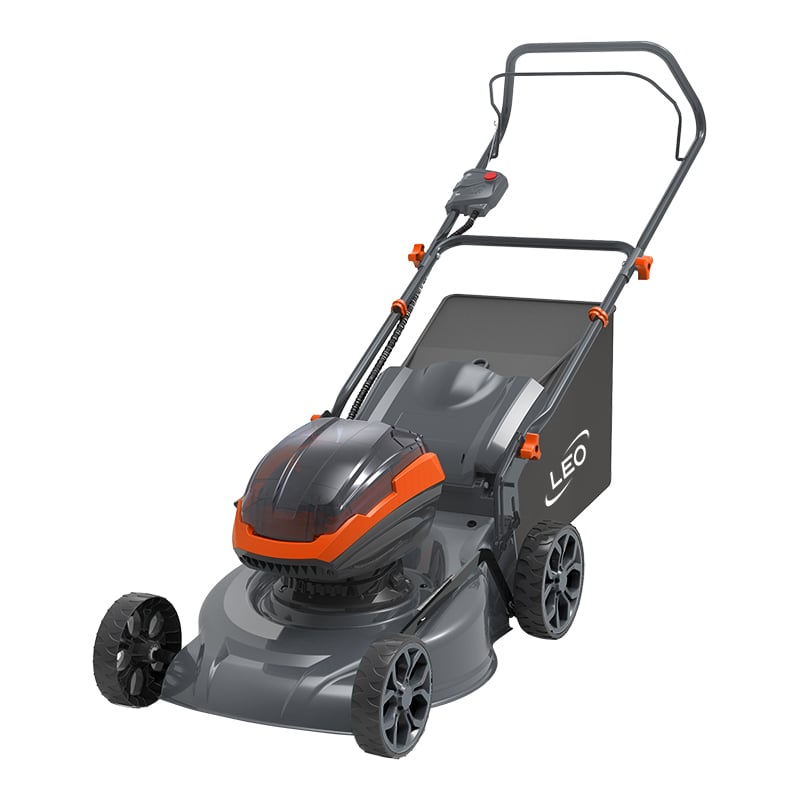
Unlike a petrol engine, a lithium ion lawn mower draws power from a rechargeable pack. There is no pull cord on an electric motor and no petrol to mix or refuel. A cordless layout also avoids managing an extension lead around borders, trees and paths. These advantages are most noticeable when a property has easy access to charging and the battery can finish the usual job.
That does not make the machine maintenance-free. Blades need inspection and sharpening, the deck needs cleaning, and wheels and controls still wear. Remove the battery and follow the machine manual before inspection or clearing clippings. A simpler routine can make electric gardening appealing, but the mower still needs ordinary care.
Noise, local air quality and practical expectations
A battery mower produces no engine exhaust while cutting. That matters to buyers who work close to homes, shared spaces or school grounds. Electricity generation and battery manufacture have their own environmental impacts, however, so zero exhaust at the point of use is not the same as zero lifetime emissions.
Many buyers also value a quieter operating experience. Actual sound depends on the blade, load and model, so compare the published noise information for the machines under consideration instead of assuming every cordless model is quiet enough for a particular neighbourhood. Local working-hour rules may apply regardless of power source. Hearing protection may still be appropriate; consult the instructions and assess the conditions.
Interest in eco friendly tools is therefore most useful when it leads to concrete questions: how long will the equipment be used, can its battery be replaced, and where can the pack be collected at end of life? These details make environmental claims more meaningful than a broad label.
What differs between Europe and North America?
Europe is not one single customer profile. A compact urban garden may favour a manoeuvrable deck and storage convenience; a larger property may place more value on runtime and drive assistance. Buyers also need clear information about battery collection and product support. The EU battery regulation sets producer collection targets for waste portable batteries of 63% by the end of 2027 and 73% by the end of 2030. These are targets, not measured collection rates or a statement that every mower battery has the same legal classification.
In North America, large and small properties create similarly varied requirements, and policy depends on location. California's Air Resources Board adopted rules requiring most new small off-road engines to meet zero-emission standards beginning with the 2024 model year. Scope and exceptions depend on the equipment and engine; this is not a blanket ban on using existing petrol mowers or a rule for all of North America. Buyers and distributors should check the current requirements for their location and machine.
Regulation is only one part of the market trend. Retail availability, the ability to try a machine, local repair support and confidence in replacement batteries can all influence a purchase. None by itself proves why an individual customer changes equipment.
Battery platforms change the purchase calculation
A lithium ion lawn mower may be offered with a battery and charger or as a tool-only unit. Some manufacturers use compatible packs across selected tools, but compatibility is platform-specific. Before buying, check the exact battery and charger combination accepted by the mower, the availability of spare packs and whether accessories are included in the quoted price.
Compare energy as well as voltage. A battery's approximate stored energy in watt-hours is its nominal voltage multiplied by its amp-hour rating. This figure helps compare packs, but it cannot predict a cutting time on its own: motor load, turf condition, drive system, temperature and the machine's efficiency all matter. A second pack may help maintain continuity, but only if charging time and battery rotation work for the actual schedule.
Consider a property with narrow passages and one long, open section. A wide deck may cover the open area quickly but be awkward around obstacles; a smaller deck is easier to steer but requires more passes. If the battery runs out before the last section, a lower purchase price may not compensate for an extra pack or a charging pause. Use a demonstration in representative conditions when possible, rather than relying on a single advertised coverage figure.
When is a lithium ion lawn mower a good fit?
It is often worth considering when charging is convenient, the lawn can be cut within the available battery capacity, and users value starting without petrol. It may suit repeated short jobs if charged packs can be swapped between visits. For larger areas, heavy growth or continuous commercial work, ask for a realistic run plan and the number of packs and chargers required. A petrol machine may remain more practical where refuelling infrastructure and long sessions matter more than cordless convenience.
Compare the full ownership package rather than just the initial machine price. Include the charger, any second pack, electricity or fuel, blade upkeep, expected replacement parts and access to a repair provider. Ask what happens if a battery model is discontinued. For a distributor, assess warranty handling and the availability of local service as well as the specification on the carton.
Storage and end-of-life planning
Battery care is part of the lawn care routine. Store packs in a dry place within the temperature range and charge level recommended by their manufacturer. Avoid charging a damaged pack, and follow the supplier's instructions if it becomes swollen, unusually hot or otherwise suspect. Keep batteries and chargers clear of combustible material and use only compatible charging equipment.
At end of life, do not put lithium-ion packs in household rubbish or ordinary recycling bins. The US Environmental Protection Agency recommends a designated battery collection or household hazardous waste point; elsewhere, check local collection arrangements. A retailer or service provider can explain how to prepare and transport a used pack safely.
Questions to ask before ordering
- Can the lithium ion lawn mower complete the intended area under normal and demanding conditions?
- What battery, charger and replacement blade are included, and which compatible parts are sold separately?
- How will the operator handle charging, storage and any spare pack?
- Is the deck width manageable around entrances, paths and obstacles?
- Who provides service, warranty support and battery collection in the destination market?
The shift toward electric gardening is easier to understand when these everyday details are considered together. A lithium ion lawn mower offers a credible alternative for suitable jobs, while runtime, cost, service and local requirements remain part of the decision. Choose the system around the work rather than choosing a power source first.
 Hot News