
 EN
How Weather Conditions Affect Lawn Mower Performance
A lawn mower can look perfectly capable in the garage and still cut poorly once the weather changes. Morning dew, a day of heavy rain, a heat wave, or a dry spell all alter the grass condition under the deck. That changes how much resistance the blade meets, how clippings move, how well the wheels grip, and how cleanly the lawn recovers. Understanding that weather impact helps you protect the machine, improve mowing efficiency, and make better lawn management decisions.
A practical way to assess garden machinery is to start with the lawn rather than the brochure. A lawn mower is not working against a fixed material: it is cutting living grass whose moisture, height, and stiffness vary from one day to the next. The most useful question is not simply “Can I mow today?” but “What will today’s conditions ask the mower to do?”
Why weather changes lawn mower performance
Every lawn mower relies on a balance of blade speed, airflow, traction, and available power. Weather can disturb all four. Wet blades of grass bend, stick together, and cling to the deck; dry grass can become brittle and dusty; heat can increase the load on an air-cooled engine or battery system; and wind can leave an uneven mat of clippings behind. None of these conditions automatically means a lawn mower has failed. They do mean that the same cutting height, travel speed, and mowing pattern may no longer produce the same result.
For practical lawn management, inspect the surface before starting. Look for standing water, wheel marks that would compress the soil, grass that is folding over from moisture, or unusually long growth after rain. Then check the mower itself: a clean deck, sharp blade, clear discharge path, and appropriate cutting height matter more when weather conditions are demanding.
Wet grass: the biggest test of mowing efficiency
Wet grass is usually the condition that exposes a lawn mower’s limitations most quickly. Moist clippings are heavier than dry clippings and tend to gather below the deck instead of circulating freely. This can reduce airflow, cause clumps on the lawn, leave strips of uncut grass, and force a lawn mower operator to slow down. A bag may fill less evenly, while a mulching setup can leave visible deposits rather than fine fragments.
Safety matters as much as cut quality. Wet turf reduces traction, particularly on slopes. The U.S. Consumer Product Safety Commission’s riding-mower guidance advises against mowing wet grass because tires may lose traction. That is a useful reminder for any lawn management routine: if footing or wheel control is questionable, wait for a drier window instead of trying to compensate with speed or force.
If a lawn mower must handle grass that is only lightly damp rather than saturated, use a conservative approach. Raise the deck slightly, make a narrower pass, reduce ground speed, and stop to clear buildup only after the machine is fully shut down according to its manual. Do not reach beneath a deck or attempt to clear a blockage while the mower can start. More frequent cleaning may feel slower, but it can prevent a small clog from becoming a poor-quality cut or an unnecessary service issue.
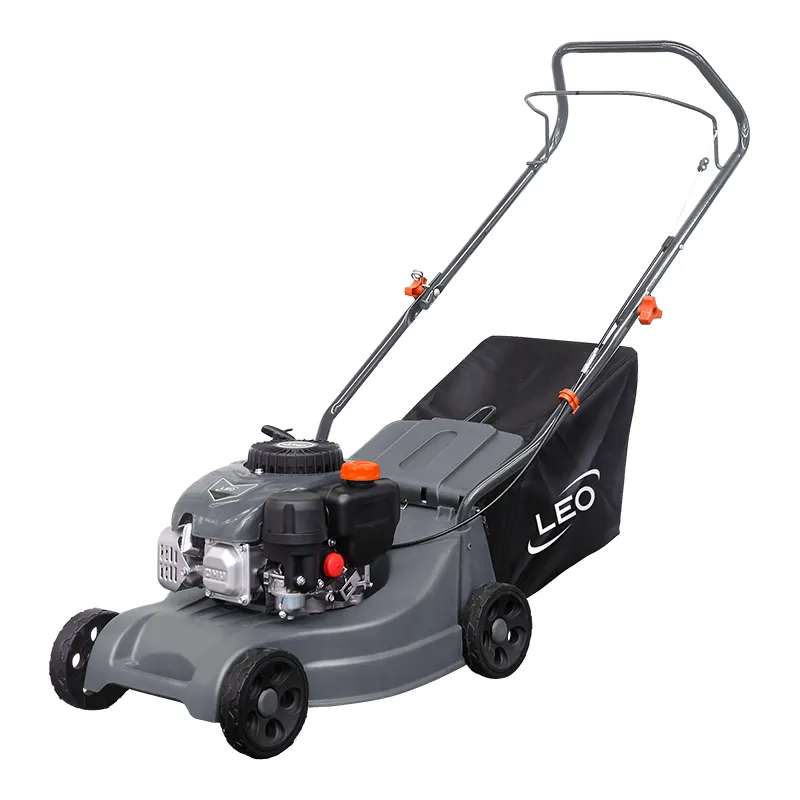 Damp grass can change traction, clipping flow, and cutting quality.
Rain and fast growth: avoid taking too much at once
Rain does more than make the surface wet. It often accelerates growth, which means a lawn mower may face taller, denser grass at the next available mowing opportunity. Cutting a large share of the blade in one pass can overload the mower and leave long clippings that smother sections of turf. It can also leave the lawn looking scalped even when the machine is functioning correctly.
A better lawn mower strategy after a rainy period is to divide the work into stages. Wait until the grass has dried enough for secure traction and cleaner discharge. Set a higher cutting height for the first pass, then return later if the lawn still needs refinement. This measured method supports mowing efficiency because the deck handles a more manageable volume of material. It also gives the grass condition time to recover instead of reacting badly to an abrupt, low cut.
Heat and drought: protect both turf and equipment
During hot, dry weather, a lawn mower may move through the grass easily, but the lawn itself can be under stress. Dry blades often stand differently and can show a rougher cut if the blade is dull. Dust can accumulate around cooling areas, filters, and the deck, so a lawn mower deserves a careful post-mow inspection. A clean machine has a better chance of maintaining airflow and operating normally during warm conditions.
For the lawn, mowing height becomes a lawn management tool. Leaving grass somewhat taller can shade the soil and reduce the immediate visual effect of drought stress. There is no single height that fits every lawn mower or grass type, so follow the equipment manual and local turf guidance. The practical principle is to avoid a dramatic low cut when the lawn is already dry, thin, or dormant-looking.
Heat also calls for a calmer operating pace. If a petrol lawn mower seems to lose power, or a cordless model’s runtime is noticeably shorter, pause and check for ordinary causes such as a clogged deck, dull blade, restricted ventilation, or grass that is thicker than it appears. Do not assume weather alone is the explanation; a repeatable loss of performance deserves maintenance attention.
Cool weather, dew, and morning timing
Cool mornings can be ideal for the operator, but dew still affects a lawn mower much like light rain. The difference is often one of degree. A quick touch test can help: if moisture transfers readily to your shoes and the grass bends over in clumps, waiting may give you a cleaner result. If the surface is nearly dry and the mower has a sharp blade and clear deck, a lawn mower may cut acceptably with a slower walking pace and a higher initial setting.
Conditional judgment matters here for mowing efficiency. A small, flat lawn with short grass may tolerate light dew better than a large, sloped lawn that has grown quickly. Likewise, a lawn mower with a collection system may behave differently from a mower used for mulching. The conditions—not a calendar date alone—should guide the decision.
Wind, debris, and uneven clippings
Wind rarely stops a lawn mower outright, yet it can change the finish. Gusts can push discharge material into lines, move leaves into the cutting path, and make dry clippings scatter unevenly. Before mowing, walk the area and remove sticks, stones, toys, and branches. Then choose a direction that keeps clippings away from paths, vehicles, and people. This simple preparation improves lawn mower safety and makes cleanup more predictable.
Strong wind can also hide patches of flattened grass. If the lawn looks striped or uneven after a pass, check whether wind or moisture is laying grass down rather than immediately blaming the mower. A second pass from a different direction, once conditions allow, is often more sensible than lowering the deck aggressively.
A weather-aware pre-mow checklist
- Assess the grass condition. Check for standing water, slick slopes, tall growth, dust, and debris.
- Choose timing over urgency. Delay mowing when wet turf compromises traction or when heat and drought make a close cut unwise.
- Set the lawn mower for conditions. Use a higher setting and slower pace when grass is tall, damp, or dense.
- Inspect the cutting system. A sharp blade and clean deck help the lawn mower manage wet or heavy material more consistently.
- Review the result after one pass. If clumps, streaks, or missed grass appear, stop and adjust the plan rather than repeatedly forcing the mower through.
When weather reveals a maintenance problem
Weather can make normal limitations more visible, but it should not be used to explain every issue. If a lawn mower repeatedly stalls in average grass, leaves the same uncut strip in dry conditions, vibrates unusually, or produces a ragged cut even with a suitable height setting, inspect the blade, deck, drive system, and owner’s manual guidance. A qualified service technician is the appropriate next step if the cause is not obvious or safe to address.
The aim is not to make every lawn mower work in every weather condition; it is to match the job to the day. By treating weather impact and grass condition as part of routine lawn management, you can protect the turf, reduce unnecessary strain on the equipment, and maintain reliable mowing efficiency across the season.
 Hot News