
 EN
How to Select Garden Machinery According to User Requirements?
Selecting garden machinery is easier when you begin with the job rather than the catalogue. A compact courtyard, an uneven family lawn, a large estate and a contractor’s weekly route place very different demands on garden machinery. The aim is not to find one universally suitable machine. It is to match the tool, power source, capacity and support plan to the work that must be completed.
As a garden machinery technical consultant, I start with the same question: what conditions will the machine face every time it is used? That question prevents a common equipment choice mistake—buying for a headline specification while overlooking terrain, workload, storage, operator confidence and maintenance capacity. Before comparing garden machinery, write down your application needs in practical terms.
Start with the work, not the machine category
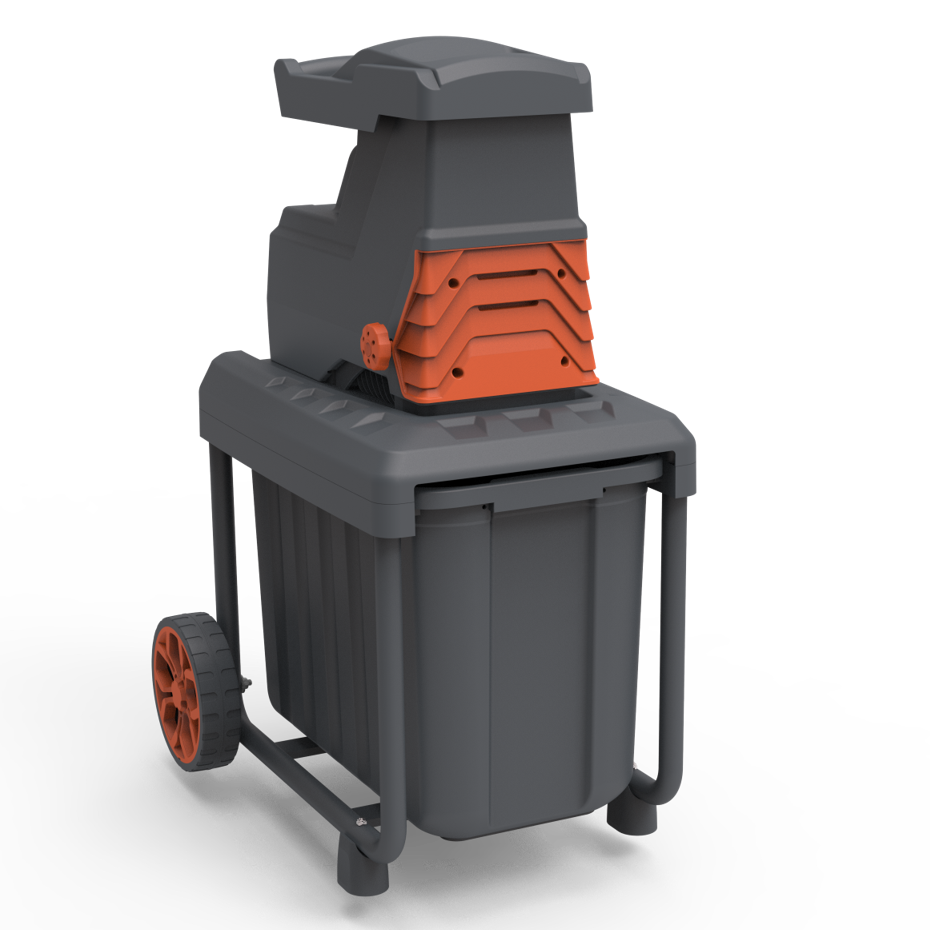
Define the recurring task before you compare garden machinery. List the area to be maintained, the material to be cut or processed, the frequency of work and the result you expect. A mower is selected differently for a small, flat lawn than for a large plot with slopes, trees and dense seasonal growth. Likewise, a shredder for light pruning waste is not the same equipment choice as a unit expected to process regular volumes of woody material.
- Area and access: Measure the working area and note gates, narrow paths, turning points and storage access.
- Terrain and surface: Record slopes, uneven ground, wet areas and obstacles. These affect stability, traction and manoeuvrability.
- Material and finish: Consider grass density, branch type, debris volume and whether collection, mulching or discharge is required.
- Use frequency: Occasional domestic work and daily commercial work require different garden machinery durability and service plans.
- Operator factors: Weight, starting method, controls, noise and vibration can determine whether garden machinery is practical for the intended user.
This assessment converts vague application needs into criteria you can test. It also reveals when one piece of garden machinery cannot reasonably do every job. For example, routine lawn care and seasonal pruning waste may call for separate tools rather than an overloaded compromise.
Match garden machinery to the power source
Power source should follow the workload. Cordless garden machinery can suit users who value cable-free movement, lower routine engine maintenance and a more straightforward start-up process. It is often practical for regular residential work when the battery system, charging routine and expected session length fit together. The important check is not simply battery voltage; confirm the expected task duration, availability of spare batteries and whether the platform supports the other tools you plan to use.
Mains-electric garden machinery can make sense near a reliable power source where the work area is manageable and cable handling is safe. It is less convenient where obstacles, long distances or frequent repositioning turn cable management into the job itself.
Petrol garden machinery remains a practical equipment choice for extended workloads, larger areas and demanding conditions where refuelling flexibility matters. That does not make it the automatic answer. Petrol equipment adds fuel handling, routine engine maintenance, storage requirements and noise considerations. If you are comparing garden machinery for European markets, verify the compliance documentation, noise information and local requirements that apply to the exact product category and country.
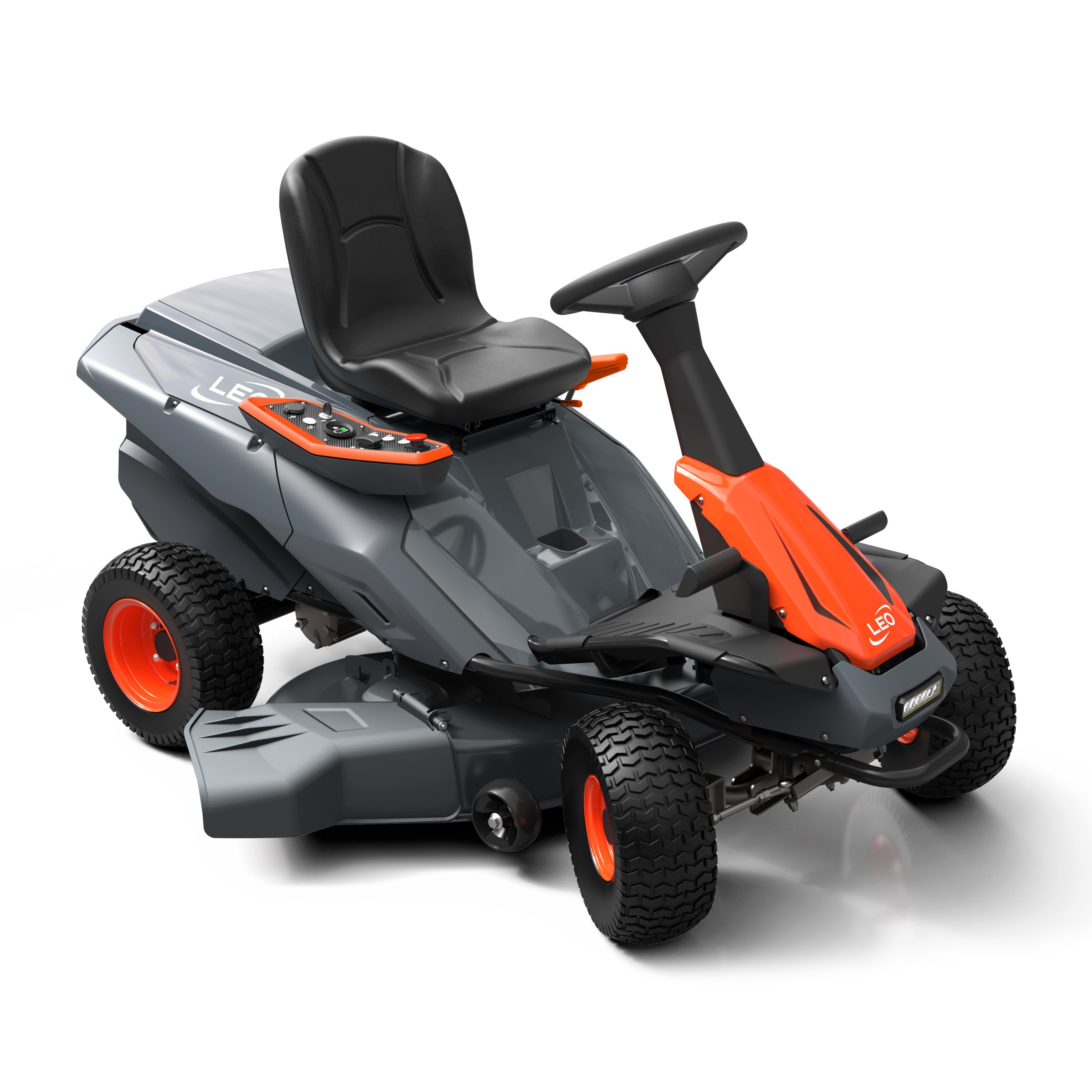
For very large, open areas, ride-on garden machinery may reduce walking time and operator fatigue. Yet a ride-on machine is only sensible when access width, turning space, slope suitability and safe storage have all been checked. A large machine in a restricted layout can create more finishing work, not less.
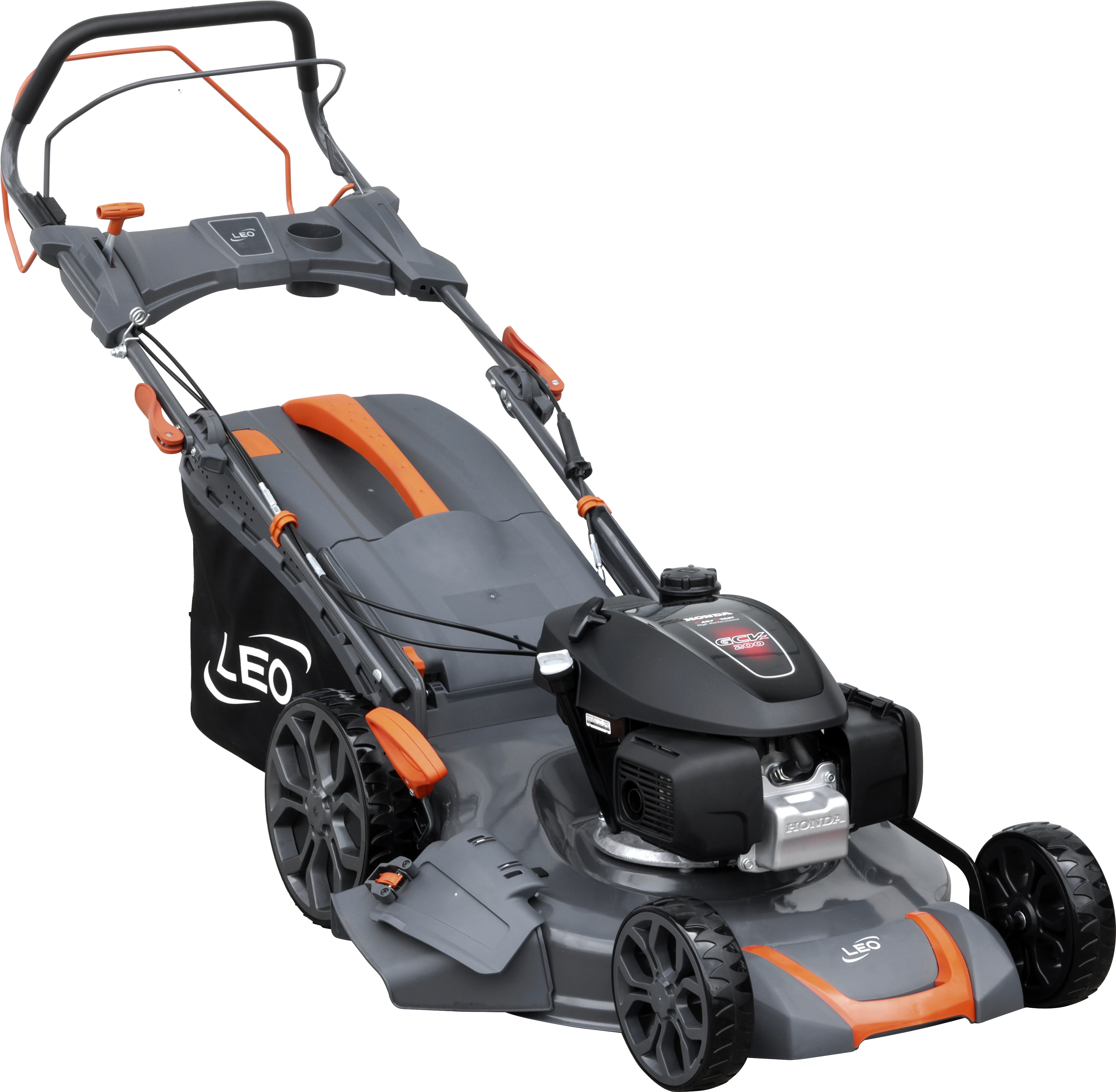 Compare garden machinery against the site and workload before choosing a power source.
Use an equipment choice matrix for common scenarios
| User requirement | Garden machinery priorities | Questions to verify |
|---|---|---|
| Small or medium residential garden | Manoeuvrability, storage footprint, simple controls, noise level | Can the machine pass through gates, fold for storage and complete the usual task in one session? |
| Large lawn or rural property | Coverage capacity, runtime or refuelling, traction, collection options | Does the cutting width match the open area without becoming awkward around obstacles? |
| Dense growth or mixed terrain | Appropriate cutting system, drive assistance, robust construction, safe handling | Is the machine specified for the actual terrain and vegetation, not only a tidy demonstration lawn? |
| Professional or contractor use | Uptime, serviceability, parts access, operator comfort, total operating fit | Can the supplier support maintenance, consumables and repairs during the working season? |
The matrix is deliberately neutral. A cordless unit may be the better equipment choice for one user and a petrol unit for another. There is no universally right answer because garden machinery performance depends on the environment, workload and operating routine.
Professional solutions need a different buying standard
Professional solutions should be judged beyond capacity or purchase price. Contractors, grounds teams and distributors need garden machinery that supports predictable uptime. Ask about service documentation, maintenance intervals, consumable availability, spare-parts process and the route for technical support. A machine that looks suitable on day one but cannot be repaired quickly in season can create a far larger cost than the original saving.
For professional solutions, operator comfort is also a productivity issue. Repeated work makes control layout, vibration, manoeuvrability and transport weight more important than they may appear in a short demonstration. Garden machinery for a professional setting should be assessed against a full working day, not a five-minute test.
If you are sourcing garden machinery for resale or a multi-market operation, check documentation and packaging requirements early. Ask the supplier to confirm which documents and labels are available for the target market. Do not treat a generic statement of compliance as a substitute for reviewing the requirements for the specific machine and destination.
Check ownership requirements before buying
A sound equipment choice includes what happens after delivery. Before committing to garden machinery, confirm:
- Who will operate, clean and store the machine?
- What routine maintenance is required, and who will perform it?
- Which consumables or replacement parts should be stocked?
- How will batteries, fuel or electrical connections be managed safely?
- What warranty and local service route is available if the machine stops during peak season?
These questions are especially important where garden machinery will be shared by multiple users. The right machine is one that the team can operate safely, maintain consistently and return to service without avoidable delay.
Make the final selection with a short field checklist
Before placing an order, compare no more than two or three suitable garden machinery options against the same requirement list. Confirm the application needs, working area, terrain, power supply, desired result, operator skill, maintenance resources and service expectations. Then choose the model whose limitations you can accept—not merely the one with the longest feature list.
In practice, the most reliable equipment choice is usually the one that fits the normal day of work with some margin for change. Garden machinery should help users complete their intended task safely and repeatedly. When application needs lead the process, both home users and buyers seeking professional solutions can make a more confident, defensible decision.

 Hot News