
 EN
How to Maintain a Cordless Lawn Mower Battery for Longer Working Performance?
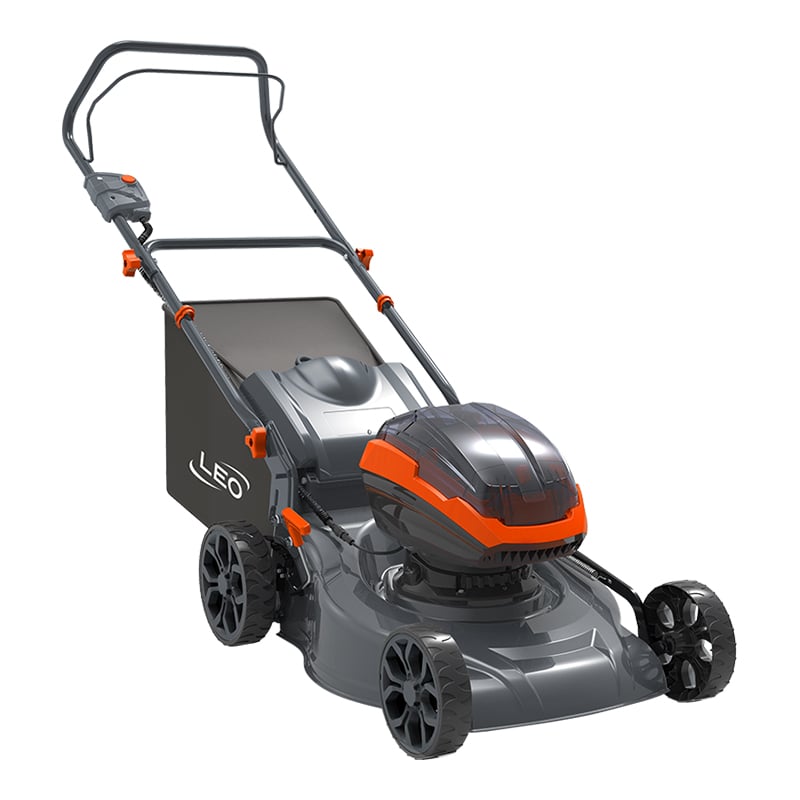
A cordless lawn mower performs reliably when its battery is treated as working equipment, not as an accessory to leave in the shed. The usual complaint is familiar: a mower that once completed the lawn begins to stop early in the season. Before assuming the pack has failed, look at the routine around it. Heat, dampness, deep storage discharge, dirty contacts, and rushed charging can all affect usable runtime.
As someone who has sold and serviced garden machinery for years, I would start with the owner’s manual for the exact battery and charger. Battery systems are not interchangeable, and a manufacturer’s instructions override general advice. That said, the habits below are a sensible maintenance framework for most lithium-ion cordless lawn mower systems.
Start with the right expectation for mower battery life
Mower battery life is not only a calendar-age question. A cordless lawn mower uses more energy in long, wet, dense, or overgrown grass than it does on a dry lawn kept on a regular schedule. A dull blade, an obstructed deck, a high cutting load, or self-propelled drive can also shorten the working time available from one charge. So, before blaming the battery, clean the deck, inspect the blade, and choose a cutting height that suits the grass conditions.
That distinction matters. If a cordless lawn mower used to finish a weekly cut but now struggles after the lawn has grown tall for two weeks, the change may be workload rather than battery health. Make a first pass at a higher setting, then lower the deck on a later cut if needed. It is a small operating adjustment that can protect both the pack and the mower motor from unnecessary strain.
Let the battery cool before you charge it
One of the most useful charging tips is also one of the easiest to ignore: do not charge a hot battery immediately after a demanding mow. Remove the pack from the cordless lawn mower, place it on a dry, non-flammable surface away from direct sun, and let it return toward room temperature before connecting it to the charger. If it feels unusually hot, wait longer and check the manual for the maker’s temperature guidance.
Use the original or manufacturer-approved charger for the battery platform. A charger is part of the battery-management system, not just a power lead. Keep its ventilation openings clear, plug it into a sound indoor outlet, and do not cover it while in use. These charging tips reduce the chance of heat building up around the pack and help you notice abnormal indicator lights or error codes early.
Do not try to force a charge when a battery is wet, damaged, swollen, cracked, or giving off an unusual smell. Stop using it, keep it away from combustible materials, and follow the brand’s service or recycling instructions. Good lithium battery maintenance includes knowing when not to continue.
Keep battery contacts clean and dry
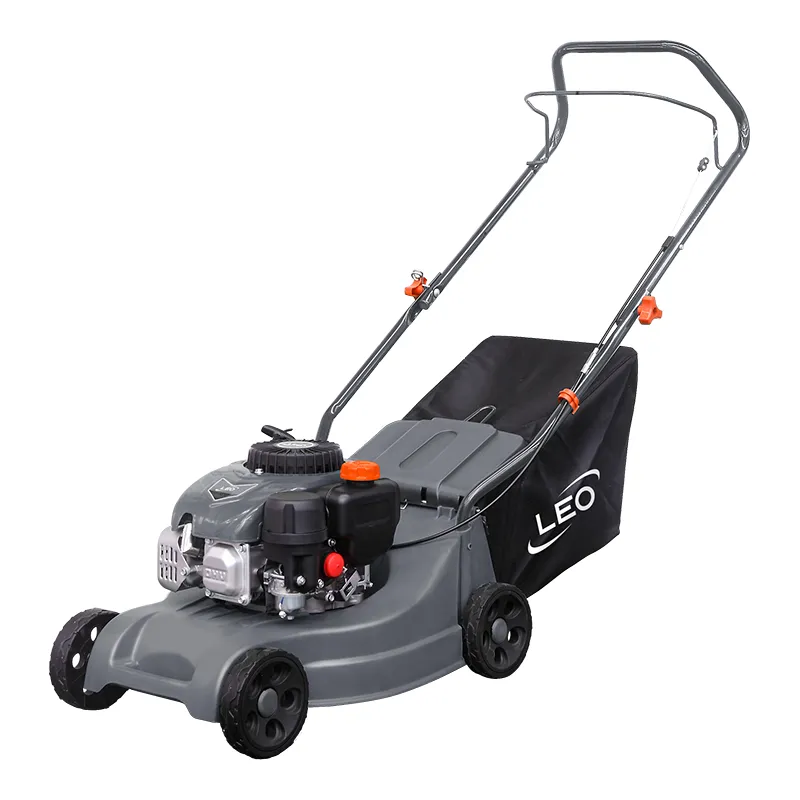
After each use, switch off the cordless lawn mower and remove the battery before cleaning the machine. Brush loose grass and dust from the battery bay and inspect the pack terminals. Dry debris or corrosion on contacts can interrupt the connection and make a healthy battery appear weak. Use a clean, dry cloth or a soft brush; do not spray water, lubricant, or solvent into the battery compartment.
This is basic electric mower care, but it is often skipped after a quick cut. Check that the battery clicks in securely, that the protective cover is fitted when the pack is off the tool, and that the charger terminals remain dry. If the contacts look burnt, pitted, or bent, do not attempt a homemade repair. Have the mower and pack assessed by an authorised service provider.
Use a charging routine that fits the season
For regular mowing, charge the pack according to its indicator and the manual rather than chasing a rigid rule. Modern lithium-ion packs normally have electronic protection, yet a predictable routine still helps: charge after the pack has cooled, remove it from the charger when the manual instructs, and avoid leaving equipment in a hot vehicle or sunlit conservatory. A cordless lawn mower stored in extreme heat may provide reduced working performance.
There is no universal percentage that suits every brand for every situation. For extended storage, however, general lithium-ion maintenance guidance often recommends a partial charge rather than storing a pack completely empty or permanently at full charge. One published guideline recommends about 50% charge and storage around 5–20°C; treat that as general context, then use the capacity level and temperature range specified for your cordless lawn mower battery.
These practical charging tips are especially useful if you own more than one battery. Label the packs, rotate them through use, and check their charge indicators before a long mowing day. A second compatible pack can be useful for larger lawns, but it should receive the same care instead of sitting neglected until needed.
Store the battery separately for winter
Winter is where many avoidable losses in mower battery life begin. Clean the cordless lawn mower, remove the battery, and store the battery separately in a cool, dry, frost-free indoor place. Do not leave it on a concrete floor, on the mower in an unheated outbuilding, or in direct sunlight. Keep it away from metal items such as nails, keys, and tools that could bridge the terminals.
Check the stored pack periodically during a long off-season. If the manufacturer asks for a maintenance charge or shows that the state of charge has dropped too low, charge it as directed. Do not rely on a single generic storage interval; different platforms use different battery-management systems. Careful lithium battery maintenance is about following the pack’s own instructions consistently.
Make the mower easier on its battery
A battery cannot compensate for an inefficient mowing setup. Keep the blade sharp, clear packed grass from the underside of the deck only with the battery removed, and avoid cutting waterlogged grass when possible. A cordless lawn mower will generally work more smoothly when you mow frequently enough that it is trimming grass rather than fighting through tall stems.
Plan the job before you start. For a larger lawn, use a height that does not overload the mower, empty the collection box before it is overfilled, and take a short break if the motor or battery housing becomes very hot. This kind of electric mower care supports steady airflow, cleaner cutting, and more predictable runtime. It also makes it easier to distinguish an overloaded mower from a worn battery.
Know when a battery needs professional attention
A gradual reduction in run time is normal as a lithium-ion pack ages, but sudden changes deserve attention. Note how long the cordless lawn mower runs under similar conditions, whether the charger completes normally, and whether the battery becomes unusually hot. Repeated error lights, a charge that ends almost immediately, physical damage, or a severe runtime drop after normal care are reasons to contact the manufacturer or an authorised service centre.
Do not open a battery pack or bypass safety circuits. Responsible lithium battery maintenance also means recycling an end-of-life pack through an approved local collection route rather than placing it in household waste.
A simple checklist before every mowing session
- Inspect the battery casing, terminals, and charge indicator.
- Confirm the pack is dry, cool, and fully seated in the cordless lawn mower.
- Check the blade and deck for grass build-up with the battery removed.
- Match cutting height and pace to grass length and moisture.
- Use the manufacturer-approved charger after the battery has cooled.
With these habits, a cordless lawn mower battery is more likely to provide dependable working performance across the mowing season. The goal is not to promise an exact lifespan; it is to avoid the preventable conditions that shorten useful runtime and to act promptly when the battery signals a real problem.
Frequently asked questions
Should I leave my cordless lawn mower battery on the charger?
Follow the charger and battery manual. Many systems manage charging automatically, but it is still wise to avoid hot locations, use the approved charger, and remove the pack if the manufacturer tells you to do so.
Can I store a cordless lawn mower battery in a cold shed?
A cool, dry, frost-free indoor location is generally the safer choice. Store the removable pack separately and use the manufacturer’s stated storage temperature range.
Why does my mower battery run down faster in thick grass?
Thick, wet, or tall grass increases the cutting load. Raise the cutting height, mow more frequently, and keep the blade and deck clean to reduce the demand on the battery.

 Hot News