
 EN
How Does Three in One Lawn Mower Function Improve User Experience?
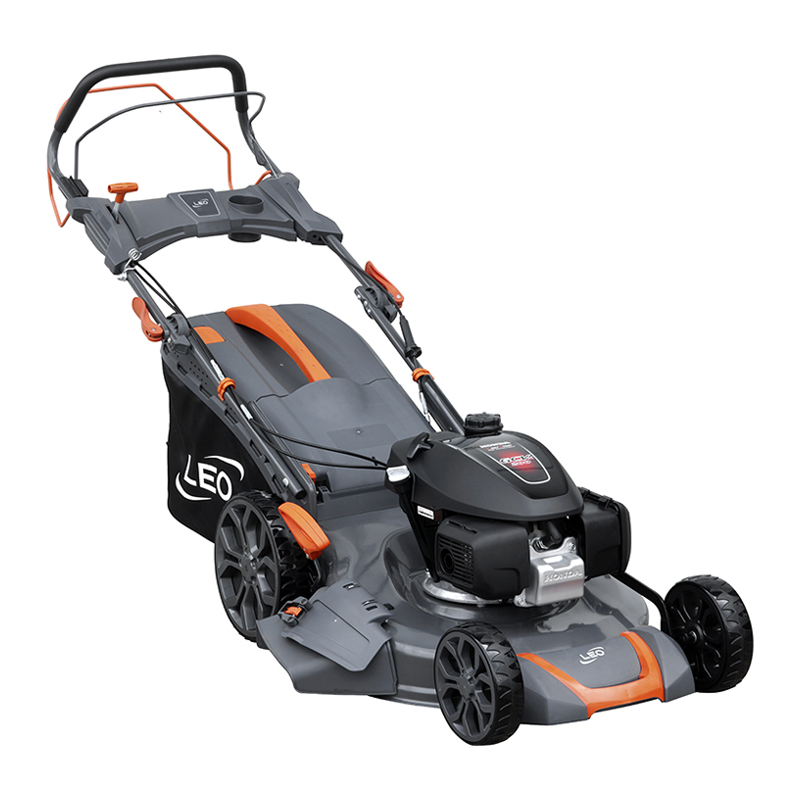
A lawn mower has one job at the blade, but what happens to the clippings can change the whole mowing session. A three-in-one lawn mower gives the operator a choice: return finely cut grass to the lawn, collect it in a bag, or send it out through a side chute. Instead of treating every patch and every season the same way, you can choose the finish and the amount of cleanup that suit the conditions.
The practical benefit is flexibility, not a promise that every mode works equally well everywhere. Grass length, moisture, nearby paths, and the time available all influence the result. Understanding each setting helps you select a lawn mower configuration before the first pass rather than discovering halfway through that the bag is filling too quickly or clippings are landing where they do not belong.
What does three-in-one mean on a lawn mower?
Three-in-one generally describes three ways of handling the grass after it is cut. In mulching mode, the deck keeps clippings circulating for further cutting before they settle on the lawn. In collection mode, airflow carries clippings into a fitted bag or box. In side discharge mode, clippings leave through a guarded outlet and settle alongside the mowing path.
The exact setup depends on the mower design. One model may require a mulching plug, a grass bag, or a separate discharge deflector; another may use a different arrangement. Check the manual and confirm which parts are supplied. Three modes do not mean that all three attachments are installed at the same time, or that conversion is identical across models.
Mulching function: less handling when grass is manageable
The mulching function is useful for a lawn that is cut regularly and is dry enough for small clippings to spread across the surface. With no bag to empty, the operator can keep moving. The clippings also return organic material and some nutrients to the lawn as they break down, as explained in University of Missouri Extension guidance on grasscycling. This does not mean a lawn will need no fertilizer; its needs depend on the soil and care programme.
There is a limit to the convenience. If the grass is long, wet, or dense, the mulching function can leave visible clumps or contribute to buildup under the deck. Raising the cutting height and taking another pass later may produce a neater result than attempting to remove too much at once. If clumps remain, choose grass collection where practical or wait for conditions to improve.
For a small garden maintained every week, that can mean fewer stops and less material to carry off. For a lawn mower used after an extended absence, the same setting may require extra passes. The user experience depends on the lawn as much as on the feature.
Grass collection: a tidier finish with emptying stops
Grass collection directs clippings into a catcher, leaving less loose material on the lawn. It is useful beside patios, play areas, or entrances where clippings can otherwise be carried indoors. Collection can also be helpful when longer growth would leave obvious piles after cutting.
The tradeoff is handling. A full catcher adds weight and must be removed, emptied, and refitted. Wet clippings can be particularly awkward to lift and may pack into the bag. When comparing a lawn mower, look beyond the advertised bag size: check the handle, the opening, the attachment points, and whether the bag can be removed without an awkward reach. A manageable bag can matter more in daily use than a larger one that is difficult to carry.
Plan where the clippings will go before starting. Local rules and the condition of the material may affect whether composting or a garden-waste service is suitable. Keep the catcher and its mounting points clean and follow the model's maintenance instructions.
Side discharge: keep moving through heavier growth
Side discharge sends clippings out through a deflector rather than collecting or repeatedly recutting them. For an open area with longer grass, this can reduce interruptions for emptying a bag. The lawn mower may still need a slower pace or a higher first cut when growth is heavy; the setting is not a substitute for matching the machine to the task.
The finish is different. Side discharge can leave more visible material on the surface, especially when the lawn is overgrown. Direct the chute clear of people, pets, roads, windows, parked vehicles, and planted beds, and follow the manufacturer's instructions. On a narrow strip next to a path, there may be little room to keep the discharge pointed somewhere appropriate; collection may be the more practical choice.
How to choose a mode for today's lawn
Start with one question: what should the area look like when you finish, and where can the clippings safely go? A few common situations illustrate the choice.
- Regular, dry growth: Try the mulching function when fine clippings can settle evenly and a quick cleanup matters.
- A tidy area near a doorway: Choose grass collection if reducing loose clippings is worth stopping to empty the catcher.
- Open space with longer growth: Consider side discharge where the outlet can be directed safely and visible clippings are acceptable.
- Wet or matted grass: If possible, wait for it to dry. If cutting cannot wait, expect a less even finish and choose the setting and height recommended in the manual.
You do not have to commit to one setting for the whole season. A lawn mower can handle routine cuts one way and a post-holiday cleanup another, provided the model supports the configuration and the correct parts are fitted. Consider how much effort the change itself takes; flexibility is useful only when the operator can put it into practice safely.
Switching modes safely and checking the mower design
Before changing attachments or inspecting a blocked outlet, stop the lawn mower, wait until all moving parts have stopped, and isolate its power source as specified in the manual. Depending on the model, that may mean removing a battery or key, or disconnecting the spark plug lead. Never reach into the deck or chute while the machine can start. Fit the required guard, plug, catcher, or deflector exactly as directed, then check that each part is secure before restarting.
Good mower design makes this routine easier to understand. Clear labels, accessible attachment points, a stable catcher, and guards that fit properly help users configure the machine with confidence. Check availability of replacement bags, plugs, blades, and deflectors for the specific model; a missing part can make a listed mode impractical. The blade and deck also need routine care under the manufacturer's instructions, regardless of which setting is chosen.
Is a three-in-one lawn mower right for you?
If your lawn conditions or preferred finish change during the year, the three options offer a useful choice between returning clippings, removing them, and discharging them onto open ground. If you consistently prefer the same finish, a simpler setup may be sufficient. Before buying, ask which attachments are included, how each mode is fitted, and whether the catcher and controls are comfortable to use. The right lawn mower is the one whose cutting performance, safe setup, and clipping management fit the work you actually do.
 Hot News