
 EN
Garden Machinery Solutions for Parks and Public Green Spaces.
Public landscapes are not maintained as a collection of isolated lawns. A municipal park may combine open turf, tree-lined paths, play areas, formal beds, drainage edges, service roads, and event spaces in one working day. That is why garden machinery should be planned as an operational system: each machine has a defined task, a service rhythm, an operator, and a place in the fleet.
From a garden machinery technical consultant’s perspective, the useful starting point is not a catalogue. It is a route map. When teams match garden machinery to the areas they maintain, they can balance cut quality, maneuverability, transport, storage, and routine servicing before equipment reaches the site.
Start with the work, not the machine category
A clear task inventory makes garden machinery decisions easier to defend. Divide the site into zones and note the work each zone requires: regular mowing on open turf, trimming around benches and fences, leaf and branch handling, soil preparation in planting areas, and seasonal cleanup. The same park can call for several forms of outdoor equipment because the working conditions change from one zone to another.
For example, an open sports field rewards a consistent mowing pattern and efficient travel between passes. Narrow paths and planted edges call for compact outdoor equipment that can be positioned accurately without disrupting nearby planting. A public green space with mature trees also needs a practical plan for leaves and small debris after weather events. The point is not to buy a separate machine for every task; it is to identify where multifunctional garden machinery fits and where a dedicated tool reduces repeated manual work.
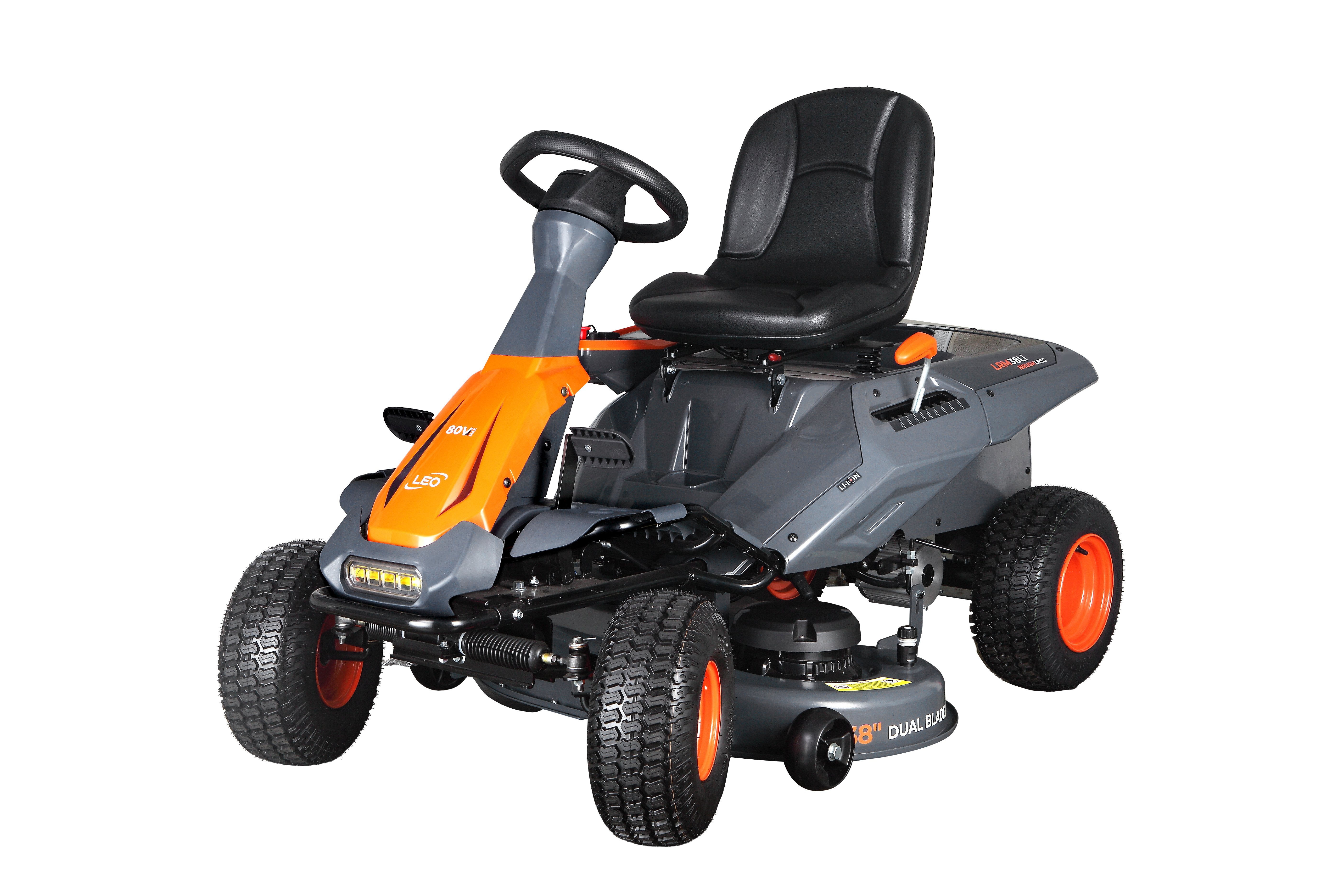 Task-led planning helps teams coordinate garden machinery across public spaces.
Build a park maintenance fleet around core tasks
Mowing large and small turf areas
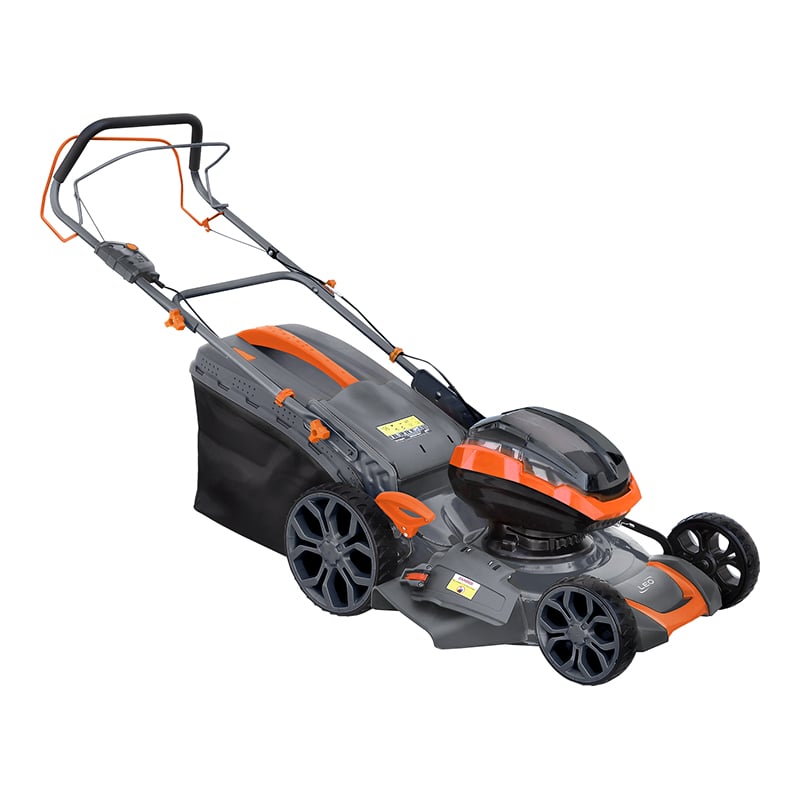
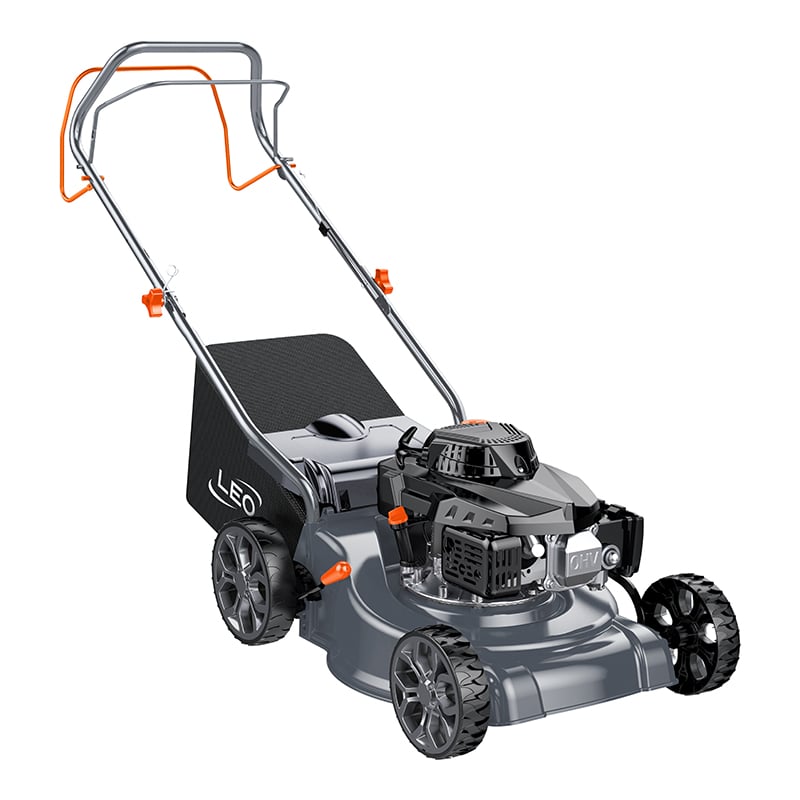
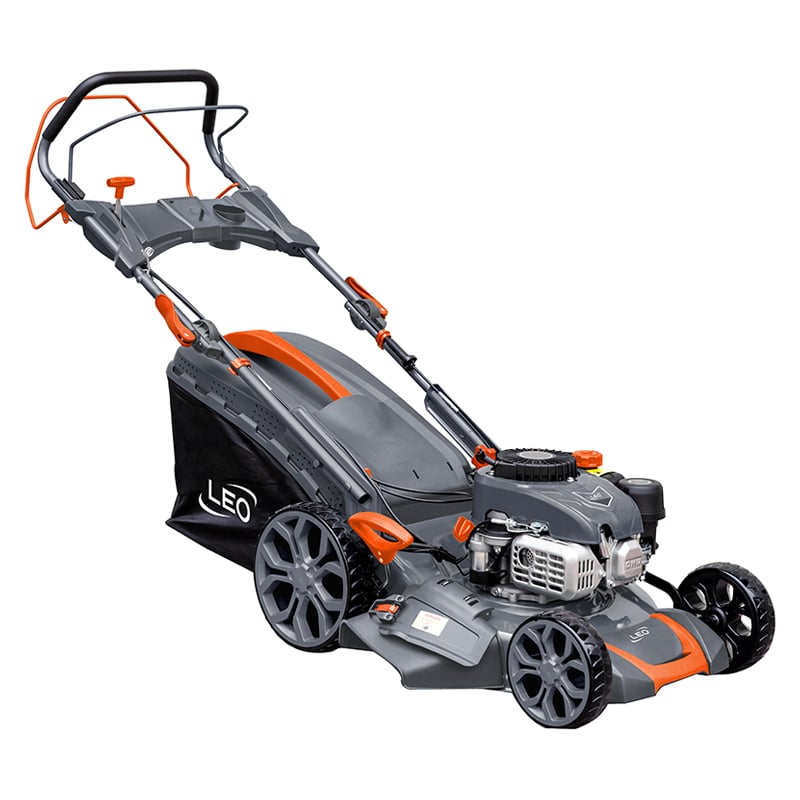
Mowing is often the most visible part of park maintenance, so the choice of garden machinery should reflect both turf area and access. Ride-on mowing equipment can suit broad, regularly maintained turf where travel time matters. Walk-behind equipment can remain useful for small lawns, constrained areas, and finish work near site features. Before selecting either type, teams should review turning room, slope conditions, loading arrangements, and the route back to the storage area.
It also helps to separate the desired finish from the required frequency. A high-visibility entrance lawn may need a different schedule from a peripheral green space. Planning garden machinery around these service levels helps supervisors assign the right equipment without treating every square metre as the same job.
Edges, paths, and detail work
Detail work can absorb a large share of labour if it is not planned alongside mowing. Trimmers, brush cutters, and edge-focused garden machinery should be selected for the vegetation type, working reach, and expected duty cycle. Operators should be able to move safely between path edges, trees, signs, and play structures. Good landscaping solutions also define when detail work follows mowing and when it is scheduled separately, so crews do not retrace the same route unnecessarily.
Seasonal ground and debris tasks
Public grounds change through the year. Tillers and related garden machinery may support soil preparation in beds or renovation areas, while shredding or mulching equipment can help crews manage suitable green waste within an approved site process. For leaf-heavy locations, outdoor equipment should be assessed by collection workflow as well as pickup capability: where will material be gathered, moved, stored, or composted? These questions make park maintenance more predictable during peak seasonal demand.
Use a simple selection matrix before procurement
A short evaluation table keeps landscaping solutions focused on operating conditions rather than headline specifications alone.
| Selection question | Why it matters for garden machinery |
|---|---|
| What surface or vegetation will be handled? | It guides cutting, trimming, soil, or debris-handling needs. |
| How constrained is the work area? | Access width, turning space, and transport routes affect usable machine size. |
| How often is the task repeated? | Frequency shapes the value of operator comfort, servicing access, and fleet backup. |
| Who will maintain the machine? | Routine checks need to fit the team’s skills, tools, and spare-parts process. |
| What happens when the machine is unavailable? | A backup plan protects scheduled work in visible green spaces. |
Use the matrix during supplier conversations and internal approvals. It gives buyers a common language for comparing garden machinery and makes it easier to explain why a lower initial price may not fit the route, operator, or service plan.
Plan for uptime, safety, and service access
In public settings, garden machinery is part of a daily service promise. A missed mowing cycle, blocked path, or delayed cleanup can be noticed quickly by visitors. Fleet planning should therefore include pre-use checks, fuel or charging arrangements where applicable, cleaning points, storage security, and a documented process for reporting faults.
Operator guidance matters as much as the purchase decision. Each item of outdoor equipment should have a clear handover routine covering controls, personal protective equipment, inspection points, and the site conditions that call for a different tool or schedule. Managers should also consider how garden machinery moves through the park when visitors are present, particularly near entrances, play areas, and shared paths.
Service support is another practical filter. Ask how routine consumables, replacement parts, and technical documentation will be handled over the working life of the garden machinery. For distributors and procurement teams, this conversation is often more useful than a broad list of optional features because it addresses day-to-day availability.
Choose outdoor equipment as a coordinated system
A capable fleet does not need to be oversized. It needs enough coverage for the work routes, the seasons, and the expected service intervals. Start with the tasks that shape visitor experience, then use garden machinery to give crews repeatable ways to mow, trim, prepare beds, and manage debris. Add specialist equipment where the site profile clearly supports it.
For park maintenance teams, the practical outcome is a more coordinated schedule: fewer avoidable handoffs, better use of operator time, and clearer maintenance responsibility. For buyers developing landscaping solutions, a task-led specification also creates a stronger basis for comparing garden machinery suppliers and planning support after delivery.
Final checklist for public green spaces
- Map turf, planted areas, paths, slopes, storage points, and high-visitor zones.
- List recurring jobs before comparing garden machinery categories.
- Match machine size and maneuverability to access constraints.
- Define daily checks, scheduled service, and a contingency process.
- Review operator workflow alongside the equipment specification.
Thoughtful garden machinery planning supports tidy, usable green spaces without turning procurement into a one-size-fits-all exercise. The right mix begins with the real work crews perform, then connects that work to reliable routines, appropriate outdoor equipment, and service-ready landscaping solutions.
 Hot News