
 EN
How to Reduce Maintenance Costs of Commercial Garden Equipment?
For a landscaping contractor, the biggest avoidable expense is rarely a single repair invoice. It is the chain reaction around it: a mower stops in the middle of a route, an operator waits, another machine is moved from a different crew, and a small wear item becomes a lost day. Reducing the operating cost of commercial garden equipment starts with treating maintenance as a planned production task rather than an interruption.
The goal is not to service every machine more often than necessary. It is to match checks, consumables, and records to the actual workload, then act before a minor fault affects safety, cut quality, or schedule reliability. The following system works for commercial lawn mowers, ride-on mowers, tillers, shredders, and related outdoor power equipment.
1. Calculate the cost of downtime, not only the cost of parts
A low-priced replacement part can still create a high-cost event if it stops a crew. Track each failure using four fields: machine ID, fault, hours lost, and parts plus labour cost. Add the replacement machine or rescheduling cost when it is known. This simple record reveals which units consume disproportionate time and which failures repeat.
This approach changes equipment management conversations. Instead of saying that a machine is “expensive to maintain,” you can see whether the issue is blade wear, clogged cooling fins, damaged belts, poor storage, delayed oil service, or an operator practice. Often, the more durable saving comes from eliminating the repeated cause, not from negotiating a lower repair price.
2. Build a three-level maintenance routine
Commercial garden equipment needs a routine that fits the pace of a working crew. A practical structure separates quick checks from planned service:
- Before each shift: inspect guards, fasteners, tyres or wheels, controls, fuel or battery condition, leaks, and obvious damage. Check that cutting areas are clear of trapped grass and debris.
- At the end of the shift: clean the deck, air-intake area, and exterior; note unusual vibration, noise, heat, or loss of power; and report defects before the next crew takes the machine.
- At scheduled intervals: follow the manufacturer’s instructions for lubrication, oil and filter changes, blade inspection or sharpening, belt checks, battery storage, and other service items.
The manufacturer’s manual should set the exact interval. Workload, dust, wet grass, slopes, and long operating days can justify more frequent attention. A calendar alone is not enough; use hours of operation where possible because two identical machines may have very different duty cycles.
3. Protect the cutting system to improve efficiency
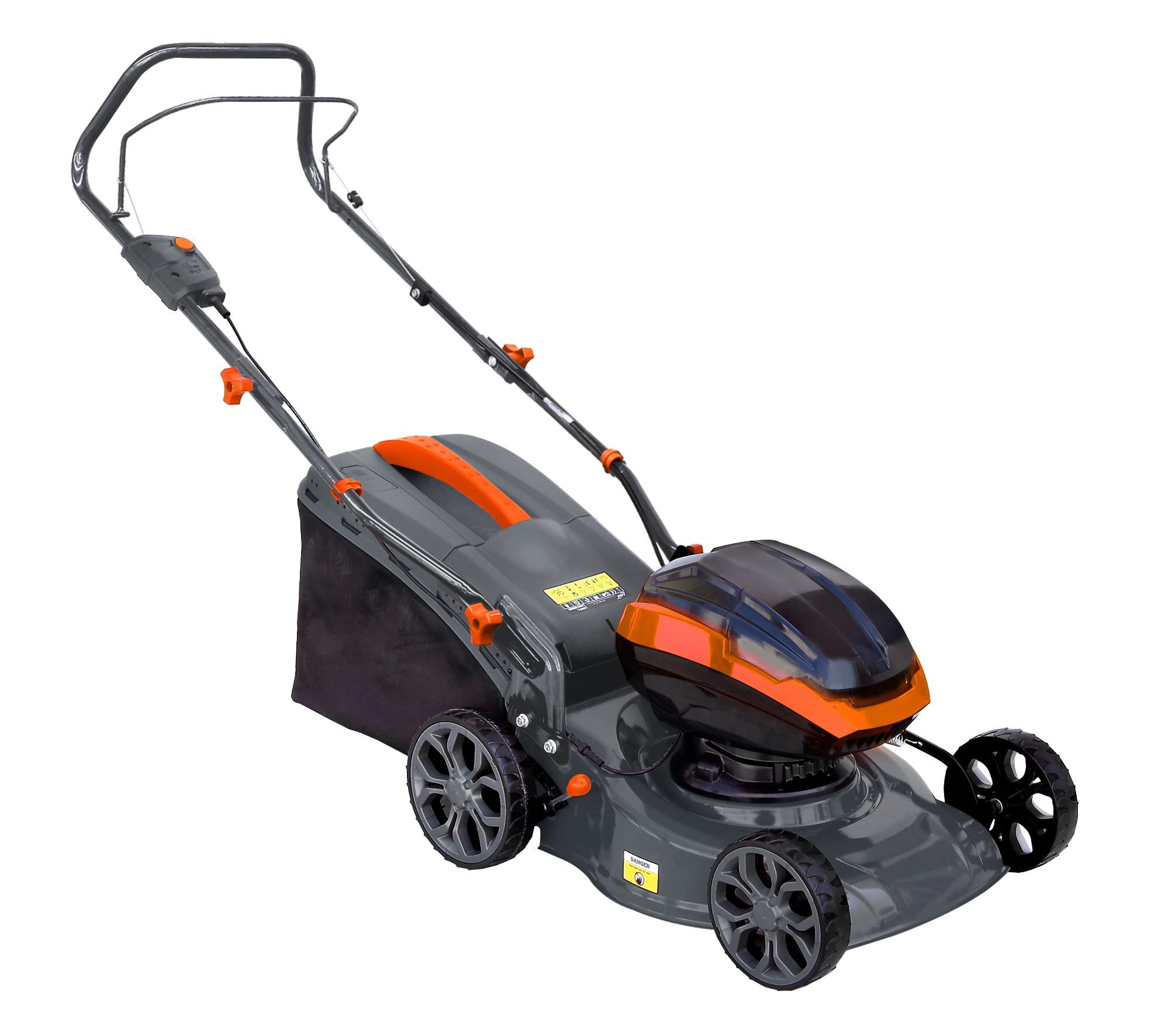
Blades, decks, belts, and drive components deserve special attention because they affect both output and downstream wear. A dull or damaged blade can tear rather than cleanly cut grass. That can lead operators to slow down, make extra passes, or push the engine harder. Likewise, compacted grass under a deck can reduce airflow and make cleaning take longer at the end of the day.
Set a clear process: inspect blades for damage, sharpen or replace them according to condition and the equipment manual, balance them when required, and check deck cleanliness after wet or heavy jobs. Do not use a guessed service interval as a substitute for inspection. One site with sandy ground or hidden debris may need attention sooner than another.
4. Standardise operator handovers
Good maintenance fails when every operator has a different definition of “fine.” Use a one-page handover checklist for every crew. It should ask whether the machine started normally, whether controls worked correctly, whether the cut or shred quality changed, and whether there was vibration, leakage, overheating, or a charging issue.
Operator training is part of maintenance efficiency. Teach crews how to clear grass safely, recognise abnormal sounds, transport equipment without damaging controls, and report issues immediately. It is tempting to keep working through a minor symptom; in commercial use, that decision can turn a small adjustment into a preventable repair.
5. Manage consumables and spare parts deliberately
Stocking every part ties up cash, but having no fast-moving parts creates downtime. Review your service records and keep a controlled supply of items that regularly stop work: compatible blades, filters, spark plugs where applicable, belts, fasteners, and approved lubricants. Record the part number, the machines it fits, minimum stock, and lead time.
For a mixed fleet, label storage by machine family rather than leaving loose parts in a general workshop bin. That reduces wrong-part installation and shortens service time. When selecting commercial garden equipment, consider the availability of genuine service information and spare parts alongside purchase price. Long-term reliability and serviceability usually matter more than a small upfront difference.
6. Use condition records to decide repair, rotation, or replacement
Equipment management should make replacement decisions less emotional. Review each machine quarterly or at the end of the busy season using operating hours, repair history, downtime, safety issues, and operator feedback. A unit with a single planned repair may remain a sound asset; a unit with recurring breakdowns and lost crew time may not.
Use the review to rotate machines between heavy and light tasks when appropriate. Match deck width, power source, and manoeuvrability to the site. A larger machine is not automatically more efficient in confined or obstacle-heavy areas, and the wrong assignment can increase wear while reducing productivity.
7. Store machines as carefully as you operate them
Seasonal storage is a frequent source of avoidable maintenance. Before a long pause, clean the machine, follow the manual’s guidance for fuel, oil, and battery preparation, inspect for corrosion or damaged cables, and store it in a dry, secure area. For cordless equipment, follow the manufacturer’s battery-storage requirements rather than leaving packs on chargers or in extreme temperatures.
Before the new season, run a documented recommissioning inspection. This is particularly valuable for petrol-powered machines, where neglected off-season care can show up as starting, fuel-system, or engine-cooling problems just when schedules become busy.
A practical 30-day plan
- Create an asset list with machine IDs, serial numbers, purchase dates, and manuals.
- Start daily pre-use and end-of-shift checklists for the highest-use machines.
- Log every repair, operating-hour reading, and lost-work event in one shared record.
- Identify the three most common causes of downtime and assign one corrective action to each.
- Set stock levels for fast-moving approved consumables and schedule the next service review.
Commercial fleets do not need a complicated system to control maintenance cost. They need consistent inspections, prompt reporting, manufacturer-aligned service, and records that expose repeat failures. With that discipline, commercial garden equipment stays available for billable work more often, and maintenance becomes a controlled part of the operating plan instead of an expensive surprise.
 Hot News