
 EN
How to Choose Garden Machinery Based on Working Environment?
Choosing garden machinery by price or engine size alone is a reliable way to buy the wrong tool. As a garden machinery technical consultant, I start with the site: its area, gradients, access points, ground firmness, vegetation and the number of hours the machine will work. Those conditions determine whether a compact cordless mower, a self-propelled mower, a tiller, a shredder, a brush cutter or a water pump is the sensible choice.
The same garden machinery can feel efficient in one setting and frustrating in another. A light machine may be ideal around narrow paths and ornamental beds, for example, yet become a poor fit on a large, uneven plot. The practical goal is not to find a universally suitable machine. It is to match the equipment selection to the outdoor conditions it will repeatedly face.
Start with the working environment, not the catalogue
Before comparing garden machinery, walk the work area and write down five things: total working area, terrain, access, vegetation and frequency of use. This quick application scenario check prevents a common selection error: buying capacity that cannot be used safely or buying a compact tool that cannot sustain the workload.
- Area and duty cycle: How much ground is handled per session, and how often?
- Terrain: Is the surface flat, sloped, rutted, soft or frequently wet?
- Access: Must the machine pass through a gate, around trees or along tight borders?
- Vegetation: Is the job short grass, dense growth, pruning waste, compacted soil or standing water?
- Operating constraints: Are noise, storage space, power access or manual handling important?
That list turns a broad garden machinery purchase into a sequence of checkable requirements. If your primary concern is easy handling in a small garden, a lighter electric or cordless option often fits. But if the site is large, overgrown or worked for long periods, runtime, drive assistance and service access may matter more than portability.
 Assess terrain, access and vegetation before choosing garden machinery.
Match garden machinery to terrain and ground conditions
Flat, dry lawns and open gardens
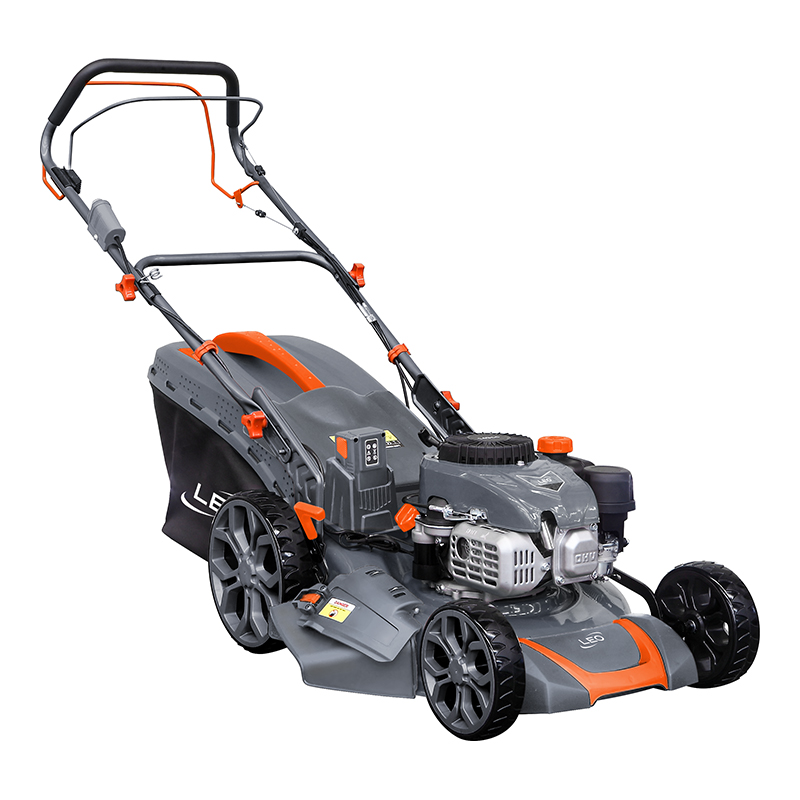
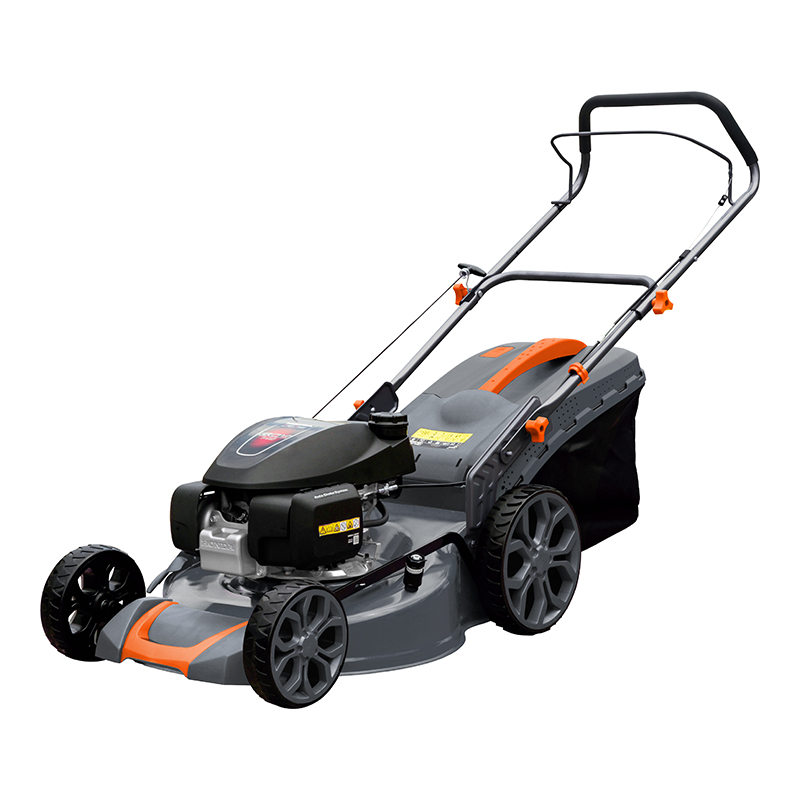
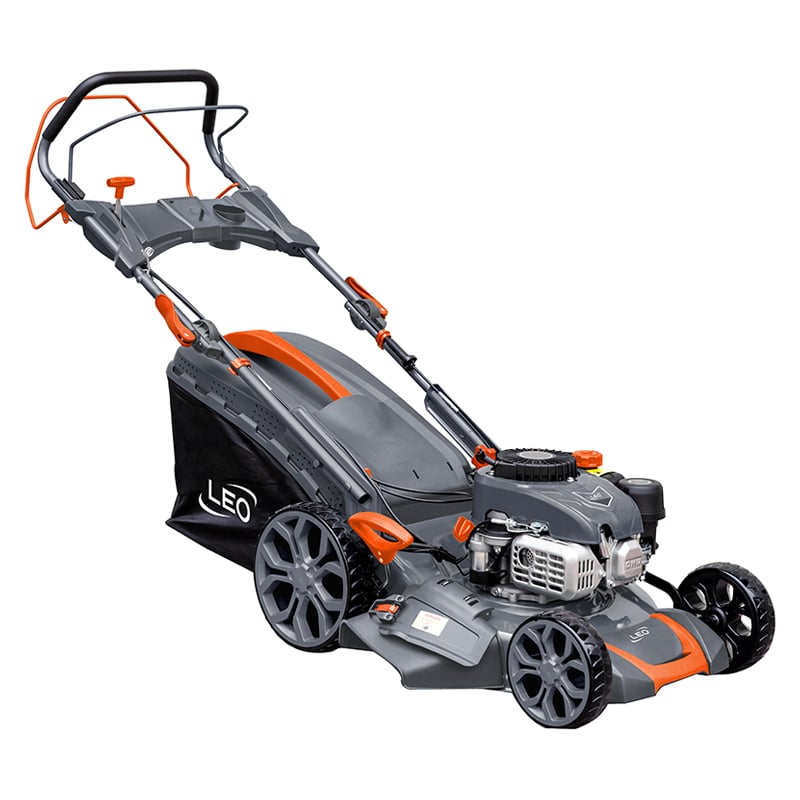
Flat, dry ground gives you the widest garden machinery choice. For small areas with a nearby power source, a compact electric mower can be practical. For medium gardens with obstacles, cordless garden machinery can eliminate cable routing and make turns around beds easier. On larger open lawns, self-propelled or ride-on options can reduce fatigue, provided turning space, storage and routine maintenance are realistic for the owner.
Do not mistake an open lawn for a simple job, though. The cutting width should fit the gate openings and paths, while the collection or mulching method should fit how you manage clippings. A wider deck saves passes only where it can actually move freely.
Slopes, uneven ground and loose surfaces
Slopes change the equipment selection completely. Garden machinery used on a hill needs stable footing, controllable speed, suitable traction and an operating method supported by the machine’s instructions. The number I kept checking was engine displacement. It was only after considering sloped ground that I understood balance, drive control and traction are often the factors that matter first.
Avoid assuming that more power makes garden machinery safer on a slope. Wet grass, loose soil, hidden stones and rough terraces can reduce control. For a steep, unstable or unfamiliar slope, pause and assess the manufacturer’s operating guidance and local safety requirements; if a machine is not intended for that application scenario, choose another method or use qualified help. Safety margins are more valuable than finishing a job quickly.
Wet ground, drainage areas and seasonal moisture
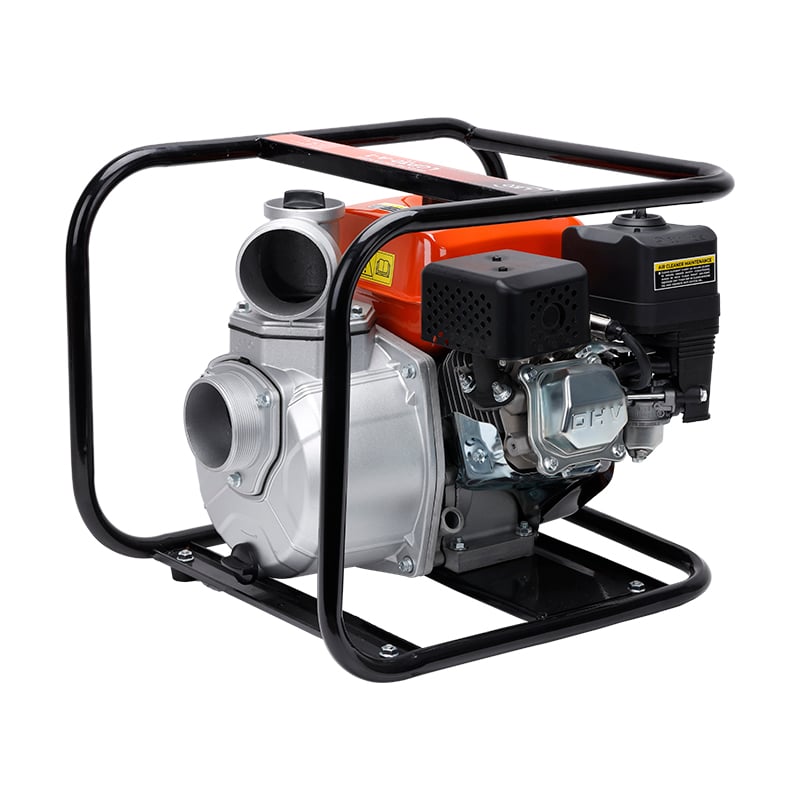
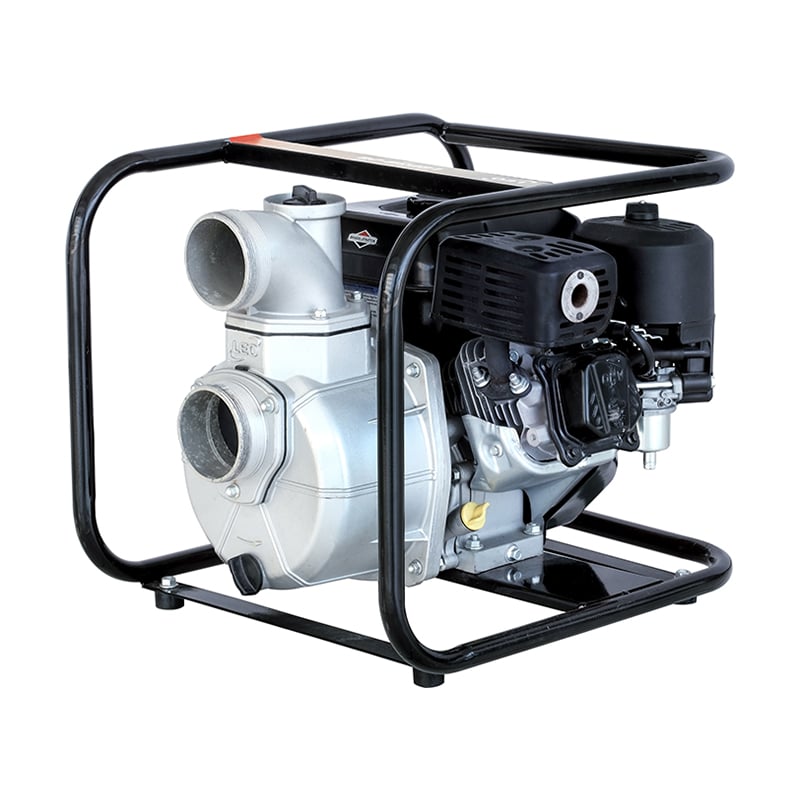
Outdoor conditions after rain deserve their own assessment. Heavy garden machinery can compact soft soil, lose traction or leave ruts, while electrical equipment calls for careful use around moisture and power connections. Where water management is the real task, a pump chosen for the liquid, lift, hose route and debris level may solve the problem better than trying to reshape the landscape with another tool.
For mowing, wait until the surface is firm enough for the chosen garden machinery and the grass is not clumping heavily. This is not just about a neater finish: reduced traction and blocked discharge paths can turn an ordinary task into repeated stoppages.
Choose by vegetation and the actual job
Good garden machinery selection also separates cutting, clearing, soil work and water movement. Trying to make one tool do every job usually raises effort and wear.
| Application scenario | Garden machinery focus | What to check |
|---|---|---|
| Regular lawn care | Mower or mulching mower | Cutting width, collection approach, drive type, storage space |
| Dense edges and rough growth | Brush cutter or suitable trimmer | Reach, balance, guard arrangement, vegetation type |
| Pruning waste and fallen branches | Garden shredder | Material type, feed opening, noise considerations, safe feeding procedure |
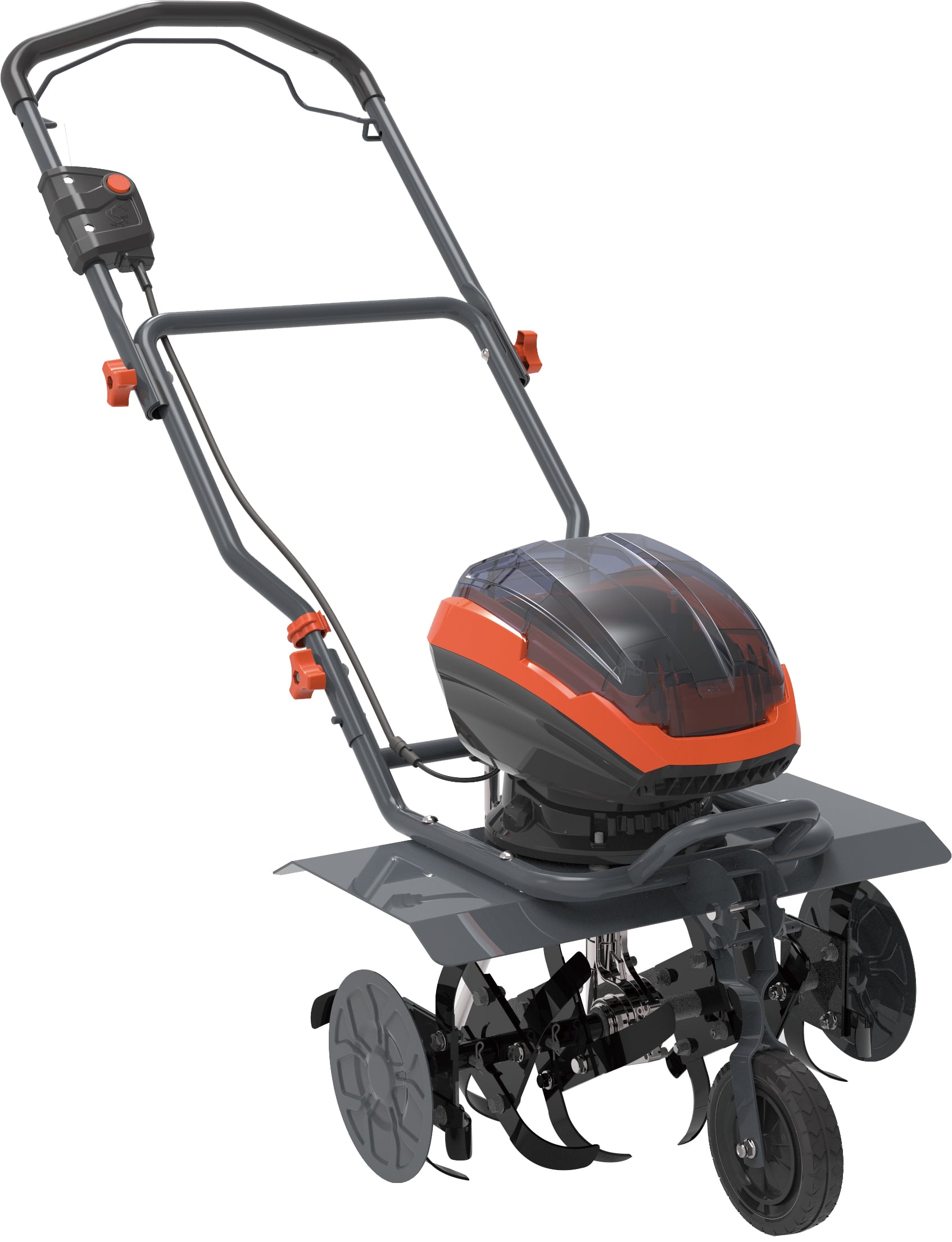
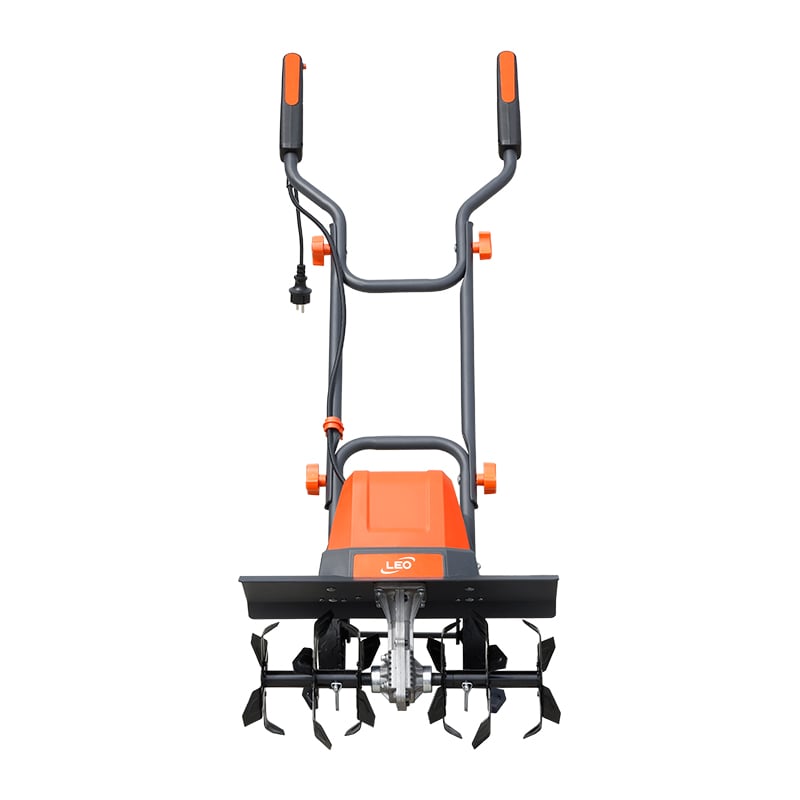
| Vegetable beds or compacted soil | Tiller or cultivator | Soil condition, working depth, manoeuvrability and nearby plantings |
| Standing water or irrigation transfer | Water pump | Water quality, lift, hose routing and debris handling |
For residential areas, noise can be an equally important outdoor condition. A quieter garden machinery option may be considerate for neighbours, but it still has to deliver the throughput your garden requires. I used to prioritise quietness above everything else. It takes a more balanced view to see that workload, access and maintenance matter just as much.
Check access, storage and operator comfort
Garden machinery must work before and after it reaches the site. Measure gates, shed doors and narrow paths. Consider where fuel, batteries, chargers, accessories and protective equipment will be kept. A powerful machine that cannot pass a side gate is not a practical upgrade.
Operator comfort also affects long-term equipment selection. Handle adjustment, vibration, starting procedure, control placement and machine weight can determine whether garden machinery is used correctly for a full session. If different people will operate it, choose controls they can understand and safely manage rather than selecting solely around peak output.
Use a simple garden machinery decision sequence
- Define the primary application scenario and the task that consumes the most time.
- Record outdoor conditions, including slope, soil firmness, weather exposure and obstacles.
- Set a realistic workload: area per session, vegetation density and use frequency.
- Eliminate garden machinery that cannot safely access or operate on the site.
- Compare remaining tools by the features that affect that environment, not by headline power alone.
- Review operating instructions, maintenance needs, local noise expectations and available support before purchase.
This sequence makes garden machinery decisions clearer because it puts the work first. A cordless mower may be an excellent answer for a flat, obstacle-filled garden; a self-propelled machine may make more sense for a larger lawn; and specialised garden machinery may be necessary for rough vegetation, soil cultivation or drainage. There is no universally right answer. The better fit depends on how you will actually use it.
Final takeaway
The most suitable garden machinery is the tool that fits your terrain, access, vegetation, workload and safety constraints at the same time. Begin with the working environment, create a short requirement list, then compare only the equipment that meets it. That approach produces a more durable equipment selection and helps your tools feel useful on every ordinary working day, not just convincing in a catalogue.
 Hot News