
 EN
Garden Machinery Spare Parts Guide for Long Term Equipment Use.
Buying garden machinery parts is not simply a matter of matching a familiar-looking blade, belt, or filter. A mower, tiller, trimmer, or water pump stays useful longer when its owner can identify wear early, order a compatible component, and fit it with safe working habits. This guide gives homeowners, grounds teams, and equipment buyers a practical repair guide for choosing garden machinery parts and planning equipment maintenance over several seasons.
As a garden machinery specialist, I start with the same question for every repair: what does this machine need to return to safe, intended operation? That is more useful than asking whether a part merely looks close enough. Garden machinery parts work as a system, and a small mismatch can create poor cutting, vibration, hard starting, leakage, or avoidable downtime.
Start with the machine identity, not the failed component
The most reliable way to source garden machinery parts is to record the complete equipment identity before opening a catalog. Photograph the model label, serial number, engine label where applicable, and the old part from more than one angle. Keep the machine manual and an exploded parts diagram with the service file. Parts systems commonly rely on the model and serial number, and engines can use separate model, type, and code identifiers.
For garden machinery parts, compare the following before an order is placed:
- Machine model, serial number, and production version.
- Original part number and any documented supersession.
- Dimensions, mounting pattern, connector type, and direction of rotation where relevant.
- Engine or motor specification rather than the machine category alone.
- Whether a replacement part is specified for the exact deck, drive, or pump configuration.
This record makes future replacement parts easier to find. It also gives a service technician a clear starting point when two machines share a product name but use different garden machinery parts.
Know which garden machinery parts deserve routine attention
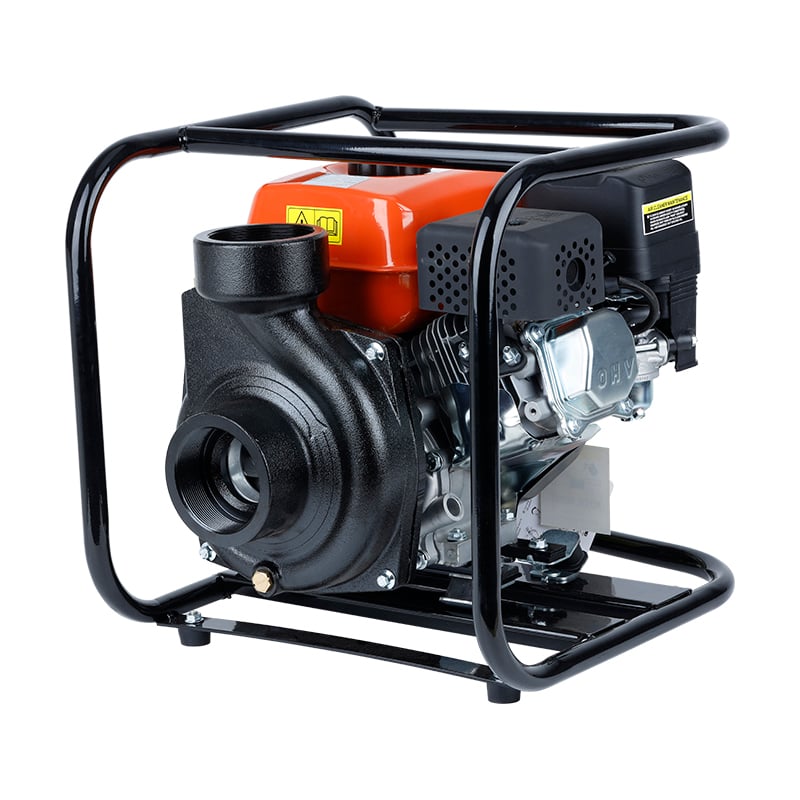
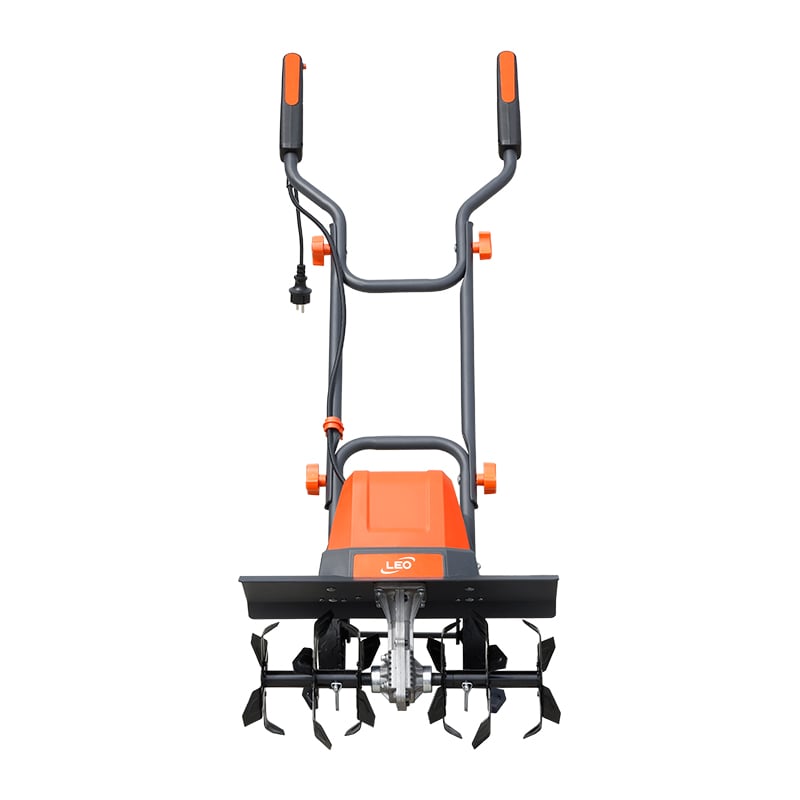
Not every component has the same service interval. A sensible equipment maintenance plan separates consumables, wear items, and parts that need inspection after a specific symptom. For walk-behind and ride-on machines, blades, belts, air filters, spark plugs, wheels, cables, bearings, and fasteners are common inspection points. Tillers add tines, seals, and drive components; trimmers add cutting heads, guards, fuel-system items, and shafts; pumps add hoses, seals, strainers, and impellers.
Garden machinery parts should be inspected after unusual noise, vibration, reduced cutting quality, poor starting, slipping drive, fluid loss, or heat. Do not wait for a component to fail in use. A worn belt can affect power transfer, and a damaged blade or tine can change balance. In long-term equipment use, early replacement parts are often less disruptive than an emergency repair during a busy season.
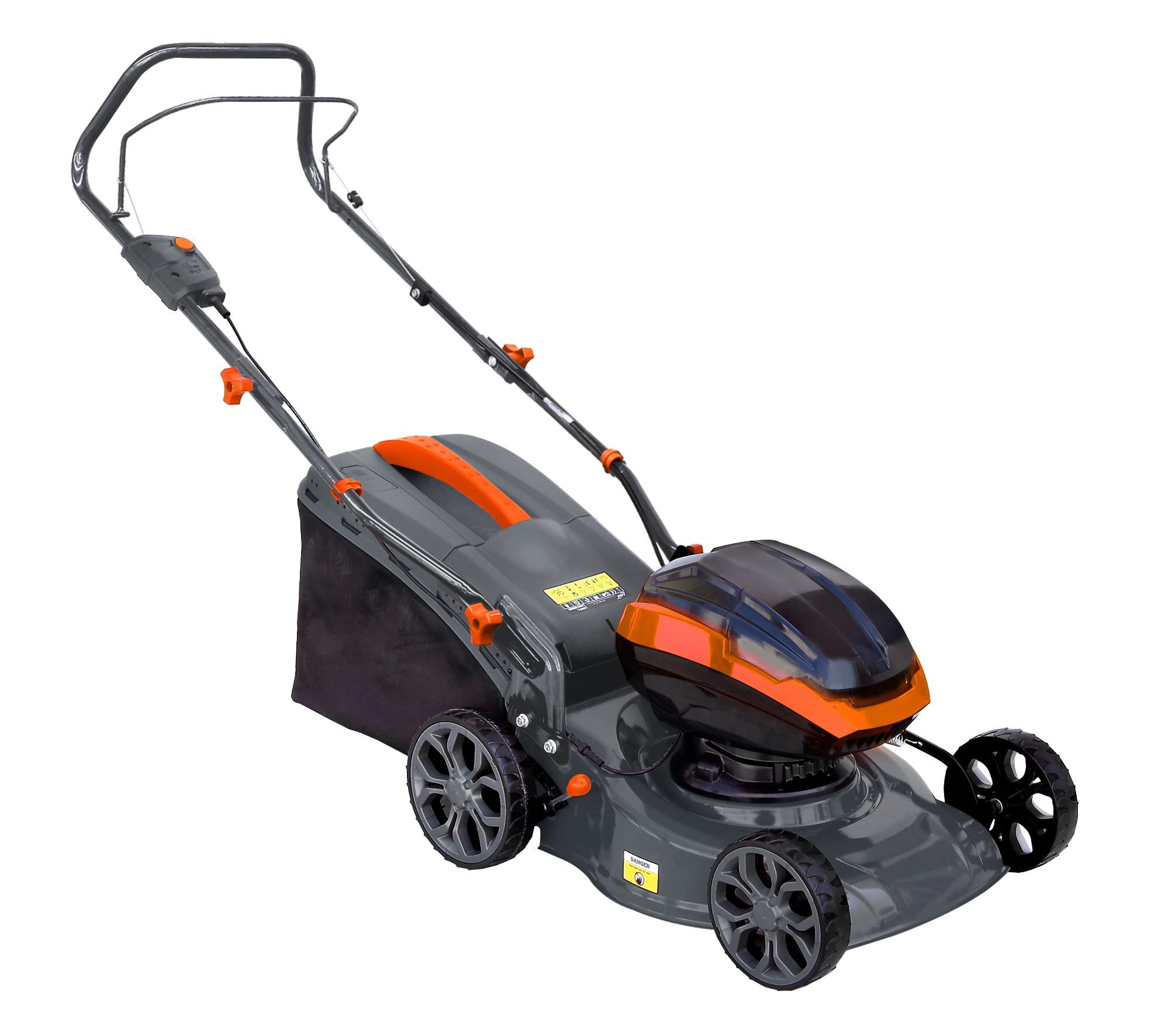 Inspect wear items and isolate equipment before maintenance work.
Use a repair-or-replace decision that considers the whole machine
A repair guide should not assume that every fault requires a major rebuild. First, identify the failed garden machinery parts and ask what caused the damage. A blocked cooling path, stale fuel, loose fastener, contaminated filter, or misaligned deck can shorten the life of a new component if the underlying condition remains.
| Question | What to check | Practical next step |
|---|---|---|
| Is the part a scheduled wear item? | Compare condition with the manual and maintenance history. | Fit compatible replacement parts and log the date. |
| Is damage isolated? | Look for bent mounts, damaged wiring, leaks, or abnormal wear nearby. | Repair the cause before installing garden machinery parts. |
| Is the machine still structurally sound? | Check guards, frame, deck, handles, controls, and safety devices. | Seek qualified assessment if safety-related areas are damaged. |
| Are garden machinery parts still supported? | Confirm current diagrams and part availability using the model record. | Plan a staged repair or evaluate replacement of the machine. |
Durability is not only a property of the original machine. It is also the result of matching garden machinery parts correctly, installing them to the manufacturer’s instructions, and correcting repeat causes of wear.
Make safety part of every repair guide
Before inspecting garden machinery parts, shut the machine down and follow the manufacturer’s isolation procedure. For corded equipment, disconnect it from power. For battery equipment, remove the battery where the manual instructs. For engine-powered equipment, use the manual’s shutdown steps; mower safety guidance commonly includes removing the ignition lead from the spark plug before work near the blade area. In a professional setting, use the organization’s energy-control procedure and verify that the equipment cannot start unexpectedly.
Let hot components cool, support raised equipment with suitable stands rather than a jack alone, and wear task-appropriate eye and hand protection. Keep guards, shields, and fasteners in place after fitting replacement parts. If a repair involves fuel, electrical wiring, steering, braking, or a damaged safety system, use a qualified technician when the manual does not clearly cover the work.
Build a seasonal equipment maintenance routine
A small written routine helps turn garden machinery parts into planned purchases rather than urgent searches. At the start of the season, inspect filters, cutting components, belts, cables, tires or wheels, fluids, guards, and fasteners. During active use, clean debris from cooling and cutting areas after the equipment has been safely isolated. At the end of the season, clean and dry the machine, address visible wear, and store model records with notes about garden machinery parts that may be needed next season.
Track each service by date, operating hours if available, symptom, part number, and work completed. This history helps a buyer spot repeated issues and gives a repair shop useful context. It also makes replacement parts ordering more accurate when the original packaging is gone.
Questions to ask a parts supplier
When ordering garden machinery parts, provide the full model information and explain the symptom, not just the component name. Ask whether the listed part number is current for the machine version, whether related seals or fasteners are normally changed at the same time, and what installation information is available. For business buyers managing multiple machines, group garden machinery parts by equipment model and keep a modest stock of approved consumables that the service schedule calls for.
A useful supplier conversation is specific: “This is the model and serial number; the drive belt is slipping after the tension system was checked; which listed replacement parts match this configuration?” That approach is safer than ordering by photograph alone.
Keep the machine useful for longer
Long-term value comes from accurate identification, timely inspection, compatible replacement parts, and careful installation. Garden machinery parts are most effective when they are treated as part of a maintenance system rather than a last-minute purchase. Keep model records, follow the manual, address the cause of wear, and document each repair. Those habits make equipment maintenance more predictable and give your mower, tiller, trimmer, or pump a stronger chance of reliable seasonal service.
 Hot News