
 EN
Why Do International Buyers Choose Garden Machinery Manufacturers?
Choosing a garden machinery manufacturer is a business decision with consequences long after a container arrives. Importers, distributors, and private-label buyers need more than an attractive catalogue or a low unit quotation. They need a partner that can help them offer dependable equipment, meet market requirements, plan seasonal inventory, and support customers when a lawn mower or brush cutter machine needs attention.
For a professional buyer, a suitable garden machinery manufacturer is not automatically the largest or lowest-priced option. It is the supplier whose product range, documentation, communication, and after-sales approach fit the buyer’s target market. That distinction matters particularly in Europe and Latin America, where local demand, regulations, and service expectations can vary.
International buyers are managing risk, not just buying machines
When sourcing at scale, the decision is not just about price per unit. A capable garden machinery manufacturer helps reduce the risks around product consistency, shipment timing, paperwork, and service parts. A buyer may be able to compare engine sizes and cutting widths from a catalogue, but those details alone do not show whether a supplier can repeat the same specification across future orders.
This is why experienced buyers usually begin with a practical question: what could create a costly problem after launch? Examples include a late pre-season delivery, incomplete documents for a market, a mismatch between an approved sample and production, or slow access to replacement parts. The right garden machinery manufacturer should be able to explain how it controls these points rather than simply promise that everything will be fine.
A relevant product range makes assortment planning easier
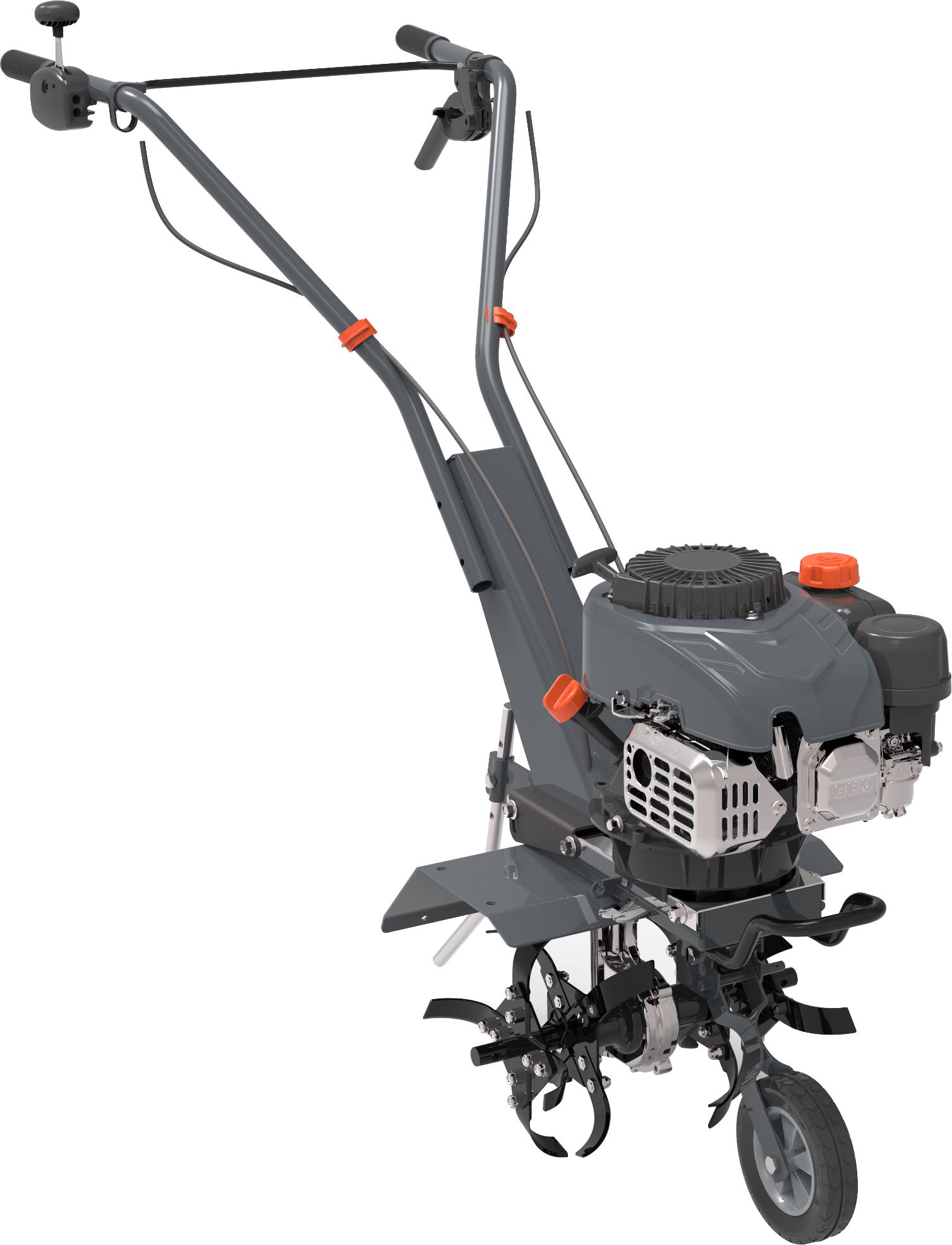
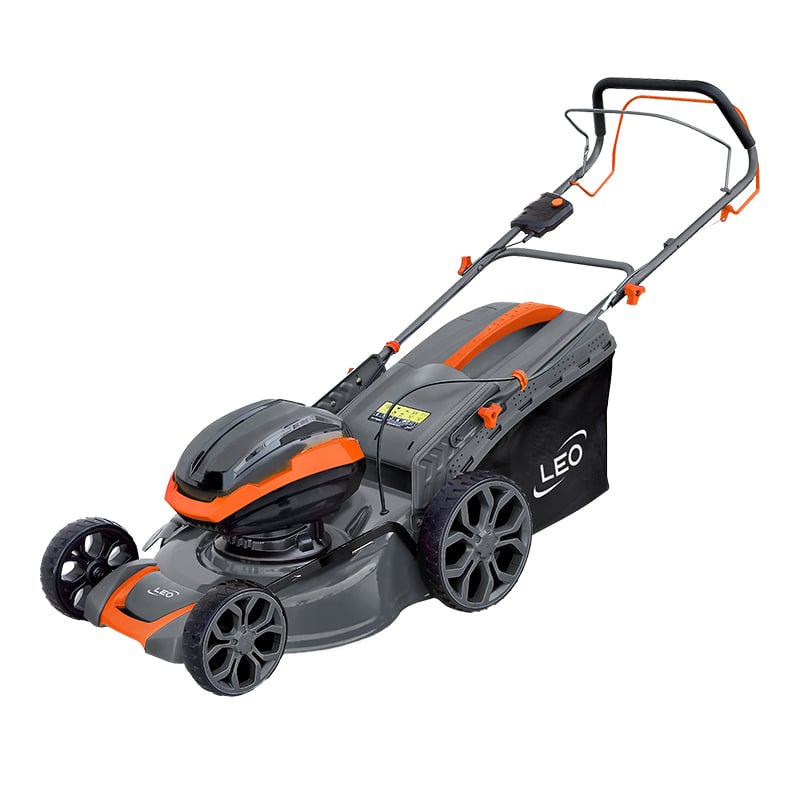
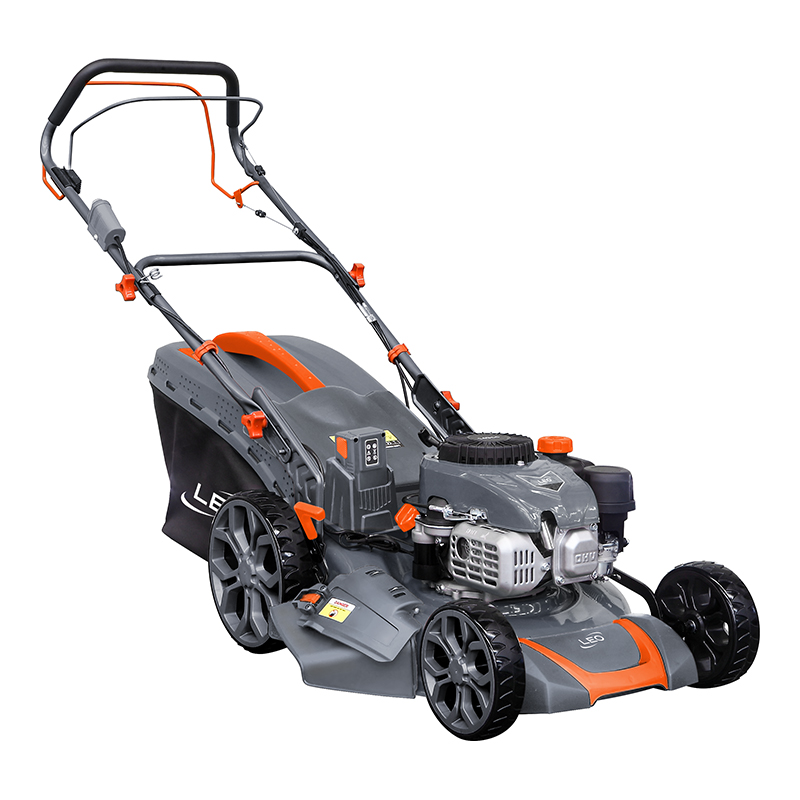
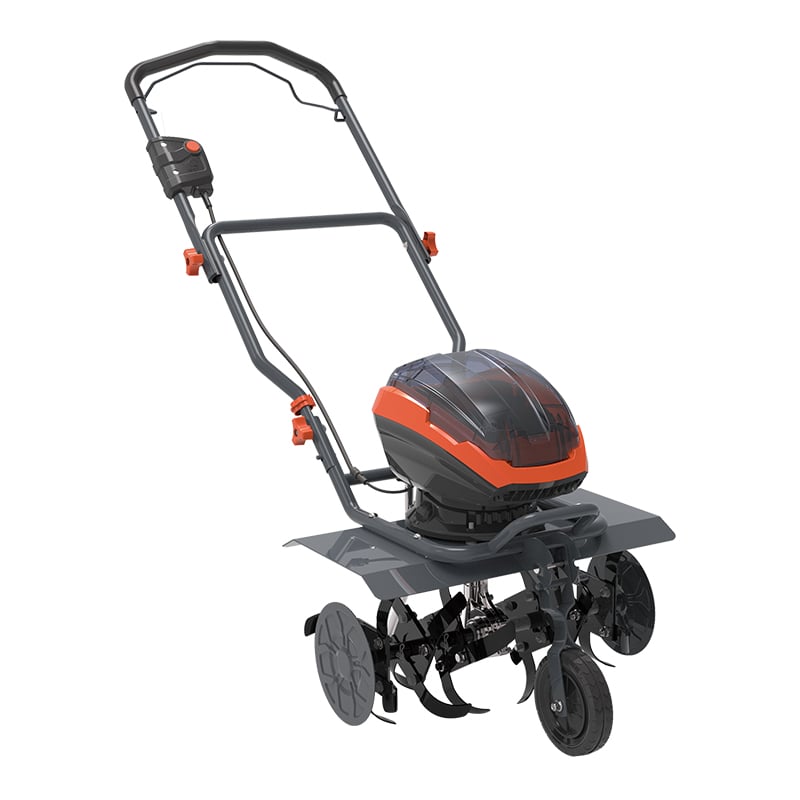
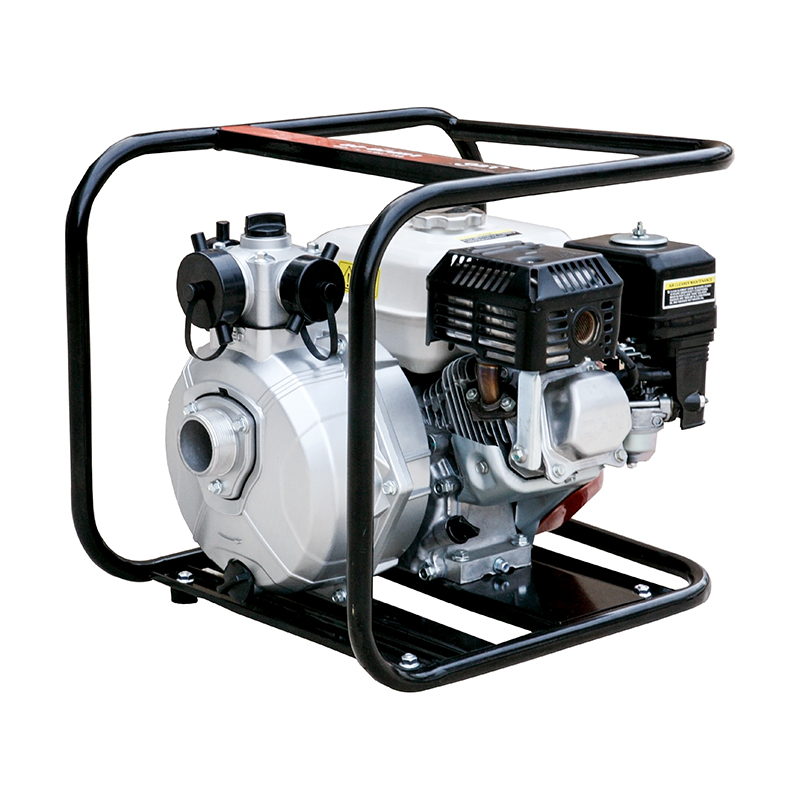
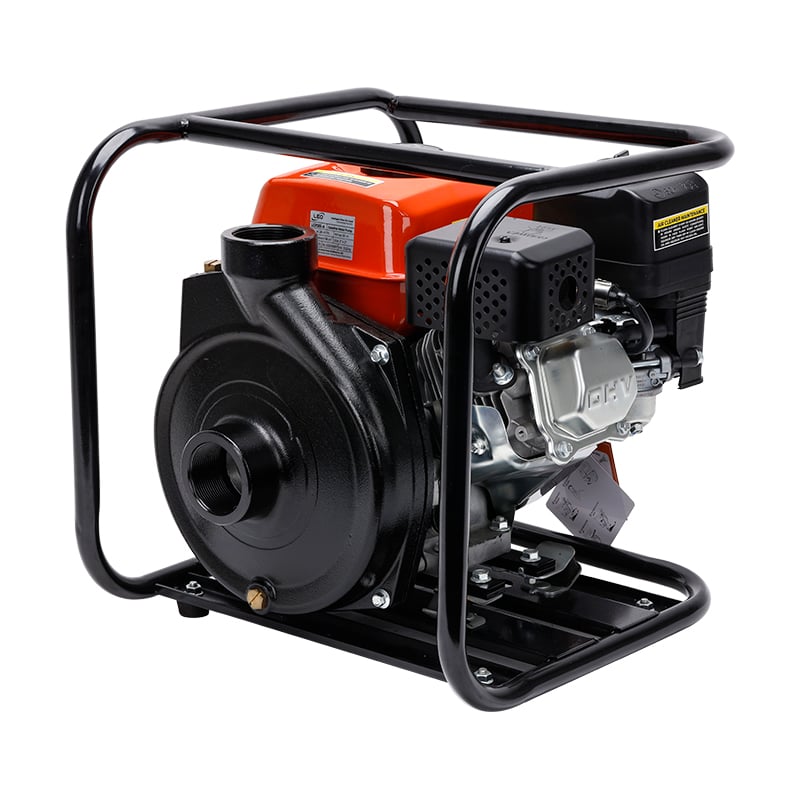
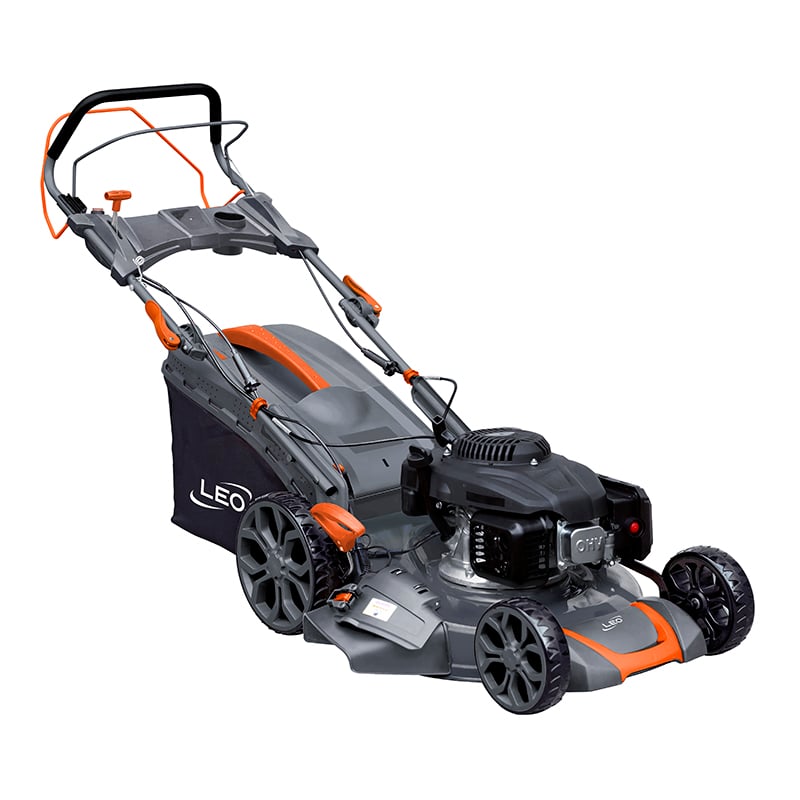
Buyers often prefer a garden machinery manufacturer with focused category knowledge because it simplifies assortment planning. A coherent range can cover common maintenance tasks across gardens, yards, landscaping work, and municipal green spaces: lawn mowers, ride-on mowers, shredders, mulchers, tillers, water pumps, and a brush cutter machine where that application is appropriate.
Range breadth is useful only when it remains manageable. A distributor should ask whether the supplier can explain where a petrol mower, a cordless mower, or a brush cutter machine fits in the end user’s workload. The answer should account for terrain, cutting frequency, local noise sensitivity, retailer positioning, and expected service needs. A garden machinery manufacturer that can make those distinctions gives the buyer a better basis for selecting an assortment instead of filling a catalogue with overlapping models.
This is also where lawn mower productivity becomes a practical commercial issue. It should not be reduced to a headline claim. For a professional user, productivity may depend on site conditions, cutting width, collection or discharge preferences, downtime, and access to consumable parts. Buyers should ask suppliers to identify the model-specific documents that support any performance statement.
Documentation and market readiness can outweigh a lower quotation
For EU-bound products, compliance preparation is part of supplier qualification. The European Commission explains that CE marking represents the manufacturer’s declaration that a product meets applicable legal requirements for CE marking. That does not mean every product in a catalogue is automatically approved for every destination. It means buyers should request the model-specific documentation needed for their intended market and verify it before committing to an order.
A dependable garden machinery manufacturer should be ready to discuss documents, labelling, manuals, packaging information, and the process used to keep technical files aligned with the product being supplied. For relevant outdoor equipment categories, buyers should also ask about noise documentation. The EU’s outdoor-equipment framework regulates environmental noise emissions for named equipment types, so any applicable noise label or limit should be confirmed against the actual model and market.
Good questions are more valuable than vague assurances. Ask which documents are available for the exact model, who reviews market-specific labelling, how changes to components are controlled, and whether the sample configuration is traceable to the production order. A garden machinery manufacturer that answers clearly is easier to evaluate than one that relies on generic certificates or broad statements.
Buyers value production consistency and transparent communication
The first sample can look excellent while repeat orders reveal variation. That is why buyers choose a garden machinery manufacturer that treats sample approval, specifications, and change control as operational processes. The important issue is not whether a factory claims to have quality control; it is whether the buyer can understand how the approved configuration is recorded and how deviations are communicated before shipment.
In practice, an importer can request a written specification summary, approved artwork, inspection points, and a defined contact for production questions. If a material, component, or packaging detail must change, early notice allows the buyer to judge the effect on the market. This approach is especially useful for private-label programmes, where a small inconsistency can create returns, warranty work, and avoidable retailer friction.
Supplier communication is equally important during seasonal planning. Garden equipment demand commonly rises around spring and early summer in temperate markets. A garden machinery manufacturer that gives realistic production and shipping information helps distributors place orders early enough to support their selling season. It is better to receive a realistic lead-time estimate than an optimistic date that cannot be maintained.
After-sales support protects the buyer’s reputation
International buyers also look beyond the initial shipment because end users judge the importer or retailer when a machine needs service. A garden machinery manufacturer can strengthen a distribution relationship by making manuals, parts identification, warranty procedures, and technical responses easier to access. None of these elements replaces a local service plan, but they can make that plan far more workable.
For example, questions about lawn mower safety standards should lead to model-specific documentation and clear user guidance, not marketing language. A buyer should also ask how spare parts are identified, whether service information is version-controlled, and how warranty cases are documented. With a brush cutter machine, the same principle applies: safe operation, compatible components, and reliable support matter as much as the initial specification.
The price tag is often the first number buyers compare. After a full selling season, however, the costs of returns, missing parts, unclear claims, and slow answers can matter just as much. That is why total cost of ownership belongs in any supplier review.
A practical checklist for selecting a garden machinery manufacturer
- Match the range to your customers. Define the garden sizes, user types, climates, and channels you serve before comparing models.
- Verify market documents by model. Request the relevant declarations, manuals, labelling details, and applicable noise information for the intended destination.
- Review sample-to-production control. Confirm how approved specifications, packaging, and component changes are recorded.
- Test communication quality. Notice how clearly the supplier answers questions about lead times, technical details, and exceptions.
- Plan support before launch. Discuss parts identification, warranty workflow, and escalation contacts with the garden machinery manufacturer.
- Compare total commercial risk. Consider reliability, documentation, supply planning, and service alongside the unit price.
Choose the partner that makes growth easier to manage
International buyers choose a garden machinery manufacturer when it gives them confidence across the whole supply relationship: sensible category coverage, verifiable documentation, consistent production, realistic seasonal planning, and useful after-sales cooperation. The right fit depends on the buyer’s market and operating model, not on a universal ranking.
Before placing a first order, turn the checklist into a supplier conversation. Ask for evidence tied to the exact products and markets you intend to serve. That disciplined approach helps buyers select a garden machinery manufacturer that supports a credible, serviceable garden-equipment programme over time.
 Hot News