
 EN
EN
Why Are Petrol Lawn Mowers Still Widely Used in Commercial Landscaping?
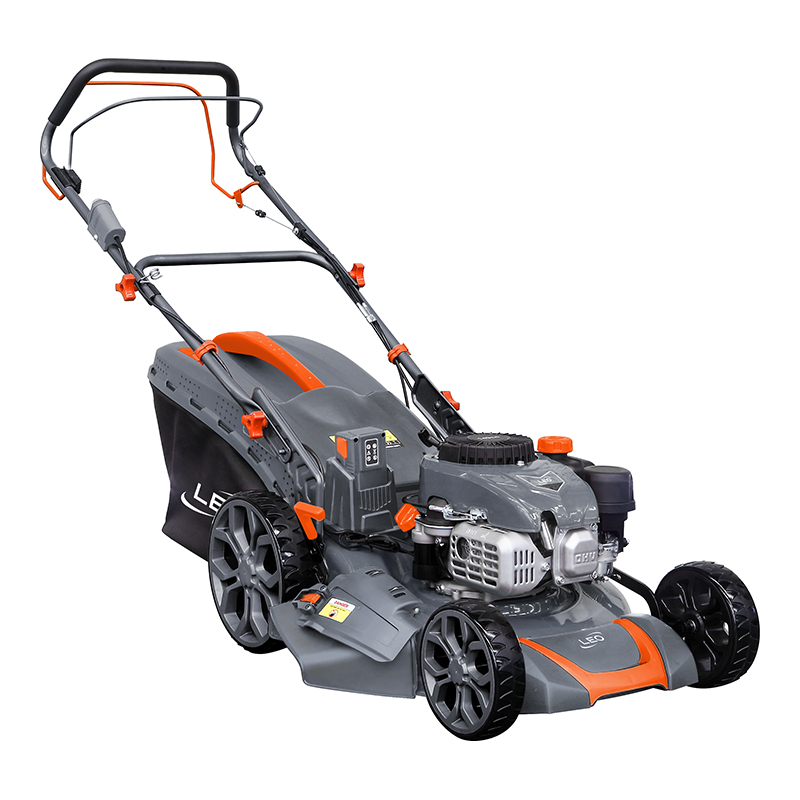
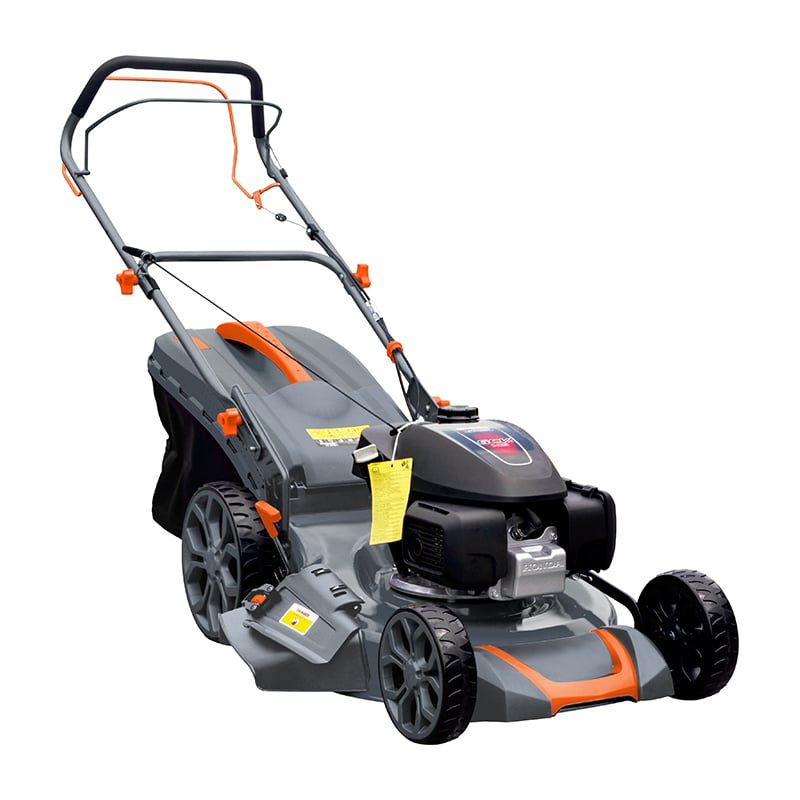
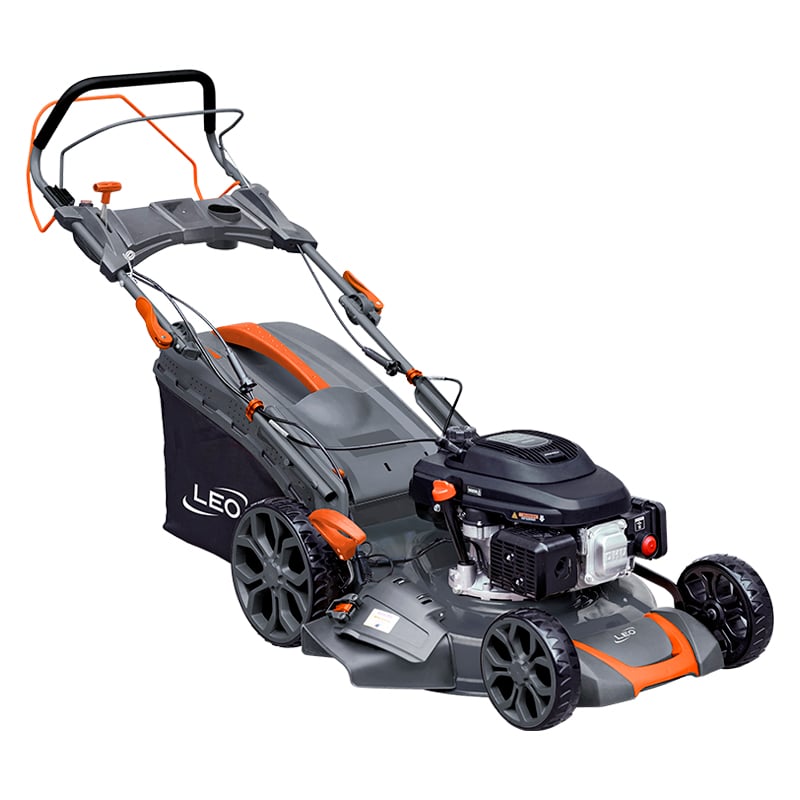
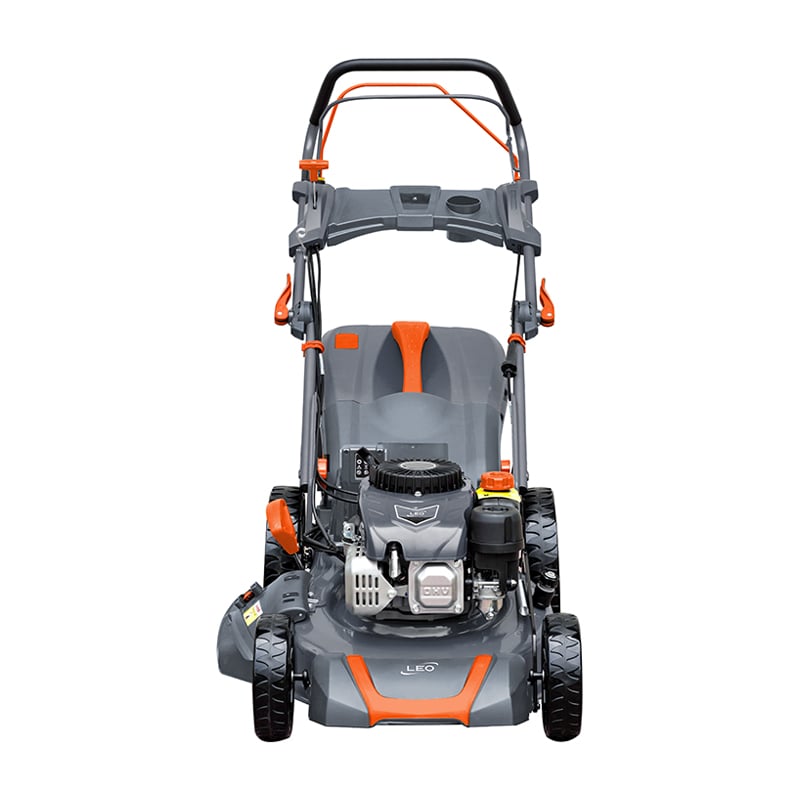
Battery equipment has changed the conversation in grounds care, but it has not made the petrol lawn mower obsolete. For a landscaping business, the right choice is usually less about following a power-source trend and more about completing scheduled work reliably across varied sites. A commercial lawn mower has to deal with damp growth, uneven ground, travel between jobs, long shifts and the occasional property where charging access is simply impractical.
From a contractor’s viewpoint, the useful question is not “petrol or battery?” in the abstract. It is: which machine keeps a crew moving through the day while meeting the rules and expectations at each site? On that test, petrol still has a clear place—although it is no longer the automatic answer for every job.
1. Refuelling keeps crews moving between sites
A landscaping business may service several properties in one day: a school lawn in the morning, a sports area after lunch, then residential grounds before the route ends. With a petrol lawn mower, an operator can refuel from an approved fuel container and continue working without waiting for a battery to recharge. That simple logistics advantage matters when the next site is a drive away and the crew has limited vehicle space for spare battery packs and chargers.
Battery systems work very well where routes, battery stock and charging windows are planned around them. Yet the operational buffer from petrol is still useful on unpredictable days. Extra growth after rain, a late-added callout or a mower shared between two teams can turn a carefully calculated battery plan into a delay. Petrol gives site managers a familiar way to recover lost time without redesigning the rest of the day.
2. Power under difficult cutting conditions remains important
Commercial crews do not necessarily cut dry, short turf. They encounter dense spring growth, longer grass after a missed service, slopes, rough edges and areas that have not been maintained to the same standard as a domestic garden. In those situations, a commercial lawn mower needs dependable cutting performance rather than an ideal-condition runtime figure.
That is why many contractors continue to value powerful equipment with a combustion engine. The practical benefit is not a claim that petrol is better in every condition; it is the confidence to take on a tougher patch without immediately changing batteries or slowing the planned route. Wider-deck commercial machines and different cut-handling options also support productivity on larger grounds. The choice should still be based on the mower’s actual deck, drive system, service support and conditions of use—not engine power alone.
3. Established fleets are built around petrol workflows
Most long-running landscaping operations have systems around the tools they already use: fuel storage, pre-start checks, transport racks, maintenance routines, spare blades and trained operators. Replacing a fleet is not only a purchase decision. It can mean changing vehicle loading, charging infrastructure, maintenance training and daily job sequencing.
For a small landscaping business, that transition can be gradual. Keeping a petrol lawn mower for high-demand work while adding cordless machines for quiet or light-maintenance sites may be more sensible than replacing every machine at once. The total-cost question includes downtime, parts availability and whether the new workflow helps the crew finish more jobs—not merely the price tag on the day of purchase.
4. Serviceability and parts support affect uptime
Professional users tend to judge garden tools by what happens after dozens of working hours, not by a showroom demonstration. A machine that is easy to inspect, clean, sharpen and return to service can be more valuable than one with an attractive specification but limited support. Petrol platforms have a large installed base, so many service teams are already familiar with routine engine, fuel-system and blade-maintenance work.
That does not mean every petrol model is equally easy to maintain, or that battery equipment cannot be serviceable. It means buyers should ask practical questions: Are consumables readily available? Can the dealer support the machine during peak mowing season? Is there a clear maintenance schedule? For distributors, a supplier with a broad garden-tools focus and a spare-parts commitment can help build a more reliable after-sales proposition.
5. Site flexibility matters more than a single universally suitable technology
The strongest case for petrol is flexibility. A contractor may need a machine that can operate far from mains power, travel with a crew and respond to heavy grass without relying on a fixed charging point. This is particularly relevant for rural properties, large campuses, municipal work and routes with inconsistent facilities.
At the same time, flexibility also means recognising where petrol is a poor fit. Noise-sensitive residential areas, indoor-adjacent work, sites with strict emissions policies and short routine cuts may favour cordless equipment. Outdoor machinery can require additional controls to manage noise, and responsible operators should consider local rules, client expectations, fuel handling and operator comfort before assigning equipment.
What commercial buyers should compare before choosing a petrol lawn mower
Rather than treating petrol as a default, use a route-by-route comparison. A good purchasing decision considers the work system around the machine.
- Typical grass condition: Is the team cutting maintained turf, long seasonal growth or mixed terrain?
- Daily route: How many sites are visited, and is charging access realistic at each one?
- Cutting capacity: Does the deck size, drive arrangement and collection or discharge method suit the properties being maintained?
- Uptime plan: Are fuel, servicing, spare blades and replacement parts easy to manage in season?
- Site constraints: What noise, emissions, storage and safety requirements apply?
- Operator readiness: Have workers received machine-specific training, including safe operation and refuelling procedures?
Petrol still earns its place—but selectively
The continued use of a petrol lawn mower in commercial landscaping is not simply resistance to new technology. It reflects the need for mobile energy, strong performance in changing conditions, familiar maintenance routines and dependable scheduling. For demanding routes, those advantages can outweigh the extra fuel and noise-management responsibilities.
For many teams, a mixed fleet is more practical than trying to make one power source suit every job. Choose petrol where long, demanding, remote or unpredictable work makes it practical. Choose battery equipment where quiet operation, local policy and predictable charging create a better fit. By matching the machine to the site, a landscaping business can protect productivity while making a more considered decision about its garden tools.
 Hot News