
 EN
What Should You Know Before Choosing a Gasoline Lawn Mower for Large Areas?
A large lawn turns mowing from a quick chore into a recurring work cycle. A gasoline lawn mower can be a sensible choice when runtime, thick growth, or distance from a power source makes smaller equipment frustrating. But “gas-powered” is not a complete specification. Before buying, match the machine to the area, terrain, mowing frequency, and the time you can realistically give to maintenance.
As a garden-machinery specialist, I would start with the site rather than the engine badge. A mower that feels capable on a short, flat demonstration strip can become tiring or slow across open grass, slopes, trees, and rough edges. The aim is not to buy the biggest machine available; it is to choose a setup that maintains a clean cut at a sustainable pace.
First, Define What “Large Area” Means for Your Work
Measure or estimate the mowable grass, not the entire property. Exclude buildings, flower beds, paved zones, and areas you will trim separately. Then note obstacles, gates, inclines, wet spots, and the distance to fuel storage. These details decide whether a walk-behind gasoline lawn mower remains practical or whether a riding format, lawn tractor, or contractor-grade solution deserves consideration.
There is no universal acreage cutoff. A relatively open, level lawn can suit a wide-deck self-propelled machine, while a smaller but steep, fragmented site may demand better traction and maneuverability. The important question is how long the full mowing route takes at the height and frequency you need—not just the plot size on paper.
Choose the Mower Format Before Comparing Engine Numbers
Push versus self-propelled walk-behind models
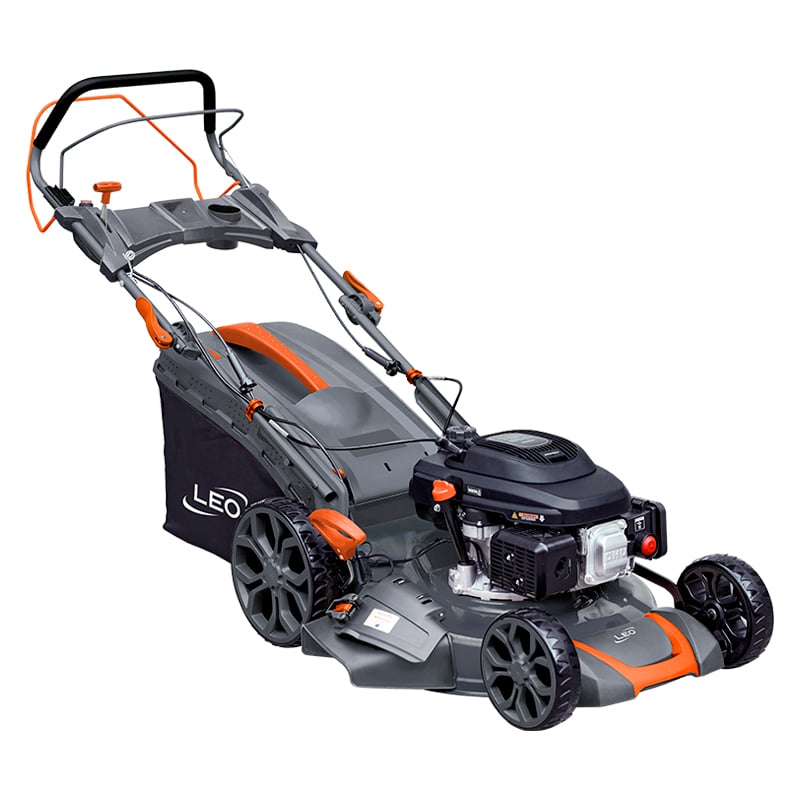
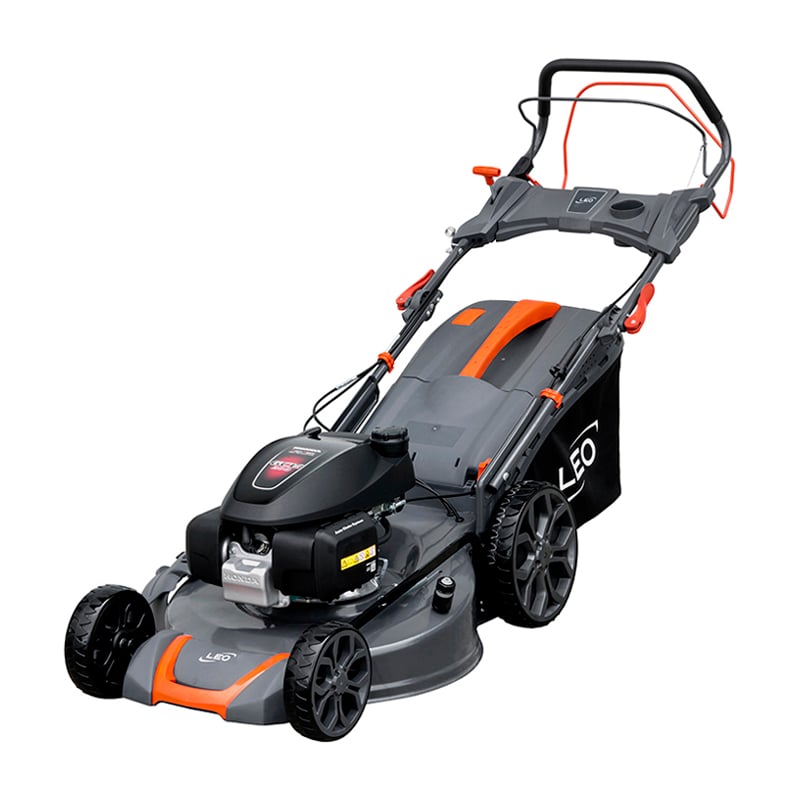
For sizeable grounds, self-propulsion usually deserves serious attention. A drive system reduces the effort of covering long straight runs and is especially useful with a full grass bag or on mild inclines. Check whether the drive speed can be adjusted. A fixed pace may be acceptable on open turf but awkward around trees, borders, or uneven patches.
A manual push mower can still work for a compact, smooth section of lawn, but it shifts more of the workload to the operator. For a large area, compare the effort over the whole route, including turns and bag emptying, rather than judging the machine by its empty weight alone.
When a zero turn mower or lawn tractor makes more sense
A zero turn mower can save time where there are many trees, islands, or landscaped edges because it can change direction tightly. It is not automatically the right fit for every slope or first-time operator, so assess control confidence, ground conditions, and local safety guidance. Lawn tractors may suit broad, open areas and can offer useful attachments, but their turning space, storage footprint, and service needs should be part of the decision.
If you are repeatedly pushing a walk-behind machine for hours, the issue may not be engine power. The mowing format may simply be mismatched to the workload.
Match Deck Width to Access and Cutting Quality
A wider deck reduces the number of passes, which is why it is attractive on open ground. However, the widest deck is only productive if it passes through gates, works around planting beds, and follows the contours of the site without scalping high spots. Measure the narrowest access point before treating deck width as an upgrade.
Deck construction and airflow matter too. In heavy or damp grass, a deck that clears clippings effectively is more useful than a headline width that leaves clumps behind. Consider whether you will mulch, discharge, or collect clippings. Collection can leave a tidier finish, but it adds stops and weight; mulching can be efficient when grass is cut regularly and conditions allow it.
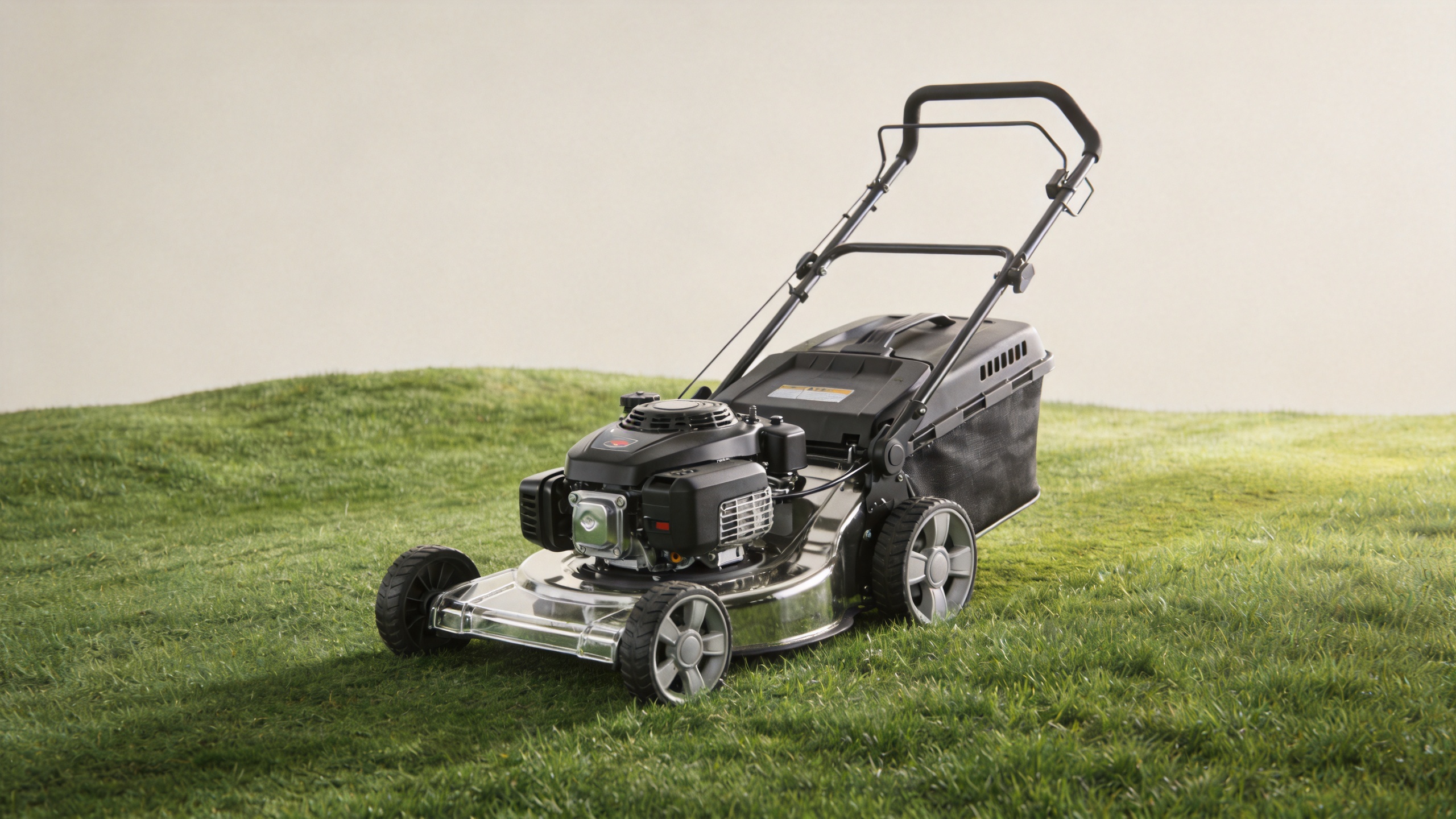
Look Beyond Displacement: Engine, Torque, and Drive
The number many buyers check first is engine displacement. It was only after using mowing equipment on uneven, thicker grass that the more useful question became whether the machine maintains blade speed and traction under load. A gasoline lawn mower needs enough usable output for your grass conditions, but a larger engine alone does not guarantee better results.
Review starting method, fuel-tank capacity, throttle controls, drive layout, wheel grip, and the availability of replacement blades and filters. If grass often grows long between cuts, select for that realistic condition rather than the ideal weekly trim. Equally, do not use a machine outside its stated operating guidance on steep slopes or wet ground.
Plan for Terrain, Operator Comfort, and Safety
- Slopes: Follow the mower manual on slope limits and travel direction. Stable footing and controlled speed matter more than finishing quickly.
- Rough ground: Look for robust wheels, sensible deck clearance, and a cutting-height range that avoids striking uneven turf.
- Controls: Test handle adjustment, bail-bar reach, speed controls, and the force needed to turn the machine.
- Noise and exhaust: A gasoline lawn mower may be practical for remote or extensive grounds, but noise, ventilation, fuel storage, and local rules are real operating constraints.
- Stopping and servicing: Confirm that blade-brake and drive controls are easy to use and that routine checks can be completed safely.
Calculate the Ownership Routine, Not Just the Purchase Price
The purchase price is only the first number. Over a season, fuel, oil, air filters, spark plugs, blade sharpening, storage preparation, and occasional repairs affect the ownership experience. For a frequently used gasoline lawn mower, parts availability and a clear service path can be more valuable than a small initial saving.
Ask where routine maintenance will happen. You need a dry storage area, approved fuel handling, a way to clean the deck safely, and a plan for seasonal servicing. If those steps are likely to be skipped, a simpler machine or professional service arrangement may be the more dependable choice.
Use This Pre-Purchase Checklist
- Measure mowable area and the narrowest gate or access path.
- Map slopes, obstacles, damp zones, and rough sections.
- Decide whether walk-behind, zero turn mower, or lawn tractor suits the route and operator.
- Compare deck width, cutting-height range, clipping method, and drive-speed control.
- Check engine-service access, replacement-part availability, storage, and fuel requirements.
- Read the manufacturer’s safety instructions before setting a budget or assuming a machine suits every slope.
Final Takeaway
The right gasoline lawn mower for a large area is one that fits the real mowing route, not simply the largest engine or widest deck. Start with terrain and workload, then balance deck coverage, propulsion, clipping management, serviceability, and safety. If the job includes many tight obstacles, evaluate a zero turn mower; if it is broad and open, lawn tractors may be worth comparing. A calm, site-specific comparison will lead to a more productive and manageable mowing routine.
 Hot News