
 EN
EN
What Should Importers Check Before Buying Garden Shredders?
Buying a garden shredder for resale is not simply a matter of comparing motor ratings and container prices. A distributor is buying a machine, a documentation package, a service commitment, and a repeatable production process at the same time. As a B2B procurement buyer, I would start with the conditions retailers and end users will actually face: dry branches versus wet green waste, seasonal demand, local noise expectations, and the availability of replacement parts after the first shipment.
That matters because a garden shredder that looks acceptable in a quotation can become expensive once returns, missing documents, slow spares, or inconsistent batches reach the local channel. The checklist below helps importers turn supplier selection into an evidence-based decision rather than a price-only exercise.
Start with the market and use case, not the catalogue
Before comparing suppliers, define which garden shredder configuration your market needs. Consumer search results commonly focus on branch handling, capacity, electric versus petrol options, and whether difficult green material clogs the feed. Those are useful demand signals, but they are not a substitute for a purchase specification.
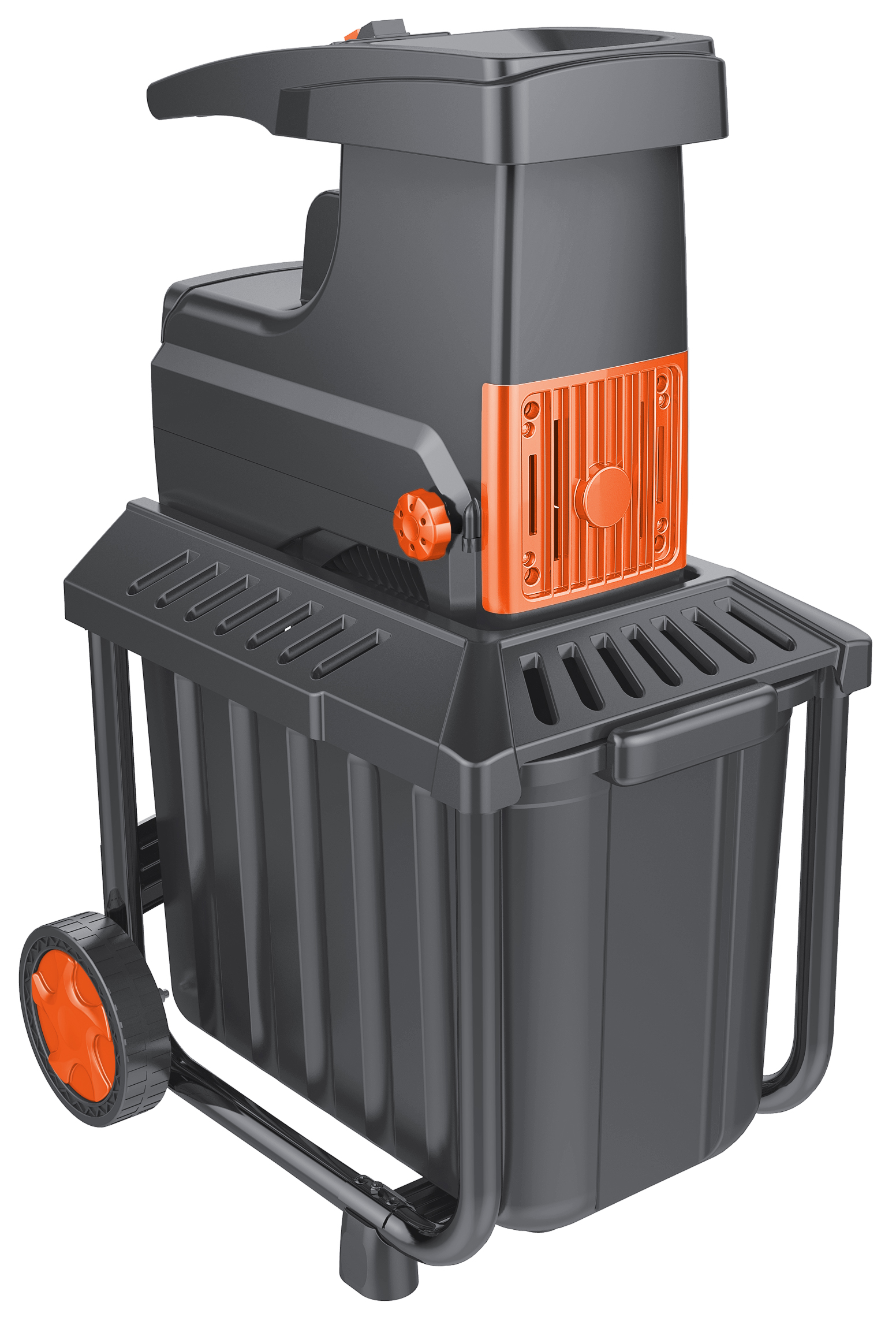
Write a short product brief that states the target user, intended waste types, maximum branch diameter claimed for the model, power source, outlet market, packaging language, and target sales season. For a residential electric unit, feed opening design, overload protection, collection method, wheels, storage footprint, and noise information may matter more than a headline motor number. For a heavier-duty range, durability, service access, and parts support deserve more weight.
There is no universally right garden shredder. A quiet design may suit a noise-sensitive residential channel, while a buyer serving larger plots may put more emphasis on throughput and robust feeding. The key is to make the trade-off explicit before asking a manufacturer for a quotation.
Evaluate the supplier behind the machine
Check manufacturing control and export readiness
Supplier selection should begin with verifiable operating evidence. Ask whether the factory controls final assembly, incoming component inspection, functional testing, packaging, and serial or batch identification. Request a factory overview, production-flow description, quality-control checkpoints, and examples of the documents supplied with export orders. A capable OEM equipment partner should be able to explain what it makes itself, what it sources, and who approves changes to critical components.
Also ask how the supplier plans capacity around the spring selling cycle. Garden machinery demand in many temperate markets is seasonal, so a quoted lead time means little unless it is matched to production capacity, material availability, shipping windows, and a clear order cut-off. Treat the answer as a planning commitment to test, not a marketing statement.
Assess communication and change control
A reliable manufacturer documents changes. Confirm how it notifies customers if the motor, cutter system, safety guard, plug, carton artwork, or supplied accessories change. Your purchase order should identify the approved sample, revision level, inspection standard, and the rule for obtaining written approval before a material substitution. This protects the importer when a later container does not match the sample that sales teams evaluated.
Turn the specification into a sample test plan
Do not approve a garden shredder from photographs or a broad data sheet alone. Request a representative sample and test it against a written protocol. The specification that matters most is the one that can be verified under the expected workload, because practical performance depends on the cutting system, feed design, material condition, and maintenance—not only on nominal power.
- Identity and build: Verify model code, rating label, plug and cable specification, fasteners, guards, wheels, handles, carton, manuals, and included tools against the approved bill of materials.
- Functional operation: Run start/stop controls, overload reset, interlocks, reverse function where fitted, and emergency or safety features as applicable to the design.
- Feed and cutting: Test the waste types your channel expects, separating dry woody material from damp or fibrous garden waste. Record how the machine feeds, whether it stalls, and whether its output is consistent.
- Serviceability: Check access to cutters, wear items, fasteners, and instructions. Ask which spare parts are stocked, lead times, minimum order quantities, and exploded diagrams.
- Packaging resilience: Review carton protection, label placement, pallet pattern, and drop-test evidence where relevant. Damage in transit can erase a small unit-price advantage quickly.
Use a pass/fail sheet with photographs, measured observations, and sign-off criteria. If a criterion cannot be verified at the sample stage, flag it for pre-shipment inspection rather than assuming it will be solved later.
Make quality inspection measurable at three stages
Quality inspection is more reliable when it is planned before production, not after a complaint. First, verify the approved sample and technical file. Second, conduct an in-process check when critical parts, labels, and safety assemblies are visible. Third, complete pre-shipment inspection against an agreed sampling plan. The goal is consistency between sample, production batch, and shipped container.
For each garden shredder batch, check visible workmanship, safety guards, electrical connections, assembly torque where your procedure requires it, function, accessories, cartons, and traceability marks. Compare the actual unit with the approved sample and purchase order, including language versions and destination-specific labels. Keep results by production lot so that a field issue can be traced rather than argued from memory.
It is tempting to inspect only the finished machine. Well, that can miss the source of repeat problems. An incoming check on motors, cutting components, cables, and molded guards may be more effective when those items have caused prior defects. Ask the supplier which defects it monitors internally and how corrective actions are verified in the next batch.
Verify compliance documents for the destination market
Compliance is a document-and-product question, not a logo question. For EU or EEA sales, ask a qualified compliance professional to confirm the requirements that apply to the exact garden shredder, its power source, and its intended market. The European Commission notes that Directive 2000/14/EC requires an EC declaration of conformity for covered outdoor equipment, and outdoor-noise obligations may include marking and information requirements. Keep the applicable scope tied to the specific model rather than making a blanket assumption.
Importers should request the declaration of conformity, test reports or supporting technical evidence as applicable, rating-label artwork, manuals, risk information, and the identity of the responsible economic operator. The EU Machinery Regulation, Regulation (EU) 2023/1230, becomes mandatory from 20 January 2027 according to the European Commission. That date is a useful trigger to review future product files and supplier responsibilities early; it is not a substitute for market-specific legal advice.
Protect the after-sales side before placing the order
A garden shredder can be easy to sell in peak season and difficult to support once cutters, switches, collection boxes, or safety parts are needed. Put warranty terms, claim response time, spare-parts pricing, minimum stock recommendations, and technical escalation contacts in writing. Ask the manufacturer for an initial spare-parts list and a practical forecast for the first selling season.
If you are sourcing OEM equipment, clarify ownership and approval rights for brand artwork, manuals, product photos, cartons, and model changes. Confirm whether the supplier can retain your approved configuration for repeat orders and how it prevents mixed components. A stable supplier relationship is built as much on these controls as on the first quotation.
Use this final importer checklist
- Define the garden shredder use case, target channel, destination, and non-negotiable specifications.
- Qualify the manufacturer’s production control, export experience, capacity plan, and change-notification process.
- Approve a representative sample using a written, repeatable test protocol.
- Set an inspection plan covering approved sample, in-process checks, and pre-shipment quality inspection.
- Verify destination-market documentation and labels for the exact model with competent compliance support.
- Agree on warranty, spares, traceability, packaging, artwork ownership, and corrective-action procedures before the deposit is paid.
A sound purchasing decision is rarely the lowest quoted price. It is the garden shredder program that can be demonstrated, inspected, documented, shipped on time, and supported after sale. By checking the supplier and the product system together, importers reduce preventable risk without overcomplicating procurement.
 Hot News