
 EN
EN
Ride On Mower Manufacturing Solutions for International Distributors
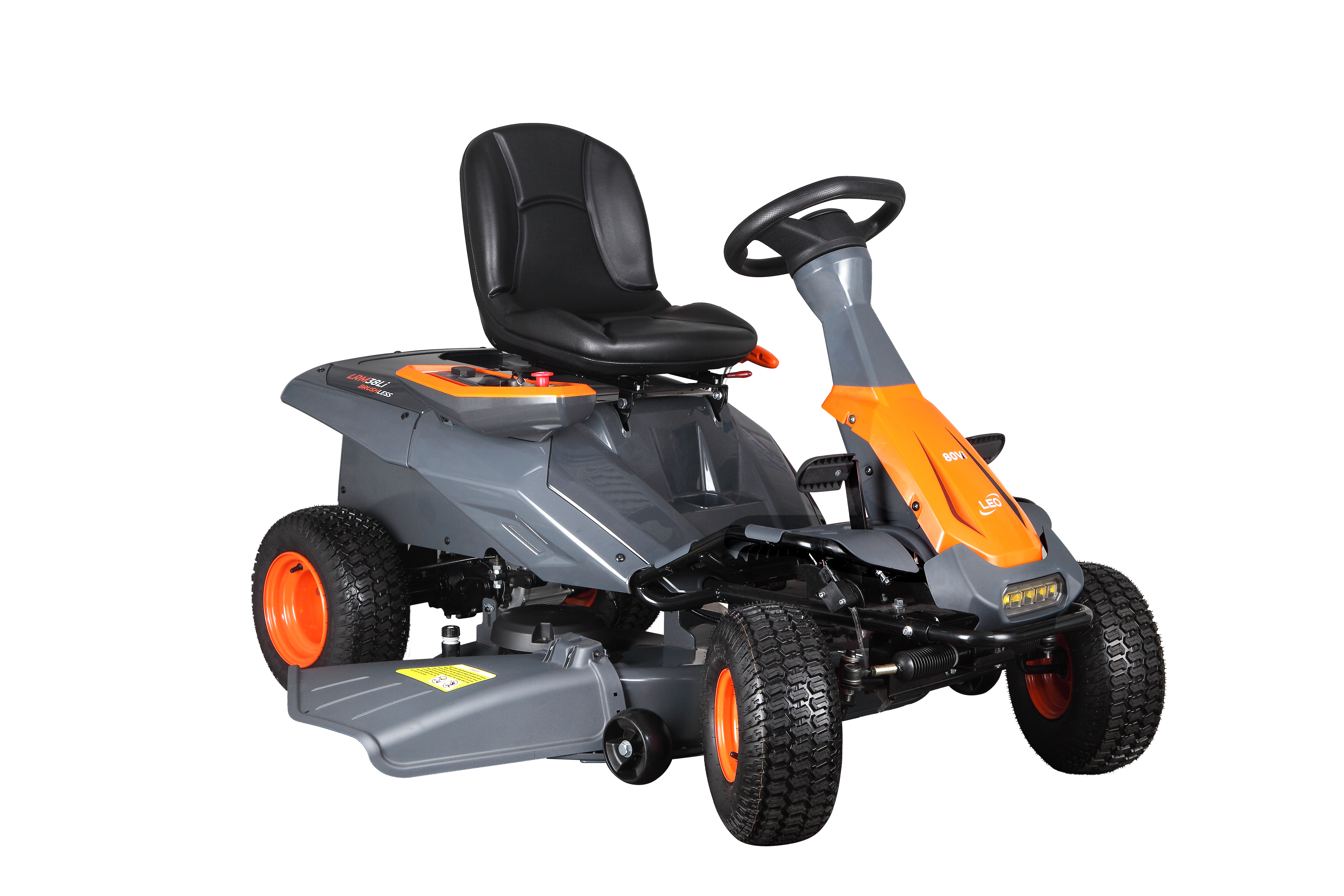
For an international distributor, choosing a ride on mower manufacturer is not a catalogue exercise. The first question is rarely “Which model looks strongest?” It is whether the supplier can support a repeatable product program: the right configurations for the market, controlled documentation, dependable parts planning, and a clear response when a field issue appears. A garden machinery factory may build capable machines, but a distributor needs a partner whose process can travel with the product.
That distinction matters before the first container is booked. Consumer search results focus heavily on large-yard coverage, comfort, deck formats, and zero-turn options. Those are useful retail conversations. For a wholesale equipment buyer, however, the harder work begins upstream: defining what the ride on mower range must do in a local channel and proving that an OEM mower supplier can deliver the same answer season after season.
Start With the Market You Need to Serve
A ride on mower program should be built from the customer’s operating conditions backward. Ask how much of the range is aimed at residential acreage, garden-centre shoppers, contractors, or mixed dealer networks. Terrain, grass conditions, storage constraints, operator expectations, and local service capacity all affect the configuration that makes sense. A broad range is not automatically a better range if the differences cannot be explained, stocked, or serviced locally.
There is a useful correction to the usual horsepower-first conversation. Engine output matters, of course, but distributors should also examine cutting-deck choices, transmission type, steering format, collection or mulching options, operator controls, service access, and the consistency of the parts list. A retailer may sell a machine once; the distributor has to support it through seasons of use.
- Define the core buyer segments and the working conditions each model must address.
- Separate must-have configurations from optional accessories before requesting quotations.
- Build a model-to-parts map early, rather than treating spares as a post-launch issue.
- Check whether packaging, manuals, labels, and warning information can be adapted for the intended market.
Qualify the Garden Machinery Factory, Not Only the Sample
A good sample demonstrates potential; it does not prove manufacturing control. When reviewing a garden machinery factory, ask how the factory converts an approved sample into an ongoing production standard. The practical evidence is often process-based: documented specifications, incoming-component checks, assembly controls, final inspection records, serial or batch traceability where applicable, and a defined path for handling nonconforming units.
For an OEM mower project, configuration control deserves particular attention. If a distributor approves a deck, engine arrangement, tyre specification, colour, packaging, or label set, the supplier should be able to identify that approved version clearly. Otherwise, small unannounced substitutions can become costly after arrival. Ask which changes require written approval, who owns the technical file for the agreed configuration, and how revised documents are issued.
It is also reasonable to ask for a production-readiness review before the first volume order. This should cover the approved bill of materials, inspection points, packaging method, pre-shipment checks, and the communication route for quality exceptions. The purpose is not to impose an unrealistic audit template; it is to make responsibilities visible while adjustments are still inexpensive.
Make Compliance Documentation a Model-Level Check
Compliance is not a generic promise attached to a brand. It is a model- and market-specific verification task. For distributors supplying the EU or EEA, the outdoor-equipment noise framework is a useful example: covered equipment may require CE marking, a stated sound-power indication, and an EC declaration of conformity. The applicable obligations depend on the product and destination, so distributors should verify the current rules and obtain the relevant documentation for each proposed ride on mower configuration before placing a market-specific order.
Request a documentation checklist rather than a vague statement of compliance. It can include the declaration, applicable test or assessment records, noise-label information where required, instructions, safety markings, and the product identifiers that link documents to the delivered machine. Have local compliance advisers validate what is necessary for the intended country. This is more useful than relying on a single certificate image that may not match the final configuration.
Plan Wholesale Equipment Around the Service Chain
Wholesale equipment succeeds when the support system is designed alongside the machine. A distributor should ask for recommended initial spare-parts packages, wear-item lists, exploded diagrams, service manuals, warranty workflows, and expected lead times for replenishment. The exact stock level will vary by channel, but the planning principle stays the same: do not wait for the first breakdown to discover whether a component can be identified and supplied.
Seasonality raises the stakes. Garden machinery demand often concentrates around the spring and early-summer selling period in temperate markets. A late shipment, incomplete documentation pack, or unavailable spare part can therefore affect more than one sale. Agree a planning calendar with the supplier that covers sample approval, artwork and document confirmation, production, inspection, shipment, and pre-season parts availability. Include a realistic buffer for changes rather than treating every date as fixed.
Use an OEM Mower Brief That Produces Comparable Quotes
Comparable quotations require a comparable brief. Send each candidate supplier the same operating requirements, target markets, configuration list, packaging expectations, document needs, expected order pattern, and after-sales questions. If one factory quotes a basic unit while another includes a different deck, engine, or support scope, a unit-price comparison will mislead the buying team.
| Evaluation area | Distributor question | Evidence to request |
|---|---|---|
| Product fit | Which ride on mower configurations match each buyer segment? | Model matrix, approved specifications, option list |
| Manufacturing control | How is the approved version protected in production? | Configuration record, inspection plan, change-control process |
| Market readiness | Which documents and labels apply to the destination? | Model-linked document checklist for local verification |
| After-sales | How will dealers identify and obtain service parts? | Parts catalogue, exploded views, proposed initial spares pack |
| Supply continuity | How are production and seasonal delivery risks communicated? | Lead-time plan, quality escalation contact, shipment milestones |
Choose a Supplier for Repeatability, Not Just the First Order
A useful supplier discussion is specific enough to reveal trade-offs. A factory with an attractive introductory price may still be the wrong fit if it cannot maintain configuration control or provide usable after-sales information. Conversely, a supplier with a higher initial quote may reduce avoidable cost if it supports clear documentation, responsive quality communication, and parts planning. There is no universal winner; the right choice depends on the markets served, the distributor’s technical capacity, and the promise made to dealers.
Before confirming an OEM mower partner, turn the evaluation into a short acceptance plan. Record the approved model configuration, document list, inspection expectations, packaging artwork, warranty route, first-order parts package, delivery milestones, and named escalation contacts. This transforms a supplier conversation into an operating framework.
Final Checklist for International Distributors
- Define the customer and terrain fit for every proposed ride on mower model.
- Approve model-specific specifications and formalize change control.
- Verify destination-market documentation with appropriate local expertise.
- Confirm inspection, packaging, shipment, and issue-escalation processes.
- Launch the service-parts plan before the first wholesale equipment shipment.
- Review supplier performance after the first season and use that evidence for the next order.
A dependable ride on mower range is built through the combination of product fit and operating discipline. By assessing the garden machinery factory as a long-term supply partner—not only as a source of samples—international distributors can create a more manageable launch, a stronger dealer proposition, and a clearer route to repeat business.
 Hot News