
 EN
How Garden Shredders Support Sustainable Landscaping Practices.
A sustainable landscape is often decided by what happens after pruning, not by the planting plan alone. Branches, hedge cuttings, dry stems, and leaf piles can become a costly stream of bags to remove, or they can stay on site as a useful resource. A garden shredder helps make the second option more manageable by reducing bulky material into pieces that are easier to compost, mulch, or store until the right use is clear.
From a garden-machinery perspective, the question is not simply whether a shredder makes waste disappear. It does not. The useful question is whether a garden shredder fits the volume, material mix, and reuse routine of the property. When it does, it can support green gardening by making a local material cycle practical rather than aspirational.
Why unprocessed green waste creates a landscaping problem
Fresh pruning is awkward. Long, springy branches take up space in a bin, leaves can blow across the site, and mixed piles are difficult to turn into a consistent compost ingredient. That inconvenience is why usable organic material is sometimes treated as rubbish. Yet composting yard trimmings keeps nutrients and organic matter in a local cycle instead of sending everything away for disposal.
A garden shredder changes the handling step. Smaller pieces occupy less volume, expose more cut surfaces, and mix more evenly with other compost ingredients. That does not mean every shredded pile becomes finished compost automatically; moisture, airflow, and the balance between woody and softer material still matter. But the material is usually easier to manage from that point forward.
From pruning pile to useful landscape material
The most sustainable workflow is simple enough to repeat during the season. Sort material as you work. Put clean, healthy woody prunings and dry stems aside for shredding; reserve softer green material for a mixed compost pile; and keep diseased plants, invasive seed heads, plastic ties, stones, and treated timber out of the feed. This small sorting habit protects both the machine and the quality of the material you intend to reuse.
- Prune with a destination in mind. Separate material that can be composted or used as coarse mulch from material that should be removed under local plant-health guidance.
- Feed gradually. A garden shredder operates more reliably when branches stay within its stated capacity and are fed at a controlled pace. Forcing oversized or tangled material can create jams and a poor-quality output.
- Match the output to the next job. Coarser chips can suit paths or the surface of established beds, while finer material can be blended into a composting system with nitrogen-rich green inputs.
- Store or apply thoughtfully. Keep fresh woody chips away from direct contact with plant stems, and allow an active compost mix time to mature before using it around sensitive plants.
That sequence turns one maintenance task into several recycling solutions: less bulky handling, a compost-carbon source, surface cover for suitable areas, and a clearer record of what remains on the property.
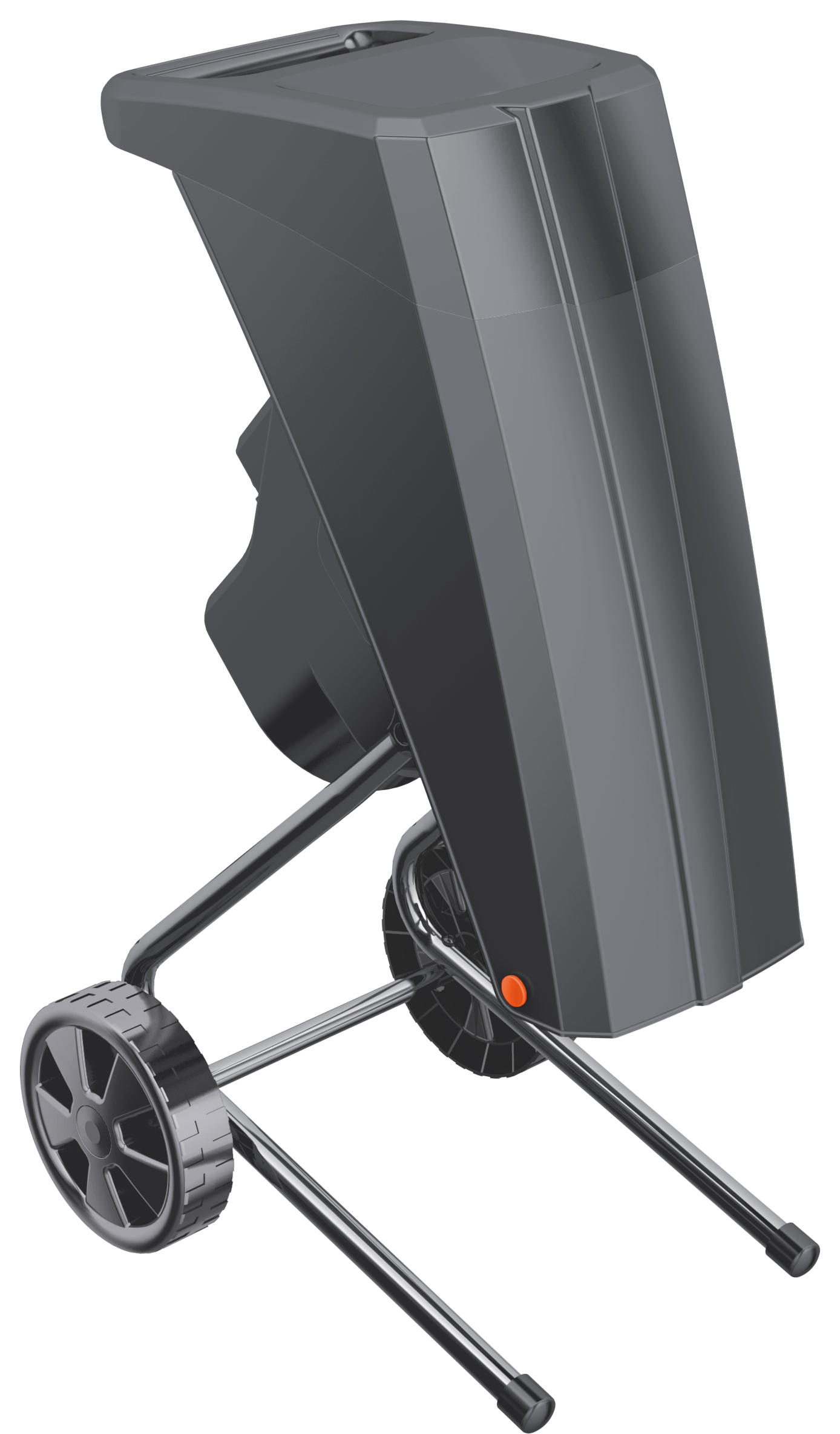 Clean shredded prunings can be managed as compost feedstock or used as appropriate landscape mulch.
How shredded material can support healthier beds
Finished compost can improve the way soil holds moisture and nutrients, and surface compost or mulch can help reduce erosion pressure on exposed beds. Those benefits depend on the material being mature and used appropriately, but they explain why shredding has value beyond a tidy-looking garden. It prepares organic matter for a more useful next stage.
For example, a mixed compost pile needs both moisture and air. Very fine, wet material can compact, while a small amount of shredded twiggy material helps maintain pockets for air movement. Conversely, a layer of coarse fresh chips may be more useful around shrubs or on a path than buried directly in a vegetable bed. The right outcome depends on the landscape zone, the material, and the timing.
Choosing a garden shredder for sustainable use
Choosing eco equipment is not only about a label or a power source. A garden shredder should be selected for the work it will actually do, because an under-sized machine that constantly blocks is unlikely to support a consistent reuse routine. Consider the typical branch diameter, the ratio of dry woody material to leafy cuttings, available storage space, and how often the garden is maintained.
Capacity should match real pruning, not an occasional outlier
Check the manufacturer’s stated branch capacity and treat it as a practical ceiling, not an invitation to feed every irregular limb. If the garden produces mostly hedge trimmings and thin branches, a compact unit may be adequate. If mature shrubs and small trees are maintained regularly, a more robust configuration may make the workflow safer and less frustrating.
Consider output and neighbourhood conditions
Some gardeners prioritise quietness above everything else. It is worth qualifying that choice: lower noise can matter in a close residential setting, but throughput, safe feeding, and chip consistency matter too when clearing a larger garden. A quiet operating design can be a useful factor for noise-sensitive neighbourhoods, provided the machine still suits the workload and approved operating times.
Plan for maintenance and safe operation
Sharp cutting components, clear feed paths, and a dry storage routine help a garden shredder produce more consistent material over time. Wear appropriate eye and hand protection, follow the machine’s instructions, and disconnect power before clearing a blockage. Sustainable landscaping should reduce avoidable waste without creating avoidable safety risks.
Where a garden shredder has limits
A garden shredder is not a universal answer for every piece of garden waste. Avoid feeding diseased plants when local guidance recommends separate disposal, and do not use it for soil-covered roots, wire-bound material, painted wood, or construction offcuts. These inputs may damage the machine or introduce contaminants into compost and mulch.
It is also sensible to avoid overclaiming the climate benefit of one tool. The benefit comes from a repeatable system: reducing unnecessary hauling, using suitable organic material locally, maintaining the tool so it lasts, and applying finished material where it genuinely serves the landscape. A shredder supports that system; it does not replace thoughtful site management.
A practical seasonal routine for greener landscaping
Try a simple rhythm. In spring, keep light prunings for compost blends and use only mature compost near new planting. In summer, use clean coarse chips to cover suitable paths or the soil around established shrubs, leaving space around stems. In autumn, collect leaves and twiggy cuttings in separate piles so they can be shredded and mixed rather than compacted into a wet mass. During winter, clean and inspect the garden shredder, then plan which beds or paths can use the material next season.
This approach makes landscaping more circular without making it needlessly complicated. Instead of treating every pruning as a disposal problem, you build a practical chain from maintenance to material recovery. That is the everyday value of a garden shredder in green gardening: it helps convert manageable garden residues into inputs for the same landscape that produced them.
 Hot News