
 EN
Why Are Electric Garden Machines More Popular in Urban Areas?
In a city garden, the choice of equipment is rarely just about mowing a lawn or trimming a hedge. It is also about the neighbour on the other side of the fence, the distance to a socket, the width of a side gate, and the room left in a shed. That is why electric garden machines are gaining attention in urban gardening: they answer several everyday constraints at once.
The shift is not a claim that electric power suits every job. A large, rough property or a long commercial shift may still call for another power source. But for a compact lawn, courtyard, terrace border, or shared residential setting, electric garden machines often make the routine work easier to fit into ordinary life.
Urban gardening changes what “practical” means
Urban gardening usually means working in smaller, more detailed spaces. There may be narrow access paths, raised beds, bicycles in the storage area, and planted corners that need careful manoeuvring. In that setting, a lighter mower, trimmer, blower, or shredder can be easier to carry out, turn around, and place back in its storage spot after use.
Storage matters just as much. A machine that folds, separates into compact parts, or shares batteries with other tools can reduce the amount of equipment a household keeps. Before buying electric garden machines, measure the shed door, the route from storage to the garden, and the narrowest passage around beds or access points. A wide cutting deck can save time on an open lawn, but it can become awkward in a garden divided by paths and borders.
For many city residents, the appeal is not raw power. It is a tool that is ready for a 20-minute task and does not turn a small job into a fuel, oil, and storage project.
Quiet equipment fits closer neighbourhoods
Noise travels differently where homes are close together. A tool used in a detached rural garden may be barely noticed; the same tool in a courtyard or terrace-house garden can dominate the soundscape. Quiet equipment is therefore a practical feature, not simply a comfort feature. It gives people more flexibility to tidy edges, clear leaves, or process prunings at considerate times.
Electric does not mean silent. Blade noise, airflow, branches in a shredder, and hard surfaces can still be loud. Yet electric garden machines generally remove the engine note and vibration associated with petrol equipment, which can make the overall experience more acceptable in a residential setting. The European Commission notes that Directive 2000/14/EC regulates environmental noise emissions from outdoor equipment; that context helps explain why noise information has become part of an informed purchase decision.
Compare the declared sound figures for the exact model, not a generic category label. A quiet mower may be a sensible choice for weekly lawn care, while a higher-capacity machine may still suit a larger site with fewer nearby homes.
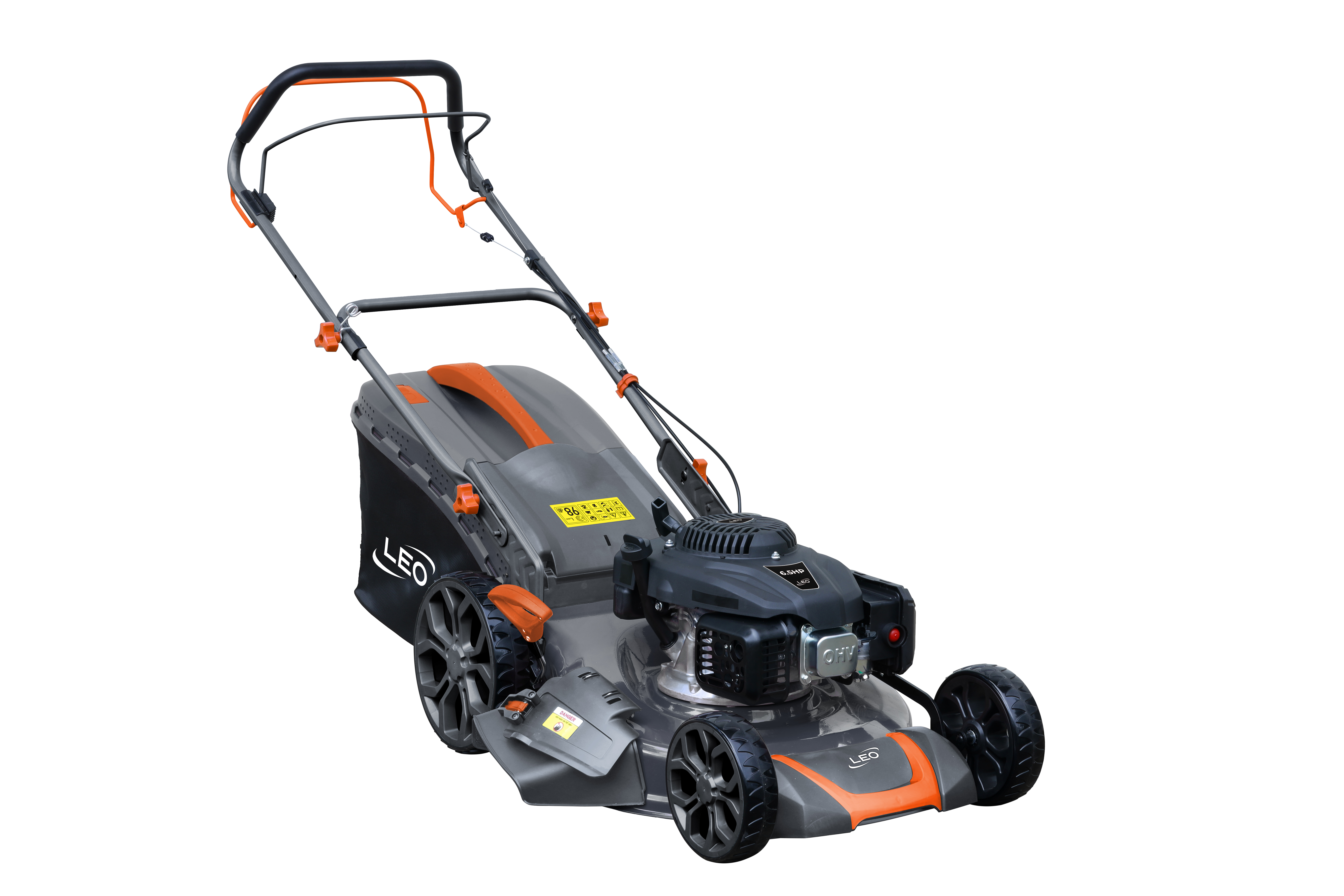 Compact electric equipment can suit detailed urban garden layouts.
Low emission at the point of use is relevant in dense areas
One reason people consider electric garden machines is their low emission operation at the point of use. They do not produce exhaust where they are being used, which is meaningful when work happens beside open windows, patios, play areas, or shared paths. The European Commission includes small gardening equipment such as lawn mowers in its non-road mobile machinery emissions context, so the contrast with combustion-powered equipment is more than a marketing preference.
That said, sustainable tools deserve a more careful discussion than “electric equals green.” The electricity used for charging, battery manufacture, repairability, and the useful life of the machine all affect its wider footprint. A durable tool that matches the task, is maintained well, and remains usable for several seasons is a stronger sustainability choice than an oversized product bought for occasional work.
When comparing electric garden machines, ask whether the battery works across a compatible tool range, whether replacement batteries and parts are available, and whether the stated runtime matches the garden size. Those questions make the sustainability conversation more concrete.
Battery systems reduce friction for routine jobs
Cordless electric garden machines are popular because they remove two common frustrations at once: managing a cable around borders and starting a small engine for a short task. A shared battery platform can make urban gardening simpler when the same batteries serve a mower, trimmer, blower, or pruning tool.
Runtime is the condition that should shape the decision. A compact city lawn may be comfortably covered on one charge; a larger, damp, overgrown lawn may not be. My default assumption was that cordless was usually the smarter choice. That holds for many small plots, but a larger site, overgrown lawn growth, or repeated heavy work can make spare batteries, a corded option, or a different machine more practical.
For a useful comparison, list the jobs you actually do in a month. Then match battery capacity, charging time, cutting width, and tool weight to those jobs. This is more reliable than choosing by headline voltage alone.
Ease of use brings more people into garden care
Electric garden machines can lower the barrier for people who want to maintain a small outdoor space without learning a complex maintenance routine. There is no fuel mixing for a battery tool, fewer engine-service tasks, and often a more direct start sequence. That does not remove the need for safety: users still need suitable footwear, eye protection where relevant, charged batteries stored correctly, and a clear working area.
The format also suits the rhythm of urban gardening. A resident may mow a small lawn after work, trim an edge before visitors arrive, or clear a path after a windy day. Equipment that is easy to lift, quick to start, and straightforward to put back after use is more likely to be used regularly.
How to choose electric garden machines for an urban plot
- Start with the space: map lawn size, slopes, obstacles, access width, and storage limits.
- Check the sound data: choose quiet equipment based on the actual model’s declared figures and the hours you can realistically use it.
- Match runtime to the job: factor in wet or long lawn growth, which can demand more from a mower or trimmer.
- Look beyond local exhaust: prioritise sustainable tools with repair support, available parts, and battery compatibility where that fits your needs.
- Keep the scale honest: electric garden machines are compelling for many city plots, but a very large or demanding site may need a different setup.
The practical reason behind the trend
The popularity of electric garden machines in urban areas comes from a close match between the tool and the setting. Smaller spaces reward manoeuvrability and easy storage. Nearby neighbours make quieter operation valuable. Local exhaust-free use and a more considered approach to sustainable tools appeal to households that want their garden routine to fit the way they live.
For urban gardening, the useful question is not whether every machine should be electric. It is whether the tool makes regular care simpler, more considerate, and appropriate for the actual plot. For many residents, that is exactly what electric garden machines can do.
 Hot News