
 EN
What Are the Key Quality Checks for Garden Machinery Production?
For an importer, distributor, or private-label team, the useful question is not whether a factory says it performs quality control. It is whether the controls can be seen, traced, and repeated from incoming parts through shipment release. A capable garden machinery manufacturer should be able to show how a mower, tiller, shredder, or water pump is checked at each stage of the production process—and how the factory reacts when a unit does not meet the agreed requirement.
That matters because garden equipment combines moving parts, power systems, safety guards, packaging, and seasonal demand. A cosmetic check at the end of the line cannot compensate for an incorrect blade, a loose fastener, an unverified electrical connection, or a component substitution upstream. The following framework helps buyers turn a factory inspection from a general tour into a practical review of evidence.
Start With a Clear Quality Plan Before Production
Quality begins before parts arrive on the line. For OEM programs, the buyer and manufacturer should agree a controlled specification pack: drawings or approved samples, bill of materials, performance requirements, packaging artwork, labelling, inspection points, and acceptance criteria. The document should identify which requirements are critical to safety, fit, function, and appearance.
Ask how the factory controls revisions. A line team should be working from the current approved version, not an old sample or an informal message. This is particularly important when an OEM order changes a handle, deck finish, engine configuration, battery pack, carton, or instruction manual. The relevant production process record should show who approved the change, when it became effective, and how older stock was separated.
Check Incoming Materials and Supplier Controls
The first meaningful gate is incoming inspection. A garden machinery manufacturer should be able to identify key components and match them to purchase records, inspection results, and batch or lot information where applicable. Depending on the model, buyers may review blades, deck material, motors or engines, switches, wiring harnesses, batteries, wheels, fasteners, guards, and packaging materials.
- Identity and specification: Do labels, part numbers, dimensions, and approved samples match the purchase requirement?
- Condition: Are corrosion, deformation, damaged insulation, loose hardware, or transit damage screened out before assembly?
- Traceability: Can the factory connect a received batch to the production lot and, later, to a shipment?
- Nonconforming parts: Are rejected items clearly segregated, recorded, and prevented from returning to the line without disposition?
One useful factory inspection question is simple: “Show me a component that was rejected recently and the record of what happened next.” The answer reveals more than a clean warehouse does. It shows whether quality control is an active system or a display prepared for visitors.
Inspect Process Controls at the Assembly Line
Assembly checks should focus on operations where an error can become hidden later. On a mower, that may include blade installation, guard fitment, cable routing, torque-controlled fastening, drive engagement, and cutting-height adjustment. On a shredder, it may include feed-hopper alignment, cutting-system guarding, electrical connections, and interlocks. The exact checks vary by model, but the logic is consistent: verify the operation at the point where it is performed.
During a factory inspection, look for work instructions at the station, suitable tools, clear defect samples or standards, and records for critical measurements. If torque, electrical tests, alignment, or leak checks matter to the product, ask how the result is recorded and how an out-of-tolerance result stops or contains affected units. A credible garden machinery manufacturer does not need to claim that every process is identical; it should explain the controls that apply to the model you are buying.
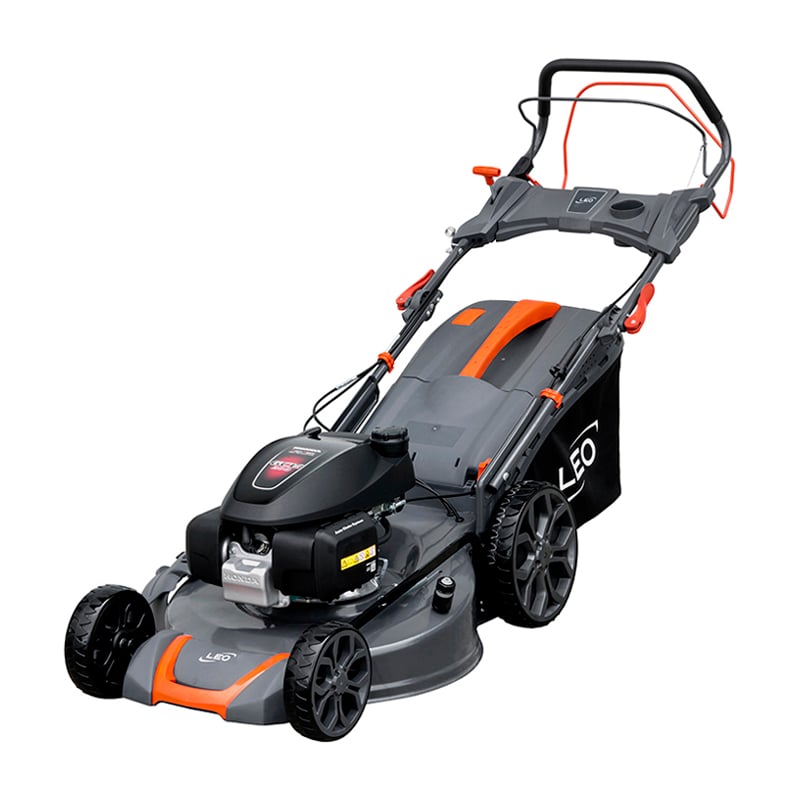
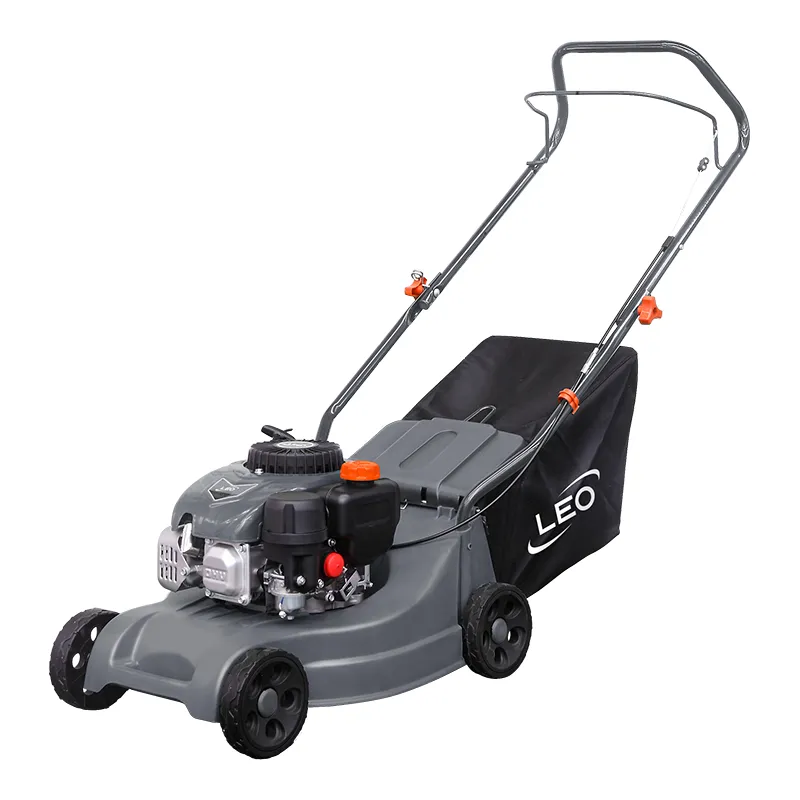 Documented assembly-line checks help buyers review process controls before shipment.
Verify Functional and Safety Checks on Finished Machines
Final inspection is where the assembled machine is tested against the agreed specification. It should include visual appearance, completeness, labels, controls, and functional operation appropriate to the product type. For powered equipment, buyers should confirm the manufacturer’s test method and acceptance criteria rather than relying on a brief demonstration.
| Check area | What to review | Evidence to request |
|---|---|---|
| Mechanical fit | Guards, handles, wheels, fasteners, moving assemblies | Inspection checklist and sampling rule |
| Function | Start/stop operation, drive or cutting functions, adjustments | Test record tied to model or production lot |
| Electrical or battery system | Connections, switches, charging interfaces, safety features | Applicable test method and nonconformance record |
| Appearance and labelling | Finish, decals, warnings, serial or lot marking, manuals | Approved artwork and final inspection sign-off |
For products destined for the EU, compliance planning should be part of the review. The EU Machinery Regulation (EU) 2023/1230 is scheduled to apply on a mandatory basis from 20 January 2027. That date does not replace product-specific assessment, but it reinforces why buyers should request current technical documentation and confirm market requirements with qualified compliance personnel.
Use Pre-Shipment Inspection to Verify the Order, Not Just the Sample
A pre-shipment inspection should sample finished goods from the actual order and compare them with the approved specification, packaging requirements, and quantity. It is a release decision for a shipment—not a substitute for line control. Review carton markings, accessories, manuals, spare-parts packs where applicable, pallet condition, and loading readiness alongside the machines themselves.
For a private-label or OEM order, check that branding, labels, and documentation match the approved files. Ask whether the inspection report identifies the lot, date, sample size, defects found, rework performed, and final disposition. This makes the quality control trail useful if a problem appears after arrival.
Assess the Corrective-Action System
Even a disciplined production process can produce defects. The differentiator is how the factory contains, investigates, and corrects them. Ask for an example of a recent nonconformance record with commercial details removed. A meaningful record describes the issue, affected scope, immediate containment, root-cause investigation, corrective action, owner, due date, and verification of effectiveness.
This is especially important for an OEM relationship because repeated batch consistency affects the buyer’s own brand. ISO 9001:2015 is a quality-management-system requirements standard, but a certificate alone is not proof that a specific order meets specification. Use it as one piece of background evidence, then test the operating discipline through documents, observations, and inspection results.
A Practical Buyer Checklist for the Factory Visit
- Confirm the approved specification and latest revision used for the order.
- Trace one key component from incoming inspection to the finished product lot.
- Observe at least one critical assembly operation and its recorded control.
- Review functional-test criteria for the exact model, not a similar model.
- Check segregation and disposition of nonconforming material.
- Compare labels, manuals, packaging, and accessories with approved OEM files.
- Review a pre-shipment report and a closed corrective-action example.
A strong garden machinery manufacturer makes this evidence accessible because it supports a repeatable partnership. Buyers should document open points, assign owners, and agree what must be resolved before shipment. That approach turns quality control, factory inspection, and OEM communication into a shared operating process rather than a one-time audit event.


 Hot News