
 EN
How Garden Machinery Manufacturers Improve Product Safety Standards?
For a distributor, importer, or private-label buyer, the safety record of a garden machinery manufacturer is not a box to tick after a model is chosen. It is evidence of how design decisions, supplier controls, assembly work, and service feedback are managed together. Blades, rotating parts, hot engines, batteries, and projected debris create different risks, so dependable safety is built into a product long before a finished carton reaches a warehouse.
A capable garden machinery manufacturer treats safety as a repeatable system rather than a final inspection. That system normally begins with risk assessment, translates risks into equipment design requirements, verifies them through safety testing, and maintains records that let a buyer trace what was checked. The practical question for procurement teams is not simply whether a supplier says a machine is safe; it is whether the supplier can explain and document those controls.
Start with risk assessment, not a late-stage test
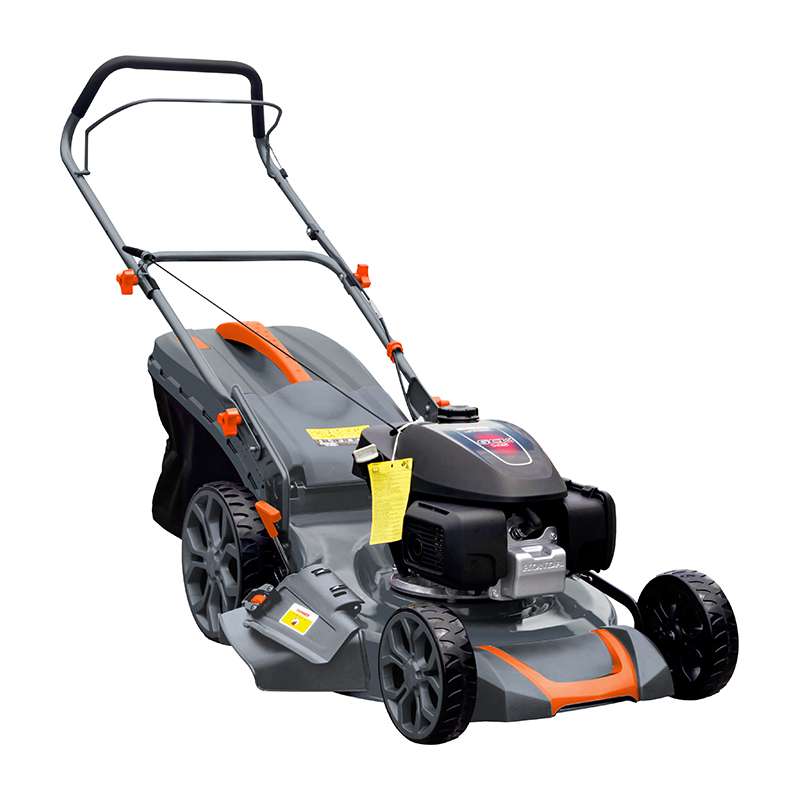
Every credible safety program starts by mapping foreseeable use and foreseeable misuse. For a mower, that can include access to a cutting area, discharge of debris, unstable operation on uneven ground, unexpected start-up, transport, maintenance, and storage. For shredders, it may include feed-zone access, jams, restart behavior, and noise exposure. A garden machinery manufacturer should turn each risk into a design requirement, a verification activity, and a record of the result.
This approach matters because a defect is cheaper to address in a drawing or prototype than after production tooling and packaging are complete. In the EU context, machinery legislation combines essential health and safety requirements with harmonised standards. The exact obligations depend on the product and market, but the discipline is useful everywhere: identify hazards, choose safeguards, confirm that safeguards work, and keep the supporting evidence current.
Use equipment design to reduce exposure to hazards
Good equipment design does not rely on warnings alone. It first reduces the chance that an operator can reach or encounter the hazard. Depending on the machine category, this may involve guards and covers around rotating components, interlocks or control logic that prevent unsafe operation, sensible handle and control placement, stable chassis geometry, protected hot surfaces, and clear maintenance access. A garden machinery manufacturer should also review whether a guard remains effective after normal assembly variation, vibration, cleaning, and routine service.
Design reviews are most effective when engineering, quality, sourcing, and service teams compare the proposed solution against real use conditions. A narrow garden gate, damp grass, a jammed branch, a replacement blade, or a tired operator can reveal a problem that a clean laboratory sequence misses. This is where the production team can challenge a design before it becomes a recurring warranty or injury concern.
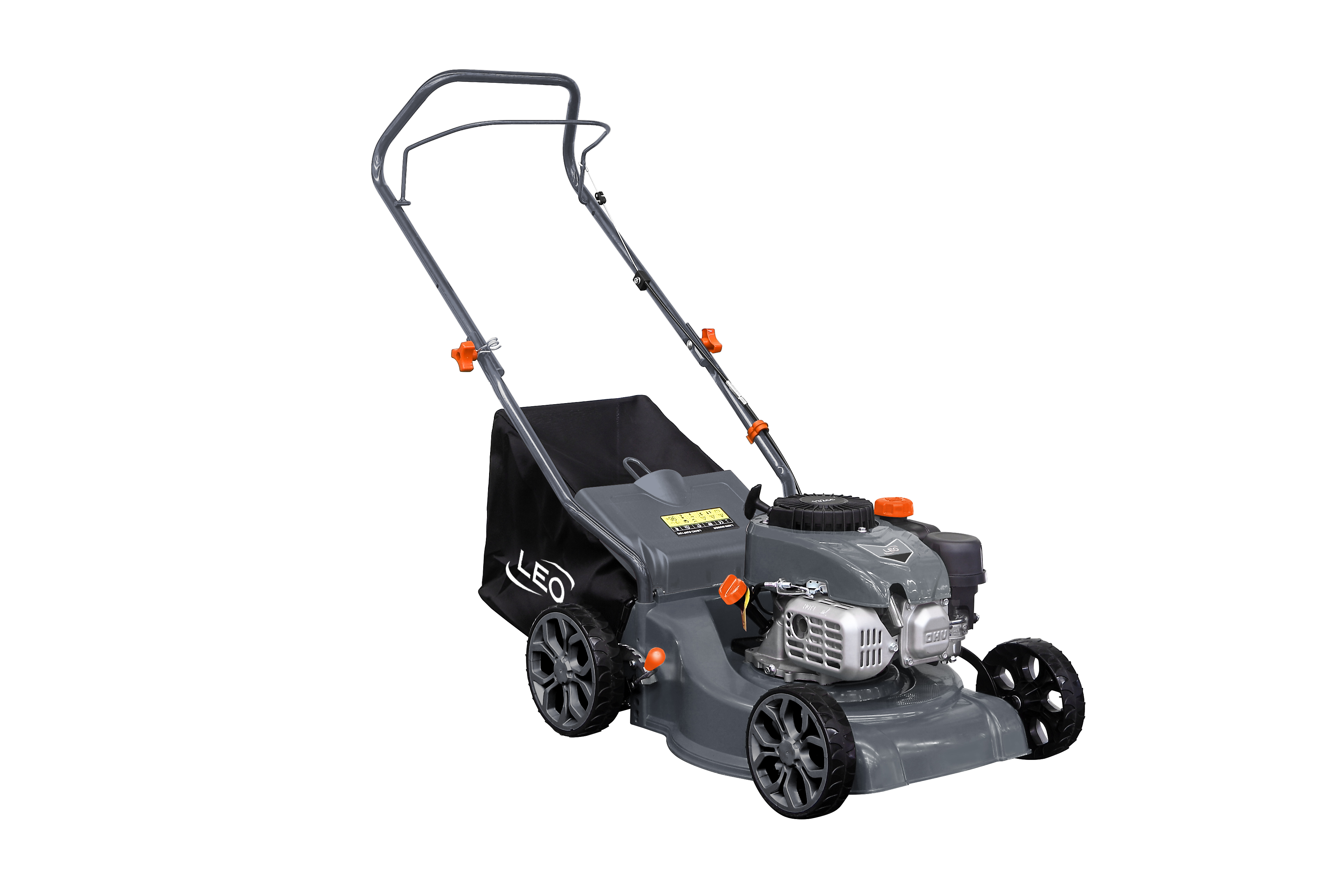 Safety controls and protective features should be reviewed before a design moves into repeat production.
Make safety testing a defined verification plan
Safety testing should be planned, repeatable, and linked to the identified risk—not improvised for a sales presentation. For lawn equipment, ISO 5395-1 specifies terminology and common test methods used to verify safety requirements for combustion-engine rotary and cylinder lawnmowers. That does not mean one standard covers every garden product or destination. It does show why a garden machinery manufacturer needs a documented test plan for the relevant product family and target market.
In practice, the plan may include checks of guards, controls, stopping behavior, stability, fastener retention, vibration-related loosening, labels, and instructions. The right tests depend on the equipment design and applicable requirements. Prototype results should lead to corrective actions before mass production; production samples should then confirm that the approved design is being reproduced. A buyer can ask to see the scope of safety testing, acceptance criteria, test reports where appropriate, and the process used when a sample fails.
Translate production standards into consistent units
Even a well-tested prototype can become unsafe if manufacturing changes are uncontrolled. Strong production standards define what operators inspect, what measurements or functional checks are required, which parts are safety-critical, and when a line must stop or escalate a deviation. For a garden machinery manufacturer, that may include incoming inspection of critical components, controlled work instructions, torque or fit checks where relevant, functional end-of-line checks, and documented rework procedures.
Traceability is equally important. Batch identifiers, inspection records, and supplier lot information make it possible to investigate a complaint without guessing which material or assembly condition was involved. This is not bureaucracy for its own sake. It supports containment when a nonconformity appears and gives distributors a clearer evidence trail when they need to assess stock, service a unit, or communicate with customers.
Control suppliers and changes before they reach the line
A garden machinery manufacturer cannot separate its safety outcome from the parts it buys. Supplier qualification should focus on the characteristics that affect safety, such as material consistency, dimensions, protective coatings, electrical components, batteries, and fastening hardware. Incoming checks should be proportionate to the risk, while supplier changes need formal review before a substitute part enters production.
Change control is especially important when a part looks interchangeable but alters fit, strength, heat resistance, or electrical behavior. The manufacturer should decide whether the change requires renewed safety testing, updated work instructions, revised documentation, or all three. This protects production standards from being weakened by an undocumented sourcing decision.
Build documentation that buyers can audit
Technical documentation turns safety work into something a buyer can evaluate. A useful file connects the product description, identified risks, protective measures, relevant test outcomes, labels, instructions, and version history. EU product-safety guidance similarly treats risk analysis, safety-relevant product characteristics, mitigation measures, and test outcomes as core documentation themes. A garden machinery manufacturer should be ready to explain which documents are available for the destination market and which product configuration they cover.
For buyers, the review should go beyond requesting a certificate. Ask whether the document matches the exact model, whether revisions are controlled, how production samples are checked against the approved configuration, and how safety issues are escalated. Clear documentation also makes it easier for sales, service, and engineering teams to give the same answer when questions arise.
Use field feedback to improve the next production run
The strongest garden machinery manufacturer closes the loop after shipment. Warranty claims, service reports, dealer questions, returns, and inspection findings can indicate a weakness in equipment design, instructions, packaging, or assembly. Teams should classify the issue, assess safety impact, contain affected stock where necessary, and feed the lesson back into design and production standards.
This feedback loop is particularly valuable for garden machinery because actual conditions vary widely. A control that feels obvious in a factory may be confusing when gloves are wet; a cover that passes a basic fit check may loosen after repeated vibration. Capturing those observations helps the manufacturer prioritise practical changes instead of relying on assumptions.
A buyer’s safety-evaluation checklist
- Ask how the garden machinery manufacturer identifies hazards during equipment design and who approves the risk review.
- Request the scope and traceability of relevant safety testing rather than relying on a generic statement.
- Review production standards for safety-critical parts, assembly checks, nonconforming units, and rework.
- Confirm how component or process changes are reviewed before release.
- Check whether documentation, instructions, labels, and test evidence align with the exact model and intended market.
- Ask how service feedback and complaints trigger corrective action across future production.
Safety is a manufacturing capability
Product safety improves when a garden machinery manufacturer connects risk assessment, equipment design, safety testing, production standards, documentation, and field learning. No document alone can prove that a machine will perform safely in every situation. What gives buyers more confidence is a visible, repeatable process that detects problems early, controls variation, and responds when evidence changes.
For organisations evaluating a long-term supplier, that process is as important as the initial sample. LEO Garden Machinery presents its garden-machinery range and company contact channel; a direct supplier discussion can help buyers identify which product documents and verification records are relevant to a proposed model and market.
 Hot News