
 EN
How Sustainable Gardening Practices Influence Equipment Development?
Sustainable gardening changes more than plant choices. It changes what people ask of the tools that cut, collect, mulch, water, and maintain outdoor spaces. When a homeowner, grounds team, or landscaping contractor sets out to use less water, create less waste, and work with less disturbance, equipment developers receive a clearer design brief. Sustainable gardening is therefore not a separate trend beside machinery; it is one of the forces shaping the next generation of garden equipment.
From an equipment sustainability perspective, the useful question is not simply whether a tool is electric or petrol-powered. It is whether the equipment supports the actual sustainable gardening practice without creating a new bottleneck in runtime, maintenance, material use, or repair. That is a more demanding standard, and it is influencing both product design and procurement decisions.
Why sustainable gardening changes the equipment brief
At its core, sustainable gardening aims to reduce a garden’s environmental footprint while keeping the site healthy and workable. Search results around sustainable gardening repeatedly focus on water conservation, soil care, composting, biodiversity, and lower waste. Each priority turns into an equipment question. A water-wise garden needs controlled delivery rather than indiscriminate use. A soil-first garden benefits from tools that help manage organic matter. A low-waste routine needs equipment that can collect, shred, mulch, or reuse material in a practical workflow.
For manufacturers and landscaping teams, sustainable gardening moves the discussion beyond a single headline specification. It asks how a machine fits a system: the terrain, planting density, seasonal workload, storage conditions, and the operator’s ability to keep the tool in service. This is why green technology in outdoor equipment increasingly includes design details that used to be treated as secondary.
1. Lower disturbance drives quieter, cleaner operating choices
One visible influence of sustainable gardening is demand for equipment that reduces local disturbance. Battery-powered tools have no direct exhaust emissions while operating, and public guidance on lawn and garden equipment commonly notes lower noise as a practical advantage. That makes them attractive for work near homes, schools, care facilities, or sites where crews need to protect the experience of neighbours and visitors.
Still, sustainable gardening does not make one power source universally right. A cordless mower or trimmer can be a sensible fit for frequent, shorter tasks when battery capacity and charging logistics match the workload. For a larger property or consecutive commercial jobs, runtime, charging access, and spare-battery planning may carry more weight. Equipment development responds to that reality through interchangeable battery systems, clearer charge indicators, and designs that aim to make power planning less disruptive.
The point is practical: sustainable gardening asks for lower-impact operation, but it also needs equipment that finishes the work. A tool that stops midway through a maintenance route can create inefficiency rather than reduce it. Developers therefore have to balance noise, direct operating emissions, power delivery, weight, and usable runtime.
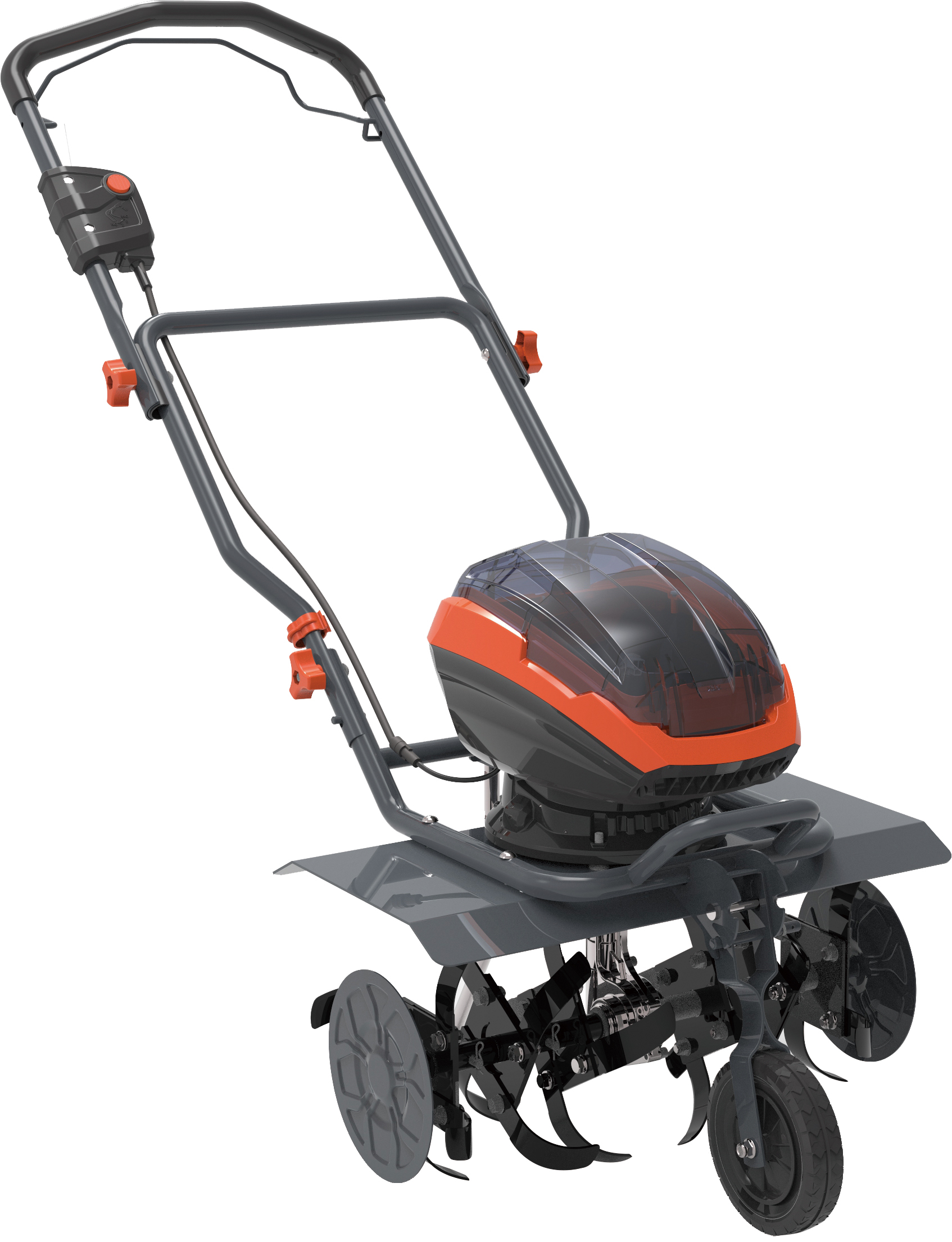 Lower-disturbance equipment choices are part of a practical sustainable gardening workflow.
2. Soil health and organic waste create demand for better material handling
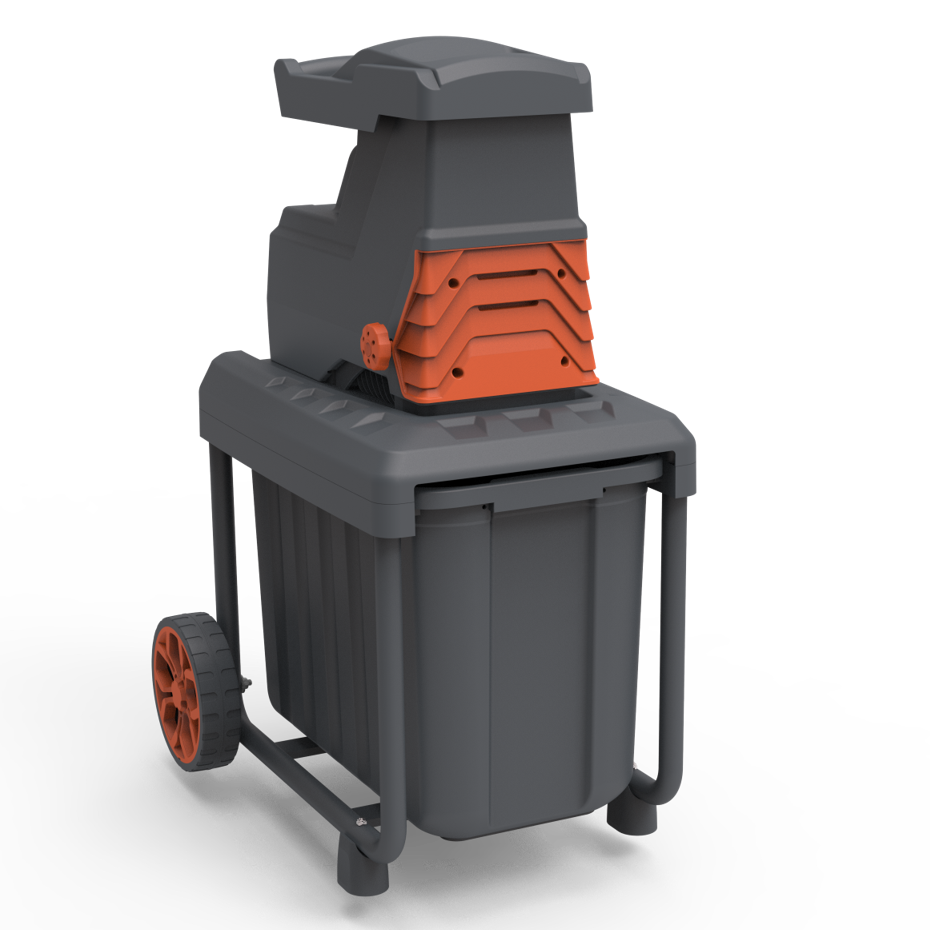
Mulching, composting, and leaving suitable organic material on site are familiar sustainable gardening practices. They encourage equipment development beyond basic cutting. Mowers may be assessed for how well they handle suitable dry lawn cuttings; shredders and mulchers are considered for their ability to reduce prunings into manageable material; collection systems are judged by whether they make sorting and reuse easier.
There is an important condition here. Sustainable gardening is not a reason to mulch every material in every condition. Wet lawn cuttings, thick clumps, or mixed woody waste can produce blockages or uneven output. Equipment design benefits when makers consider access for clearing, appropriate blade or cutting systems, and guidance that helps operators match the tool to the material. The more honest design approach is to make the limits clear rather than imply that one setting suits every garden.
For landscaping operations, this also supports a shift toward task-specific tooling. One machine may not be the most efficient answer for mowing, pruning, leaf management, and processing branches. A considered eco equipment range can help operators keep organic resources in a useful cycle instead of treating every by-product as disposal material.
3. Water-aware landscaping encourages precision and durability
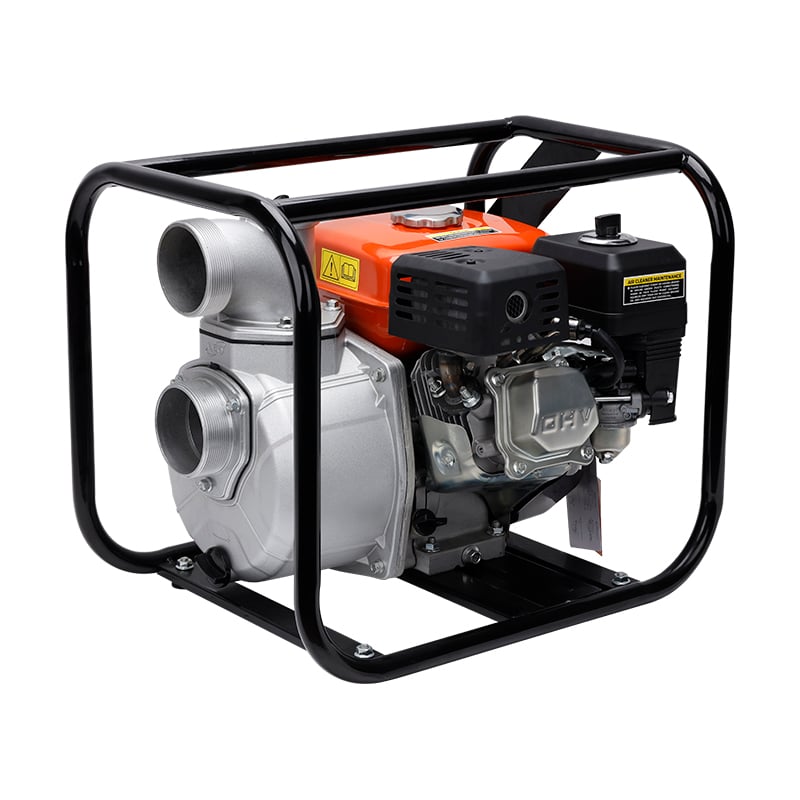
Sustainable gardening puts water use under closer scrutiny, particularly in dry seasons or in landscapes with mixed planting zones. That does not mean equipment makers should promise water savings from every product. It does mean that irrigation-related tools, pumps, controls, and accessories are increasingly expected to support more deliberate use: adjustable flow, compatible connections, straightforward maintenance, and components that remain reliable through seasonal storage.
This focus extends to ordinary garden machinery. Designs that reduce leaks, resist corrosion where moisture is common, or make cleaning easier can support a lower-waste maintenance routine. In landscaping, a small service issue repeated across a fleet can waste time, water, or consumables. Sustainable gardening turns those small design decisions into part of the overall environmental and operational picture.
4. Repairability becomes a central green technology feature
The most sustainable garden tool is not necessarily the newest one. Often, it is the tool that can be maintained, repaired, and used for a long time. That puts repairability at the centre of equipment development. Accessible wear parts, understandable maintenance points, replaceable batteries where appropriate, and dependable parts support can reduce the pressure to replace a complete machine after a minor fault.
For B2B buyers, this matters as much as the purchase price. A landscaping fleet loses productive time when a simple issue requires an extended wait or a full-unit replacement. For home users, a machine that is difficult to service tends to be used less or discarded earlier. Sustainable gardening therefore rewards designs that consider the full service life, not merely the first season of use.
What buyers should ask when evaluating eco equipment
Whether you are specifying tools for a landscaping crew or selecting equipment for a garden, use sustainable gardening as a practical evaluation framework. Ask questions that connect the machine to the work:
- Does the power system suit the area, terrain, and uninterrupted working time required?
- Can the equipment support turf-cutting recycling, pruning management, or other material-handling practices you actually use?
- Are cleaning, maintenance, and common wear-part replacement realistic for the operator?
- Can batteries, consumables, and parts be managed across the equipment range without unnecessary duplication?
- Will noise, exhaust profile, weight, and manoeuvrability suit the site and its neighbours?
These questions avoid a simplistic green-versus-conventional comparison. Sustainable gardening works when the selected tool fits the task, gets maintained, and remains useful over time.
From gardening practice to better equipment development
Sustainable gardening is influencing equipment development because it makes outcomes visible: less disturbance, more useful organic material, more careful water use, and fewer premature replacements. Those goals lead designers toward battery platforms, efficient cutting and collection systems, durable materials, serviceable assemblies, and clearer task matching.
For manufacturers serving garden and landscaping markets, the opportunity is to treat sustainability as a design discipline rather than a label. For buyers, the priority is to choose equipment around real workloads and lifecycle needs. When sustainable gardening and equipment development are considered together, green technology becomes more credible, useful, and easier to apply in daily work.

 Hot News