
 EN
Complete Guide to Selecting Professional Garden Machinery
For professional crews, garden machinery needs to keep work moving; a strong-looking specification sheet is not enough. For a landscaping business, grounds team, or distributor planning a professional range, selection begins with the workday: acreage, terrain, debris, transport, operator hours, and the cost of a machine sitting idle. This buying guide turns those realities into a practical selection process.
Start with the work profile, not the product category
Before comparing professional equipment, map the jobs the machine must complete in an ordinary week. A compact, obstacle-heavy site places a premium on manoeuvrability. Open grounds reward a wider cutting path and productive travel speed. Wet grass, steep sections, woody waste, repeated loading, and long operating days all change the right specification.
A useful briefing note lists the surface area per visit, grass or material condition, slope limits, access width, expected daily hours, transport method, and the skills available for routine maintenance. This avoids a common mistake: selecting garden machinery around a single headline number such as engine output or cutting width while overlooking the conditions that determine real throughput.
For landscaping teams, the practical question is not “Which machine is strongest?” It is “Which configuration completes this route safely, consistently, and with the fewest interruptions?” That distinction should guide every comparison that follows.
Choose the machine class around the task
Mowing and grounds maintenance
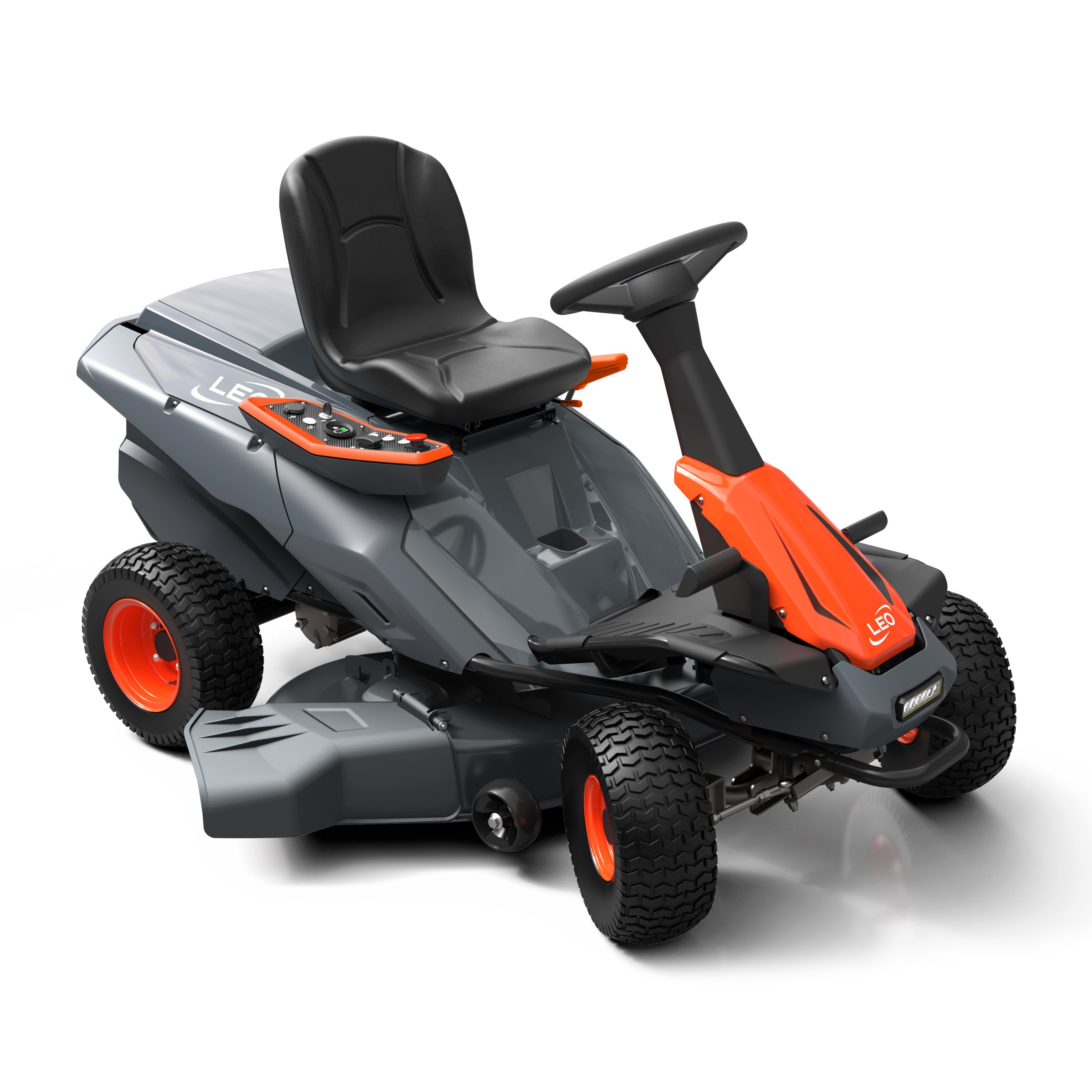
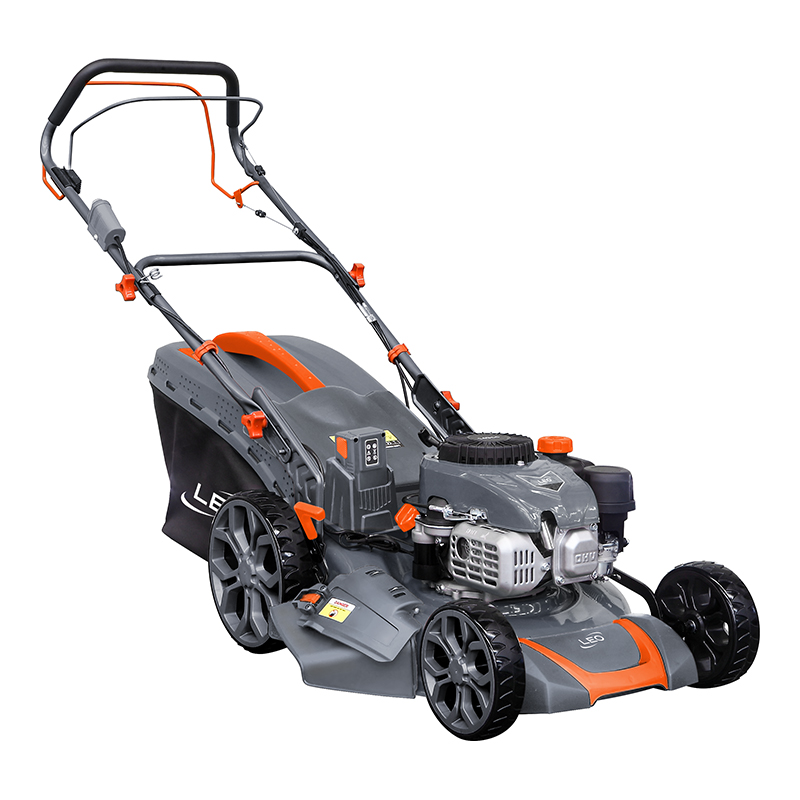
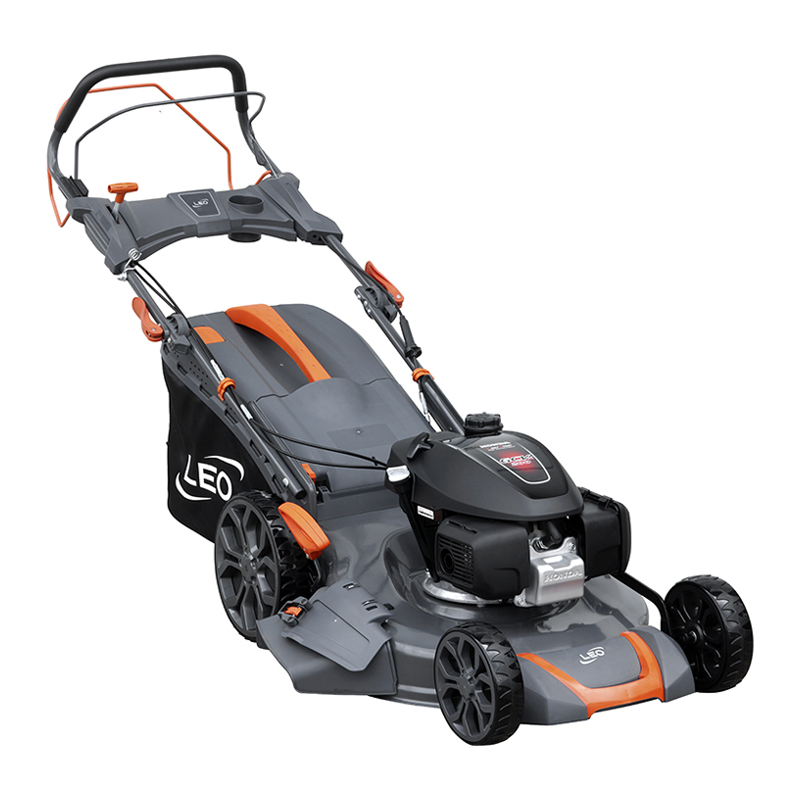
Walk-behind equipment suits constrained sites, detailed edges, and fleets that need flexible transport. Self-propelled drive can reduce operator effort where routes include uneven ground, but stability and the manufacturer’s stated slope guidance still need to be checked. Ride-on equipment can improve coverage on larger, open areas, yet its turning radius, access requirements, storage footprint, and safe terrain suitability deserve equal attention. Do not assume a ride-on machine is the efficient answer for every large property; tight passages and frequent obstacles can erase its apparent advantage.
Garden waste and soil work
For pruning and clearance work, match the feed system and stated material capacity to the waste stream rather than buying on motor power alone. Wet, fibrous, or mixed material can behave very differently from dry straight branches. Where cultivation is part of the service offer, assess tine layout, working width, transport wheels, controls, and the expected soil condition. Professional garden machinery should simplify the sequence of work, not create a queue of handling tasks around it.
Power source and operating environment
Battery, petrol, and mains-powered professional equipment each have a place. Cordless options can reduce cable-management issues and may be preferable in noise-sensitive areas, provided the battery plan covers the full shift. Petrol equipment can suit extended work in remote or high-demand settings, but it adds fuel, maintenance, storage, and emissions considerations. The sensible choice depends on the route, local operating constraints, and service capacity—not a universal ranking of power systems.
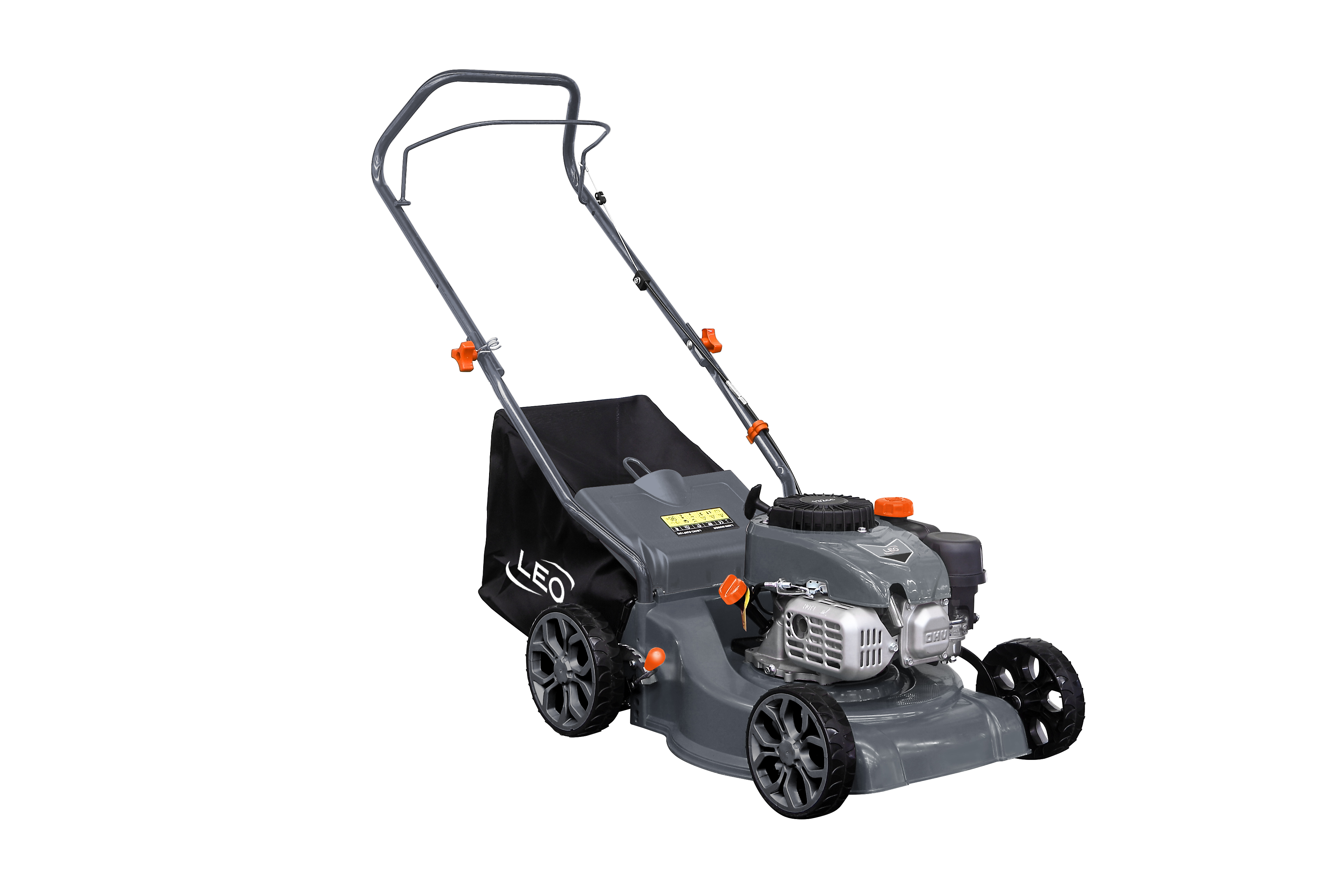 Evaluate practical configuration and service access against the work your crew performs.
Evaluate durability through serviceability
The purchase price is only the opening number in a professional equipment decision. A machine that is difficult to inspect, clean, sharpen, adjust, or repair can be more expensive than a higher-priced alternative once downtime and labour are counted. Ask to see the service points that crews will use: blade access, filters, belts, bearings, guards, cables, battery connections, and diagnostic procedures.
Before placing a fleet order, ask for a maintenance schedule. It should identify daily checks, seasonal work, consumables, recommended intervals, and the parts most likely to be needed during peak season. This is especially important in landscaping, where a single machine failure can disrupt a route and force costly rescheduling. Total cost of ownership includes planned maintenance, consumable replacement, repair turnaround, and the availability of substitute equipment—not only the invoice total.
Make safety and compliance part of the specification
Safety features should be evaluated in the same disciplined way as productivity features. Check guarding, operator controls, emergency-stop arrangements where applicable, start procedures, debris management, transport securing points, and the clarity of operating documentation. Train operators for the machine and site rather than relying on previous experience with a different model.
For buyers supplying the European market, documentation is a procurement requirement rather than an afterthought. The EU framework on noise emission by outdoor equipment covers numerous equipment types and includes noise marking within its scope; product-specific applicability and documentation must be verified for the intended market. Request the relevant declaration, manuals, labels, test evidence, and current compliance information for the exact configuration being purchased. A supplier should be able to explain what is available and what still needs confirmation.
Use a supplier review that goes beyond the catalogue
A professional buyer should evaluate the supplier as carefully as the garden machinery. Start by confirming the model configuration, packing, lead-time assumptions, quality-inspection process, spare-parts catalogue, warranty workflow, and technical contact route. For distributors and private-label buyers, also clarify labelling, documentation language, packaging requirements, and change-control procedures before production begins.
LEO Garden focuses on garden machinery across lawn mowers, ride-on mowers, shredders, mulchers, tillers, and gasoline water pumps. Its broader range can help a distributor evaluate multiple complementary categories through one supplier discussion. That said, each model’s current specification, service arrangement, and compliance documentation should be confirmed before a purchase decision. This is a more useful standard than relying on broad marketing claims.
- Can the supplier provide current model-specific documentation before order confirmation?
- Which spare parts are normally stocked, and how are urgent requests handled?
- What inspection records accompany a shipment?
- Who handles technical questions, warranty diagnosis, and replacement-part identification?
- Can product mix, labelling, and packaging be checked against the destination market before production?
Run a structured comparison before you buy
A short field evaluation often reveals more than a long feature list. Use the same checklist for every candidate machine and score it against the actual workload. Include operator comfort, daily output, access limitations, cleaning time, maintenance access, noise expectations, safe handling, parts support, and supplier responsiveness. When possible, involve the people who will operate and service the equipment; they usually notice friction points that procurement documents miss.
Separate essential requirements from preferences early in the review. For example, a machine may have an attractive extra feature but still be unsuitable if it cannot fit through the property gate, cannot complete the planned shift, or lacks a dependable parts route. That is why a useful buying guide for professional garden machinery starts with evidence from the job rather than a generic product ranking.
Final selection checklist
- Define the sites, terrain, workload, access limits, and daily operating hours.
- Choose the appropriate equipment class before comparing individual models.
- Confirm model-specific capacity, safety guidance, and operating limitations in current documents.
- Review maintenance access, consumables, spare-parts support, and expected repair process.
- Verify applicable destination-market documentation and labeling requirements.
- Compare supplier communication, inspection, packaging, and after-sales readiness alongside the machine.
- Test or evaluate the finalists against representative work before committing to volume.
Professional equipment delivers stronger operational results when the machine, operating plan, and supplier support are selected together. Use this framework to narrow the field, then validate the details that matter for your crews, customers, and market before you place the order.
 Hot News