
 EN
Common Lawn Mower Problems and How to Solve Them Effectively
A lawn mower that will not start, cuts unevenly, or leaves a trail of clippings can turn a simple weekend job into an avoidable repair project. The useful approach is not to replace parts at random. Start with the symptom, rule out the easy causes, and stop when a repair moves beyond routine maintenance. This lawn mower troubleshooting guide is written for owners of walk-behind machines; follow the instructions for your exact model.
Safety first: park the lawn mower on level ground, switch it off, let hot parts cool, and disconnect the spark-plug lead before working near the blade or engine. Remove the battery from a cordless lawn mower. Wear gloves for blade work, keep hands out of the discharge area, and ask a qualified technician for fuel leaks, damaged wiring, cracked blades, or anything you cannot identify safely.
Start with a simple lawn mower diagnostic routine
Before taking anything apart, look for the condition that changed. Did the lawn mower sit unused with fuel in it? Did it strike a hidden object? Is the grass unusually wet or tall? These details narrow the repair guide quickly. Check that the fuel, battery charge, oil level, controls, grass bag, and safety handle are in the position required by the owner’s manual. A small obstruction or an engaged safety control is often more likely than a major engine failure.
- Read the model-specific starting and safety instructions.
- Inspect the outside of the lawn mower for loose fasteners, damaged cables, and built-up grass.
- Check the simplest energy source: fresh fuel for a petrol model, a charged battery for a cordless model, or a secure cord and outlet for a corded model.
- Only then inspect serviceable items such as the air filter, spark plug, blade, and deck.
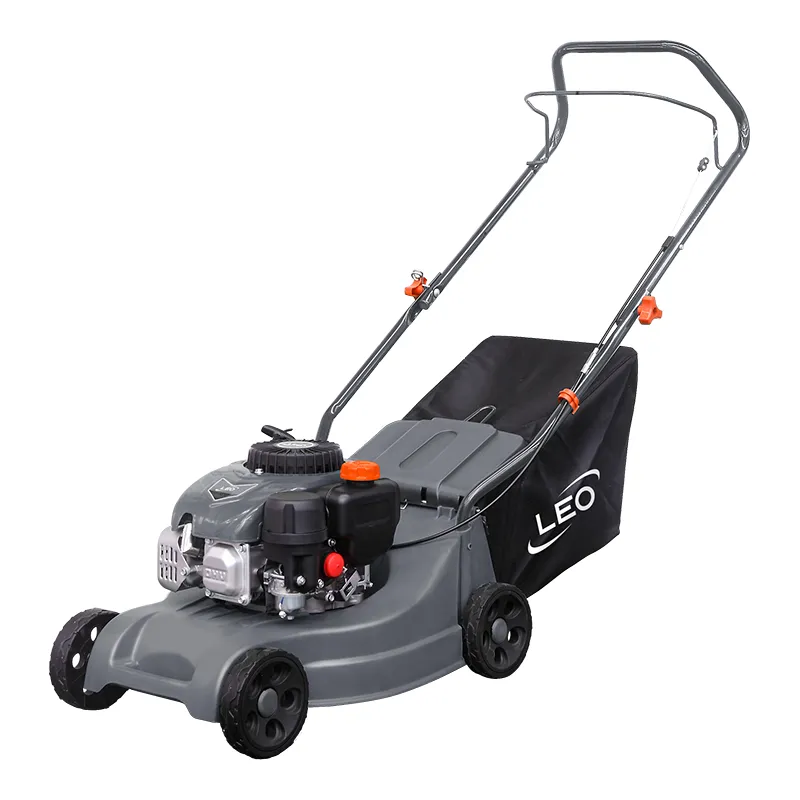
Problem: the lawn mower will not start
A no-start lawn mower usually deserves a calm, ordered check. For petrol models, confirm that there is enough fresh fuel and that the fuel valve, choke, or primer is set as the manual specifies. Fuel that has been left for a long time can contribute to deposits in the carburetor, so do not assume a full tank means usable fuel. For a battery lawn mower, inspect the battery terminals for dirt, make sure the pack is seated, and try a fully charged compatible battery if you have one.
Next, inspect the air filter and spark plug according to the manual. A visibly fouled, worn, or damaged plug may need cleaning or replacement; avoid guessing at settings or forcing parts. If the lawn mower still will not start after the basic checks, especially if fuel is leaking or the starter mechanism feels abnormal, arrange professional mower troubleshooting. Repeated starting attempts can flood some engines and obscure the original fault.
Problem: the engine starts but runs rough or stalls
When a lawn mower starts and then dies, airflow, fuel delivery, and load are the useful categories to consider. A dirty air filter can restrict airflow. Old fuel, a blocked filter, or a carburetor issue can reduce fuel flow. Tall, damp grass or a deck packed with clippings can overload the machine. Turn the lawn mower off, disconnect the spark plug lead or battery, and clear only material you can remove safely with a brush or suitable tool.
Do not adjust carburetor screws simply because the engine sounds uneven. Many modern engines have model-specific settings, and an incorrect adjustment can create a larger repair. If basic equipment maintenance does not restore steady running, a service technician can test fuel delivery, ignition, and compression without turning a minor symptom into an unsafe repair.
Problem: the lawn mower cuts unevenly or tears grass
An uneven cut is often a blade, deck, wheel-height, or ground-condition problem rather than an engine problem. First, make sure all wheel settings match. Then inspect the blade only after isolating the lawn mower from its power source. A dull blade tends to tear grass tips; a bent, cracked, or heavily nicked blade requires replacement rather than casual straightening. Check that the blade fastener is secure to the manufacturer’s specification and that the deck is free of compacted debris.
One useful boundary condition matters here: even a well-maintained lawn mower can leave an uneven finish on very wet, overgrown, or rutted ground. Raise the cutting height, mow more slowly, and make a second pass once the lawn is drier. The number people often focus on is engine size, but blade condition and correct height setup usually matter more to the quality of a routine cut.
Problem: the lawn mower vibrates, smokes, or makes a new noise
Stop a lawn mower immediately if it develops strong vibration, metal-on-metal noise, burning smells, or persistent smoke. Vibration after striking a stone, root, or other object can indicate blade damage, a loose component, or damage below the deck. Continuing to mow can make the repair more expensive and may create a safety hazard.
Smoke also needs context. A brief puff after a lawn mower has been tilted may have a simple cause, but persistent smoke, an oil leak, or a sudden loss of power is a reason to stop and consult the manual or a technician. When tipping a petrol lawn mower for cleaning, follow the model instructions; on many common layouts the air-filter and carburetor side should remain upward to reduce fluid migration. The owner’s manual takes priority over a general rule.
Problem: the lawn mower will not drive or self-propel
For a self-propelled lawn mower, begin with the drive control and cable. Check whether the handle engages normally, whether the cable looks damaged, and whether grass or debris is restricting the wheels. Look for obvious belt wear only if the manual identifies the inspection as owner-serviceable. Do not place hands near moving parts or test a drive mechanism with guards removed. A slipping drive, repeated belt failure, or gearbox noise usually calls for professional mower troubleshooting rather than a trial-and-error repair.
Prevent repeat problems with practical equipment maintenance
Good equipment maintenance is mostly consistent, not complicated. After mowing, brush loose grass from the lawn mower once it is cool and isolated from power. Check the cutting height and blade condition regularly. Use fresh fuel as specified by the manufacturer, manage seasonal storage correctly, and keep the air intake clear. For cordless outdoor tools, store batteries in a dry location within the maker’s recommended temperature range and inspect terminals before use.
Keep a short note of the date, symptom, and work performed. That record helps you spot a recurring lawn mower issue and gives a repair shop useful information. It also prevents the common mistake of replacing several parts at once and losing track of what solved the problem.
Know when to stop DIY lawn mower repair
A homeowner-level repair guide helps with cleaning, inspection, and routine service, but it has limits. Stop and seek help for fuel-system leaks, electrical damage, blade cracks, serious vibration, loss of compression, persistent smoke, or a problem that returns after basic checks. The aim is not to fix every lawn mower fault yourself. It is to make safe decisions, protect the machine, and return to a clean, even cut without wasting time.

 Hot News