EN
What Safety Practices Should Be Followed When Using Branch Chippers?
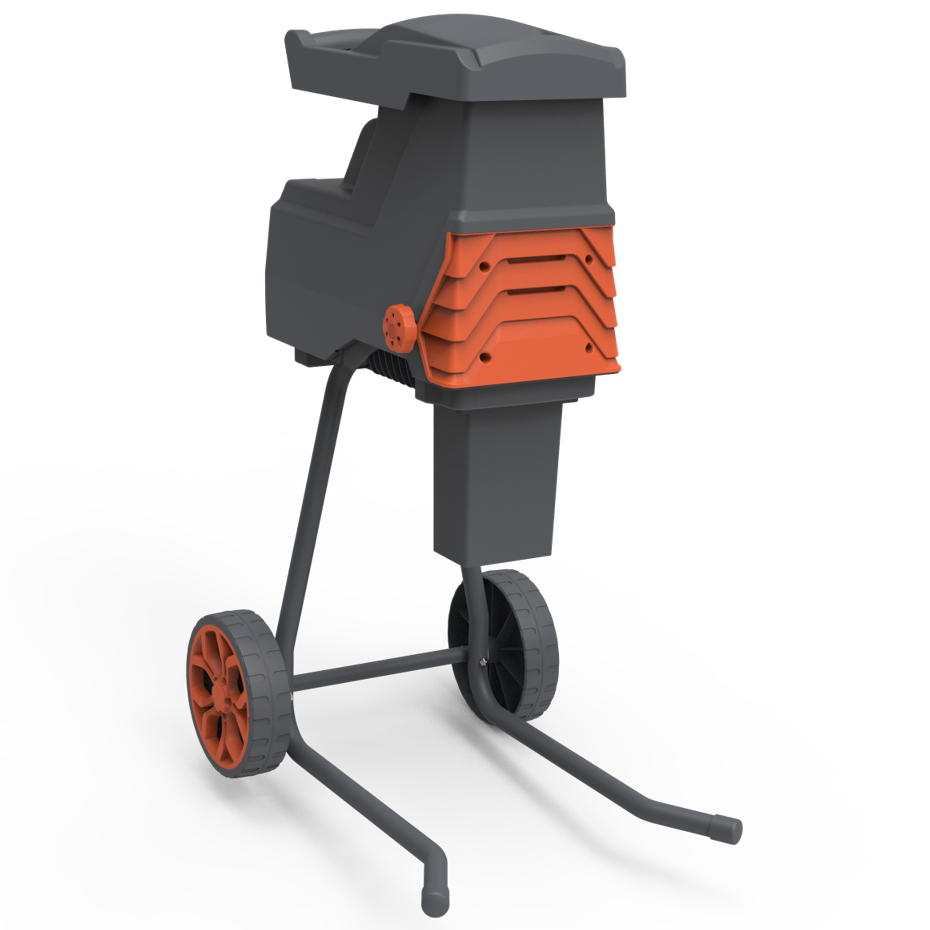
A garden branch chipper turns pruning waste into manageable chips, but its feed system, rotating cutter, noise, and flying debris demand focused safety operation. As someone who has sold and serviced garden machinery for years, I would put the owner’s manual ahead of any generic advice: controls, guarding, capacity, and shutdown steps differ by model. Use this user guide as a practical routine, then follow the instructions supplied with your garden branch chipper.
Start with the right setup for a garden branch chipper
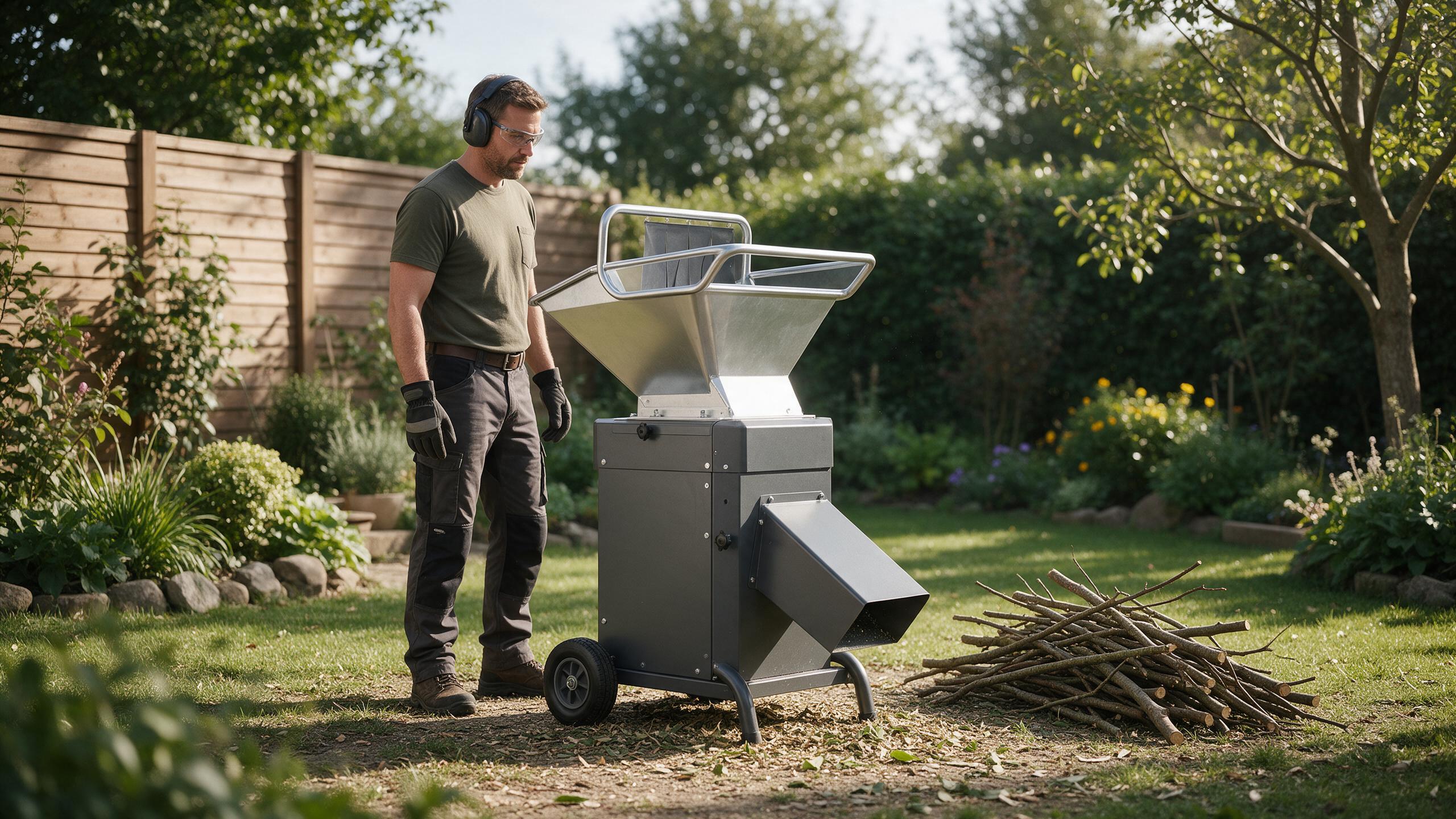
Set the machine on firm, level ground with stable footing and clear space around the feed hopper and discharge area. Do not work on loose gravel, steep ground, or a surface where the machine can move as branches enter. Keep children, pets, and bystanders outside the work zone. A helper should stay clear of the discharge path and should not stand in front of the hopper.
Before starting, read the capacity limit for branch diameter and material type. Inspect the feed chute, discharge guard, fasteners, wheels, cable or fuel system, and collection area. Make sure every guard is fitted and every stop, reverse, or emergency control works as the manufacturer describes. If a guard is damaged or a safety device does not function, take the garden branch chipper out of service until it is repaired.
Wear protective equipment that suits the task
Appropriate protective equipment should be in place before the machine starts. Wear close-fitting work clothing, sturdy non-slip footwear, eye protection, and hearing protection. Gloves can protect hands while handling thorny or rough branches, but they must fit closely and must not have loose cuffs. Tie back long hair and remove scarves, jewellery, dangling drawstrings, or anything that could catch in moving parts.
Eye protection matters even when the hopper is guarded because small fragments can rebound during feeding or discharge. Hearing protection matters because clear verbal warnings can be harder to hear near powered equipment. If the task creates dust, assess whether the manual or local requirements call for suitable respiratory protection as well.
Feed branches with deliberate machine use
The most important rule in machine use is to keep hands and body parts out of the hopper. Sort material before operation: remove wire, stones, tools, soil-heavy roots, and other foreign objects that can damage the cutter or be ejected. Trim tangled side branches if the manual calls for it, and keep the work area free of trip hazards.
Feed one branch at a time from the side of the hopper, not by leaning directly over the infeed. Let the feed mechanism take the material; do not force it, reach after it, or push short pieces with your hand. Use only the manufacturer-approved push tool where one is specified. Keep a stable stance, maintain an unobstructed exit route, and pause if a branch twists, snags, or behaves unexpectedly.
For safe safety operation, work within the rated capacity. Wet, fibrous, forked, or oversized material can feed unpredictably. Reducing the size of a difficult branch or setting it aside is a sounder choice than forcing the machine to accept it.
What to do when material jams
A jam is not a reason to reach into the hopper. Release the feed control, use the stop control, switch off the power source, and isolate it exactly as the user guide requires. For an electric garden branch chipper, disconnect the plug; for an engine-driven model, follow the manual’s shutoff and ignition-isolation steps. Wait until all moving parts have stopped before inspection.
Use a suitable tool and the specified access point to clear material. Do not bypass a guard, use hands near the cutter, or ask another person to restart the machine while you are clearing it. Refit every guard and check the area before restarting. If the cause of repeated jamming is unclear, stop work and obtain qualified service advice.
Build a shutdown and maintenance habit
At the end of each session, allow the machine to clear according to its instructions, shut it down, isolate its energy source, and wait for all motion to stop. Remove debris around the machine only after isolation. Clean the hopper exterior and discharge area with tools, not hands near concealed moving parts.
Routine care supports safer machine use. Check blades, fasteners, guards, cords, fuel lines, and controls at the intervals in the manual. Dull blades, damaged guards, excessive vibration, unusual noise, or unreliable controls are signs to stop using it until the issue is addressed. Store it dry, secured from unauthorised users, and with the manual available for the next operator.
A simple pre-start safety operation checklist
- Read the model-specific user guide and confirm the equipment suits the material.
- Place the equipment on level ground and establish a clear exclusion area.
- Check guards, feed controls, stop controls, and the discharge path.
- Put on protective equipment: close-fitting clothing, eye and hearing protection, footwear, and suitable gloves.
- Inspect branches for foreign objects and keep hands out of the hopper.
- Stop, isolate, and wait for motion to end before any cleaning, adjustment, or jam clearance.
Thoughtful preparation makes safety operation more controlled. The goal is not to process every branch quickly; it is to keep the operator, nearby people, and the machine in a safe working condition throughout the job.



 Hot News