
 EN
What Are the Benefits of Using Eco Friendly Garden Machinery?
Choosing eco friendly garden machinery is less about chasing a label and more about reducing avoidable fuel use, exhaust, noise and waste while keeping garden work practical. For many households and professional crews, that means choosing a battery-powered mower or trimmer for routine tasks, using a mulching or shredding tool to keep organic material on site, and maintaining every machine well enough to extend its useful life.
As an equipment sustainability advisor, I look first at the work itself: lawn area, grass height, slope, access to power and how often the machine runs. A lower-impact option is valuable only if it can reliably do that job. In a small or medium garden, a cordless platform can be a very sensible change. On a large, remote or continuously demanding site, runtime and charging logistics still deserve careful planning.
What makes garden machinery more eco-friendly?
Eco friendly garden machinery generally reduces one or more sources of impact compared with conventional petrol equipment. It may avoid direct exhaust during use, use electricity more efficiently, create less neighbourhood noise, turn garden debris into mulch or compost feedstock, or remain serviceable for longer. The term does not mean every electric product is automatically the greenest choice; battery production, electricity supply, replacement parts and actual lifespan all matter.
The useful question is: which machine reduces impact without creating a frustrating new limitation? A well-matched electric mower can replace frequent petrol runtime. A durable manual tool can eliminate power use for a small task. A poorly sized battery mower that requires repeated purchases or cannot finish the lawn is a less convincing outcome.
1. Less local exhaust from routine garden work
One of the clearest benefits of eco friendly garden machinery is the potential to reduce exhaust at the point of use. U.S. EPA material identifies gasoline-powered lawn and garden equipment, from string trimmers to tractors, as a source of localized emissions. Moving suitable routine work to corded or battery-powered equipment removes tailpipe exhaust from that session.
This matters most where machines operate near homes, patios, schools or staff work areas. The benefit is local rather than absolute: electricity generation and battery manufacturing still have environmental effects. Even so, replacing unnecessary fuel-burning runtime can be a practical step toward cleaner day-to-day garden maintenance.
2. Quieter work and better neighbour relations
Noise is often the benefit people notice first. Electric drive systems can be quieter than petrol engines, although blade, fan and material noise remain. A quiet machine is not silent—cutting wet grass or shredding branches still makes sound—but lower engine noise can make early-evening tasks and residential work less intrusive.
For example, a battery operated strimmer can be a good fit for short edge work when a charged battery is ready. The lower noise can improve comfort for the operator and reduce disruption nearby. For a contractor working a long route, however, spare batteries and a charging plan are part of the environmental decision, not an afterthought.

3. Lower day-to-day maintenance needs
Battery equipment normally has fewer engine-related chores: no fuel mixing, oil changes, spark-plug replacement or carburettor storage issues. That can reduce consumables and make seasonal preparation simpler. It also means less time handling fuel and fewer chances for spills during refuelling or winter storage.
That does not mean maintenance disappears. Cordless mower maintenance still includes cleaning the deck, inspecting blades, checking fasteners and caring for the battery. Store batteries in the conditions specified by the manufacturer, avoid leaving them empty for long periods, and keep cooling vents clear. Good care matters because a longer service life reduces the need to replace equipment prematurely.
4. A more efficient approach to garden waste
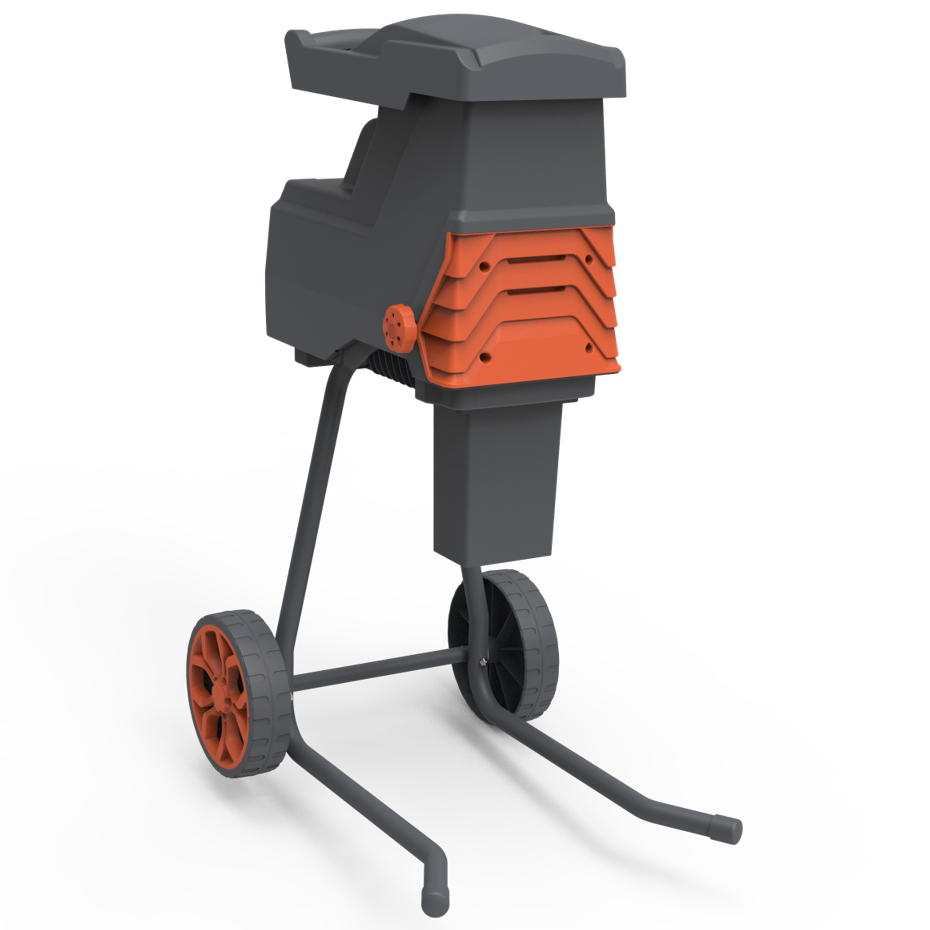
Eco-friendly choices are not limited to how a motor is powered. A mulching mower can return finely cut dry grass to the lawn when conditions suit it, while a compost shredder can reduce bulky prunings into material that is easier to compost. Keeping suitable organic matter on site may reduce bagged waste and can create useful mulch or compost inputs.
There are limits. Wet, tangled or mixed material can clog some machines, and not every plant residue belongs in a home compost pile. The practical gain comes from matching the shredder or mulching system to the material, rather than assuming every cutting should be processed the same way.
5. Better task matching can reduce over-buying
A useful eco friendly garden machinery plan often uses the smallest effective tool. A reel mower may suit a small, level lawn cut frequently. A cordless mower may suit a larger but still manageable lawn. A dedicated machine remains appropriate when terrain, tall grass or commercial workload demand it. There is no universally right power source; the better fit depends on actual workload and the ability to keep the equipment operating well.
Choosing the right size prevents a different form of waste: buying a powerful machine that spends most of its life underused, or buying an undersized one that is replaced quickly. Consider cutting width, battery ecosystem, storage space, repair support and expected use before comparing headline specifications.
6. New options for automated, targeted lawn care
A robot lawn mower can support a lower-effort maintenance routine for an appropriate lawn. It can make frequent light cuts rather than waiting for grass to become tall, and it operates without on-site petrol exhaust. That said, it is not automatically right for every property. Complex slopes, narrow passages, wildlife considerations, boundary setup and security all affect whether the system is a responsible choice.
Use automation deliberately: set schedules that avoid times when you want the garden quiet, inspect the cutting area before operation, and maintain the blades. Treating a robotic mower as a set-and-forget gadget can undermine the convenience and safety benefits.
How to choose eco friendly garden machinery that will actually work
- Map the work. Note lawn size, terrain, grass type, branch diameter and the length of a typical session.
- Choose the power system after the workload. Check realistic runtime, recharge time and whether compatible batteries can cover the job.
- Prioritise repairability. Look for available blades, batteries, service information and local support rather than treating the machine as disposable.
- Use waste-reducing functions where appropriate. Mulching, collection and shredding each suit different materials and conditions.
- Maintain the equipment. A clean cutting system, sharp blade and properly stored battery help preserve performance and useful life.
Are the benefits worth it?
For routine mowing, edging and light garden cleanup, eco friendly garden machinery can bring meaningful local benefits: less direct exhaust, lower noise, simpler maintenance and more opportunities to manage garden waste on site. The financial picture can improve over time when fuel and engine servicing are reduced, but upfront cost and battery replacement should still be part of the calculation.
Start with the task you do most often. If it is a short weekly mow or trim close to home, an electric option may make immediate sense. If it is an all-day commercial workload or remote rough terrain, choose a system that can meet the demand reliably, then reduce environmental impact through right-sizing, careful maintenance and thoughtful operating practices.
Frequently asked questions
How does battery garden equipment affect environmental impact?
It avoids direct exhaust during use, but its overall impact depends on electricity, battery life, manufacturing and how long the machine remains in service. A long-lived, appropriately sized tool is usually a more responsible choice than a frequently replaced one.
Can electric machinery handle a large garden?
It can, provided runtime, charging and battery availability are planned around the workload. For large or demanding grounds, compare usable runtime and downtime rather than relying on a single advertised figure.
What is the easiest green change to make?
Replace the most frequent, short petrol-powered task first—often edging, trimming or a small weekly mow—and establish a simple battery-care routine. That gives you a realistic way to assess whether the platform suits the rest of your garden work.

 Hot News