
 EN
How Does a Ride On Mower Improve Lawn Maintenance Efficiency?
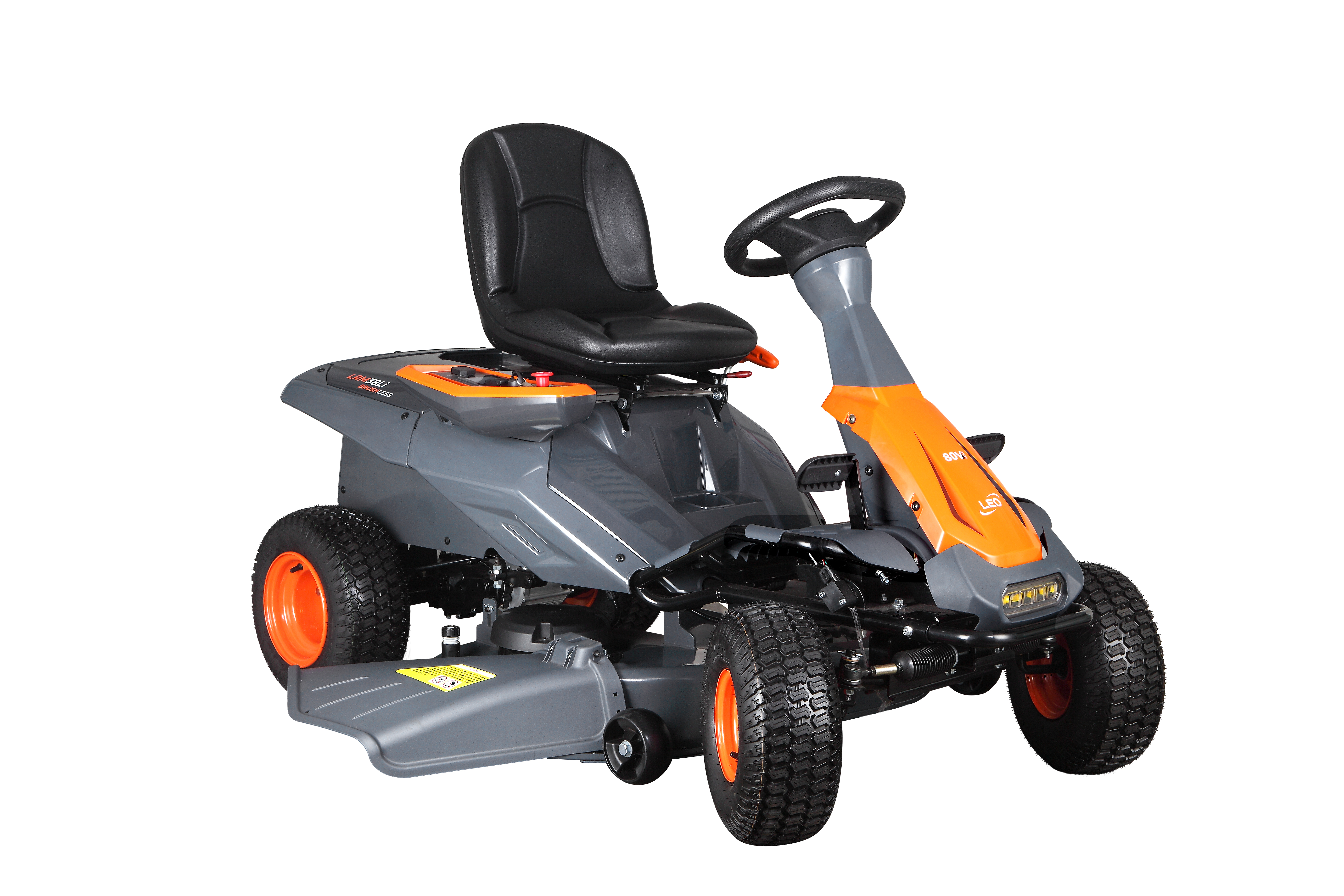
A ride on mower improves lawn maintenance efficiency by combining a wider cutting path, seated operation, and repeatable travel patterns in one machine. That does not mean it is automatically the right answer for every lawn. On a larger, fairly open site, though, it can reduce the walking, turning, and fatigue that make routine mowing take longer than it needs to.
After working across several kinds of properties, the useful question is not simply whether a ride on mower is faster. It is whether its deck width, turning space, traction, and maintenance needs match the work in front of it. When those pieces line up, the machine can make mowing productivity more predictable for a homeowner or a professional landscaping crew.
Why the Work Changes When You Sit Rather Than Walk
With a walk-behind mower, the operator supplies both propulsion and guidance. Every pass includes walking effort, small course corrections, and repeated turns at the edge of the lawn. A ride on mower transfers much of that travel work to the machine. The operator can concentrate on overlap, obstacles, discharge direction, and the next pass instead of pushing the equipment forward.
That difference matters most when mowing is frequent or the area is large enough that fatigue affects the final third of the job. A seated position and stable controls can help an operator keep the same pace from the first stripe to the last. It is not a promise of effortless work—rough ground still requires attention—but it can reduce the physical bottleneck that slows a long session.
A Wider Deck Can Reduce Passes
The clearest efficiency advantage is coverage. A wider cutting deck removes a broader strip of grass on each pass, so an open lawn generally needs fewer passes. Category guidance commonly frames deck width as a direct contributor to coverage, while a recent search-result preview describes many lawn-tractor decks in the 42- to 54-inch range. The exact result depends on the deck, grass conditions, and how much overlap the operator leaves.
More width is not necessarily more useful. A large deck that cannot pass through a gate, circle a planting bed, or work between trees may create extra trimming and reversing. For complex gardens, strong mower performance often comes from matching deck width to the narrowest practical route, not choosing the widest deck on paper.
Plan the Route Before You Start
Efficiency is also a routing habit. Begin with an edge pass where it is safe and practical, then mow long, straight sections in a consistent pattern. Keep overlap modest but sufficient to avoid uncut strips. If grass is tall or damp, slow down rather than forcing the deck to process more material than it can clear cleanly. A second, controlled pass is usually less wasteful than stopping to clear a clogged deck.
- Measure gates and pinch points before selecting a deck width.
- Group open areas into long passes and leave awkward corners for a smaller tool.
- Choose a discharge or collection approach that suits grass volume and cleanup needs.
- Adjust travel speed to grass density, not just to the size of the lawn.
Comfort Supports Consistent Mowing Productivity
Comfort can sound secondary, but it affects real work rates. Seat position, steering effort, vibration, and control placement all influence whether an operator can keep a smooth line late in the job. For a professional landscaping team, reduced fatigue may also make handoffs and repeat visits easier to manage. For a homeowner, it can make a large mowing task more realistic to complete on schedule rather than postpone.
There is an important qualification: comfort is not a substitute for safe operation. A ride on mower should only be used within the manufacturer’s terrain guidance. OSHA advises operators to follow the mower maker’s slope limits and, where no limit is available, avoid slopes over 15 degrees. Slopes, soft ground, and water edges can turn a time-saving tool into the wrong lawn care equipment for the task.
Less Setup Friction Helps Crews Stay on Schedule
A ride on mower can simplify the main cutting stage of a maintenance visit. Instead of combining a long push-mowing interval with frequent restarts, a crew can allocate the open lawn to the rider and reserve detail work for trimming or edging. That division does not eliminate finishing work, but it can make labor planning clearer. The rider handles repeatable coverage; smaller equipment handles boundaries and inaccessible spaces.
The biggest gains appear when the site layout is consistent from visit to visit. Once an operator knows the turning points, gate sequence, and obstacle pattern, the route becomes easier to repeat. This is one reason the equipment can support professional landscaping workflows: efficiency comes from standardizing the routine, not simply from driving faster.
Maintenance Protects the Time You Save
A poorly maintained ride on mower gives back the time it saves. Dull blades tear grass rather than cutting it cleanly, and an obstructed deck can reduce discharge performance. Regular blade inspection, deck cleaning, tire-pressure checks, and attention to the manufacturer’s service schedule help preserve cut quality and reliable operation. Before a busy season, it is worth checking that the deck is level and the controls respond smoothly.
Think of maintenance as part of productivity rather than downtime. A few planned checks are usually easier to absorb than a mid-job blockage, uneven cut, or unexpected service interruption. The same principle applies to fuel, charging, and replacement parts: prepare them before the mowing cycle becomes urgent.
When a Ride On Mower Is the Efficient Choice
A ride on mower is usually most efficient on lawns with enough open area to use its cutting width, terrain that matches its operating guidance, and a mowing schedule that justifies the setup and upkeep. It can be especially useful where repeated walking would be the main limit on output. Small, heavily landscaped, gated, or steep sites may still favor a walk-behind mower or a mixed-equipment approach.
The practical takeaway is simple: a ride on mower improves efficiency when it reduces passes, limits unnecessary physical strain, and fits into a disciplined maintenance routine. Choose the deck and configuration around the site—not the other way around—and the machine can turn a recurring chore into a more controlled, consistent lawn-care process.

 Hot News