
 EN
Garden Shredder vs Garden Mulcher: What Are the Key Differences?
A pile of prunings can look like one job, but it often contains several: woody stems, leafy cuttings, hedge trimmings, and material you may want to reuse. That is why the labels garden shredder and garden mulcher cause so much confusion. Retailers and manufacturers may use the terms in exactly the same way. The useful question is not which name sounds better; it is what the machine is designed to accept, how it cuts, and what you want to do with the output.
From a garden-machinery selection perspective, both can support sensible waste recycling. Yet a garden shredder is usually chosen for reducing mixed garden debris and smaller woody branches, while a garden mulcher is usually chosen when a finer, more usable organic material is the goal. The overlap is real, so this comparison focuses on practical differences rather than pretending there is one universal definition.
Quick answer: shredder or mulcher?
Choose a garden shredder when your priority is volume reduction and branch processing after pruning. Choose a garden mulcher when you mainly want material that can be spread around beds or added to a managed compost system. Some machines do both jobs to varying degrees, but the cutting mechanism, feed opening, and stated material limit still determine whether the result will be satisfying.
| Decision point | Garden shredder | Garden mulcher |
|---|---|---|
| Main purpose | Reduce bulky pruning and mixed garden debris | Create smaller organic pieces for reuse around the garden |
| Typical input | Dry or freshly cut twigs and branches within the rated diameter | Suitable clean plant matter where smaller output is useful |
| Useful output | Reduced material for collection, composting, or later use | Finer material for mulch-style coverage or compost mixing |
| Key buying check | Cutting system, branch rating, and anti-jam features | Output texture, feed suitability, and intended end use |
Why the names overlap
A garden shredder may be marketed as a chipper, roller shredder, impact shredder, or garden mulcher. A garden mulcher may refer to a dedicated branch-and-leaf machine, a mower’s grass-mulching function, or simply the purpose of the finished material. In other words, the product label is not a technical standard.
Before buying, read the manual and product specification for three items: permitted material, maximum branch diameter, and the cutting mechanism. Many domestic machines are advertised for branches around 40–45 mm, but that is a broad market guide rather than a promise for every branch. Hard, dry wood, forked stems, and fibrous growth can be more demanding than a straight fresh branch of the same measured diameter. Follow the manufacturer’s stated limit and do not force material through the hopper.
How the cutting mechanism changes the job
Impact systems: fast reduction for lighter material
An impact-style garden shredder uses fast-moving blades or cutters to break material down. It can suit leafy trimmings, softer stems, and lighter branch work, depending on the model. The trade-off is that wet, stringy, or very fibrous material can clump or wrap around the cutting area. A mixed load often works better when you alternate dry twiggy material with softer material rather than feeding a dense bundle all at once.
Roller systems: controlled branch processing
Roller mechanisms commonly crush and cut branches against a plate. They are often considered for branch processing because the feed can be more deliberate and the output can be more consistent for woody material. That does not make a roller machine automatically right for every garden. Very soft, wet, or leafy material may be less suitable, and branch shape still matters. If your waste is mostly hedge cuttings and thin stems, compare the stated material guidance instead of choosing by mechanism alone.
What “fine enough” really means
For a garden mulcher, output size matters because it affects where the material can go next. Coarser chips can be useful around paths or under established shrubs. Smaller fragments have more surface area and may integrate more easily into a compost mix. Fresh woody chips are not the same thing as finished compost, though. Compost is a completed biological process; shredded material is an input that may need moisture, air, and a balanced mix of green and brown material before it becomes a soil amendment.
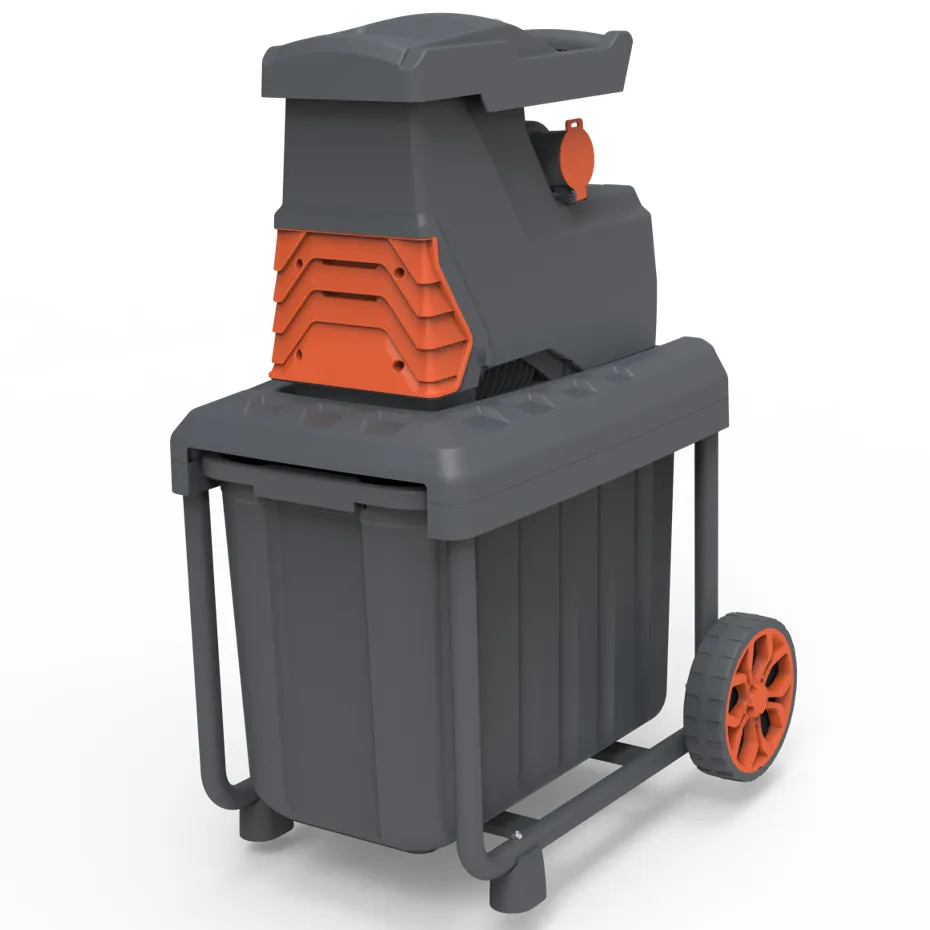
Waste recycling: match the output to the destination
The most useful waste recycling plan starts before you switch the machine on. Separate clean, untreated plant material from anything that should not enter the shredder: wire, stones, plastic ties, soil-heavy roots, treated timber, and diseased material where local guidance recommends separate disposal. Then decide where the output will go.
- For composting: use appropriately shredded twigs and plant material as part of a balanced heap. Fine material can compact, so mix it with coarser material to keep air moving.
- For surface coverage: use clean woody chips around established plants, while keeping material away from stems and trunks. Check local gardening advice for suitable depth and plants.
- For collection or disposal: a garden shredder can make bulky prunings easier to handle even when you do not plan to reuse every batch.
Whether a garden mulcher is worth it really does depend on your garden routine: how much material you create, how often you prune, and whether you have beds, paths, or a compost system that can use the output. For a small garden with occasional light pruning, collection may be simpler. For regular hedge cutting or seasonal clearance, reducing material at the source can save repeated trips with bulky bags.
A practical selection checklist
- Audit a typical load. Is it mostly straight branches, soft annual growth, dry hedge trimmings, leaves, or a mixture? Buy for the material you handle most often, not the occasional worst-case branch.
- Measure the branches you actually prune. Leave a margin below the claimed maximum diameter. A machine near its limit will work harder and is more likely to jam.
- Check the output plan. If your goal is compost or bed coverage, look beyond the phrase garden mulcher and ask how coarse the output will be.
- Consider noise and timing. In close residential settings, operating noise can be a real constraint. Plan branch processing for appropriate hours and use hearing and eye protection.
- Look at clearing and reverse functions. A reverse feature can reduce the need to handle a jam directly, but power must be isolated before any inspection or clearing. Keep hands out of a hopper.
- Think about storage and transport. Wheels, weight, hopper shape, and collection capacity affect whether a machine is convenient enough to use regularly.
Common mistakes in this comparison
One common mistake is treating a garden shredder as a machine that can take every kind of garden waste. It cannot. Wet leafy bundles, long fibrous stems, soil-contaminated roots, and oversized timber all need a different approach. Another is assuming that a finer-looking output is automatically better. It may be ideal for a composting workflow, but coarse chips can be the more useful result for a path or a low-maintenance shrub border.
I used to prioritise quietness above everything else. It took a while to realise that throughput capacity and chip consistency matter just as much in practice. The same principle applies here: a garden mulcher is not automatically the better choice because you want to recycle waste, and a garden shredder is not automatically better because your pile includes branches. Match the machine to the material, the volume, and the destination.
Final verdict
For branch-led pruning and simple volume reduction, a garden shredder is usually the more direct fit. For gardeners who want a smaller, more reusable output for composting or surface coverage, a garden mulcher may better suit the workflow. The most useful comparison is therefore not label versus label. It is cutting mechanism, rated branch capacity, likely material mix, safety features, and the value you can get from the processed material.
Before you decide, ask yourself one question: after branch processing, what do you want the material to become? Your answer will make the right category much clearer.
 Hot News