
 EN
How Garden Equipment Manufacturers Support Custom OEM Projects?
For distributors, retailers, and brand teams, choosing a garden equipment manufacturer is not simply a sourcing decision. It is a decision about whether a product idea can be turned into a repeatable, serviceable range that fits a market, a channel, and a brand promise. A capable partner connects engineering discussion, OEM service, production communication, and post-launch support rather than treating them as separate transactions.
That distinction matters when a project includes more than a logo. Buyers may need different product positioning, packaging, documentation, components, or a phased rollout across markets. In that situation, the useful question is not “Can the supplier add our mark?” but “How does this garden equipment manufacturer manage the decisions that keep the finished offer coherent?”
Start by turning the commercial brief into a usable specification
Good OEM service begins with a structured brief. The buyer should explain who will use the equipment, where it will be sold, how the product will be positioned, and what must remain consistent across the line. The factory can then separate fixed requirements from choices that can be adjusted during customization. That early discipline prevents late changes from becoming assumptions on the shop floor.
For garden machinery, the brief may cover the product family, intended workload, preferred controls, appearance direction, packaging language, manuals, and service expectations. It should also define how approvals will work. A clear approval path gives a garden equipment manufacturer a documented reference for samples, artwork, and production communication.
From a procurement perspective, it helps to request a requirements matrix rather than a loose email trail. List the requested changes, identify who approves each one, and mark any open question. This is particularly helpful when private label work involves several teams: purchasing, brand, technical support, and local distribution.
Choose the right level of customization
Customization is not one thing. Some projects are primarily brand-led: a finished product is prepared for a new identity through packaging, labels, instructions, and market-ready presentation. Others require a deeper review of configuration, components, accessory combinations, or product-platform adaptation. Both can be valid, but they require different lead times, approval points, and risk controls.
A practical garden equipment manufacturer should help a buyer distinguish between cosmetic requests, functional changes, and requests that may affect sourcing or assembly. That does not mean every idea is automatically feasible. It means the discussion is explicit enough for the buyer to decide whether the change is worth pursuing.
Before choosing a supplier, ask one direct question: which requested items are controlled by existing specifications, and which require a separate engineering or sourcing review? The answer often reveals more about factory capability than a generic product catalog.
Assess factory capability through the project workflow
For an OEM buyer, factory capability is broader than the existence of machines or assembly space. It includes the manufacturer’s ability to manage drawings and samples, keep revisions visible, coordinate purchasing, set inspection points, and communicate deviations before goods ship. A workflow that makes those handoffs visible is often more valuable than a long list of unverified claims.
Ask the supplier to explain the path from brief to repeat production. A sensible flow may include requirement review, sample confirmation, artwork confirmation, production planning, in-process checks, final inspection, and packing verification. The exact order will vary by project, but the ownership of each checkpoint should be clear. This is where OEM service becomes operational rather than promotional.
Buyers should also ask how product changes are recorded. If a label, accessory, carton, or component changes after sample approval, the revised version needs a controlled record. Without that discipline, private label programs can drift between batches even when the original concept was sound.
Build quality planning into the custom project
Quality planning is most useful before mass production, not after a complaint appears. A garden equipment manufacturer can support this by agreeing on the practical points to inspect: appearance, labels, packaging completeness, functional checks appropriate to the product, and the condition of goods at handover. The buyer should describe the intended market and distribution method so the review reflects real handling conditions.
It is also wise to define what happens when an issue is found. Who reviews the finding? What evidence is shared? Who approves a corrective action? These questions are part of factory capability, because they show whether the project can be managed consistently when something needs attention. Avoid relying on vague assurances; ask for the project-specific control points in writing.
A useful habit is to keep a small launch file containing the approved sample references, artwork versions, packing requirements, and inspection expectations. This does not replace the factory’s process, but it gives both sides the same working reference during customization.
Make private-label execution fit the route to market
A private label range must work for the customer who sees it on a shelf or online, and for the dealer or service team that supports it afterward. Packaging and instructions should make the product identity clear without making unsupported claims. Spare-parts planning, warranty terms, and dealer communication should be discussed early if they are relevant to the brand’s sales model.
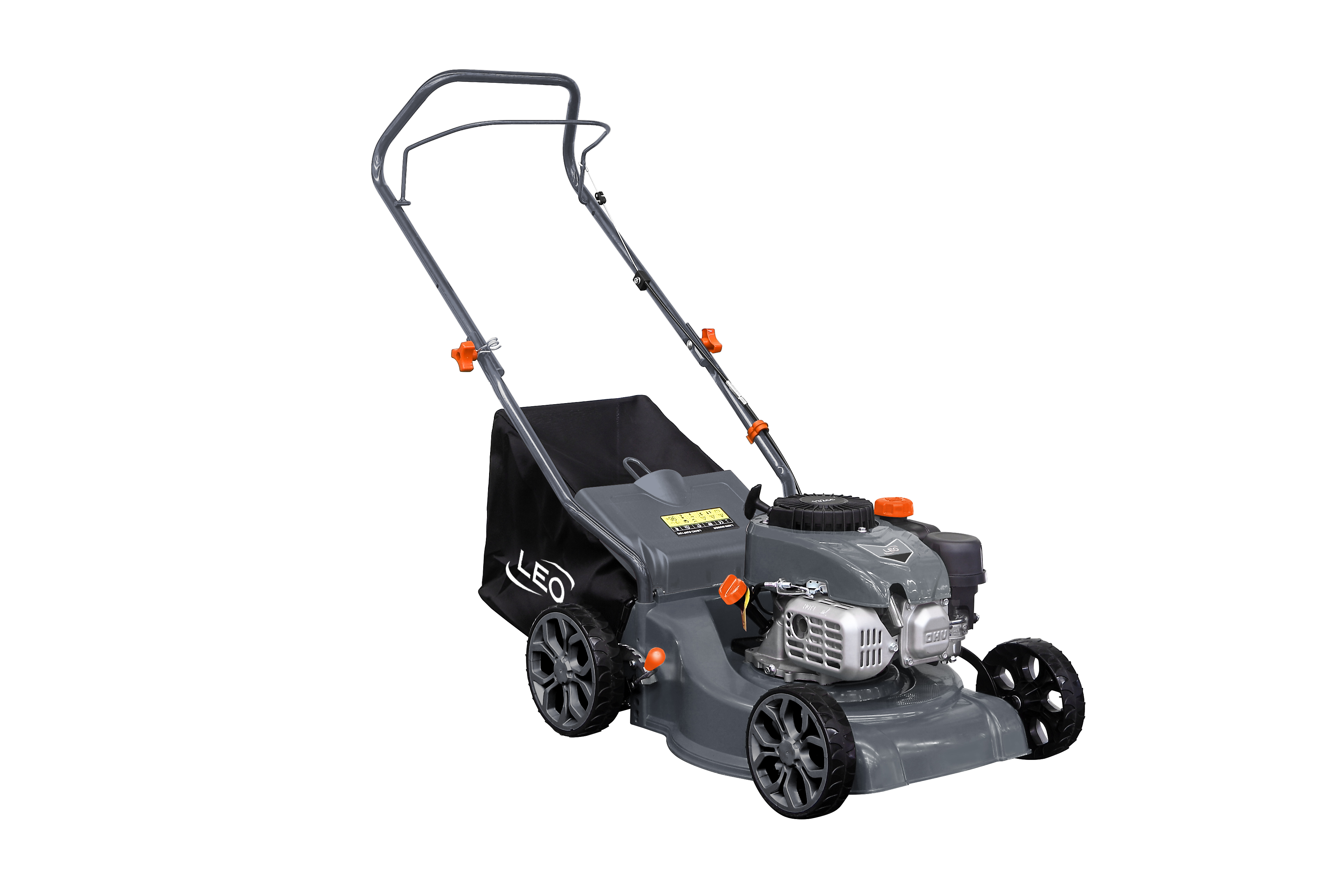
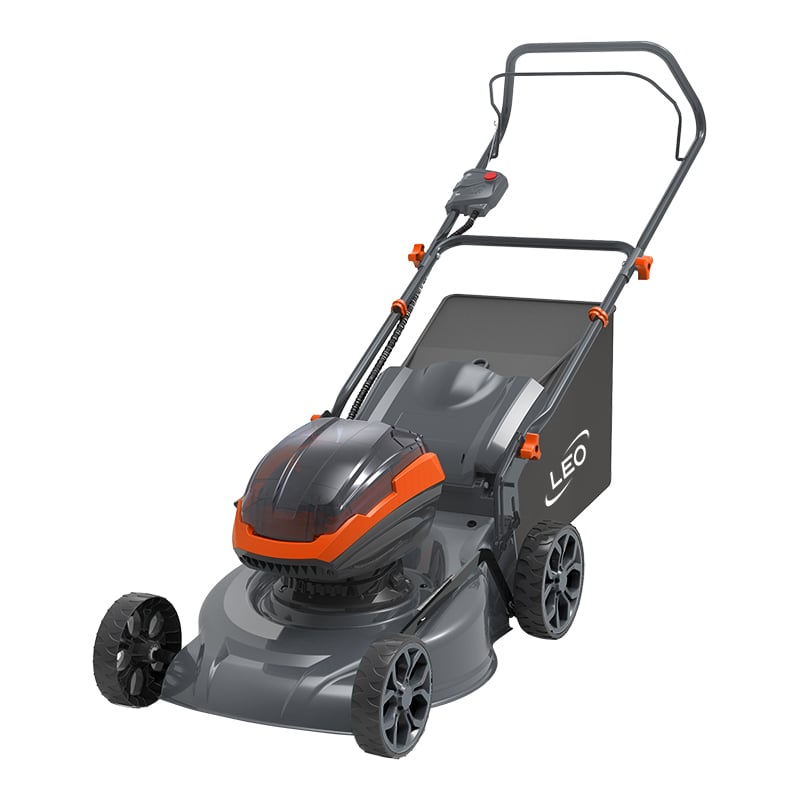
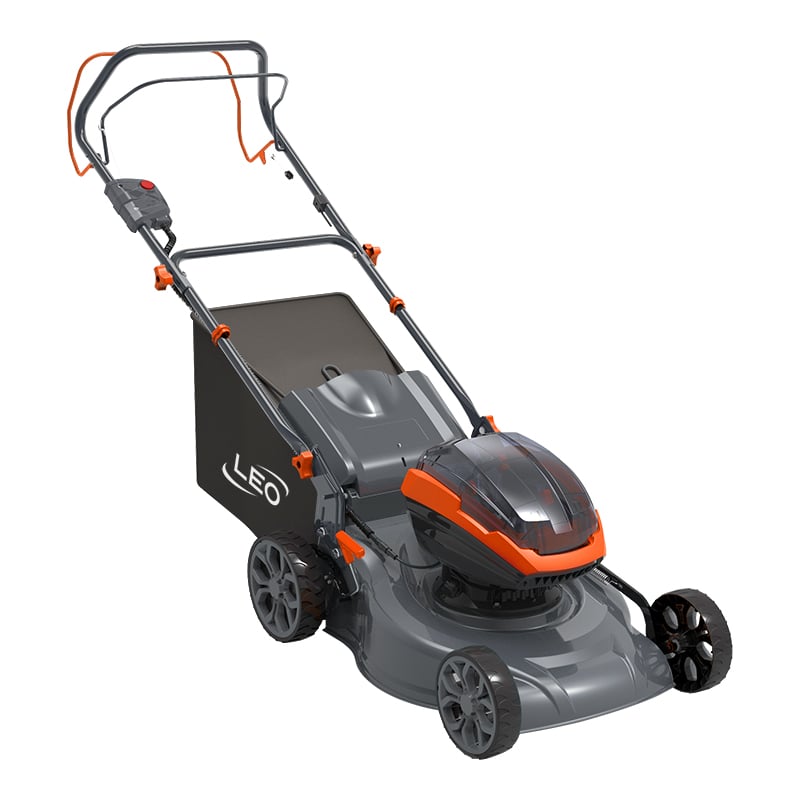
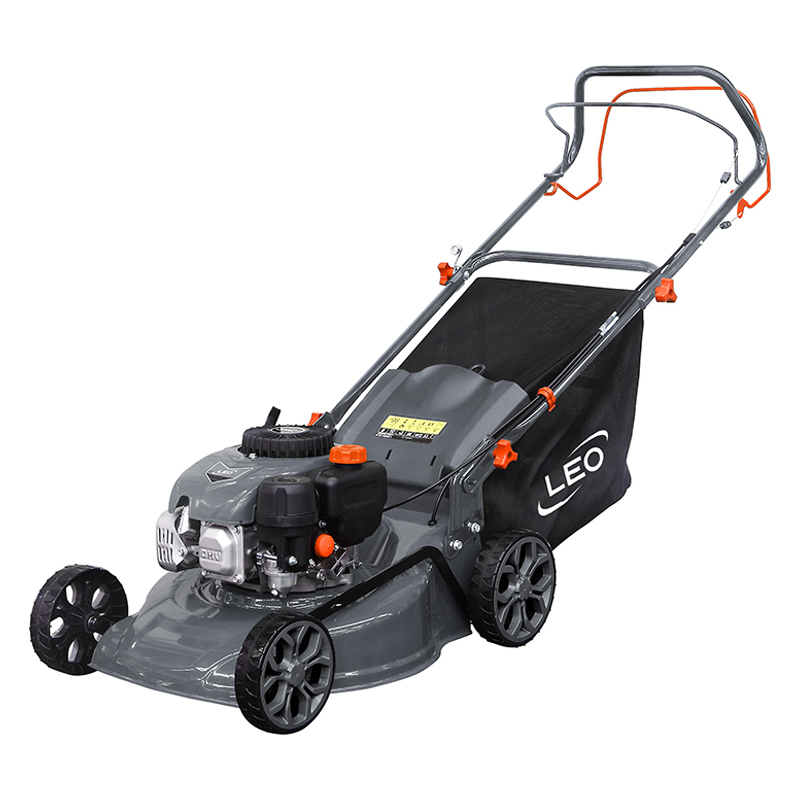
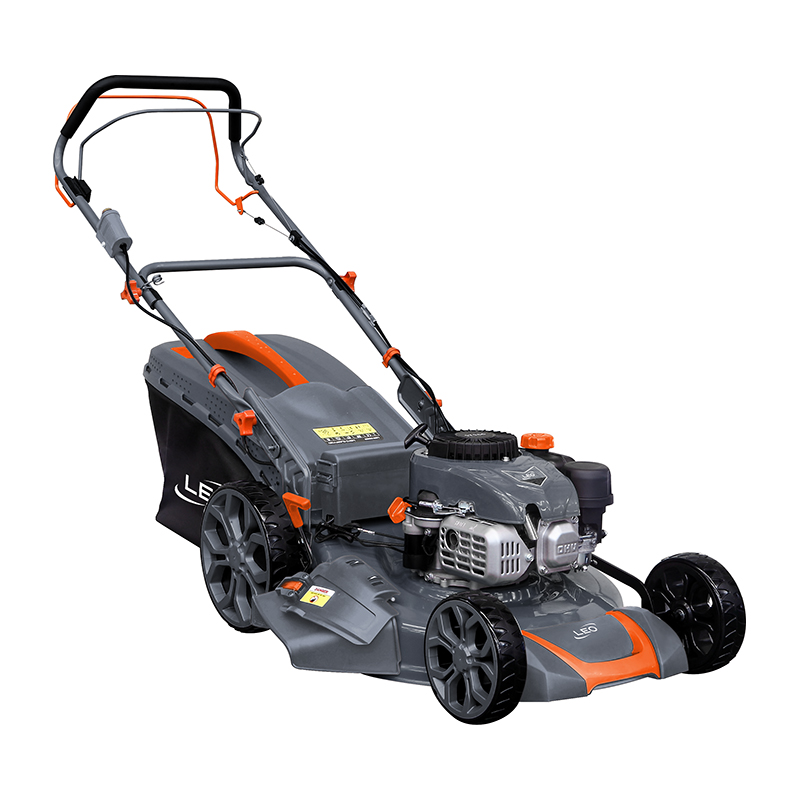
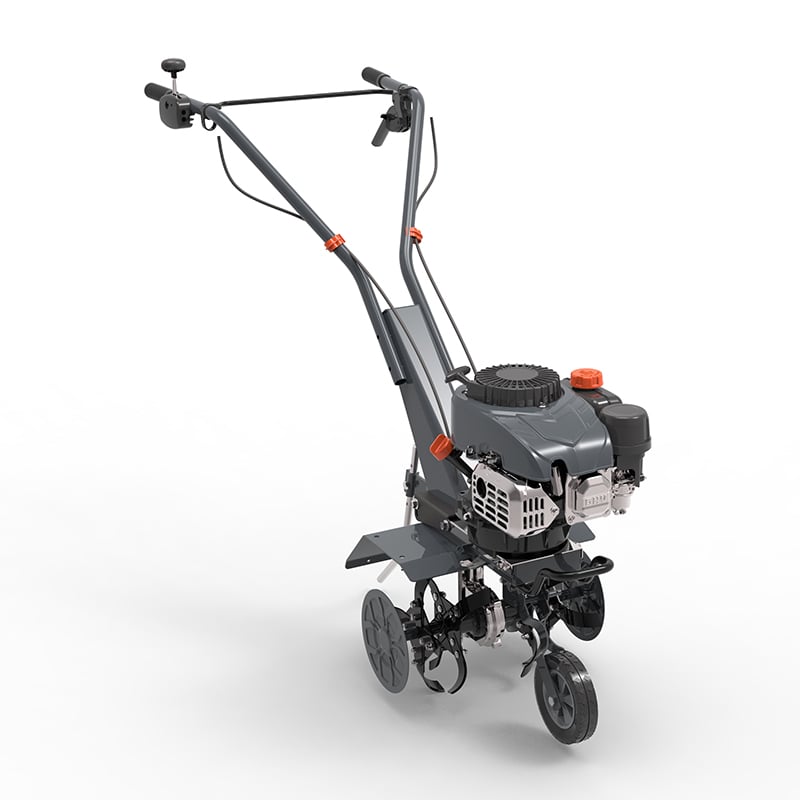
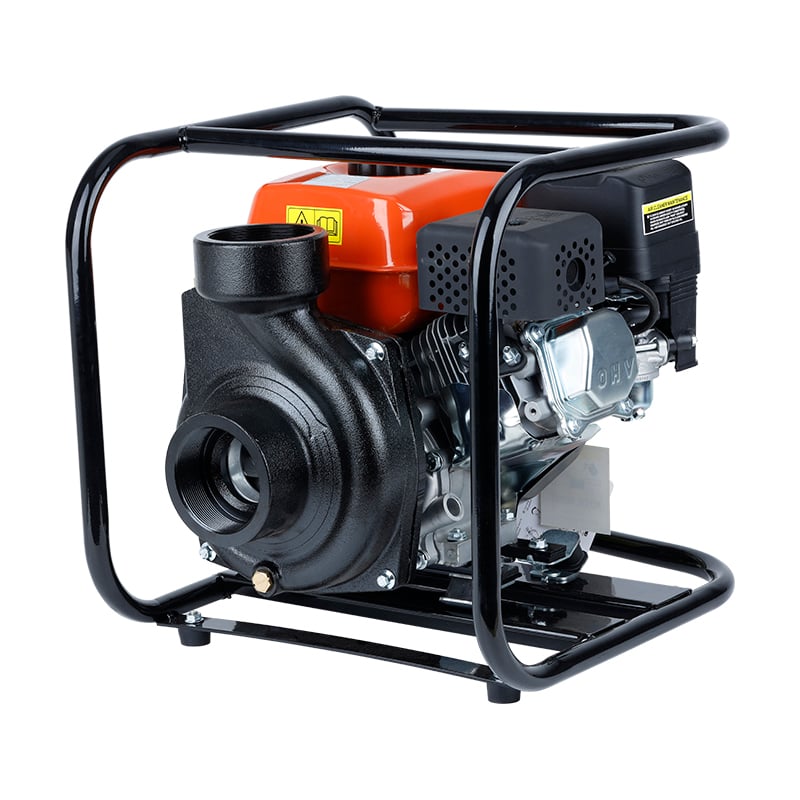
This is why an experienced garden equipment manufacturer should be evaluated as a long-term operating partner, not only as a quote. Zhejiang Leo Garden Machinery Co.,Ltd describes its business as R&D, manufacturing, and sales across lawn mowers, ride-on lawn mowers, garden branch cutters, tillers, and gasoline water pumps. For a buyer, a product range like this can provide a starting point for focused conversations, while every project still needs its own verified scope.
When reviewing OEM service, ask how the factory supports communication after the first order: who receives technical questions, how are packing updates controlled, and how are replacement-part needs discussed? A supplier does not need to promise every outcome to show a credible process; it needs to explain the process it can actually operate.
A buyer’s checklist for a custom OEM project
- Define the end user, market, product family, and brand position before requesting a quotation.
- Separate essential requirements from preferred customization options.
- Request a clear approval sequence for samples, artwork, packaging, and production changes.
- Review factory capability through revision control, inspection points, communication ownership, and service planning.
- Document the private label requirements that must remain consistent from one order to the next.
Conclusion
A successful custom project is not defined by the number of changes requested. It is defined by how well the buyer and garden equipment manufacturer turn those changes into clear specifications, controlled approvals, and repeatable execution. Start with a detailed brief, test the supplier’s workflow, and keep the project record practical. That approach makes OEM service easier to evaluate and gives a private label program a stronger foundation for its next order.
 Hot News