
 EN
What Should You Consider When Selecting a Ride On Mower for Large Lawns?
A large lawn changes the buying question. The issue is not simply whether a ride on mower can cut turf; it is whether it can cover your actual grounds safely, fit through its access points, and remain practical to run through a full mowing season. From a garden-equipment dealer’s viewpoint, the machines people ask about in the showroom and the ones that suit their property after six months can be different.
Start with the work you need to do, then narrow the machine. A suitable ride on mower should match the usable mowing area, terrain, turf growth, storage space, and the time you want to spend maintaining it. This approach also makes it easier to decide whether a riding mower, lawn tractor, or commercial mower is the right category.
Measure the lawn you will actually mow
“Large” is relative. Walk the property and separate open lawn areas from tight areas around trees, beds, entrances, sheds, drainage covers, and retaining walls. The acreage on a property deed can overstate the area a ride on mower can cover efficiently. Note the narrowest gate, the tightest turn, and any routes between lawn sections before comparing models.
Deck width is a useful starting point rather than a verdict. Retail buying guidance commonly places 48- to 60-inch decks in the range for about three to five acres, with 60 inches and above often considered for larger open lawns. A wider deck can reduce passes on a clear field, but it can be awkward where there are many obstacles or narrow entrances. Choose the deck around the lawn’s bottlenecks, not its largest uninterrupted patch of lawn.
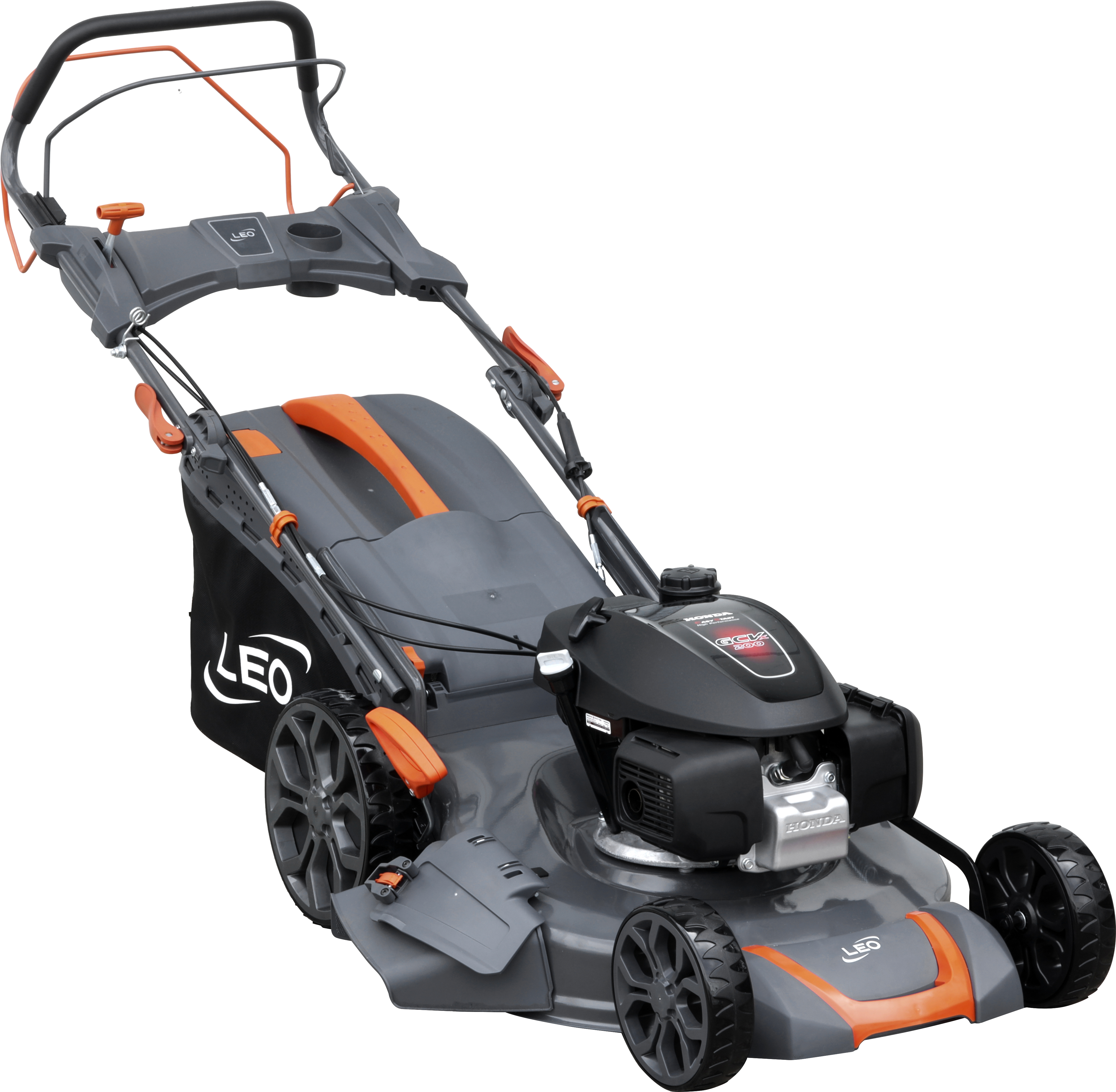 Assess the lawn layout and access routes before choosing a mower deck.
Let terrain and safety screen the options first
Terrain should come before speed, seat comfort, or paint finish. Check slopes with a proper slope indicator and read the operator manual for every candidate machine. OSHA notes that, when no manufacturer limit is available, slopes above 15 degrees should be avoided for riding-mower operation; a machine-specific manual takes priority. Keep movements slow and gradual, and avoid sudden turns, starts, and stops on uneven ground.
A ride on mower that feels stable on flat turf can behave very differently on damp turf, ruts, or a side slope. Do not assume a riding mower is appropriate just because the engine is powerful. If a section has a severe grade, soft ground, a pond edge, or limited run-off room, plan a different mowing method for that section rather than forcing one machine to do every job.
Match the mower type to the work pattern
Riding mower for straightforward residential lawns
A riding mower is often appropriate when the lawn is mostly open, the mowing schedule is regular, and the operator wants a compact step up from a walk-behind machine. Look closely at turning space, deck lift controls, seat adjustment, and collection or mulching options. These details affect whether the machine feels manageable week after week.
Lawn tractor for attachment and hauling needs
A lawn tractor may make more sense when you also need to tow a small cart, spread material, or use seasonal attachments that the manufacturer explicitly supports. Check rated towing guidance, hitch design, transmission behavior, and tyre grip rather than assuming every tractor-shaped machine has the same capability. Attachment compatibility can be more valuable than an extra inch of deck width if the property has several year-round chores.
Commercial mower for frequent or demanding use
A commercial mower is worth considering when mowing is frequent, acreage is substantial, downtime is costly, or the equipment will serve a landscaping crew. Compare service access, spindle and deck construction, operator controls, fuel capacity, and dealer parts support. For a homeowner who mows only occasionally, that extra capacity may add cost and complexity without improving the result; for repeated large area mowing, it can be a sensible operating decision.
Compare cutting capacity, not horsepower alone
Engine output matters, especially in dense or damp turf, but it does not explain the whole cutting experience. Consider the deck’s airflow and discharge design, the number and condition of blades, cutting-height range, transmission response, and how easily clippings are managed. If you mulch, ask how the deck performs when turf is a little taller than usual. If you collect clippings, include hopper capacity and emptying trips in your time estimate.
Right, so the number most buyers notice first is engine size. The more useful question is whether the complete cutting system can maintain a clean finish at your normal pace without clogging or leaving strips. Arrange a demonstration on comparable turf where possible, and ask what routine blade sharpening and belt inspection involve.
Account for operating cost, noise, and maintenance
The purchase price is only one number. Fuel or charging needs, blades, belts, filters, tyres, battery care, and servicing all shape ownership cost. The price tag may be the first number you look at; after a season of regular mowing, the time and cost of routine upkeep can become more important. Ask for the service intervals in writing and confirm who can supply parts locally.
Noise and exhaust are also practical selection criteria. On a property close to neighbours or with restricted operating hours, compare the published sound information, local rules, and your likely mowing time. Petrol and battery options involve different compromises in range, refuelling or charging, storage, and maintenance. Select the power source around your mowing routine rather than treating one approach as suitable for every large lawn.
Test operator fit and daily usability
Sit on the machine before deciding. Check pedal spacing, steering effort, visibility of the deck edges, control labeling, seat support, vibration, and how safely you can get on and off. Make sure you can reach the brake, deck-height control, and ignition without awkward movement. A ride on mower that is tiring or confusing to operate tends to be used less carefully.
Also inspect the ownership practicalities: covered storage, a safe fuel or charging location, access for washing the deck, and a level area for routine checks. Confirm the delivery route and whether the machine can pass through every gate it needs to use. Those small checks often separate a workable purchase from an inconvenient one.
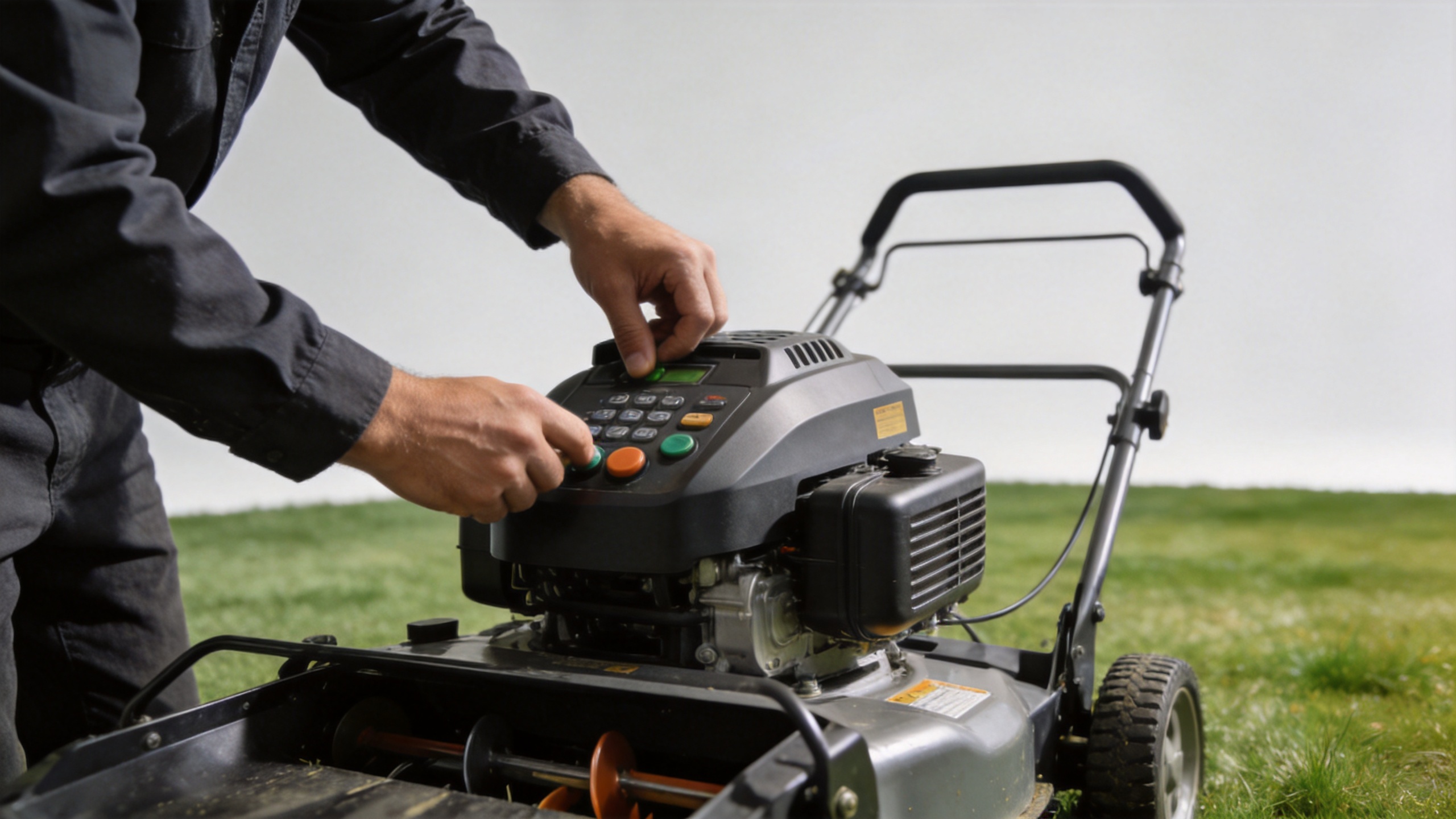
A short selection checklist
- Map usable turf, obstacles, gateways, and slope sections.
- Use the manufacturer’s slope limit and operating instructions as a non-negotiable safety check.
- Choose deck width for open area and access constraints.
- Decide whether you need a riding mower, lawn tractor, or commercial mower based on weekly work and attachments.
- Compare cutting system, drive response, comfort, maintenance intervals, and parts support.
- Estimate total ownership cost and consider noise, exhaust, and storage needs.
- Arrange a demonstration or dealer walk-through before committing.
Make the final choice around your property
The right ride on mower is the one that lets you manage your lawn at a comfortable pace without asking it to operate beyond its stated terrain or workload limits. For a typical large but mostly level lawn with clear access, a well-matched residential machine may be sufficient. Where the job includes long hours, repeated large area mowing, or business use, the durability and serviceability of a commercial mower may justify closer examination. Start with terrain and layout, verify the manufacturer’s specifications, and then compare the machines that truly fit the work.
 Hot News