EN
How to Store Garden Machinery Safely During Winter?
When the mowing and clearing season ends, it is tempting to park every machine in the nearest shed and close the door. That shortcut can create the spring problems owners least want: stale fuel, corroded metal, flat batteries, seized controls, or a storage area with an avoidable fire risk. Safe winter storage for garden machinery begins with a simple idea: clean, inspect, and prepare each machine for the conditions it will actually face while unused.
As a garden machinery technical consultant, I start with the storage site and the machine’s power source rather than a generic checklist. A cordless mower, a petrol mower, a tiller, and a shredder do not all need the same preparation. Still, a careful routine makes garden machinery easier and safer to recommission when the weather improves.
Why winter storage causes problems
Winter exposes stored equipment to a combination of cold, condensation, moisture, and long inactivity. Grass clippings, soil, and sap hold moisture against decks, blades, housings, and fasteners. A damp floor or leaking roof can make that worse. Fuel is another issue: manufacturer guidance for small engines notes that petrol can deteriorate in roughly 30 days, so leaving untreated fuel in a machine for months may create starting and fuel-system trouble.
The storage room matters as much as the machine. A dry, ventilated, lockable shed or garage is usually a better choice than an exposed lean-to. Do not store petrol indoors in living spaces; public winter-safety guidance warns that petrol fumes can ignite. Keep fuel and machines away from heaters, pilot flames, electrical sparks, and other ignition sources, and follow local fire rules.
Start with a clean, cool machine
Before doing any maintenance, switch the machine off, allow the engine or motor area to cool, remove the ignition key where fitted, and disconnect the spark-plug lead on petrol equipment if the owner manual permits. Brush off loose debris first. Then remove packed grass and soil from mower decks, wheel areas, guards, tines, and discharge chutes with suitable tools. Avoid directing high-pressure water at bearings, electrical connectors, or controls unless the manufacturer specifically allows it.
Dry every cleaned surface before storage. This is where lawn mower rust prevention becomes practical rather than cosmetic: moisture trapped under clippings can mark paint, corrode exposed hardware, and leave a deck harder to clean next season. Look for chipped paint, damaged guards, loose fasteners, worn cables, or oil and fuel leaks. Note anything that needs service now, while the machine is clean and easy to assess.

Prepare the fuel system safely
For petrol-powered garden machinery, use the storage approach stated in the engine and equipment manuals. Some manufacturers specify fresh fuel plus a compatible stabilizer and an appropriate run time; others may provide different long-storage instructions. Do not guess, and do not mix products or fuel types without the manufacturer’s direction.
- Work outdoors or in a well-ventilated area with the engine cool and all ignition sources removed.
- Use only an approved fuel container and keep the cap closed when it is not in use.
- Address leaks before storage; do not defer a leaking fuel system to spring-only repair.
- Label any stored fuel with its contents and date, then keep it separately according to local safety requirements.
These steps are especially important for a mower, tiller, or shredder that may sit untouched for several months. Safe storage is not just about whether the engine starts; it is about reducing vapour, spill, and deterioration risks while the equipment is idle.
Give batteries and electrics their own plan
Remove detachable batteries from cordless garden machinery once the equipment is clean and dry. Store them in a cool, dry place away from direct sun, damp concrete, metal objects, heat sources, and fuel containers. Check the battery maker’s instructions for the recommended storage charge level and charging interval. Do not wrap a battery in plastic or place it where terminals can be bridged by tools or other loose metal items.
For ride-on equipment or other machines with lead-acid starting batteries, follow the manual on disconnection, charging, and maintenance charging. Inspect cables and terminals for corrosion only when it is safe to do so. A small amount of attention now can prevent a frustrating no-start situation during lawn mower winter preparation.
Choose a storage position that protects people and equipment
Park machinery on a level, dry surface where it cannot roll, fall, or block an exit. Lower attachments or cutting decks when the manual recommends it, engage the parking brake on ride-on models, and keep keys out of reach. Cover equipment with a breathable cover after it is fully dry; a non-breathable cover can hold condensation against the machine. Leave enough clearance to inspect the area without moving fuel containers or sharp tools.
Do not hang heavy machines by handles unless the manufacturer approves it. If space is tight, use stable shelving or racks designed for the load and keep blade edges, chains, and tines guarded. Families with children or pets should treat the storage room as controlled space: lock it, remove keys, and keep batteries, fuel, and sharp attachments inaccessible.
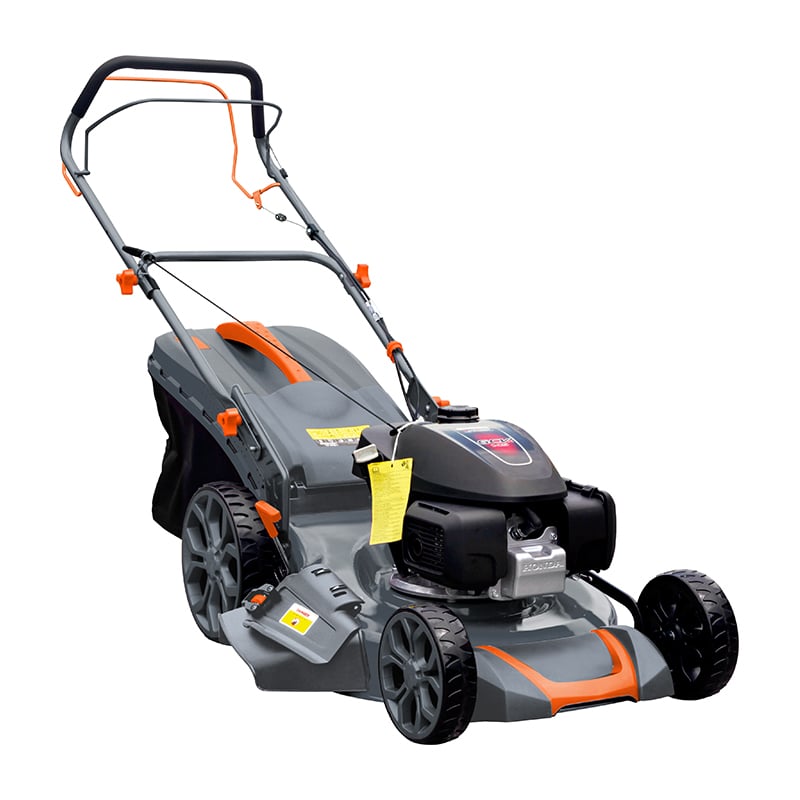
A practical lawn mower seasonal storage checklist
- Read the machine and engine manuals for model-specific winter requirements.
- Let the machine cool, isolate its power source, and clear away grass, soil, and debris.
- Wash only where permitted, then dry the deck, housings, controls, and attachments completely.
- Inspect blades, fasteners, guards, cables, tyres, and fluid areas; arrange repairs for faults or leaks.
- Complete the manufacturer-approved fuel procedure for petrol models.
- Remove and store detachable batteries correctly; maintain other batteries as instructed.
- Park on a level, dry surface, secure the machine, use a breathable cover, and lock the storage area.
This lawn mower seasonal storage routine is also a useful template for many other machines, but attachments and power systems can change the details. A cordless tool needs battery care; a tiller needs attention to soil-packed tines; a shredder needs a clean, guarded cutting area. If an instruction conflicts with a general tip, the manufacturer’s manual takes priority.
What not to do before spring
Avoid storing a dirty machine while assuming a cover will protect it. Do not seal wet machinery under plastic, leave a damaged fuel line unresolved, charge batteries next to fuel, or run petrol equipment in a closed storage building. It is also unwise to postpone visible mechanical damage. A loose guard or cracked cable may be easier to correct during the quiet season than on the first day the machine is needed.
Make spring recommissioning easier
Keep a short record of what you did: the storage date, fuel procedure, battery location, repairs needed, and any parts to order. When spring arrives, remove the cover, check for moisture or pest damage, reconnect components according to the manual, and carry out the pre-use inspection before starting. Check guards, controls, blades or tines, tyres, and fluid areas. Test the machine outdoors in a clear area.
Good winter care does not require a complicated workshop. It requires a dry location, a fuel and battery plan that matches the machine, and enough time to correct small issues before they become downtime. With that routine, your garden machinery can be stored more safely through winter and be better prepared for the next working season.

 Hot News