EN
How to Maintain Lithium Ion Lawn Mower Batteries Properly?
A lithium ion lawn mower can be ready for a new season without guesswork if its battery is handled with a little care after each cut. Start with the instructions for your particular pack and charger: their temperature limits, storage level and warning indicators take priority over general advice. A practical routine covers cooling, charging, cleaning, storage and a check for damage.
Battery maintenance is not about forcing a pack through a fixed number of cycles. It is about giving the battery suitable conditions and noticing changes early. The steps below apply to removable packs; if the battery is built into your electric mower, follow the maker's isolation and storage instructions instead of attempting to remove it.
1. Allow the battery to cool after mowing
Switch off the lithium ion lawn mower, remove the safety key if fitted, and wait for moving parts to stop. Remove the battery only as the manual directs. A pack that feels warm after a demanding cut should cool in a dry, ventilated place before charging. Do not put it in a refrigerator or use water to accelerate cooling.
Heat, cold and workload can affect how a battery behaves. Cutting dense or damp growth may place more demand on the mower than a light trim, so a shorter run on that day does not necessarily mean the pack is worn out. Compare sessions under similar conditions before drawing conclusions about battery lifespan.
2. Use the specified charger and charging method
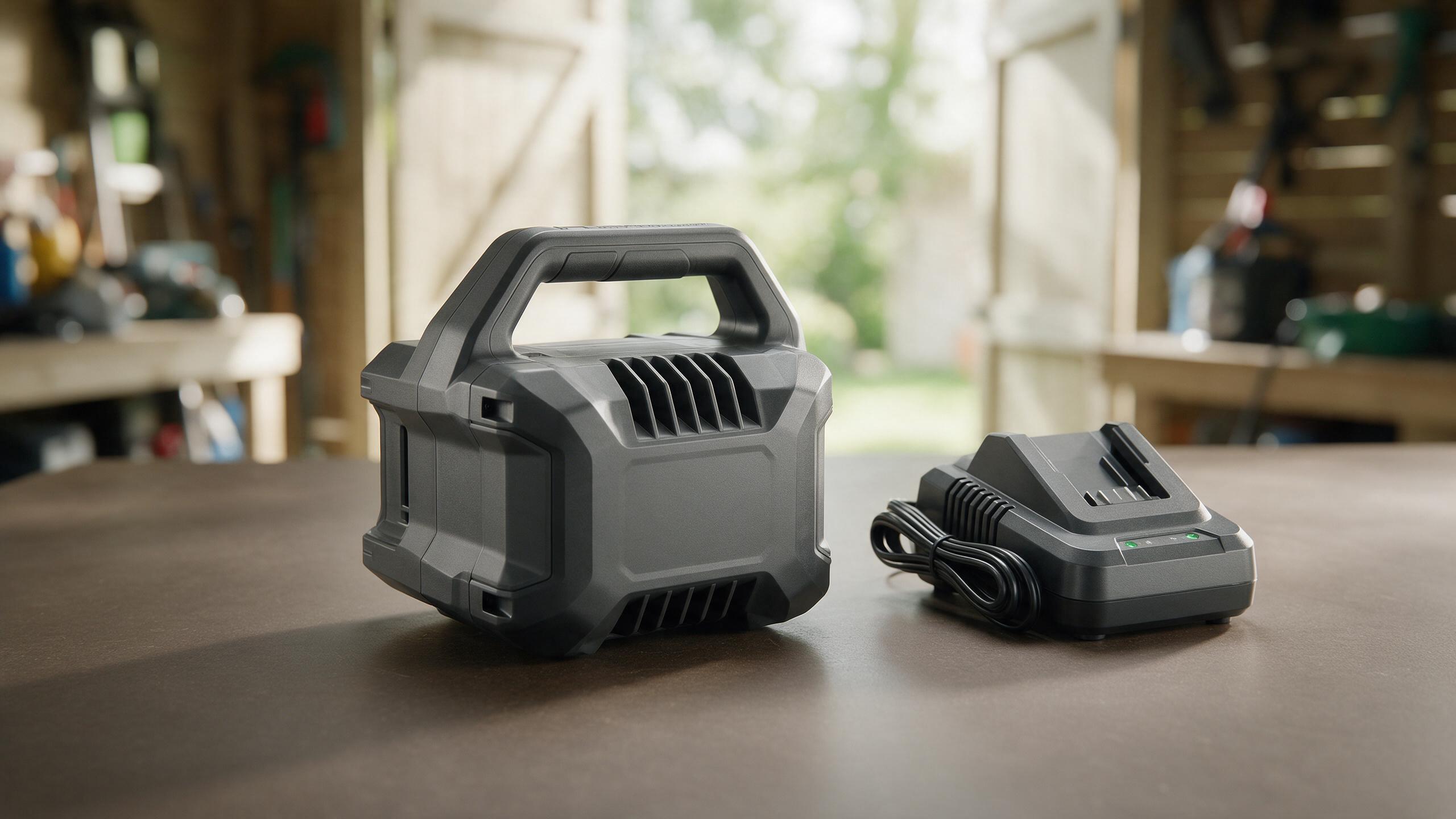
Use a charger approved for the exact battery system. Similar-looking connectors or a matching voltage printed on a label do not establish compatibility. Place the charger on a stable, dry surface with ventilation, clear of combustible items, and follow the instructions for the charging method and the permitted temperature range.
Inspect the charger, cord and pack before connecting them. Charge where you can notice a fault; do not leave a damaged pack charging or cover the charger. Once charging is complete, disconnect it as directed. If a lithium ion lawn mower battery or charger becomes unusually hot, smells odd, swells or emits smoke, stop use. If it is unsafe to approach, exit the area and contact emergency services; do not handle a smoking or burning pack.
Do not try to revive an unresponsive pack by bypassing its electronics, opening its case or connecting it to another power supply. Battery maintenance should stay within the user tasks described by the manufacturer. A dealer or qualified service provider can assess a fault safely.
3. Keep contacts and the battery compartment clean
With the lithium ion lawn mower powered off and the pack removed, check the outside of the case, the contacts and the battery bay. Brush off dry debris with a soft, dry cloth or brush, following the manual. Keep metal objects separate from the exposed terminals, and do not use a pressure washer, solvents or a wet cloth on the battery contacts.
If moisture has reached the pack or compartment, stop using the equipment and consult the manufacturer's instructions. Do not install or charge a wet battery. Check that the contacts and battery bay are dry before reassembly, and seek service if the manual identifies the exposure as unsafe.
4. Store the pack for the season, not in the mower by default
For longer breaks, follow the battery's own instructions for storage charge level and check intervals. Different packs may call for different levels, so a single percentage is not a universal rule. A lithium ion lawn mower manual may also specify whether to remove the pack and how to protect its contacts. Use a separate protective cover if supplied; keep loose metal items separate from terminals.
Choose a cool, dry location within the manufacturer's stated temperature range, sheltered from direct sunlight, water and physical impacts. An unheated shed or a closed vehicle can experience wide temperature swings. OSHA's lithium-ion safety guidance also recommends cool, dry storage and following the manufacturer's directions. Check stored batteries at the intervals specified in the manual, and recharge only when the instructions call for it.
Before the first cut of a new season, inspect the case and contacts, check the charge indication and use the correct charger if needed. If the battery was stored in a cold place, allow it to reach the permitted charging temperature before connecting it. These small steps help protect battery lifespan without relying on an unsupported promise about the number of seasons a pack will last.
5. Track runtime without mistaking every change for a fault
Keep a simple record of the area cut, cutting conditions, charge level at the start and finish, and any warning lights. For a lithium ion lawn mower, compare similar jobs using the same settings. A blunt blade, heavy growth or a clogged deck can change workload; check the mower only after switching it off and removing the key and battery according to the manual.
If runtime consistently falls under comparable conditions, review the troubleshooting section and ask an authorised service provider to assess the pack and charger. Battery lifespan varies with use, age, temperature and the design of the system. There is no reliable universal replacement date, and a short run alone does not establish which component is at fault.
6. Know when to stop using a battery
Cracks, swelling, leakage, unusual odour or repeated overheating are reasons to stop using a lithium ion lawn mower battery. Do not charge it, open it or attempt a home repair. Keep people clear of an actively overheating or smoking pack, exit the area and call emergency services. For a damaged but stable pack, contact the manufacturer or local hazardous-waste authority for handling and collection instructions before moving or transporting it.
At end of life, do not put a lithium ion lawn mower pack in household rubbish or ordinary recycling. The US Environmental Protection Agency recommends a separate battery recycler or household hazardous-waste collection point; local rules and collection services vary. Ask the collector how to protect terminals and whether it accepts damaged packs before making a trip.
A short routine after each cut
- Switch off the electric mower, remove the key if fitted, and take out the pack as instructed.
- Inspect the case and allow the battery to cool before using the approved charger.
- Keep the charging area dry and ventilated, and follow the stated charging method.
- Wipe off dry debris and keep contacts separate from loose metal objects.
- For a longer break, follow the manual's storage level, temperature and inspection schedule.
Good battery maintenance is a repeatable habit, not a complicated repair. Keep the instructions for your lithium ion lawn mower close to the charger, record unusual behaviour and ask for professional advice when the pack no longer behaves normally.
 Hot News