
 EN
How to Choose the Right Equipment for Different Landscaping Tasks?
Choosing landscaping equipment is easier when you start with the work, not the catalogue. A compact garden, a long boundary line, a wet lawn and a commercial maintenance route can all call for different tools. The useful question is not “Which machine is appropriate?” but “What must this machine do, on this site, for this operator?” That task selection approach keeps purchases practical and helps avoid buying more power, width or complexity than the job requires.
For homeowners and crews alike, a good landscaping equipment plan combines the main machine with the garden tools, protective equipment and maintenance capacity needed to use it safely. In repeated field work, the details that seem minor—access width, turning space, slope, storage and blade upkeep—often decide whether a tool remains useful after the first season.
Begin with a site and task selection checklist
Before comparing landscaping equipment, walk the site and write down four things: the material to be handled, the area to cover, the terrain, and the frequency of work. A mower that suits an open lawn may be awkward around beds and trees. A powerful trimmer may be unnecessary for occasional edging, while it may be essential for a crew maintaining several properties each day.
- Material: grass, leaves, hedge growth, branches, soil or debris each need different cutting, collection or moving capacity.
- Area and access: measure gates, paths, storage doors and tight corners before choosing deck width or machine size.
- Terrain: note slopes, wet ground, obstacles, drop-offs and uneven areas.
- Duty cycle: occasional garden care and professional maintenance place very different demands on runtime, durability and service support.
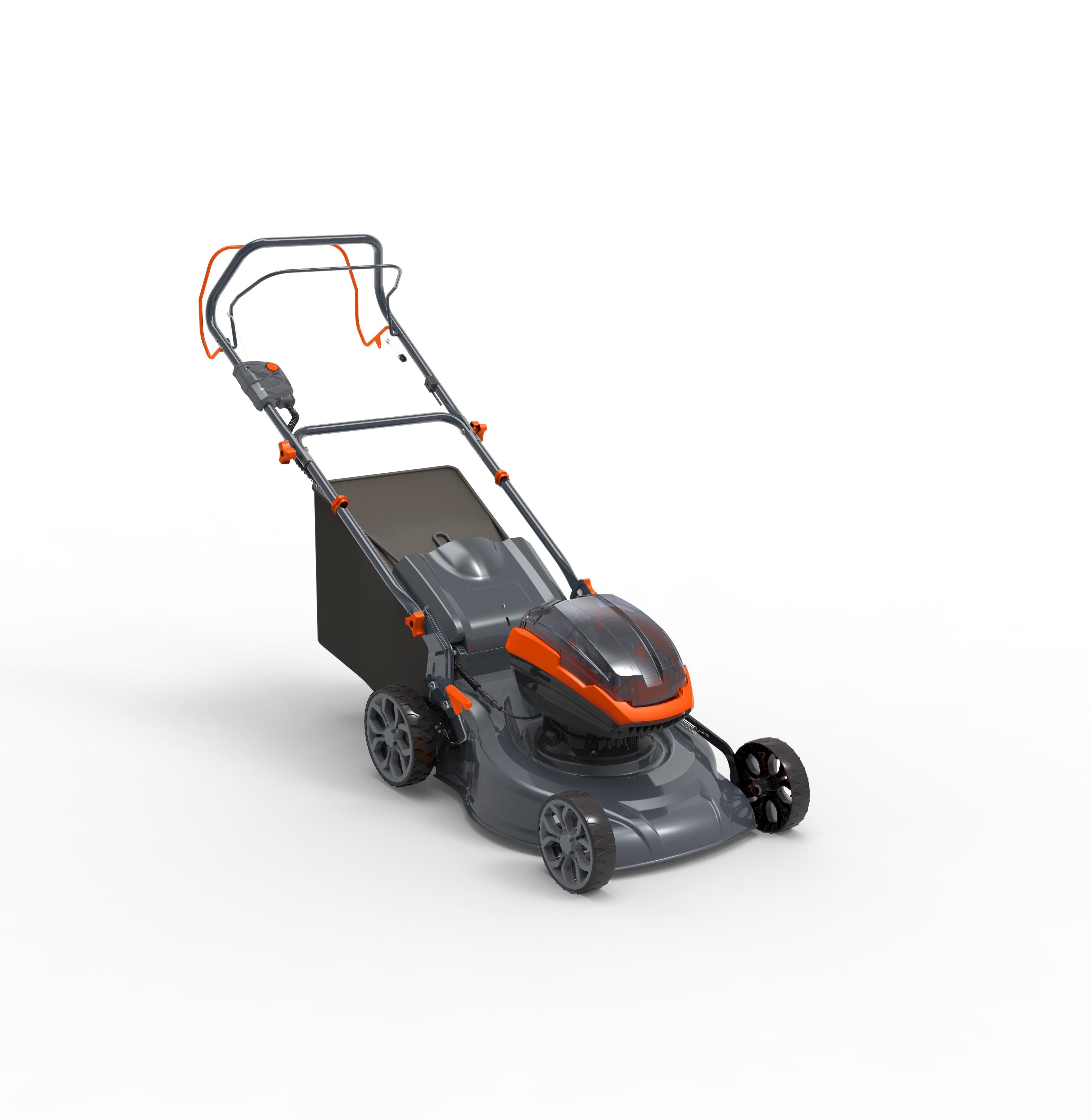 Start with the site conditions and recurring tasks before selecting machines.
This is the foundation of task selection. It also prevents a common mistake: using one piece of landscaping equipment for every task because it is already on the truck or in the shed.
Match landscaping equipment to the main task
Mowing open lawns
For small, mostly level lawns, a walk-behind mower is usually the simplest starting point. Prioritize a cutting width that fits through access points, a sensible collection method, and an adjustable cutting height. Cordless mowing can make sense where quiet operation, easy storage and cable-free movement matter; check the stated runtime against the actual lawn area and keep battery charging in the work plan.
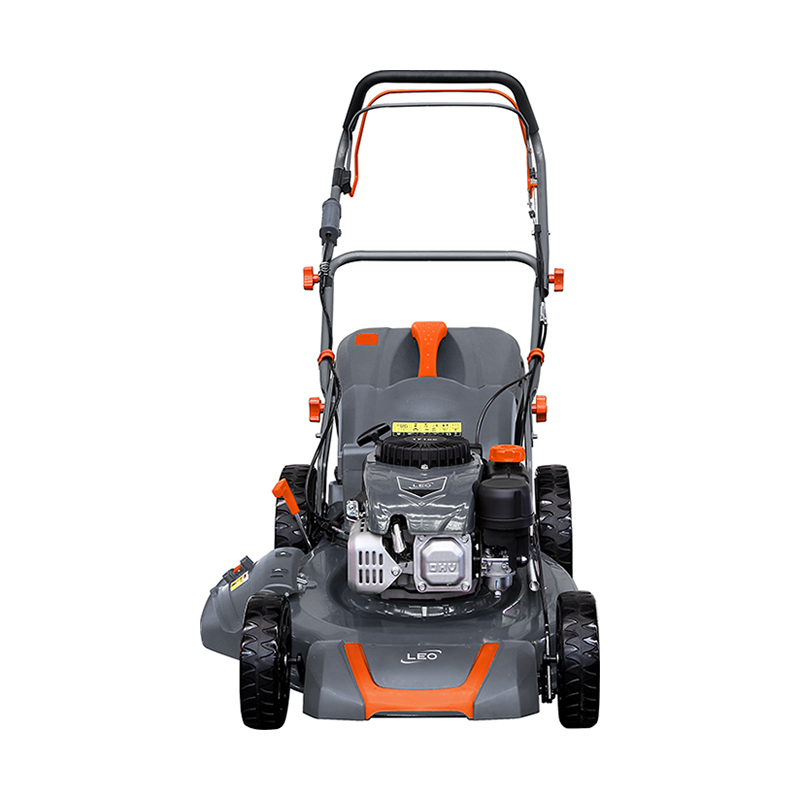
For larger, open areas, self-propelled or ride-on landscaping equipment can reduce walking time and operator fatigue. That does not make a ride-on mower the right answer everywhere. It must fit the property, have safe clearance around obstacles, and be used only within the slope limits specified by its manufacturer. OSHA riding-mower guidance similarly emphasizes site assessment and manufacturer limits rather than treating lawn size as the only decision point.
Trimming edges, borders and awkward ground
String trimmers, edgers and hand garden tools are the finishing tools that make a maintained site look intentional. Use a trimmer for fence lines, trees and places a mower cannot reach; use an edger when a crisp boundary between turf and path is part of the required finish. For a single domestic border, a manual edger may be enough. For repeated route work, powered landscaping equipment can save time, provided the operator can control it comfortably and replacement line or blades are readily available.
Do not let a powerful trimmer substitute for safer task selection on steep ground or close to a wall, ditch or water edge. The tool should match the location as well as the vegetation. Eye protection, hearing protection, sturdy footwear and suitable clothing belong in the job setup, particularly when debris can be thrown.
Managing leaves, clippings and branch waste
Leaf blowers help gather dry debris from paths, lawns and hard surfaces, but a rake remains useful near delicate planting or where noise and dust are concerns. For pruning waste, select a shredder or chipper only after checking the type, moisture level and maximum diameter of material the manufacturer permits. Wet, fibrous material can behave very differently from dry, straight branches. Avoid choosing landscaping equipment on a capacity claim alone; feed method, guarding, clearing procedure and local noise conditions all matter.
If grass clippings are the main issue, decide whether collection, side discharge or mulching better fits the lawn condition and maintenance schedule. Mulching is most practical when mowing is regular and the grass is not excessively long. Collection may be more appropriate when a clean finish or debris removal is the priority.
Preparing soil and planting areas
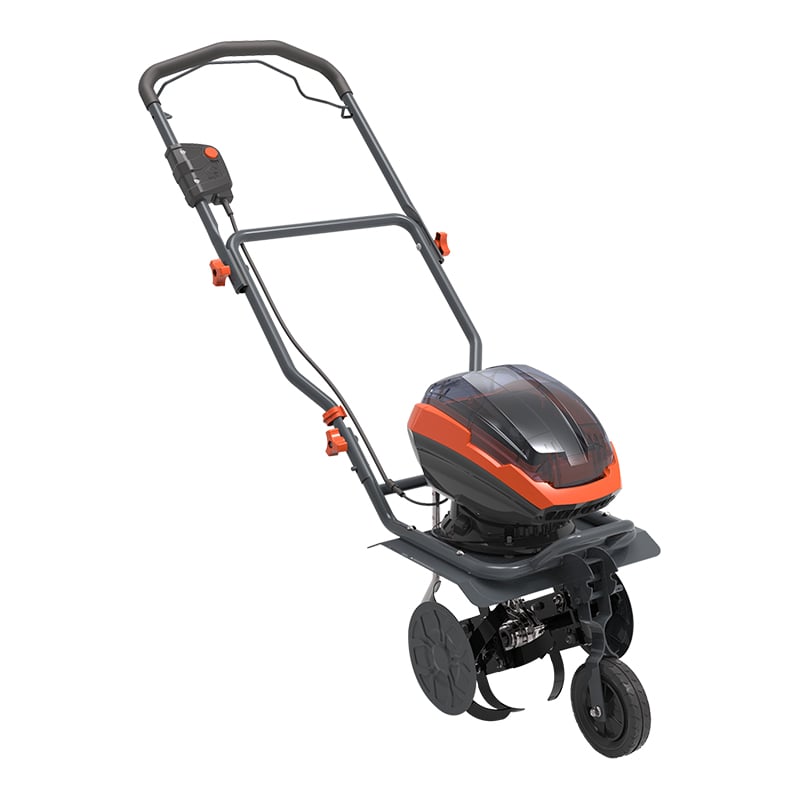
For beds, vegetable plots and compacted soil, task selection begins with the scale of cultivation. Hand garden tools such as spades, forks and rakes offer control around established plants. A tiller can reduce effort on larger or repeatedly prepared areas, but it needs room to operate and should not be used blindly around buried irrigation, cables or roots. Mark utilities and irrigation first; more power is not a substitute for site awareness.
Choose a power source based on the work pattern
Battery, electric and petrol landscaping equipment each have a reasonable place. Battery tools are often convenient for shorter, quieter tasks and properties with several obstacles. Corded tools can suit small sites with safe access to power, but cable management adds a real limitation. Petrol-powered tools can support longer or more demanding work, yet they bring fuel handling, starting procedures, ventilation and routine engine care.
For professional maintenance, compare the entire system rather than one machine. Can batteries be shared across the required tools? Is charging possible between jobs? Are service parts, filters, blades and consumables available? The lowest purchase price can become costly if downtime interrupts a route. A professional crew should also consider weight, vibration, controls and transport: an operator using landscaping equipment for hours needs a different standard from someone mowing once every few weeks.
Build safety and maintenance into the purchase decision
Good landscaping equipment is not only productive; it can be inspected, maintained and operated within its limits. Before buying, check the manual for the intended use, safety guards, maintenance intervals, compatible consumables and storage requirements. For ride-on machines, verify the manufacturer’s slope guidance and all relevant safety systems. If a task is near an unprotected drop-off, water feature or unstable ground, reassess the method rather than forcing a large machine into the space.
Professional maintenance should include a simple routine: inspect guards and controls before use, remove debris after use, keep cutting components in serviceable condition, and address unusual vibration or noise promptly. For petrol equipment, plan fuel and oil checks according to the manufacturer’s instructions. For cordless tools, follow the battery maker’s charging and storage guidance. These habits help the selected landscaping equipment remain dependable without making unsupported claims about lifespan.
Use a small, expandable equipment set
A complete setup rarely needs to be purchased at once. Start with the tasks performed most often, then add specialized landscaping equipment when the workload proves it necessary. Many gardens begin with a mower, a trimmer, basic garden tools and a method for leaves or clippings. A professional maintenance operation may add dedicated blowers, edging tools, transport storage and backup units to protect the schedule.
Before you commit, test the decision against one final question: will this tool make the planned work safer, cleaner or faster on the actual site? If the answer depends on a condition—battery runtime, slope rating, branch diameter or service availability—verify that condition in the manufacturer documentation. Careful task selection produces a more useful equipment mix than chasing the biggest machine.
Final decision checklist
- List the recurring tasks before browsing landscaping equipment.
- Measure access, terrain and storage space.
- Choose capacity for the real workload, not the occasional extreme job.
- Confirm power, safety and maintenance requirements in the manufacturer documentation.
- Keep garden tools and PPE in the plan; the main machine is only part of the job.
- For professional maintenance, value uptime, serviceability and operator comfort alongside output.
With that framework, landscaping equipment becomes a practical system built around the work—whether you are caring for a small garden or planning a dependable professional maintenance fleet.


 Hot News