
 EN
How Does Lithium Battery Technology Improve Cordless Lawn Mower Performance?
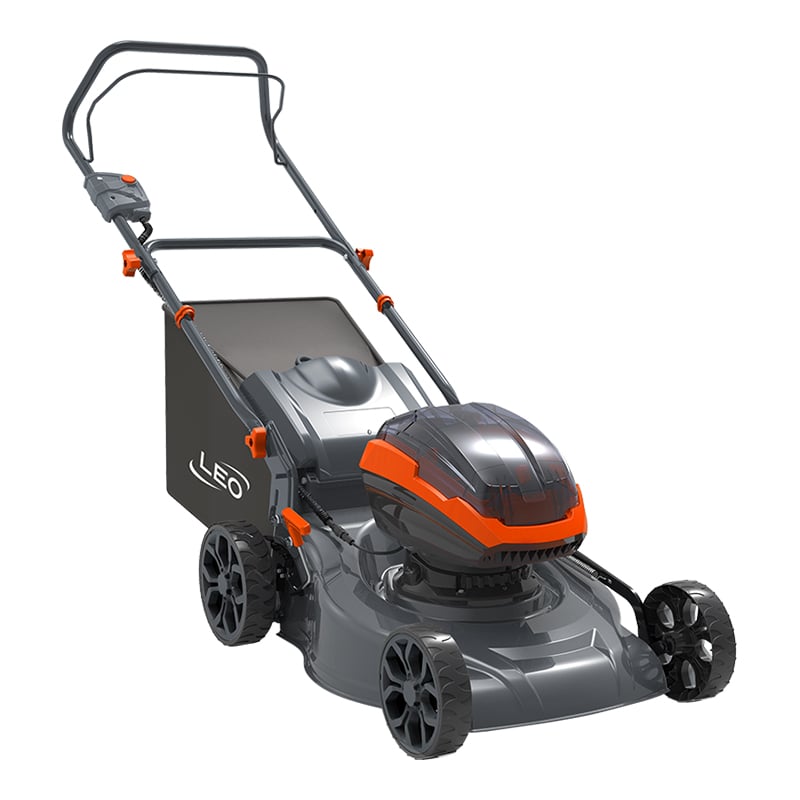
A modern cordless lawn mower is no longer simply a lightweight alternative to a corded machine. Its performance depends on how the lithium battery, motor controller, motor, and cutting deck work together under load. As a garden-machinery specialist would explain it, the useful question is not “How many volts does it have?” but “Can this battery system deliver the cut, coverage, and pace my lawn requires?”
Lithium battery technology improves mobility, start-up convenience, and power management. It can also make an electric mower easier to own than a petrol model for regular lawn care. But runtime still changes with grass height, moisture, cutting width, terrain, and operator habits. Understanding those limits leads to a much better purchase decision.
Why lithium batteries suit a cordless lawn mower
Lithium-ion cells store rechargeable energy in a comparatively compact, low-weight package. For a cordless lawn mower, that matters because the battery has to travel with the machine. A lighter energy store can help designers keep the mower easier to turn, lift, and store while still providing enough energy for a typical mowing session.
The battery pack does more than hold energy. Its management system monitors temperature, voltage, and current, then communicates with the tool’s electronics. When the mower meets a thicker patch of grass, the controller can call for more current; when the load falls, it can reduce demand. That responsive delivery is a practical reason a lithium battery platform can feel more capable than older battery designs.
One qualification matters: a larger battery does not automatically mean a better cordless lawn mower. Capacity affects potential running time, but the mower must also be balanced, suitable for the lawn, and paired with a charger and battery platform that fit the owner’s routine.
How battery technology changes cutting performance
Consistent power through normal grass conditions
On a well-maintained lawn, a lithium-powered electric mower can provide immediate torque at the blade. When paired with an efficient brushless motor, the system can convert battery energy into cutting work with fewer wearable motor components. The result is a direct, push-button start and a smooth response when the blade enters ordinary growth.
That does not remove the effect of conditions. Tall, wet, or dense grass raises the blade load and increases energy draw. If a lawn has been left too long, make a first pass at a higher setting, slow the walking pace, and avoid forcing a small deck through heavy clippings. These steps protect cut quality and preserve usable battery life during the job.
Less downtime from starting and fuel tasks
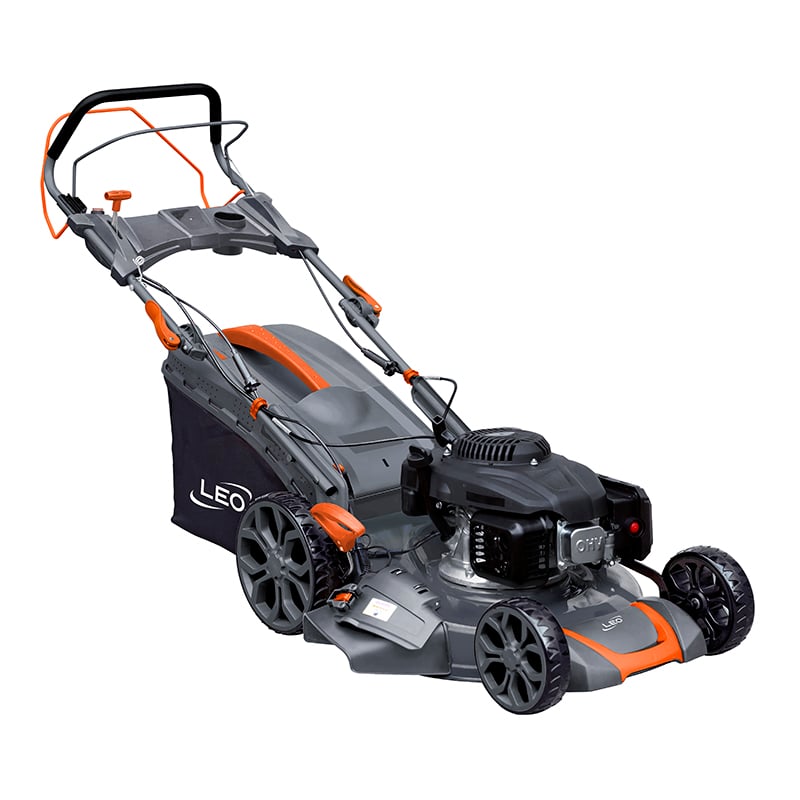
A cordless lawn mower eliminates pull-cord starting, fuel mixing, and routine oil checks associated with many petrol machines. Pressing a start button is not merely convenient: it makes short, frequent mowing sessions more realistic. That can improve the lawn, because grass is easier to cut cleanly when it is maintained regularly rather than tackled after it becomes overgrown.
Battery status makes the job easier to plan
Many battery platforms use an on-pack or onboard charge indicator. This feature will not create extra capacity, but it gives the operator a more useful decision point: finish the small back lawn now, swap batteries before the final section, or pause and recharge. For a household near the limit of one pack, that visibility is more valuable than an optimistic runtime claim.
Battery life is a system question, not a single number
Manufacturers may state battery capacity in amp-hours, but capacity alone cannot predict how long a cordless lawn mower will run. A high-capacity pack typically holds more energy than a lower-capacity pack of the same voltage, yet actual coverage depends on:
- grass height, density, and moisture;
- cutting width and the selected cutting height;
- self-propelled drive use, slopes, and repeated acceleration;
- blade condition and whether the deck is collecting or mulching; and
- temperature and the condition of the lithium battery.
For this reason, compare a mower’s claimed coverage with your own lawn in realistic conditions. A medium lawn that is cut weekly may suit a single pack. A larger lawn, a hilly site, or a property with fast spring growth may be better served by a dual-battery design or a second compatible battery. The point is not automatically to buy the largest pack; it is to avoid running out of charge halfway through the work.
Charging technology and battery care affect long-term results
Good charging technology manages current and battery temperature rather than treating every charge as identical. For a cordless lawn mower, charging technology is part of performance planning, not just a specification on the box. Use the charger supplied or approved for the platform, place it on a stable surface in a dry, ventilated area, and follow the instructions for the specific pack. Do not charge a cracked, swollen, leaking, or damaged lithium battery.
Heat is especially important. A pack that has just worked hard may be warm, and a pack left in strong sun or a hot vehicle can lose performance or trigger protection measures. Let it return to a suitable temperature before charging. For winter storage, remove the battery from the mower, keep it dry and away from flammable materials, and use the maker’s recommended storage charge and temperature range. Exact storage guidance varies by battery platform, so the manual takes priority.
These habits will not make a battery last forever. They do, however, reduce avoidable stress and help preserve practical battery life over seasons of use.
What an electric mower gains—and what it still cannot replace
A lithium-powered electric mower offers cable-free movement, lower local operating noise, and less routine engine maintenance. That combination suits regular residential mowing, gardens with obstacles, and owners who value quick setup. A shared battery platform can add another benefit when the same packs work across compatible garden tools.
However, a cordless lawn mower is not automatically the right tool for every property. Very large areas, sustained commercial use, or consistently heavy grass may require multiple packs, rapid charging, or a different power source. A good buying decision accounts for the hardest normal mowing day, not just the easiest summer trim.
A practical cordless lawn mower checklist
- Measure the lawn and note its difficult areas. Include slopes, thick edges, and places where the grass grows fastest.
- Compare battery energy and platform options. Check whether a spare or dual-battery configuration is available for the model.
- Look at the whole cutting system. Cutting width, deck design, blade condition, drive assistance, and collection mode all influence real runtime.
- Review charging technology and storage instructions. Confirm where you can safely charge and store the pack.
- Plan for long-term ownership. Ask about compatible batteries, replacement availability, and service support before committing to a platform.
The bottom line
Lithium battery technology improves a cordless lawn mower by making portable power more practical: it supports quick starts, manageable machine weight, responsive power delivery, and flexible battery swapping. The most suitable performance comes from matching the mower and its battery system to the grass conditions and area you actually maintain. When capacity, charging routine, and cutting workload are aligned, a cordless mower can turn routine lawn care into a simpler, quieter job.
 Hot News