
 EN
Why Do Many Professional Users Prefer Gasoline Lawn Mowers for Heavy-Duty Work?
For a landscaping crew, mowing is not a short weekend task. It may mean clearing thick spring growth, moving from one property to the next, and keeping a schedule even when the grass is damp or the ground is uneven. That is why a gasoline lawn mower is still a practical choice for many professional users. The preference is less about nostalgia for an engine and more about matching a machine to sustained workload, service routines, and the consequences of downtime.
As a professional lawn-care operator, it helps to start with the site rather than the sales brochure. A quiet cordless mower can be an excellent tool for a small, well-kept site. But when a team must cover larger areas or make several back-to-back cuts, a gasoline lawn mower can offer a different kind of operational confidence: fuel can be replenished quickly, power does not fade as a battery approaches the end of a charge, and the machine can be selected around commercial-duty components.
The real issue is workload continuity
Commercial mowing is often constrained by time on site. A crew has to finish the lawn, handle edges and clean-up, then travel to the next job. With a gasoline lawn mower, refuelling is usually a short planned interruption rather than a charging window. That matters when grass is long, the collection bag is filling quickly, or the weather has shortened the available mowing period.
Continuous power does not mean every petrol machine is automatically right for professional work. The useful question is whether the engine, deck, drive system, and cooling arrangement are designed for the actual duty cycle. A professional lawn mower should be assessed for repeated use, not merely for how neatly it cuts a single dry lawn.
For this reason, the decision should not be reduced to “gas versus battery.” If the workday consists of short, low-noise jobs close to homes, cordless equipment may be the better fit. If the day contains long mowing windows, remote sites, or a changing sequence of demanding lawns, a gasoline lawn mower can reduce the operational uncertainty around runtime.
Torque and grass conditions matter more than headline horsepower
Heavy-duty work is rarely performed in ideal grass. Contractors encounter dense seasonal growth, damp clippings, uneven ground, and patches that have been missed for a week or two. In those conditions, stable cutting performance depends on usable torque, blade speed under load, deck airflow, and sensible walking speed. A larger engine number alone does not guarantee a better cut.
It is easy to focus on horsepower first. In practice, terrain-matched torque and an appropriate deck are just as important. A machine that handles normal turf comfortably may still slow down when wet material gathers under the deck. Operators should check cutting-height adjustment, discharge or collection options, and how accessible the deck is for cleaning. These details influence whether commercial mowing remains productive in demanding conditions.
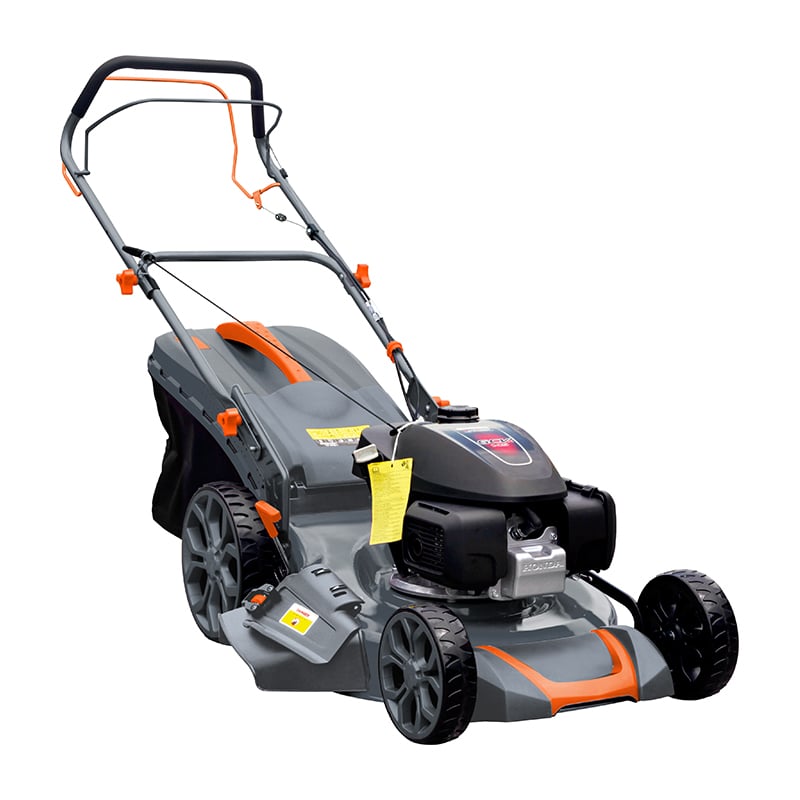
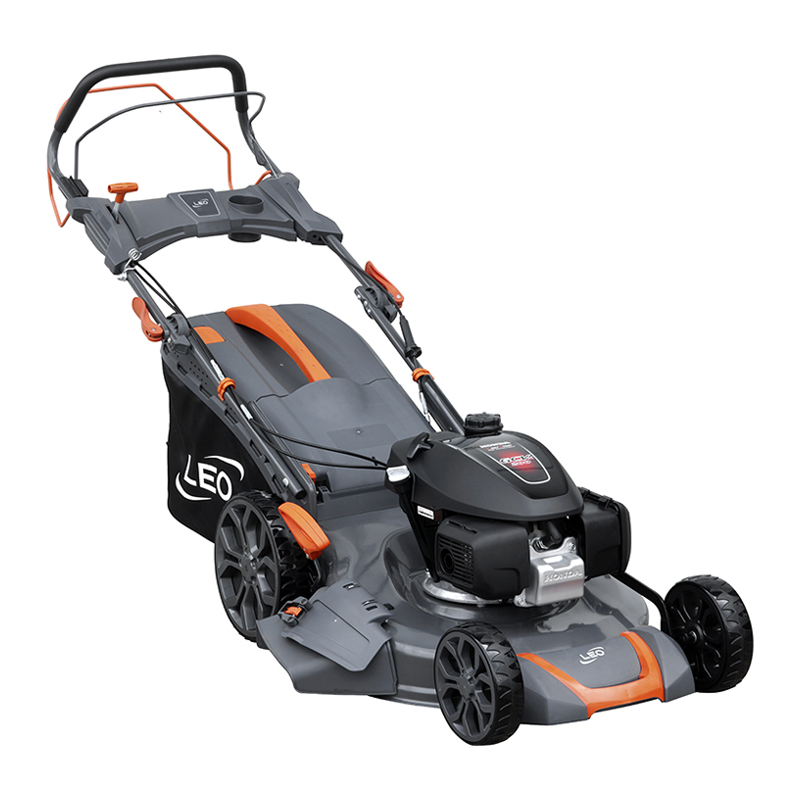
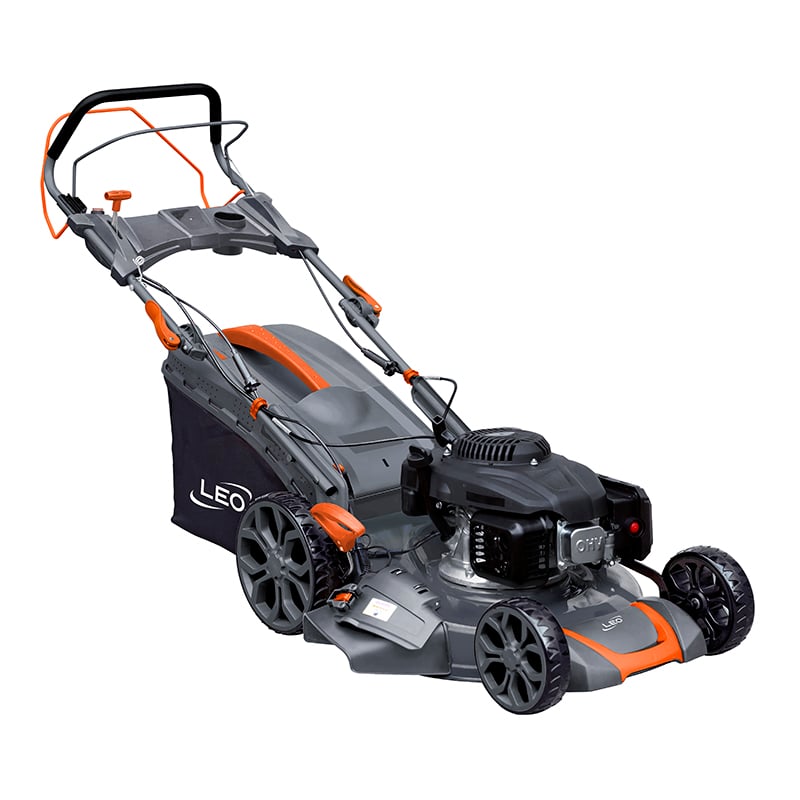
A self-propelled gasoline lawn mower can also help on larger properties because it separates forward movement from the physical effort of pushing. The right setup still depends on slope, turning space, and the operator’s pace. Faster travel is not useful if it compromises cut quality or control.
Durability is part of the buying decision, not an afterthought
Professional users typically judge durable equipment by what happens after many operating hours, not by the appearance of a new machine. Deck construction, handle joints, wheel mounts, bearings, drive components, and the accessibility of wear parts all deserve attention. For example, a heavy-gauge steel deck and sealed bearing assemblies can be meaningful selection criteria where equipment is used regularly, provided the exact model specification confirms them.
This is where landscaping tools have a different standard from occasional-use equipment. A contractor may need a mower to tolerate loading and unloading, transport vibration, frequent blade inspection, and repeated contact with variable lawn conditions. The initial purchase price matters, but a machine that is difficult to service or repeatedly out of action can cost more through lost work time than it saves at purchase.
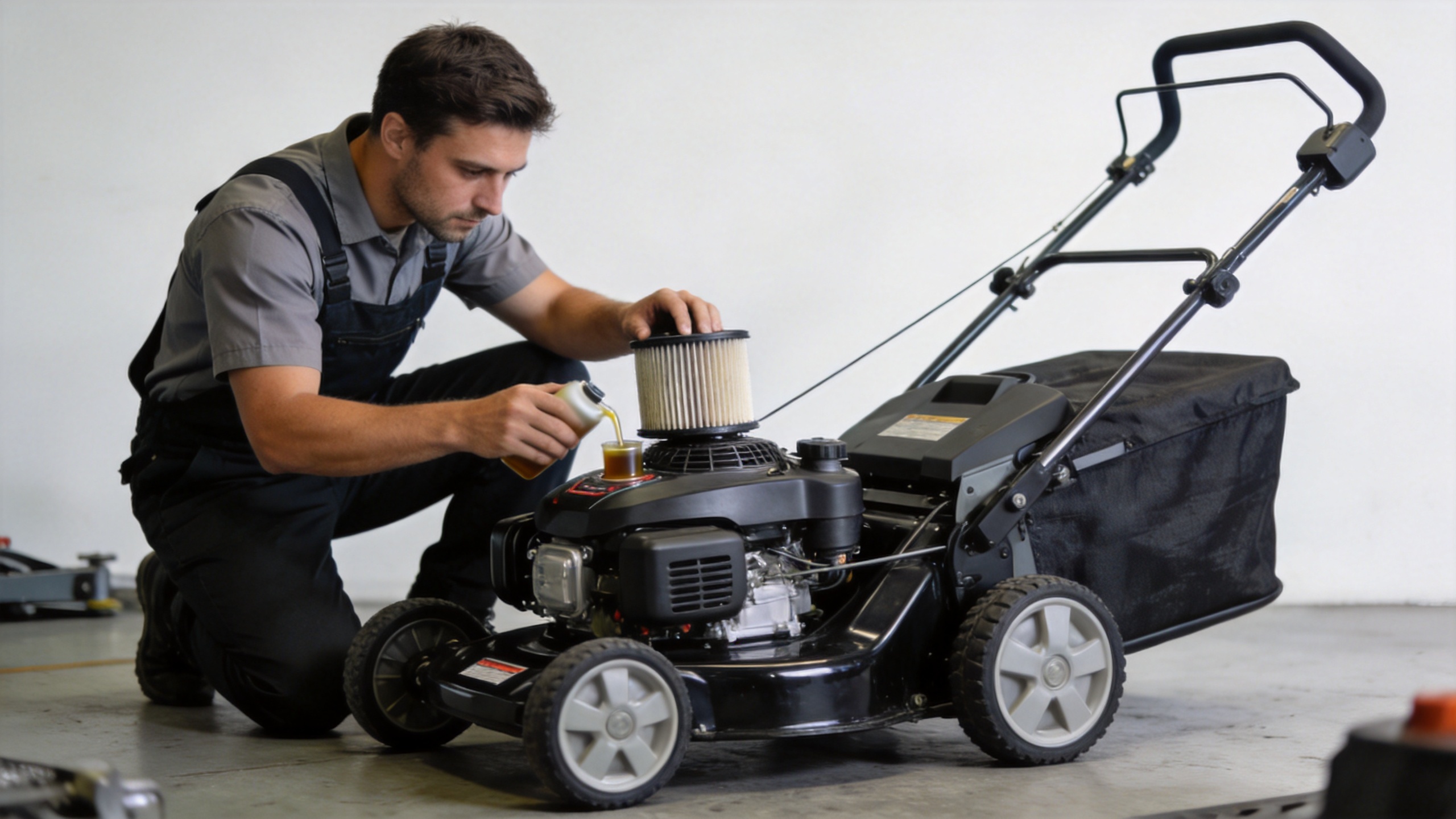
Ask practical questions before buying: Can the air filter be reached without a complicated teardown? Are blades and drive parts available through the service channel? Is the deck straightforward to clean after wet cutting? Can the operator check the oil level quickly? These are ordinary questions, but they are the questions that shape long-term reliability in a working fleet.

Fuel logistics can be simpler on dispersed work sites
Battery systems can work very well when crews can manage charging, spare packs, and storage around a predictable route. A professional team can absolutely build that system successfully. However, a gasoline lawn mower can be easier to deploy when sites are spread out, electrical access is uncertain, or a day’s workload changes at short notice. Fuel availability is not a performance advantage by itself; it is a logistics advantage when the alternative is waiting for a battery to recover.
The trade-off is that petrol equipment needs disciplined handling. Operators need an appropriate fuel routine, safe storage, and a clear maintenance schedule. Oil level checks, air-filter cleaning, blade care, and seasonal preparation are not optional details. Neglecting them can turn the very equipment chosen for dependable service into a source of avoidable downtime.
What professionals should compare beyond power source
A useful procurement review compares the whole working system rather than choosing a power source in isolation. For commercial mowing, include the following points:
- Duty cycle: How long will the mower run between breaks, and how many sites will it cover?
- Grass and terrain: Is the work mostly maintained turf, heavy growth, slopes, damp ground, or a mix?
- Deck and cutting setup: Does the cutting width suit the open areas without becoming awkward around beds, trees, and gates?
- Serviceability: Can routine checks, blade replacement, cleaning, and consumable changes be completed efficiently?
- Operator comfort: Are drive control, handle height, vibration, and manoeuvrability appropriate for extended sessions?
- Noise and local rules: Is the planned operating location subject to time restrictions or outdoor-equipment noise requirements?
The last point deserves attention, especially in Europe. Outdoor equipment is subject to applicable noise-emission rules, and municipalities or residential sites may impose further limits on working hours. A gasoline lawn mower should be chosen and scheduled with those constraints in mind, rather than treated as a universal answer for every property.
Why a mixed fleet can be practical
Professional users need not rely on one technology for every task. A sensible fleet may use gasoline lawn mowers for long, high-demand jobs and cordless tools for noise-sensitive locations, quick finishing work, or sites with a predictable charging routine. This approach lets a business match equipment to the job instead of forcing every job into the same workflow.
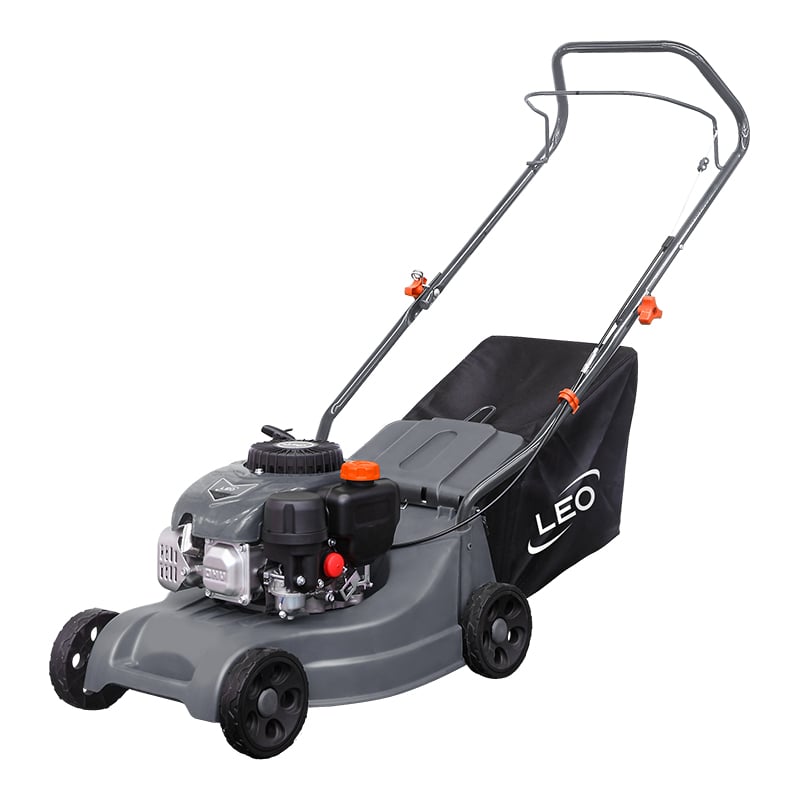
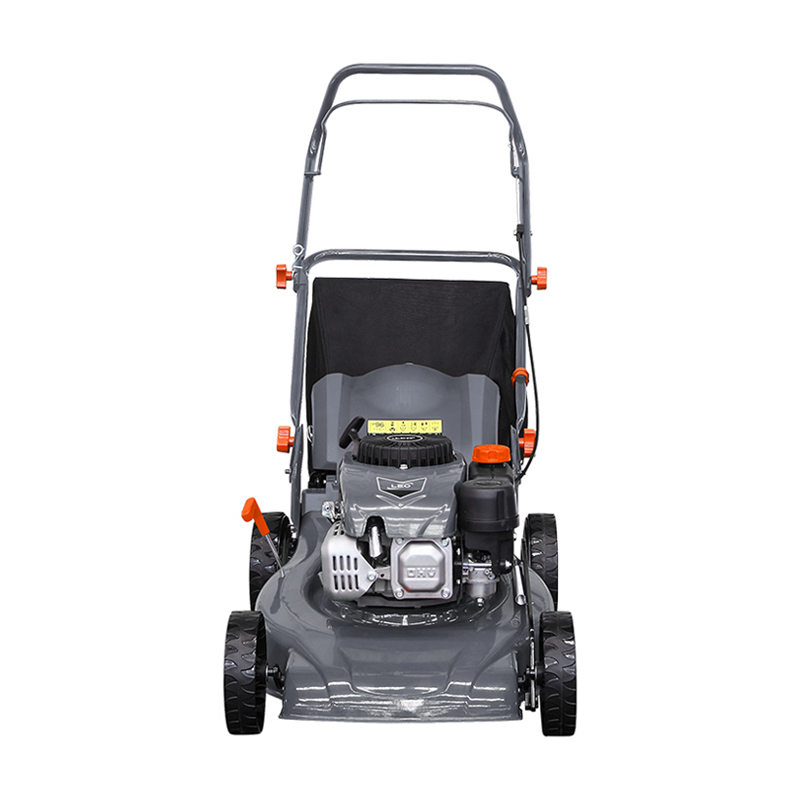
For distributors and fleet buyers, supplier breadth can help here. Zhejiang Leo Garden Machinery Co.,Ltd develops garden machinery across petrol, cordless, and electric-powered product categories, allowing buyers to evaluate power-source options around actual customer needs. The more important test remains the same: select equipment by workload, support availability, and the conditions in which it will operate.
Final perspective: choose for the job you actually have
Many professionals prefer a gasoline lawn mower because heavy-duty work rewards continuity, serviceability, and a machine that can be refuelled and returned to work quickly. It is not automatically the quietest or lowest-maintenance choice for every site. But for demanding routes, changing grass conditions, and sustained commercial mowing, it remains a credible option.
Before committing, map the route, estimate mowing time, inspect the service network, and compare the deck, drive, and maintenance access of the actual models under consideration. That grounded process is more useful than choosing a mower by fuel type alone—and it is how durable equipment earns its place in a professional fleet.

 Hot News