
 EN
What Materials Are Commonly Used in Durable Lawn Mower Manufacturing?
A durable lawn mower is rarely defined by one dramatic material choice. It is the result of matching material to load, weather, vibration, abrasion, and service needs. A deck meets damp cuttings and stone strikes; a blade sees repeated impacts; a handle must tolerate flexing; and a housing has to live outdoors. For buyers, dealers, and procurement teams, understanding those differences makes it easier to assess mower materials beyond a polished product photo.
As a garden-machinery technical consultant, I would start with the parts that carry the most stress rather than with a label on the carton. The right answer depends on use. A compact lawn mower for a dry, level garden can make sensible use of lightweight molded parts. A machine expected to handle damp lawn cuttings, uneven ground, regular transport, or repeated commercial use needs more attention to the deck, blade, fasteners, wheel supports, and the way those parts can be serviced.
The cutting deck: usually steel, aluminum, or engineered polymer
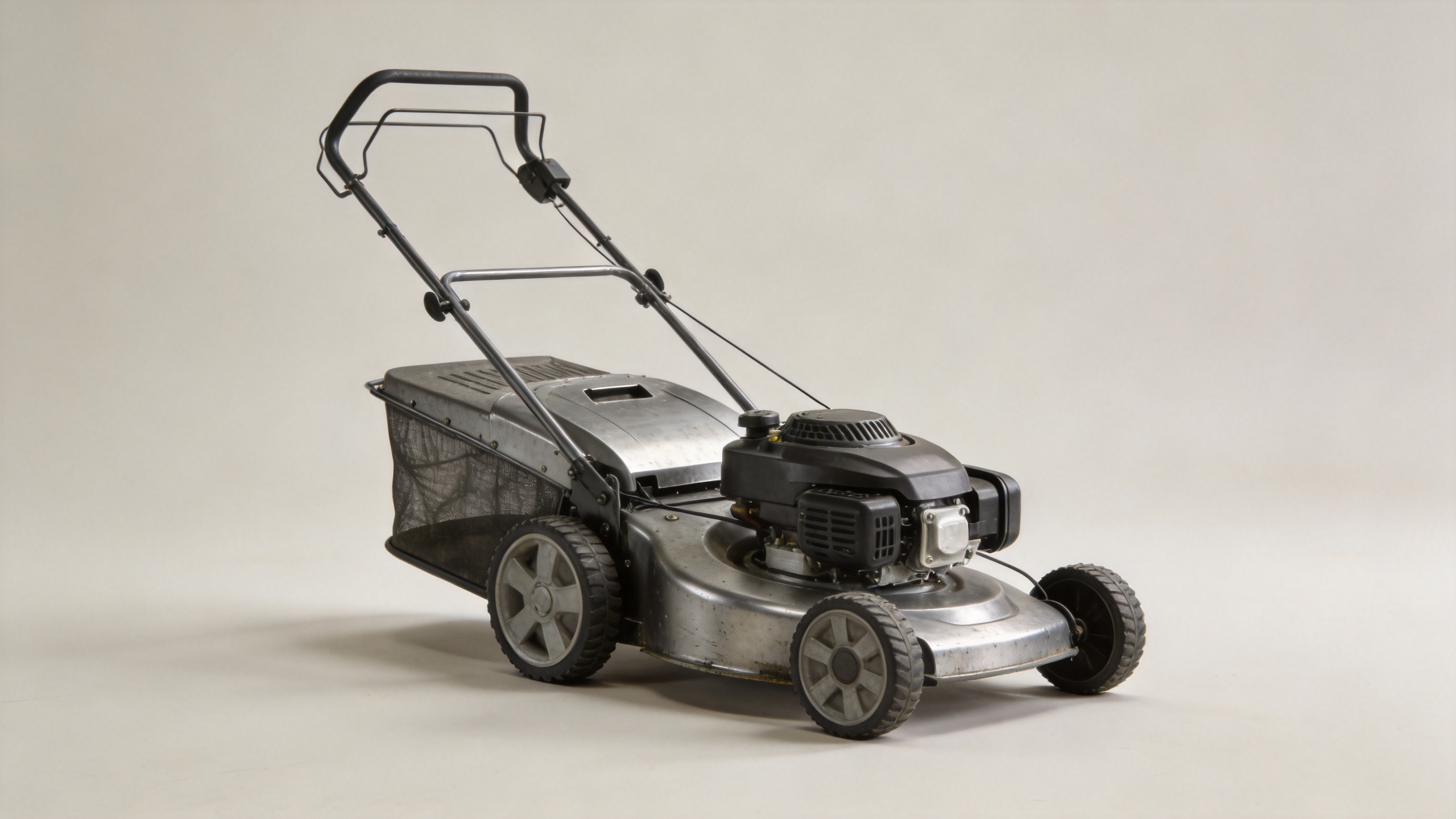
The deck is the shell around the cutting system and one of the clearest indicators of a lawn mower's construction. Many manufacturers use formed and coated steel because it provides stiffness, impact tolerance, and an economical manufacturing route. A steel deck can resist dents and flexing well when its gauge, pressing geometry, seams, and coating system are appropriate. The word “steel” alone does not tell the whole story: thin material, exposed cut edges, poor drainage, or damaged paint can leave a deck vulnerable to corrosion.
A steel deck deserves a closer look at the underside. Lawn-cutting buildup holds moisture against the coating, especially after cutting wet or clumped lawn cuttings. That is why deck wash access, smooth internal contours, drainage, coating coverage, and the ability to remove debris matter alongside the base metal. In practical service work, a deck that is cleaned after use and has intact coating may remain useful far longer than a heavier-looking deck that repeatedly stores damp debris.
Aluminum is also used for some lawn mower decks. Its natural oxide layer gives it useful corrosion resistance, and lower mass can make a machine easier to move. The result depends on the design: aluminum has different stiffness and impact behavior from steel, so ribbing, thickness, casting or fabrication quality, and local reinforcement are important. It is not accurate to call either material universally superior. A coated steel deck can suit users who prioritize rigidity and repairability, while aluminum can be a logical choice where corrosion exposure and handling weight are central concerns.
Engineered polymers or reinforced composites are common in selected deck and housing designs, particularly where low mass, complex molded shapes, and corrosion resistance are useful. For a lawn mower, a polymer part should be evaluated by wall thickness, reinforcement, UV-stability specification, mounting design, and the protection offered at impact points. Plastic is not automatically fragile, nor is metal automatically durable; a thin unsupported panel is the concern, whatever the material.
Blades and blade adapters: toughness matters as much as edge condition
A lawn mower blade is normally made from steel selected and processed to balance edge retention with toughness. A very hard edge may stay retain its cutting edge longer under clean mowing conditions, but a blade also has to resist bending or chipping if it contacts small debris. Material selection, heat treatment, profile, and thickness work together. So “hardened” alone does not describe blade quality.
Ask whether replacement blades are readily available and whether the blade adapter, crankshaft connection, and retaining hardware are designed for routine inspection. These less visible mower materials affect both safety and product durability. A serviceable design uses suitable steel hardware and secure connection points, so worn consumables can be replaced rather than retiring the entire lawn mower.
Frames, handles, wheels, and fasteners
For walk-behind equipment, tubular steel or aluminum is commonly used for handle assemblies. Steel tubing can provide a rigid, durable structure when its coating protects welded areas. Aluminum can reduce carrying weight, but the joint design needs to control fatigue and loosening. At fold points, look for solid pivots, sensible cable routing, and replaceable hardware instead of judging only the exterior finish.
Wheels commonly combine polymer hubs, rubber or polymer treads, steel axles, and bushings or bearings. On a frequently used lawn mower, wheel wobble, cracked hubs, and worn height-adjustment brackets can reveal more about real loading than the deck alone. The same principle applies to handles and covers: metal inserts or reinforcement around screw points can be more meaningful than a broad claim about premium manufacturing.
Fasteners, brackets, and cable guides are small parts with outsized influence. Corrosion-resistant finishes, protected threads, and access for ordinary tools help a lawn mower remain serviceable. In coastal, humid, or frequently washed environments, these details deserve extra weight because corrosion often begins at joints, edges, and trapped-moisture areas rather than across an entire large panel.
Power-system housings and material protection
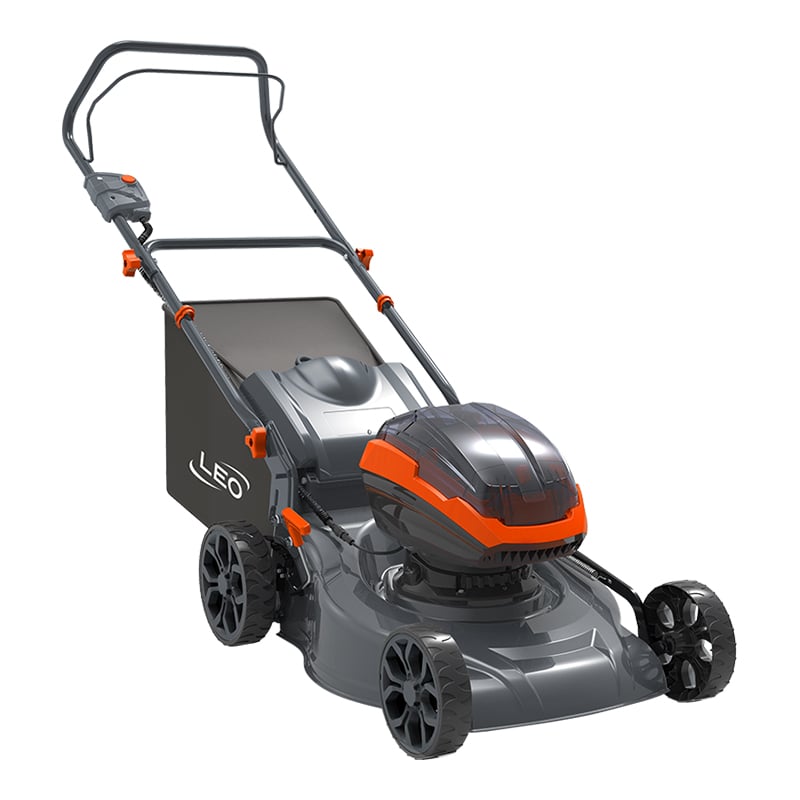
Petrol-powered and cordless models use different power systems, yet both depend on material protection. Engine shrouds and battery covers often use molded polymers to manage shape, insulation, mass, and weather exposure. The important questions are whether ventilation paths stay clear, whether seals and latches fit consistently, and whether the housing protects components without trapping heat or water. For a cordless lawn mower, a well-supported battery connection and protected electrical contacts matter as much as the outer cover.
Paint, powder coating, plating, galvanic compatibility, and edge finishing are part of manufacturing, not decorative afterthoughts. A strong base material can still underperform if coating adhesion is poor or water collects at a seam. Conversely, careful surface protection and drainage can improve the useful life of a more conventional material choice.
A practical material-inspection checklist
- Inspect the underside of the deck, particularly seams, drain paths, and the finish around edges.
- Check whether the steel deck or alternative deck has ribs, reinforcement, and support near the wheel mounts.
- Look for blade availability, accessible fasteners, and a realistic path to replace wear items.
- Examine handle pivots, height-adjustment links, wheel axles, and cable routing for robust connection points.
- Match the expected environment to the material: damp cuttings, storage humidity, salt air, impacts, and frequent transport change the priorities.
Material choice is a system decision
The common durable lawn mower material mix is therefore not one metal throughout. It often combines coated steel where stiffness is needed, aluminum or engineered polymer where weight and corrosion resistance are valuable, steel blades and axles where load demands it, and protected fasteners and molded components where shape or insulation matter. When comparing mower materials, consider thickness, reinforcement, coating, drainage, joint design, and parts support. That broader view gives a more reliable picture of product durability than any single material claim.

 Hot News