EN
Key Factors That Determine Lawn Mower Durability and Service Life.
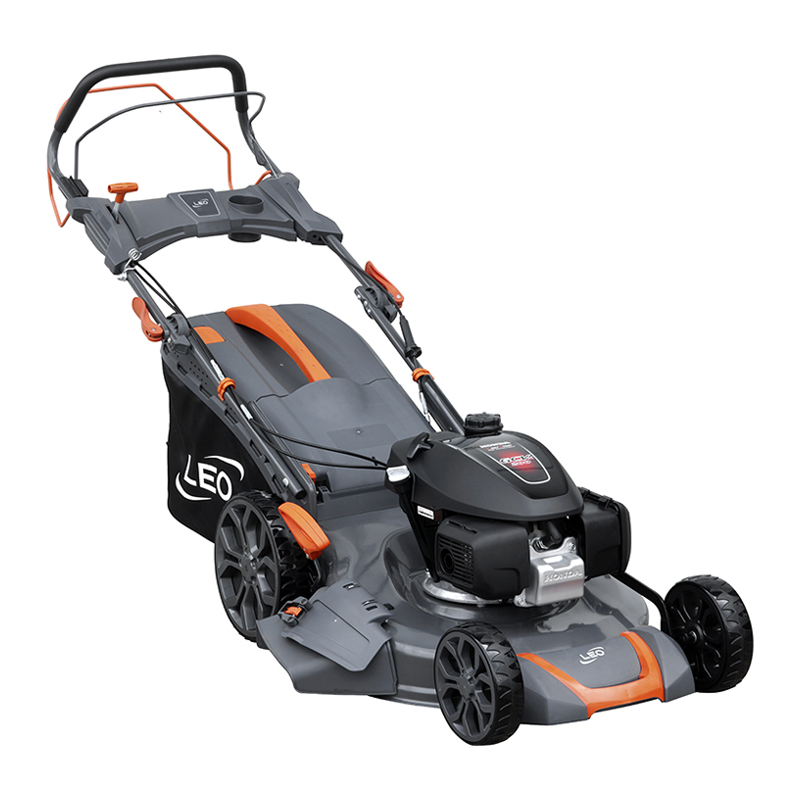
A lawn mower can look substantial on the showroom floor yet become difficult to keep working if its workload, construction and service arrangements do not fit the job. Durability is not a single specification. It is the combined result of how a machine is built, where it operates and how quickly worn components can be inspected or replaced.
For a distributor, grounds team or household buyer, the useful question is not simply “How long will it last?” Ask instead which parts carry the load, how they are maintained and what support is available when a repair is needed. These checks make it easier to compare a lawn mower on its likely working life rather than its initial price alone.
Start with the real workload
A lawn mower used occasionally on a clear residential plot faces different demands from a unit cutting several properties each day. Operating hours, surface roughness, debris, moisture and the length of vegetation all affect wear. A machine intended for occasional domestic use may be a poor match for continuous commercial work, even when the cutting width looks convenient.
Before choosing a lawn mower, describe a typical week: the area to cover, how often it is cut, the slope and the access to storage and service. Consider the heaviest routine job, not just the easiest one. Ask the supplier which duty and terrain the specific model is designed for, and check any commercial-use restrictions in its written warranty.
Take a hypothetical fleet that cuts several sites on a wet schedule. Its operators may encounter damp clippings, irregular ground and repeated loading during transport. For that fleet, a lawn mower with accessible wear parts and documented service support could be more useful than one selected on deck width alone. The example illustrates a trade-off; it is not a claim about a particular model.
Material quality and the parts that carry stress
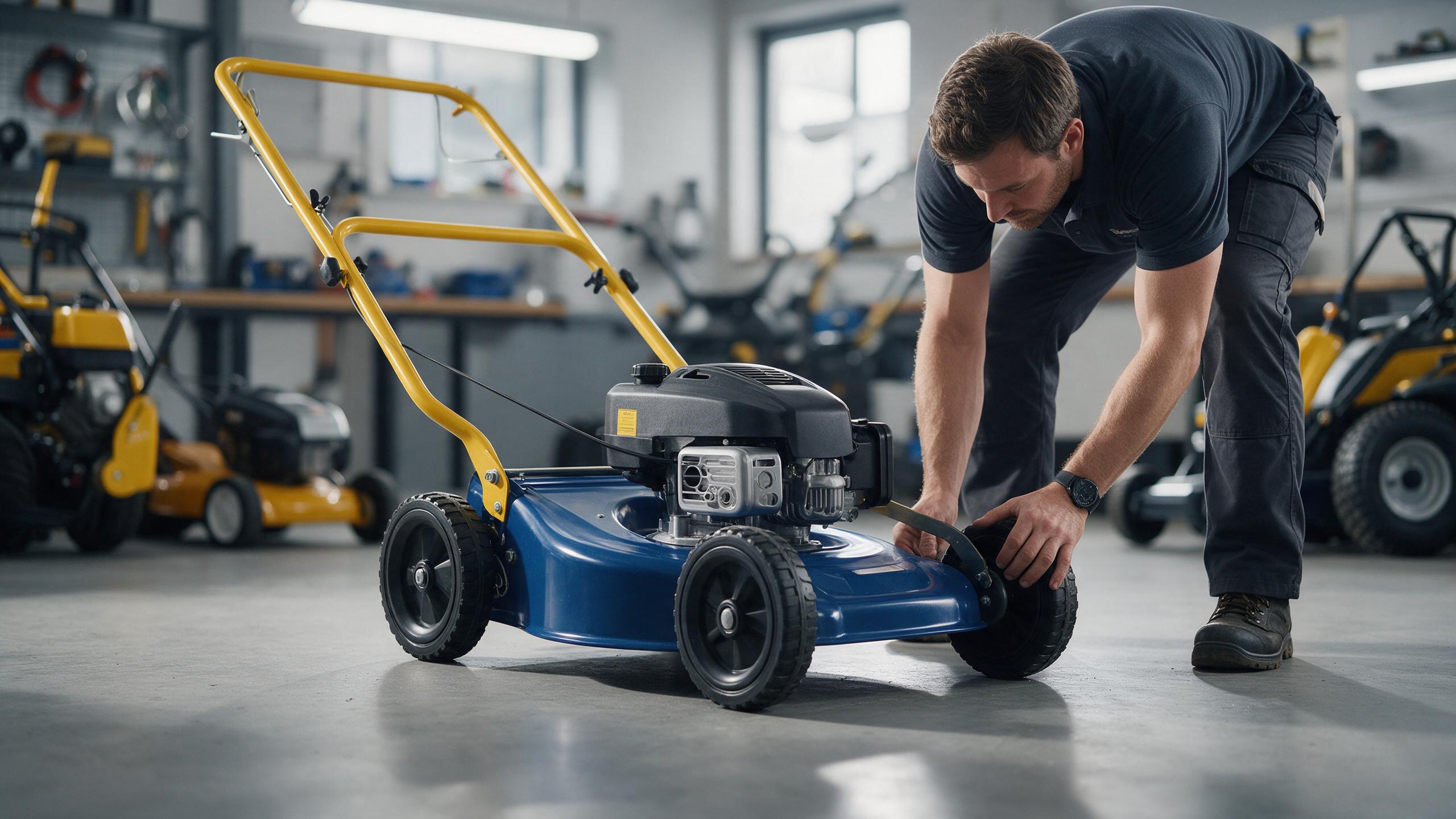
Material quality matters, but a material name alone does not predict service life. Look at the deck, its edges and mounting points, the handle connections, wheel supports and the blade attachment. These areas experience impacts, vibration or repeated loads. Ask for model-specific construction information and examine how joints and fasteners are protected and accessed.
Different deck materials involve trade-offs. A metal deck may be repairable after some damage but needs attention to coating damage and corrosion; a polymer deck may resist corrosion but still needs inspection for cracks and impact damage. Neither choice makes every lawn mower suitable for every site. Thickness, shape, attachment design and working conditions also matter.
A worn blade, loose wheel or damaged guard should prompt an inspection, not a quick assumption about the rest of the machine. Replace damaged components with parts specified for that lawn mower, and have structural cracks or unusual vibration assessed by a qualified service technician. Do not operate a unit with a compromised safety guard.
Machine design influences wear and repair time
Machine design determines how forces travel through a lawn mower and how easily routine service can be performed. Inspect the handle pivots and attachment points, drive controls where fitted, belt covers, deck openings and wheel adjustment mechanisms. A joint that is easy to inspect is more likely to receive attention before looseness develops into a larger repair.
Service access also affects downtime. Can a technician reach a belt, wheel assembly or blade mounting without disturbing unrelated components? Are replacement part numbers and exploded diagrams available for the exact model? Ask whether components can be replaced separately or require a larger assembly. These questions are especially relevant to a fleet running multiple lawn mower units during a short cutting season.
Do not confuse a heavier machine with a more durable one by default. Additional mass can support a particular design, but transport, handling and ground conditions matter too. Compare the complete layout and service documentation rather than making a decision from weight alone.
Match the power system to operating conditions
Petrol and battery-powered machines have different care requirements. On a petrol lawn mower, follow the model instructions for oil checks, air filter service, fuel handling and spark plug inspection. Dirty cooling areas or neglected oil can add strain, while stale fuel can cause starting problems. The precise schedule and fuel procedure belong in the supplied instructions, not a generic timetable.
On a battery lawn mower, keep the battery contacts and cooling openings clean and dry according to the instructions. Use the specified charger and store the battery within the maker’s stated conditions. If a battery or casing is swollen, cracked or unusually hot, stop using it and follow the manufacturer’s safety guidance. Battery performance changes with use and storage; avoid assuming a fixed lifespan from the power source alone.
For either power system, repeated operation in overly long or wet growth can increase load and clog the cutting area. Adjust the cutting plan to conditions and the lawn mower instructions. If the machine stalls or vibrates unexpectedly, stop, isolate its power and investigate rather than forcing it through the job.
A practical maintenance routine
Regular maintenance is often more valuable than a long list of advertised features. Keep a record by unit and use the model’s instructions for intervals and approved procedures. A simple routine can include the following.
- Before use: inspect the site for stones and debris, check guards and controls, and look for loose or damaged components.
- After use: stop the machine and isolate its power; remove accumulated clippings as instructed and let the machine dry before storage.
- At scheduled service: inspect the blade and mounting hardware, wheels and drive components; carry out power-system checks required for the model.
- Before storage: clean the unit and follow the applicable fuel or battery storage instructions. Record repairs and parts needed before the next busy period.
Before approaching the underside of a lawn mower, stop the motor, wait for all moving parts to stop and disconnect the power source as directed in the instructions. For a petrol unit this may include disconnecting the spark plug lead; for a cordless unit remove the battery and safety key where fitted. Use the specified tipping position and ask a technician to handle work beyond your training.
Parts, warranty and service access
Even a well-maintained lawn mower has consumable parts. Before purchase, ask for the model and part numbers for blades, belts, filters, wheels and batteries where applicable. Check who stocks them in your market, how orders are placed and what the service response process involves. Availability and lead times should be confirmed in writing; a catalogue alone does not establish future stock.
Read the warranty alongside the service plan. Identify exclusions for commercial or rental use, required maintenance records and the process for authorising a repair. For a distributor, documented spare-part arrangements and clear fault reporting can reduce uncertainty for dealers and customers. For a household buyer, a nearby qualified repair option may matter more than an unfamiliar specification.
Choose for the whole service life
A lawn mower’s durability depends on its construction, suitable workload, operating habits and repair support. Compare material quality at the points under stress, look for practical machine design, and establish a maintenance plan before the first cut. Then verify the warranty and parts arrangements for the exact model and market.
If you are evaluating equipment for resale or a fleet, discuss your terrain, expected usage and after-sales requirements with Zhejiang Leo Garden Machinery. Ask for model-specific documentation and confirm the support terms that apply to your order.
 Hot News