
 EN
How to Evaluate Ride On Mower Manufacturers Before Cooperation?
Choosing a ride on mower manufacturer is a supply-chain decision, not simply a catalog comparison. A sample may look acceptable, yet the real exposure appears later: inconsistent components, undocumented engineering changes, delayed spare parts, or a factory that cannot repeat the approved build at volume. For importers, distributors, and private-label teams, a structured supplier evaluation turns those unknowns into questions that can be checked before a purchase order is released.
Start with the market you intend to serve and the product role you need. A ride on mower manufacturer that is suitable for a seasonal retail program may need different capacity, documentation, packaging, and service support from one supplying commercial grounds-care channels. Price still matters, but it should sit beside delivery reliability, technical evidence, change control, and the cost of supporting machines after sale.
Define the cooperation brief before contacting a factory
Write a one-page sourcing brief before comparing any ride on mower manufacturer. Specify the target market, expected order pattern, intended user group, fuel or battery configuration, deck and transmission preferences, branding scope, packaging language, spare-parts expectations, and documents needed for market entry. This avoids a common mistake: comparing quotations that describe different products or different responsibilities.
The brief should also identify what must be demonstrated rather than merely stated. For example, ask whether the supplier can supply product-specific drawings, inspection records, parts lists, manuals, and a revision history. If a destination market requires CE-marking evidence, ask the ride on mower manufacturer which documents apply to the exact machine configuration and who maintains the technical file and Declaration of Conformity. Treat the reply as an item for verification, not a reason to assume compliance.
Use initial supplier evaluation to screen for fit
An early supplier evaluation should reduce the audit list to factories that can answer practical questions consistently. Ask for the legal manufacturing entity, factory location, primary product categories, export-market experience, production flow, key purchased components, lead-time assumptions, warranty process, and spare-parts policy. A capable ride on mower manufacturer should distinguish clearly between its own assembly and testing work and the work carried out by component suppliers.
Look for consistency across the quotation, specification sheet, factory presentation, and answers from sales and engineering contacts. Inconsistent terminology, missing revision dates, or vague ownership of quality decisions are not conclusive failures, but they are useful audit priorities. The lower unit price may appear attractive, but freight, rework, claims handling, parts stocking, and delayed seasonal sales can narrow that apparent advantage.
Plan a factory audit around the production path
A factory audit should follow the machine from incoming materials to final release instead of stopping at a showroom or sample area. During the visit, ask the ride on mower manufacturer to show the receiving inspection process, identification of parts and lots, storage conditions, line instructions, torque or assembly controls where relevant, functional testing, final inspection, and packing checks. Observe whether the written process matches the work being done on the floor.
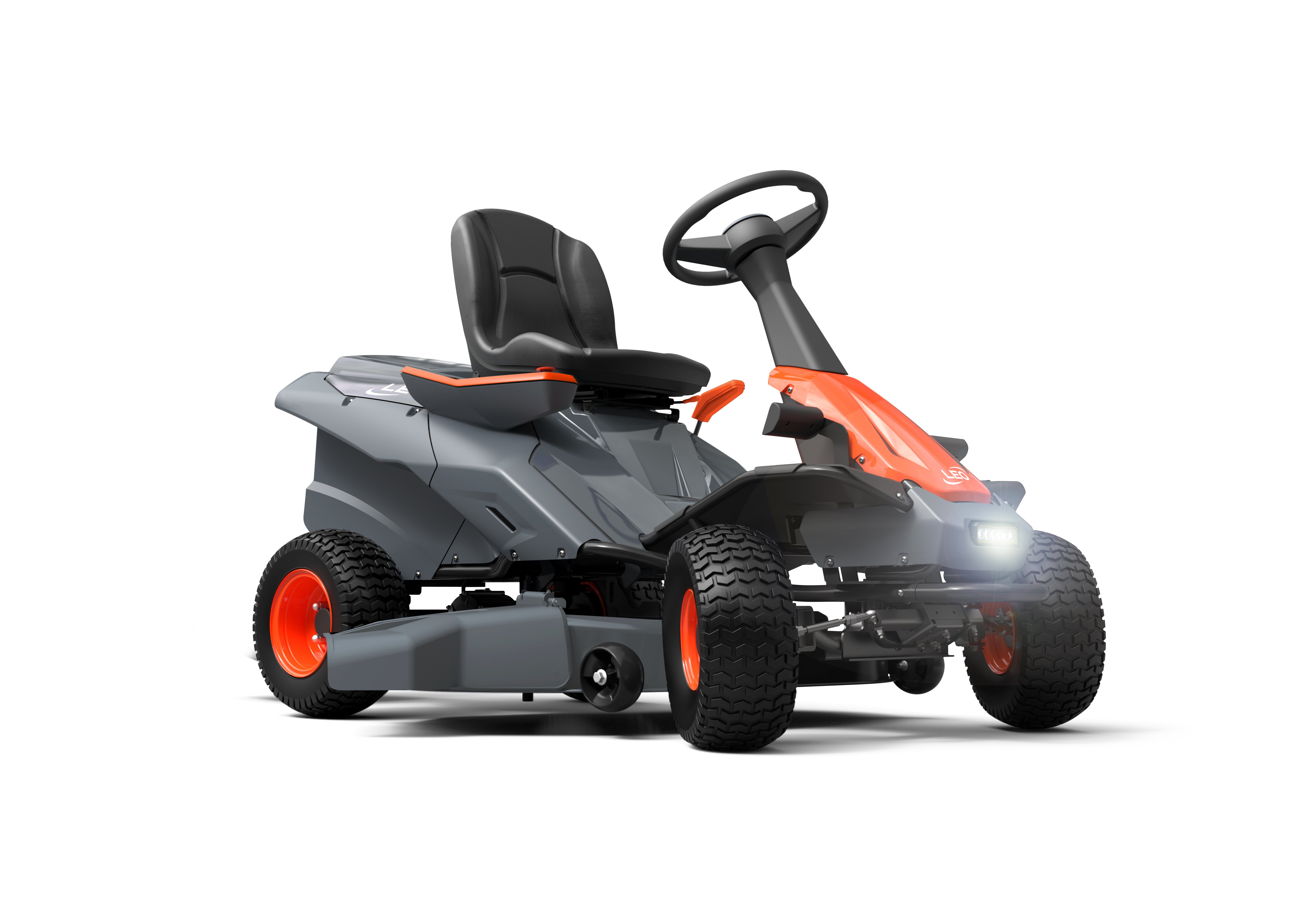 A factory audit should connect production-floor observations with documented inspection controls.
Pay close attention to traceability. If a safety-critical or performance-related component changes, can the factory identify which finished units used it? Can it link a customer complaint to a production batch, inspection record, and corrective action? Ask to see anonymized examples of nonconforming-product handling and corrective-action closure. The aim is not to expect a flawless facility. It is to establish whether the ride on mower manufacturer can consistently find, contain, and correct problems.
Questions worth documenting during a factory audit
- Who approves incoming components and what evidence is retained?
- Which checks are performed at assembly, end-of-line testing, and pre-shipment inspection?
- How are work instructions controlled when a design or process changes?
- How does the factory handle failed tests, rework, and repeat defects?
- What records support the stated quality standards for the selected configuration?
ISO 9001 certification, if a supplier holds it, can be a useful signal that a quality-management system exists. It is not proof that every ride-on mower or every order meets your specification. Use the certificate as one input, then validate the relevant process controls during the factory audit.
Test OEM production controls, not just the sample
Approved samples matter, but OEM production is where supplier discipline becomes visible. Ask the ride on mower manufacturer to define the approved-sample baseline: part numbers, drawings, bill of materials, labels, packaging, test criteria, and signed change-approval steps. The key question is simple: what stops an unapproved substitution from reaching your shipment?
Request a written change-notification process covering components, software or controller settings where applicable, tooling, packaging, and production location. Establish who approves deviations, what lead time applies, and which documents must be revised. A ride on mower manufacturer that can explain this process is easier to manage than one that relies on informal messages after a change is already in production.
For the pilot order, define a pre-production sample, inspection plan, acceptance criteria, labeling artwork approval, and a shipment-release checkpoint. Consider independent inspection when your team cannot be present. The purpose is not to transfer all responsibility to an inspector; it is to make acceptance decisions against the agreed quality standards before goods are loaded.
Assess capacity, service, and commercial resilience
Ask each ride on mower manufacturer how it protects production time during peak lawn-care demand. Capacity is more than an annual number. Review line loading, component lead times, contingency arrangements, and how the factory sequences private-label orders. If demand is seasonal, a missed delivery window can have a larger commercial effect than a modest price difference.
After-sales capability deserves equal attention. Confirm the parts catalog format, recommended initial spare-parts package, part-identification method, warranty claim workflow, response ownership, and expected availability after launch. For a ride on mower manufacturer, support for wear items and service parts can shape distributor confidence long after the first container arrives.
Score suppliers against the same evidence
Build a simple weighted scorecard so every supplier evaluation uses the same evidence. Suggested categories are product fit, document readiness, audit findings, OEM production controls, test capability, quality standards, capacity, lead-time reliability, service parts, responsiveness, and commercial terms. Record both the score and the evidence behind it. A strong presentation should not outweigh an unresolved process-control gap.
| Area | Evidence to request | Decision signal |
|---|---|---|
| Factory process | Process map, inspection records, corrective-action examples | Controls are visible and repeatable |
| OEM production | Approved-sample file, change-control procedure, BOM revision record | Specifications can be held across repeat orders |
| Quality standards | Relevant certificates, test plans, product-specific documentation | Claims can be checked against the intended market |
| After-sales | Parts list, warranty workflow, response contacts | Support expectations are operational, not vague |
Move from audit findings to a controlled first order
Do not treat the final supplier evaluation as a one-time pass or fail. Convert open findings into an action log with an owner, evidence required, due date, and closure review. Then put the commercial agreement, technical specification, inspection requirements, change-control rules, and service responsibilities into the order documents.
The practical outcome is a more transparent relationship with a ride on mower manufacturer. You are not selecting a factory because it makes the most persuasive claim. You are selecting it because its people, records, production controls, and response plans give your team enough evidence to begin cooperation with clear checkpoints and a way to monitor performance once OEM production starts.

 Hot News