
 EN
EN
Why Are Garden Shredders Useful for Sustainable Gardening?
A garden can generate more prunings, stems, leaves and twiggy clutter than a household bin can sensibly handle. A garden shredder gives that material a second job: it reduces bulky organic waste into pieces that are easier to compost, mulch or store for later use. That does not make every clipping automatically useful, but it does make a thoughtful garden shredder routine an effective part of eco gardening.
From a garden-machinery perspective, the practical question is whether a garden shredder can accept a branch and whether the machine, the material and the gardener’s intended use fit together. Used with sensible sorting and composting, a garden shredder can help a household keep more organic waste on site and reduce unnecessary trips or disposal.
The problem with unprocessed garden waste
Fresh hedge trimmings and woody prunings are awkward to manage because they take up space, trap air and break down unevenly in a compost heap. Sending suitable material away may be convenient, but it removes a potential resource from the garden. The US Environmental Protection Agency notes that composting recycles organic materials into a useful soil amendment while reducing waste and methane emissions from landfill. A garden shredder does not create compost by itself; it prepares appropriate feedstock so the next step is easier to manage.
That distinction matters. Soft, wet or stringy material may clog some machines, while diseased plants, invasive weeds with viable seed, pet waste, treated timber and contaminated material should not be treated as ordinary compost ingredients. A garden shredder is most useful when the operator separates material first instead of feeding a mixed pile straight into the hopper.
How a garden shredder supports composting
Particle size changes how a pile behaves. When woody cuttings are reduced, they can be distributed through a compost heap more evenly than long, tangled stems. In practical composting, shredded woody material is a carbon-rich “brown” component; it benefits from being mixed with moist, nitrogen-rich “green” material such as fresh grass clippings or non-diseased leafy waste. This balance helps avoid a heap that is either a soggy mass or a dry pile that barely changes.
RHS guidance similarly describes chipped or shredded tree, shrub and hedge prunings as useful mulch material and advises mixing woody material with nitrogenous green waste when composting. In that sense, a garden shredder supports composting by making the ingredients easier to layer and turn, not by replacing the need for moisture, airflow and time.
- Less volume: a garden shredder makes a pile of prunings easier to contain and transport within the garden.
- More usable texture: smaller pieces are easier to combine with other organic waste.
- Better material planning: gardeners can set aside coarse pieces for paths or mulch and reserve finer material for composting.
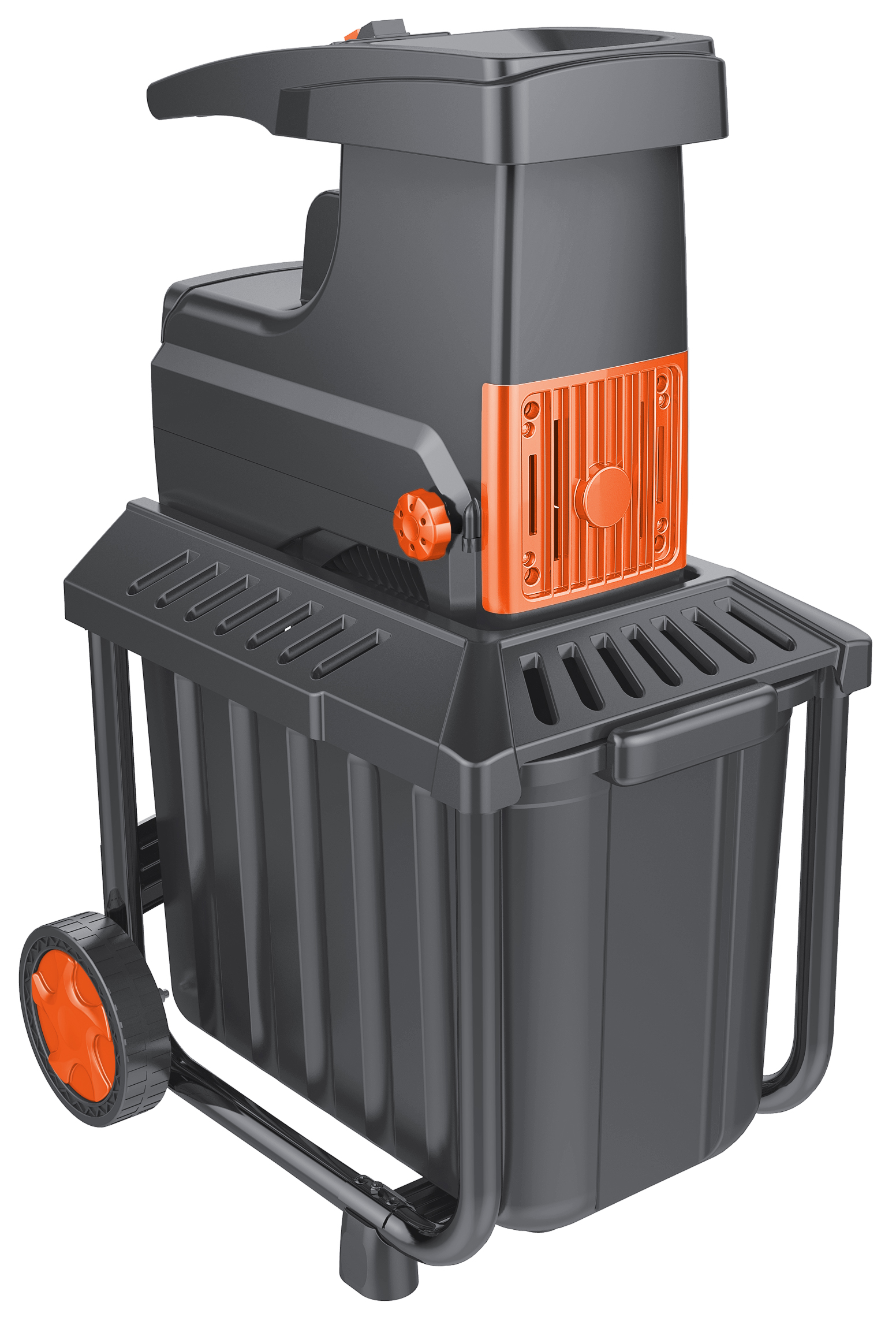
Turning prunings into useful mulch
Composting is not the only destination. Shredded woody material can be used as a surface mulch around established ornamental beds, shrubs and paths when it is appropriate for the planting area. A mulch layer can help shield bare soil from heavy rain and reduce surface drying. The eventual benefit depends on the material, the depth applied and local conditions, so a garden shredder should be viewed as a preparation tool rather than a guarantee of soil improvement.
Keep fresh woody material on the soil surface rather than digging it into planting holes or mixing large amounts into soil. As wood decomposes, microorganisms can temporarily draw on available nitrogen near the material. For vegetables or young plants with high nutrient demand, use mature compost rather than assuming fresh shred is a substitute. This is a useful green equipment habit: match the output of a garden shredder to a task it suits.
Why local processing fits eco gardening
Eco gardening is usually a series of small loops rather than one dramatic change. Leaves become leaf mould; suitable prunings become mulch or compost ingredients; mature compost returns to beds. A garden shredder can make the woody-waste part of that loop more practical, especially after seasonal pruning when material accumulates quickly.
The environmental payoff comes from the whole routine. The EPA notes that compost can improve soil infiltration and water-holding capacity, which can support better rainwater management and reduce runoff. Those are benefits of properly finished compost, not an immediate result of shredding. Still, a garden shredder helps gardeners handle organic waste in a form that is more likely to reach a compost bin or a purposeful mulch pile.
Choose a garden shredder for the workload, not the label
There is no universally right garden shredder. The better fit depends on the garden’s volume of pruning, the material diameter accepted by the chosen model, available power, storage space and neighbourhood conditions. A quiet electric-style design may suit regular light pruning in a residential garden, while a larger workload may call for a configuration designed for tougher branches. Check the manufacturer’s current instructions for permitted material and capacity rather than relying on a generic description.
It is tempting to prioritise quietness above everything else. In practice, throughput, hopper design, chip consistency and the type of material you actually prune matter just as much. If your garden produces mostly dry twigs and hedge cuttings, a garden shredder can be a recurring maintenance tool. If the waste is mostly wet, fibrous stems, trim it and let it dry where the manual allows, or use another disposal route instead of forcing material through.
A practical selection checklist
- Estimate the usual volume of branches, hedge cuttings and leaves after a pruning session.
- Compare the model’s stated material limit with your actual prunings; do not exceed it.
- Decide whether the output will go to composting, mulching or green-waste collection.
- Plan a dry, stable operating area and follow the supplied safety guidance, including eye and hand protection.
- Consider noise, storage and power access before choosing a garden shredder.
Use the machine safely and keep the sustainability claim honest
A garden shredder is only sustainable when it is used safely, maintained and suited to the job. Read the manual, isolate the power before clearing a blockage, use the recommended push tool rather than hands, and keep children and bystanders away. Blunt cutting parts or a damaged collection box can turn a useful tool into wasted energy and frustration.
Also avoid overselling the result. A garden shredder will not solve every garden-waste problem, create instant compost or make unsuitable plant material safe. Its real value is more grounded: it helps convert selected prunings into manageable organic waste that can support composting, surface mulching and tidier garden maintenance.
FAQ
Can a garden shredder be used for all garden waste?
No. A garden shredder is designed for the materials and size limits set out by its manufacturer. Avoid treated wood, contaminated material and plant waste that should not enter home composting. Wet, stringy material may also be unsuitable for some machines.
Is shredded material ready to use as compost?
Not immediately. A garden shredder prepares organic waste, but compost still needs the right mix of materials, moisture, oxygen and time before it becomes a stable soil amendment.
Does shredded woody material make good mulch?
It can. Suitable shredded prunings can be used as a surface mulch around established plants or on paths. Keep it on the surface, observe how your plants respond and use mature compost where a nutrient-rich amendment is needed.
The sustainable case for a garden shredder
For gardeners who regularly prune shrubs, hedges or small branches, a garden shredder can make a local organic-waste system easier to sustain. It reduces bulk, improves handling and creates material that can be directed into composting or mulch with more control. Choose the machine for real conditions, sort the input carefully and use the output where it makes sense. That is how a garden shredder becomes practical green equipment rather than just another garden appliance.
 Hot News