
 EN
How to Choose the Right Lawn Mower for Different Grass Types and Yard Sizes?
A lawn mower is easier to choose when you start with the lawn rather than the catalogue. A practical way to assess a mower is to look first at grass growth, terrain, access and the time available for mowing. A wide deck or a larger engine can be useful, but neither automatically makes a machine right for every garden.
For practical grass cutting, match the mower to three things: the grass you maintain, the size and shape of the area, and the effort you want to put into each session. That approach makes mower selection much clearer and helps you avoid paying for capacity you cannot use.
Start with your grass, not just your yard area
Different turf types tolerate different cutting heights and react differently to heat, moisture and frequent mowing. Illinois Extension, for example, suggests about 2½ to 3 inches for most lawns, while its species guidance places bermudagrass around 1 to 2 inches and Kentucky bluegrass or perennial ryegrass around 2 to 3 inches. The exact target should follow local advice for your lawn, but the buying lesson is simple: choose a lawn mower with a height-adjustment range that reaches your normal setting and changes consistently.
Fine, dry turf on level ground usually does not demand maximum power. Dense cool-season grass, fast spring growth, damp clippings or coarse warm-season turf place more load on the blade and deck. In those conditions, a mower with a clean discharge path, a sharp blade and enough power to maintain blade speed is usually more valuable than an impressive specification on paper. Do not use a mower to remove an overgrown lawn in one very low pass; cutting gradually is kinder to the turf and less likely to clog the deck.
What to consider for common lawn conditions
- Fine or regularly maintained grass: A compact push or cordless lawn mower can be a sensible choice when the ground is flat and the cutting routine is frequent.
- Thick, lush or fast-growing grass: Look for dependable height adjustment, a practical collection or discharge system, and a drive system that does not bog down when conditions become demanding.
- Wet or humid conditions: Wet clippings can pack under a deck. Leave time for grass to dry where possible, and favor easy deck access for cleaning rather than assuming a larger machine solves the problem.
- Warm-season grass kept low: Check that the mower can achieve the recommended cutting range without scalping uneven ground. Wheel adjustment and deck stability matter here.
Whether mulching is useful also depends on grass type, cutting frequency and moisture. It can work well when you mow often and remove only a modest amount of dry growth. When grass is long or wet, bagging or side discharge may be more practical. That is a garden-maintenance decision, not a universal rule for every lawn mower.
Match the mower category to yard size and layout
Yard size matters, but usable mowing area matters more. A quarter-acre property with narrow side paths, trees and beds may favor a nimble walk-behind machine over a wide deck. Conversely, an open lawn with few obstacles rewards a wider cutting path because it reduces the number of passes. Before comparing models, measure the narrowest gate, note slopes and count the turns that interrupt a straight run.
| Yard situation | Usually suitable lawn mower approach | Key check before buying |
|---|---|---|
| Small, level lawn with close storage | Push, compact electric or cordless mower | Storage footprint, cutting height range and battery/cord practicality |
| Medium lawn with moderate slopes or mixed grass | Self-propelled walk-behind mower | Drive assistance, traction, realistic runtime or fuel routine, and deck cleaning |
| Large, open lawn with long straight runs | Wider walk-behind, ride-on or zero-turn category as appropriate | Gate access, turning space, slope suitability and safe operating instructions |
| Large lawn with many trees, beds or narrow passages | Maneuverable machine with a deck sized for access | Overall width, turning radius and whether a wide deck will create extra repositioning |
A common mistake is choosing the widest cutting deck available to save time, then discovering it will not pass through a gate or around planting beds. The cutting width is the path covered in one pass, so more width reduces passes on open ground. It also reduces maneuverability. Check the mower’s full width, not just the nominal deck width, before deciding.
Choose power and propulsion for the workload
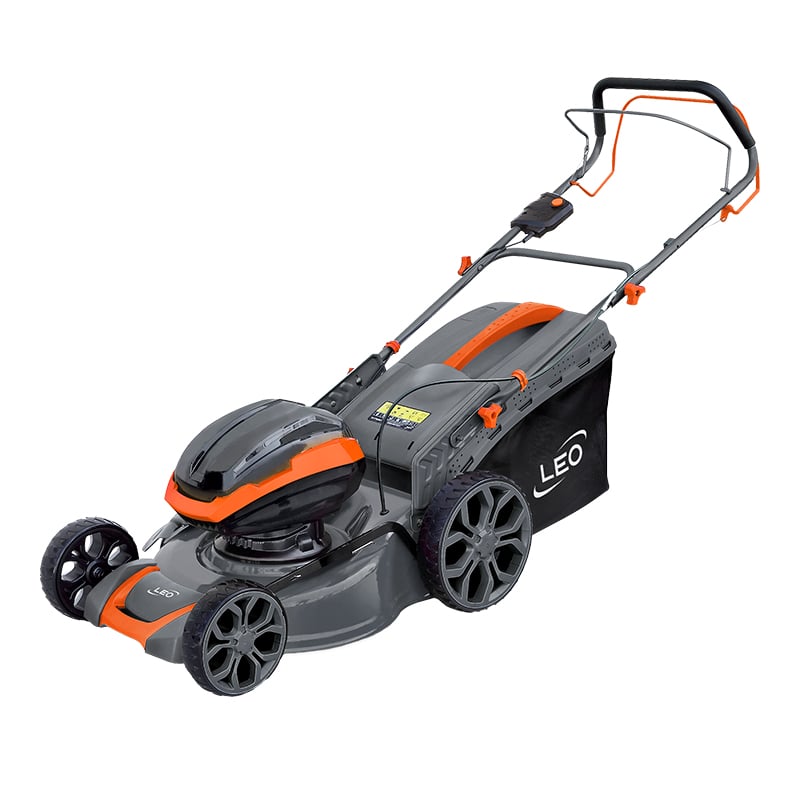
For a small, level yard, a lightweight cordless or electric lawn mower can make routine grass cutting straightforward. It avoids fuel handling and is easy to store if the battery and charger fit your routine. But ask one honest question: how long does a complete mowing session actually take? If one charge will not cover the job with a reasonable margin, you need a spare battery, a different battery system or another mower category.
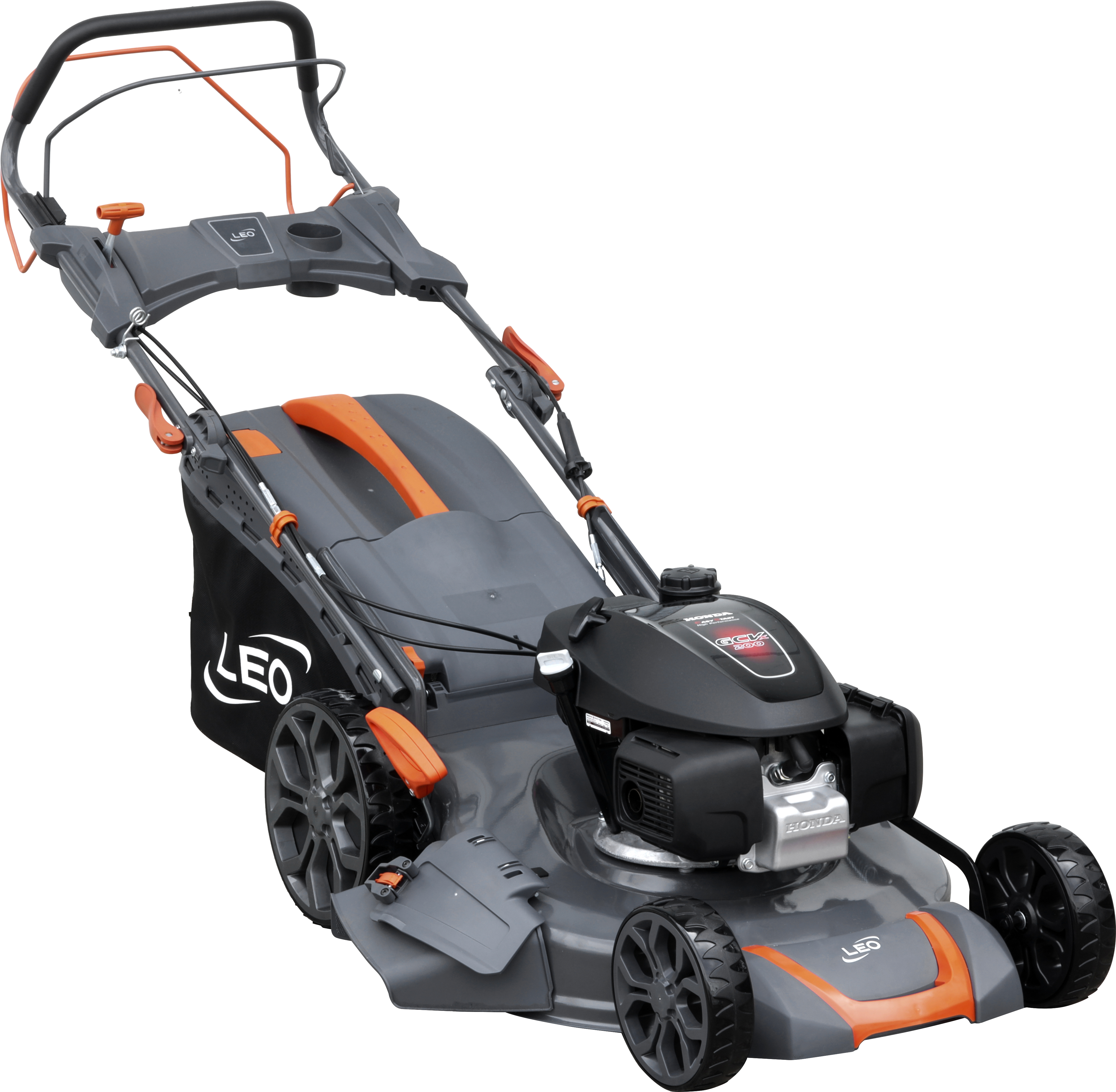
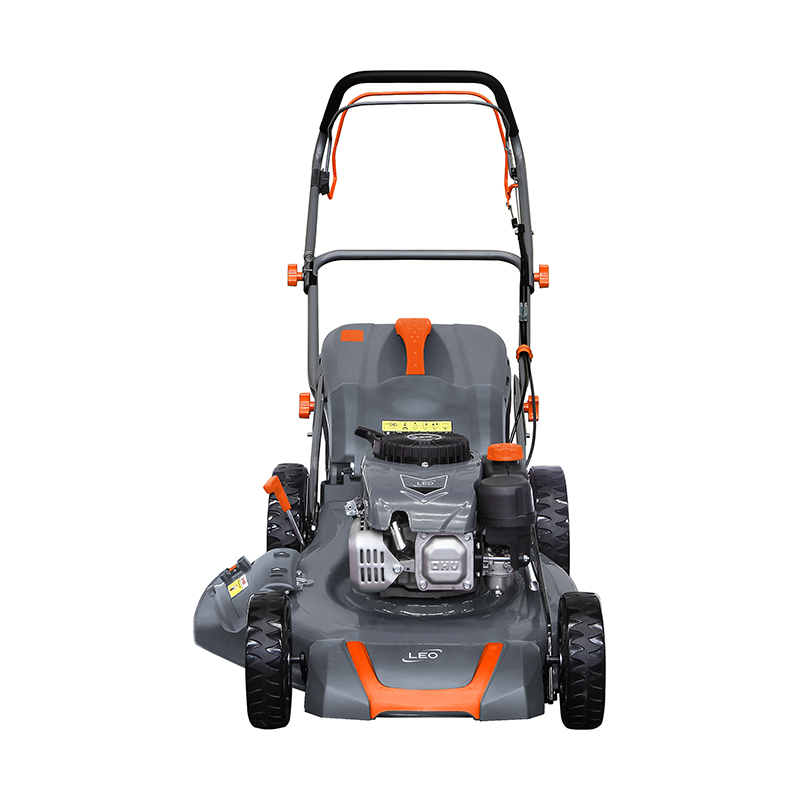
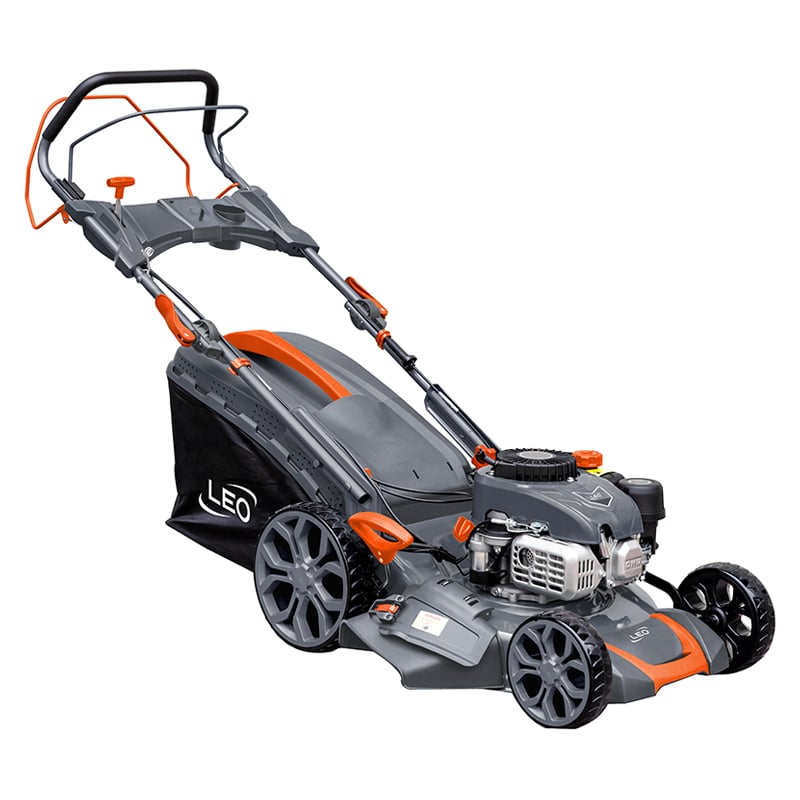
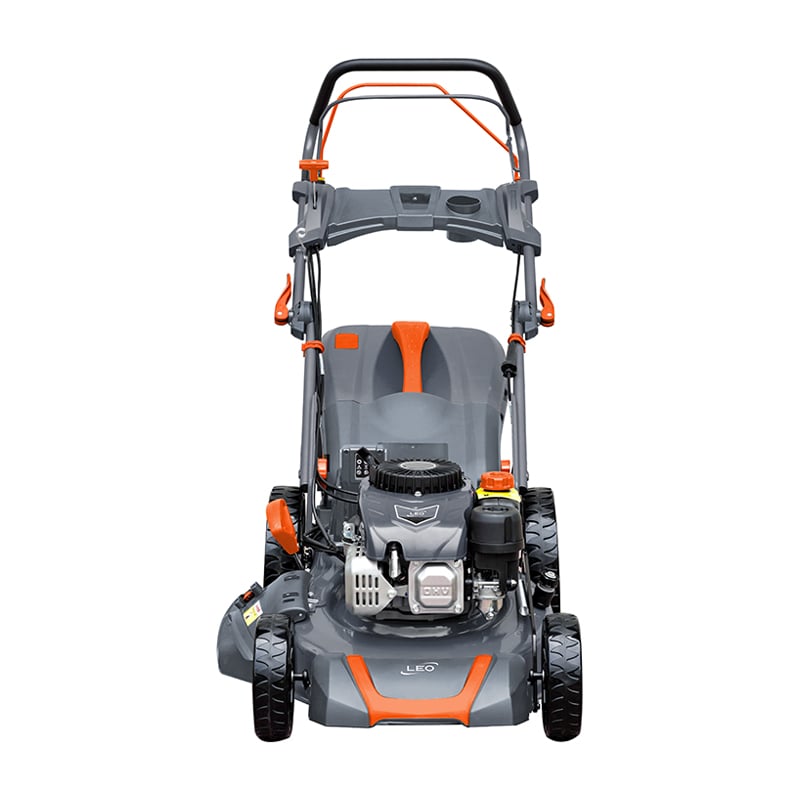
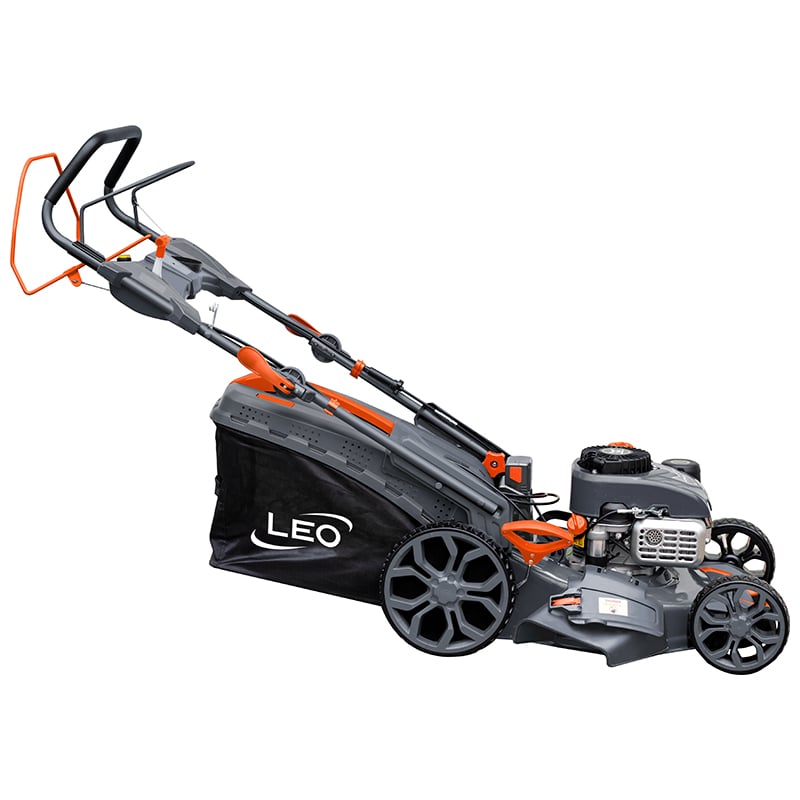
Self-propelled walk-behind mowers are useful where the lawn is medium-sized, slopes gently, or the operator wants less pushing effort. They are not automatically better for every tight garden; the added weight and drive controls should still feel manageable. Petrol machines can suit long sessions, thicker growth and remote areas, but they bring fuel storage, seasonal servicing and engine-maintenance tasks. Ride-on equipment can reduce walking effort on larger, open sites, yet it must be selected carefully for slope limits, turning room and safe access.
The useful choice is the lawn mower that completes the routine comfortably and safely. If your primary priority is quiet, cable-free mowing on a smaller plot, cordless may fit well. If the lawn is larger, frequently overgrown or far from charging access, a petrol or ride-on option may be more practical. The boundary conditions matter more than a blanket verdict.
Features that make garden maintenance easier
Once you have narrowed the category, compare features that affect use every week. A well-designed height lever encourages you to adjust for season and grass condition. A collection bag that is easy to remove reduces mess. Foldable handles help where storage is tight. On larger or uneven plots, traction, wheel quality and a self-propelled drive may reduce fatigue more than a small increase in engine size.
Think beyond the first cut, too. Blade access, cleaning instructions, availability of replacement blades and ordinary service procedures influence whether the machine remains pleasant to own. LEO Garden Machinery’s portfolio includes petrol, electric and cordless lawn mower categories as well as ride-on options, reflecting the fact that no single power source suits every workload. Treat product specifications and the operator manual as the final authority for a particular model’s slope use, runtime, cutting range and maintenance schedule.
A five-minute mower selection checklist
- Identify your grass type and the usual cutting-height range recommended locally.
- Measure usable lawn area, the narrowest gate and your storage space.
- Note slopes, uneven areas, trees, beds and other obstacles.
- Decide whether you will bag, mulch or discharge clippings in typical conditions.
- Choose a power source and propulsion system that can finish a normal session without strain or an unrealistic recharge/fuel routine.
- Confirm the exact model’s dimensions, safety guidance, height settings and service support before purchase.
Make the final choice
A suitable lawn mower is not necessarily the largest or lowest-priced option. It is the mower whose cutting range suits your grass, whose deck and drive suit the yard, and whose upkeep fits your schedule. Start with the lawn’s conditions, then work outward to size, power and convenience. That sequence produces better mower selection decisions and more consistent garden maintenance through the season.
 Hot News