
 EN
Why Should Lawn Mower Users Pay Attention to Blade Sharpness?
A lawn mower can start easily, move smoothly, and still leave a tired-looking lawn behind. Often, the overlooked part is the blade. A clean edge slices a turf leaf; a worn or nicked edge tends to pull and fray it. That difference affects cutting quality, the appearance of the lawn, and the amount of follow-up mower care a user may need.
From a garden-machinery technical perspective, blade edge condition is not a cosmetic detail. It is a working condition check for every lawn mower, whether it is a small cordless unit, a walk-behind machine, or a ride-on model. If the machine has recently struck stones, roots, or hidden debris, inspect the blade sooner rather than relying only on a calendar.
What a dull lawn mower blade does to the cut
A well-maintained lawn mower blade cuts through leaf tissue with a relatively clean edge. A dull blade presses, tears, and leaves uneven tips. After mowing, look closely at several turf leaves rather than judging from a distance. Ragged, pale, or shredded ends are a useful signal that blade maintenance deserves attention.
This is why cutting quality is a more practical measure than engine sound alone. A lawn mower may still cover the whole area, but the finish can look inconsistent when the blade edge is worn. In damp conditions, clippings may also collect more readily under the deck, so a user can mistake a blade-condition problem for a power problem.
Not every uneven cut comes from the blade. Wet turf, excessive travel speed, an incorrect cutting height, or a clogged deck can contribute. Still, inspecting the blade is a sensible early step because it is direct, visible, and part of ordinary mower care.
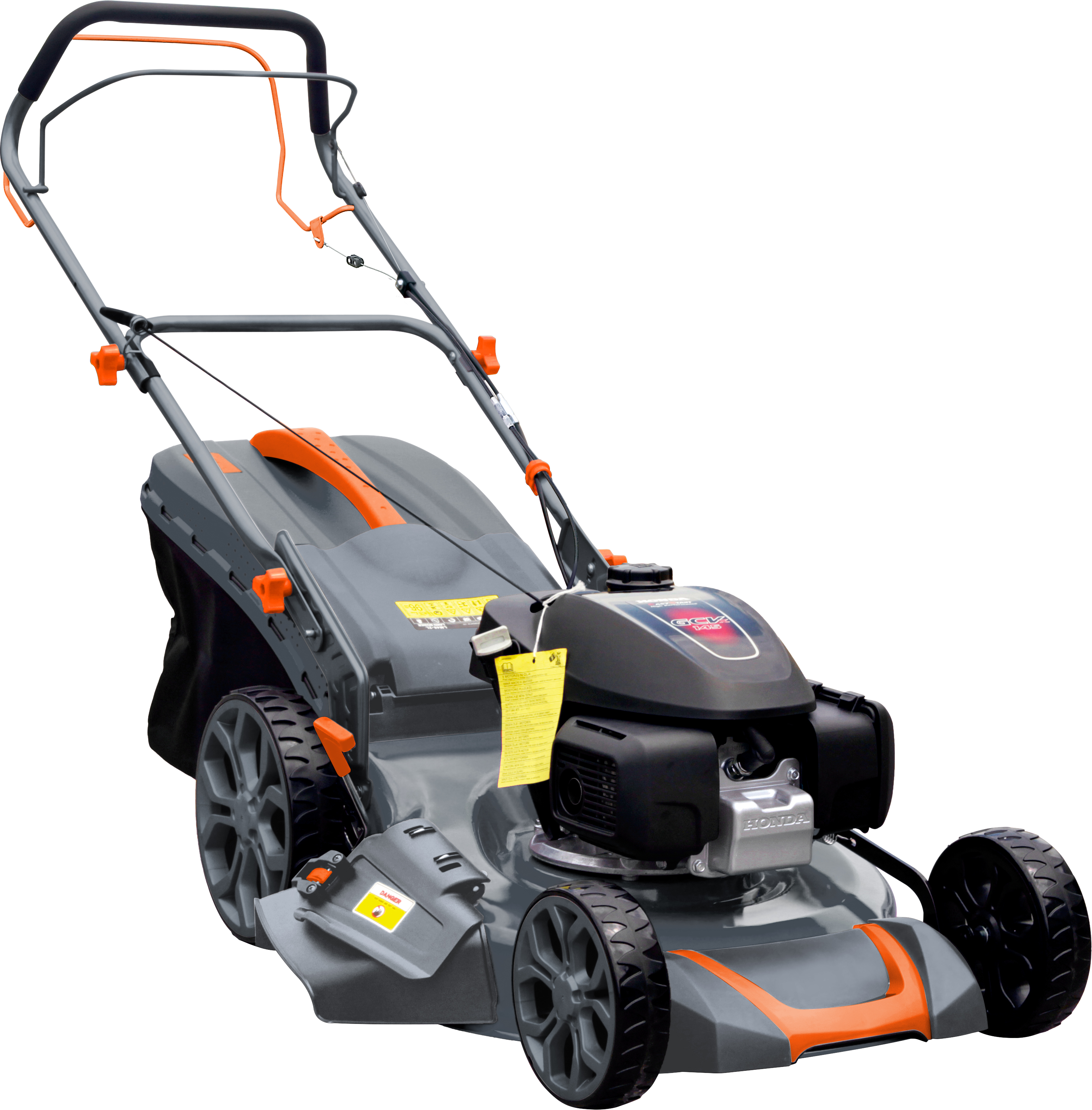 Inspect the blade edge and condition whenever the lawn mower leaves ragged turf tips.
Why blade condition matters beyond appearance
Cleaner cuts support a neater lawn
Turf cutting is easier to assess when you check the tips a day after mowing. If many turf leaves look torn rather than cleanly cut, the lawn mower blade may be dull, bent, or damaged. A cleaner cut does not make a lawn immune to weather or turf stress, but it avoids adding unnecessary tearing during routine work.
The mower works under more predictable conditions
A lawn mower with a serviceable blade can cut more consistently across similar turf height. With a worn edge, users sometimes respond by taking a second pass, lowering the deck too far, or slowing down dramatically. Those responses can add time without addressing the underlying issue. Blade maintenance is usually a more useful first check than simply pushing the lawn mower harder.
Damage can point to a larger inspection need
A blade that is badly nicked, cracked, or visibly bent should not be treated as a simple sharpening job. The lawn mower should be switched off, isolated from its power source, and checked according to the manufacturer’s instructions. A damaged blade can also prompt an inspection of the blade mounting area and deck. When there is doubt about safe service, a qualified technician is the appropriate next step.
How to recognize when attention is due
There is no single schedule that fits every lawn mower. A machine used on a smooth, debris-free lawn may keep a useful edge longer than one used near gravel paths, exposed roots, or dry, sandy soil. One published maintenance guide suggests edge servicing around every 20 to 25 hours of use, but that is a reference point, not a substitute for inspection.
Check a lawn mower blade when you notice any of these signs:
- Turf cutting leaves many ragged or split tips.
- The lawn mower needs repeated passes where it previously cut evenly.
- The blade has struck a hard object or the machine vibrates unusually.
- There are visible chips, rounded sections, rust buildup, or distortion on the blade.
- Clippings are collecting under the deck more often than normal for the conditions.
For a busy household, the useful habit is simple: examine the result after a few mowing sessions and inspect the blade whenever cutting quality changes. That is more responsive than waiting for an arbitrary season-end date.
Safe blade maintenance: a practical routine
Before any lawn mower blade work, stop the engine or motor and disconnect the machine from its energy source as the operating manual specifies. For battery-powered equipment, remove the battery; for corded equipment, unplug it; for petrol equipment, follow the manual’s isolation procedure. Wear suitable hand protection, keep track of the blade orientation, and use the manufacturer’s service guidance.
- Clean the underside of the lawn mower after it has cooled and been made safe.
- Inspect the blade for cracks, bends, deep gouges, and heavy corrosion.
- Service only a blade that is structurally sound and within the manufacturer’s service limits.
- Keep material removal even so the blade remains balanced; an unbalanced blade may create vibration.
- Reinstall using the correct orientation and fastener procedure from the manual, then check the first cut on a small area.
If service tools, balancing equipment, or safe lifting are not available, professional service is a reasonable form of mower care. The goal is not an aggressively thin edge. It is a clean, even, properly mounted blade suited to the specific lawn mower.
Match mowing habits to blade condition
Blade edge condition works with the rest of the mowing routine. Avoid trying to remove too much height in one pass, keep the deck clear, and choose a dry-enough mowing window when practical. If your lawn has frequent sticks, stones, or uneven ground, inspect the lawn mower blade more often. If it is a flat, well-kept area, inspection may be less frequent—but it should not disappear from the maintenance plan.
In short, blade maintenance gives users a simple way to protect cutting quality and spot damage early. A lawn mower is only as effective as the cut it leaves behind. Make blade inspection part of routine mower care, and use the turf tips, deck condition, and operating feel as the evidence for when service is needed.



 Hot News