
 EN
What Types of Branches Can Different Garden Shredders Handle?
A garden shredder is not judged only by the largest number printed beside its feed chute. Branch diameter matters, but so do wood hardness, moisture, side shoots, and the cutting system inside the machine. As a garden-machinery technical consultant, I treat the stated maximum as a limit for occasional, straight pieces—not as the size you should feed all afternoon. Match the garden shredder to the waste you actually prune, and clearing the pile becomes much less frustrating.
Start with branch condition, not only diameter
Every garden shredder has a manufacturer-rated maximum branch diameter. Domestic electric models are often rated around 35–45 mm, but that is an indicative market range, not a universal promise. A 40 mm fresh, straight twig can behave very differently from a 40 mm dry hardwood fork. Tough bark, knots, curved stems, and a bundle of side branches all increase the load on a garden shredder.
For routine work, leave a margin below the rating. If your machine is rated to 40 mm, making 25–30 mm branches your normal workload is usually kinder to the cutter and makes feeding more predictable. Measure the thickest point, trim side shoots, and do not force material down the hopper. The right garden shredder should pull or accept material at a steady pace; repeated stalling is a sign to reduce the branch size, not to push harder.
What an impact-blade garden shredder usually handles well
An impact or turbine-style blade garden shredder is commonly chosen for mixed, green garden waste. Fast blades chop lighter prunings, leafy stems, soft hedge cuttings, and relatively fresh branches effectively when they are fed in small, manageable batches. This makes an impact machine useful after regular pruning when the pile contains more than bare wood.
It generally handles fresh, fairly straight branches more comfortably than old, dense, seasoned wood. A blade-type garden shredder can process branches near its stated capacity, but it may become noisy and demand more attention when the material is thick, dry, knotted, or highly fibrous. Keep twigs separate from long vines and damp clumps of leaves. A leaf shredder may be useful for volume reduction, but it is not automatically the answer for substantial woody branches.

What a roller garden shredder usually handles well
A roller garden shredder crushes and cuts material against a plate instead of relying on high-speed blades. It is usually the more comfortable choice when your main waste is dry, woody pruning: rose canes, shrub stems, and straight branches from established trees. The self-feeding action can be convenient, and the crushed output is often well suited to a compost shredder workflow or to using as a coarse mulch ingredient.
However, a roller garden shredder is not a cure for every awkward garden pile. Wet, leafy material can compress into the mechanism or discharge area, while stringy stems may wind or bridge rather than feed cleanly. It also helps to distinguish a quiet roller mechanism from unlimited capacity. Many domestic roller machines are advertised near 40–45 mm, yet the practical comfort zone is smaller when wood is dry, forked, or irregular.
When a petrol shredder or chipper is the better fit
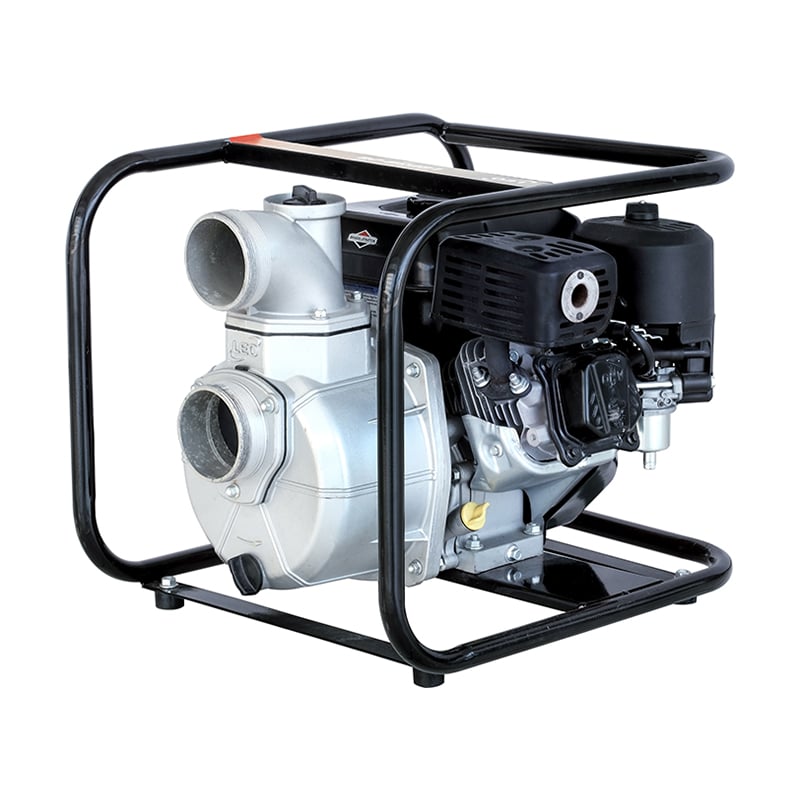
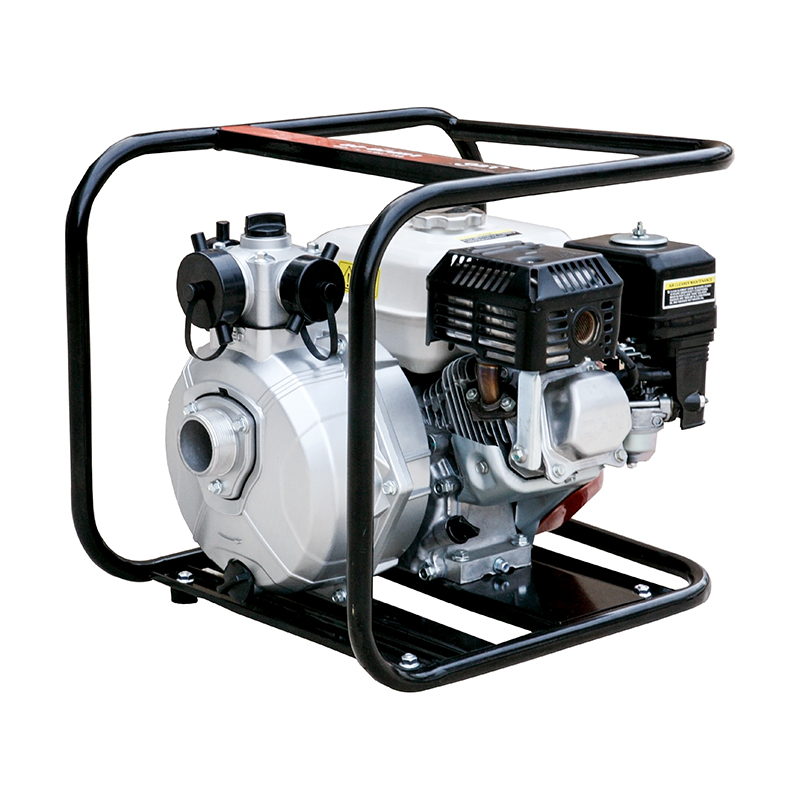
A petrol shredder is worth considering where pruning is frequent, access to mains power is poor, or the property produces a consistent supply of thicker woody waste. These machines often have a more robust feed system and may be designed for larger branch ratings than a compact electric garden shredder. They are not interchangeable, though: a petrol chipper is often optimized for clean branches, while a chipper-shredder may accept a broader mix of material through different hoppers.
Choose a petrol shredder because your workload calls for it, not merely because the largest advertised diameter looks reassuring. It brings engine maintenance, fuel handling, storage, noise, and personal protective equipment requirements. If your garden produces mostly stems below 30 mm and occasional leafy prunings, an electric garden shredder can still be the more proportionate option.
A practical branch-matching guide
| Material in the pile | Commonly suited to | Important caution |
|---|---|---|
| Fresh hedge clippings and soft stems | Impact-blade garden shredder | Feed loose material gradually; wet clumps can block airflow. |
| Dry, straight woody branches | Roller garden shredder | Stay below the rated maximum for routine use. |
| Forked, knotted, or very hard branches | Higher-capacity petrol chipper, if its manual allows it | Cut forks apart first; do not assume a rating covers every branch shape. |
| Leaves and light seasonal debris | Leaf shredder or impact garden shredder | Do not mix in stones, soil, wire, or root balls. |
| Vines, pampas grass, and long fibrous stems | Process separately or use another disposal method | These can wrap around cutting parts or clog a garden shredder. |
Prepare branches so the garden shredder can work safely
- Read the specific manual first. The rated diameter, permitted materials, and clearing procedure belong to that model—not to the product category.
- Sort the pile. Make one pile for woody branches, another for leafy material, and a separate pile for fibrous or contaminated waste.
- Trim forks and side shoots. A straight 30 mm branch is easier for a garden shredder than a twisted, branched stem of the same diameter.
- Keep material reasonably dry where possible. Slightly damp branches may be acceptable, but saturated clippings and clumps are more likely to reduce output.
- Use a push tool only if supplied or approved. Do not put hands or feet into a running garden shredder, and isolate the power before clearing a blockage.
The bottom line: buy for your usual branches
A suitable garden shredder is sized for the branches you process most often, rather than selected only for the highest advertised maximum. Choose an impact machine for frequent mixed green waste, a roller model for quieter work with dry woody prunings, and a petrol shredder or chipper when regular, larger-diameter branches justify the extra power and upkeep. It depends on material as much as millimetres. Keep a working margin below the manufacturer rating, prepare awkward branches first, and your garden shredder will be safer, more productive, and less prone to jams.
 Hot News