
 EN
What Materials Improve the Durability of Garden Machinery?
Durable garden machinery is rarely the result of one impressive component. It comes from matching the material to the job, then protecting that material from water, abrasion, vibration, heat, and neglected maintenance. For a contractor, dealer, or serious homeowner, the useful question is not simply whether a mower or shredder has a metal deck. It is whether the deck, blade, fasteners, bearings, housings, and service parts form a sensible system for the expected workload.
In practice, the machines that stay useful longest are often not the ones with the highest power number. They are the ones designed with serviceability in mind. A material that resists corrosion but cannot be repaired, or a thick housing paired with unsealed bearings, can still shorten the working life of otherwise capable garden machinery.
Start With the Conditions That Wear Materials Down
Before comparing materials, define the operating environment. Wet grass and fertilizer residue encourage corrosion. Sandy soil and hidden stones abrade decks and blades. Daily commercial work repeatedly loads handle joints, wheel brackets, and drive components. Storage outdoors adds ultraviolet exposure and condensation. These conditions explain why a material choice that is acceptable for occasional use may not suit landscape maintenance crews as well or busy property-care teams.
A practical assessment looks at the parts that see impact, the parts that hold moisture, and the parts that must turn freely. It also asks whether common wear items can be inspected and replaced. That approach avoids treating a single material label as proof of durability.
Heavy-Gauge Steel for Decks, Frames, and Load-Bearing Parts
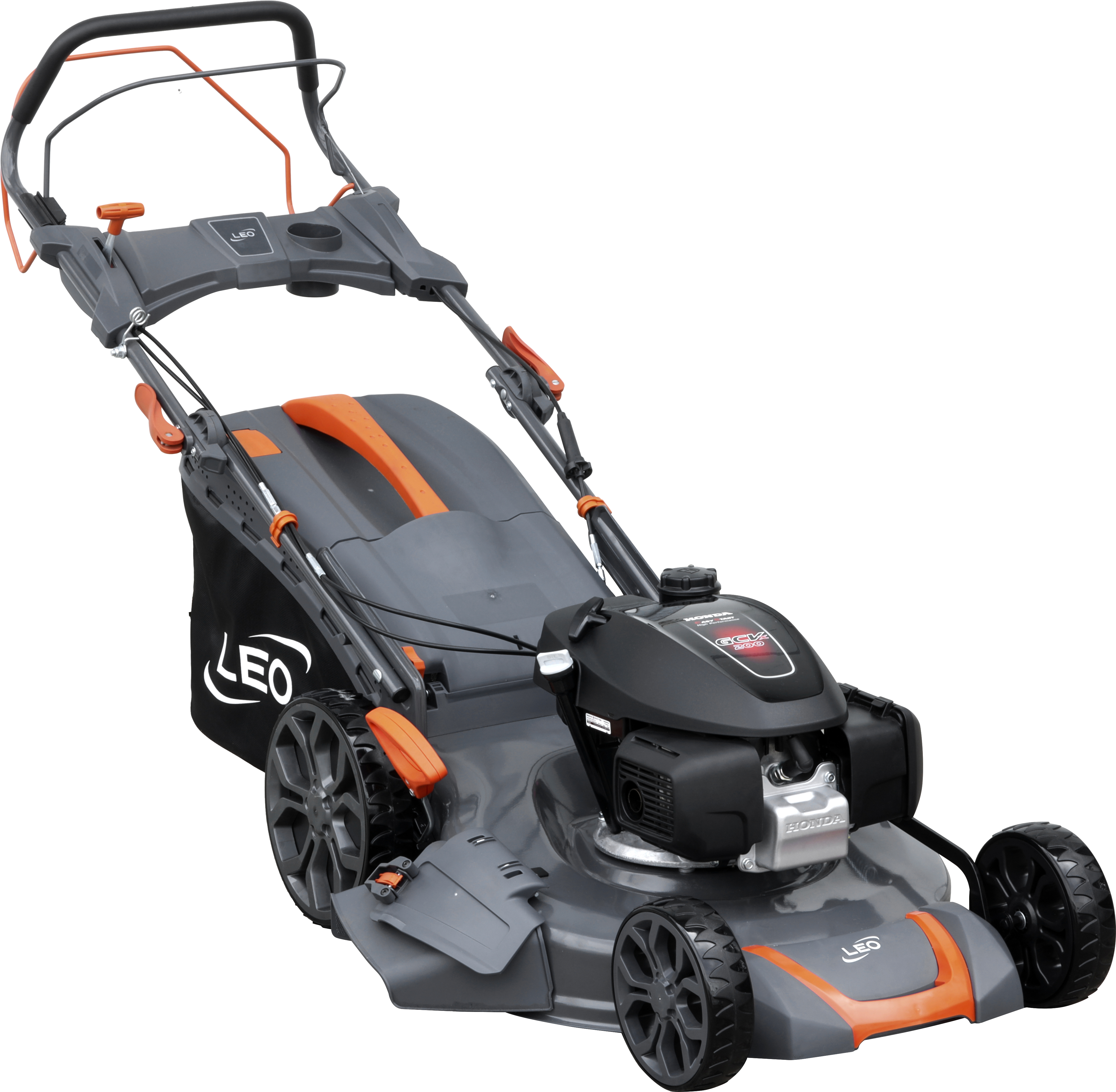
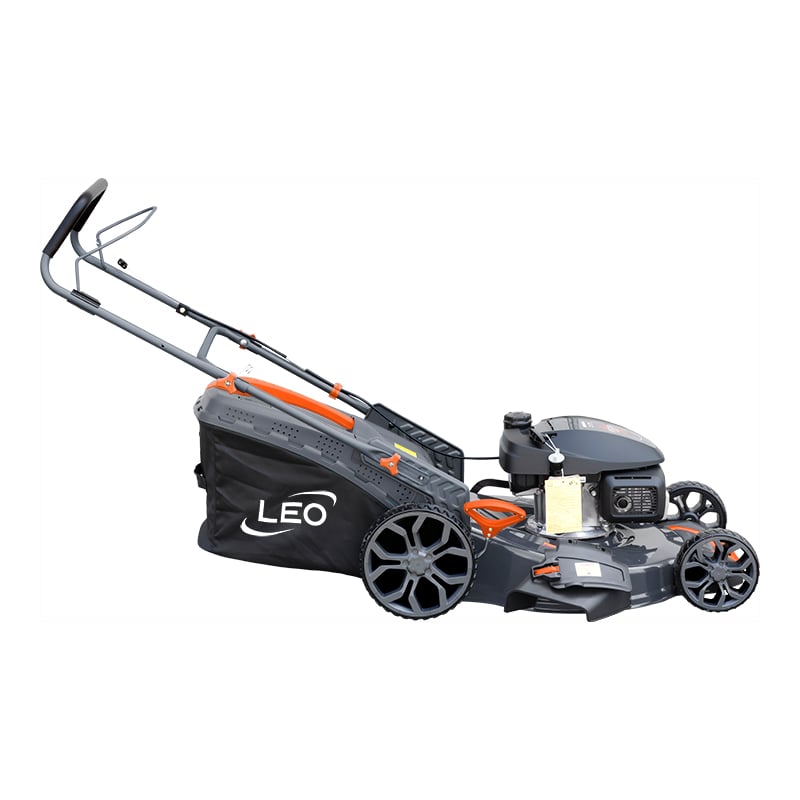
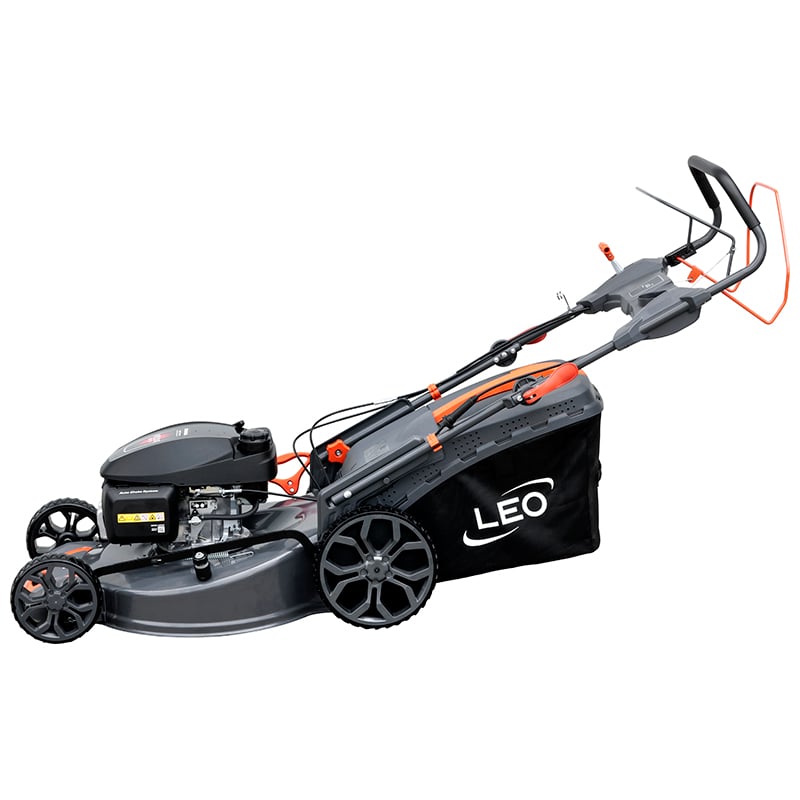
Heavy-gauge steel remains a strong option for mower decks, chassis sections, brackets, and other areas exposed to impact. Its stiffness helps a deck maintain shape when it encounters uneven ground or repeated vibration. For professional garden machinery, a well-designed steel structure can also make welded repairs and replacement brackets more practical than they would be on a thin, highly integrated assembly.
The limitation is corrosion. Bare or poorly finished steel can rust from scratches, trapped clippings, salt carried on paths, and moisture left after washing. Look for complete coverage at edges, seams, welds, and underside areas rather than judging a finish by its appearance on the top surface alone. Powder coating is widely used for outdoor equipment because it can add a durable weather- and corrosion-resistant layer, and its effectiveness improves when the base design also drains water and avoids debris traps.
For buyers comparing machines used in wet climates, inspect how easily the underside can be cleaned. A durable steel deck is a better long-term choice when the finish is protected and the owner can remove wet clippings before they hold moisture against the metal.
Aluminum Where Corrosion Resistance and Lower Weight Matter
Aluminum is useful for selected housings, covers, and non-impact components because it naturally develops a thin oxide layer that helps resist corrosion. It can reduce carrying weight, which matters for portable equipment and user-adjustable parts. In garden machinery, however, lighter does not automatically mean tougher. Aluminum components need suitable thickness, ribbing, and reinforcement around fasteners and high-load interfaces.
For a deck or a structure that may strike curbs, roots, or debris, evaluate the design rather than assuming aluminum will tolerate the same impacts as a robust steel alternative. Aluminum is often most valuable where corrosion exposure is high and loads are controlled. Protective treatments such as anodizing or paint systems can further improve surface durability, especially on visibly exposed parts.
Hardened Steel Where Cutting and Abrasion Are Constant
Blades, shredder cutters, and other cutting elements need a different balance: edge retention, toughness, and the ability to handle shock without becoming overly brittle. Hardened steel is commonly chosen because it can retain a cutting edge longer than a softer blade when the work includes dry stems, gritty turf, or frequent mowing. Industry blade comparisons often place hardened products above standard blade hardness ranges, but the exact grade and heat treatment are product-specific and should not be assumed from appearance alone.
For lawn mower preventive inspection, check the blade for cracks, bends, excessive wear, and loss of balance—not just dullness. A harder blade can reduce sharpening frequency in abrasive conditions, yet it still needs correct installation and periodic replacement. A good material cannot compensate for running a damaged or unbalanced blade.
Engineering Polymers for Covers, Guards, and Handles
Polymer parts are not automatically a weak point. Well-specified engineering plastics can suit battery covers, control housings, guards, grass-box components, and handles. They resist corrosion, reduce weight, and can be shaped to eliminate sharp edges. The critical question is whether the polymer has adequate impact resistance, ultraviolet stability, and wall thickness for its location.
For outdoor garden machinery, exposed plastic should tolerate sunlight and ordinary chemical contact without becoming chalky or brittle prematurely. Reinforced polymer can work well for non-structural shells, while metal inserts or reinforced sections are preferable around pivots, threaded fasteners, and heavily loaded mounting points. When evaluating a machine, flexing a guard by hand tells little; look instead at joint design, ribs, fastener locations, and availability of replacement parts.
Stainless Steel, Coated Fasteners, and Sealed Bearings
Small components often determine whether a machine remains easy to service. Stainless steel or appropriately coated fasteners can resist rust at covers, guards, and exposed joints. They are especially valuable where a technician may need to remove parts after several wet seasons. Stainless hardware is not a cure for poor drainage or galvanic contact between dissimilar metals.
Likewise, sealed bearing assemblies help protect rotating parts from dust and moisture. This is important in wheel hubs, blade spindles, and drive systems, where contamination can turn a routine service item into a larger repair. For lawn mower reliability maintenance, check for rough rotation, play, noise, or damaged seals before a bearing failure affects connected components.
Materials Need Protective Design
The strongest material choice can be undermined by details that retain water or concentrate stress. When comparing garden machinery, look for:
- Drainage and clean-out access: places where wet grass, soil, and water can leave the deck or housing.
- Protected seams and edges: paint, coating, or corrosion treatment carried into vulnerable transitions.
- Reinforced joints: brackets and handle mounts designed for repeated vibration, not just static loads.
- Replaceable wear parts: blades, bearings, belts, guards, and fasteners that can be serviced without discarding a larger assembly.
- Compatible materials: sensible separation or protection where dissimilar metals and moisture could accelerate corrosion.
This is why product durability should be assessed as a design and service question, not a simple steel-versus-plastic argument.
A Material Checklist for Longer-Lasting Garden Machinery
- Match duty cycle to construction: occasional residential work and daily contracting place very different demands on a deck, frame, and drive system.
- Prioritize coated or corrosion-resistant materials where water and clippings collect.
- Choose hardened cutting parts for abrasive conditions, then inspect them regularly for damage and balance.
- Check for sealed bearings and serviceable fasteners in high-motion, contamination-prone locations.
- Consider polymer quality by function: UV-stable, reinforced plastics can be appropriate for guards and covers, while high-load joints need stronger reinforcement.
- Confirm access to wear parts and follow a cleaning routine after wet or debris-heavy work.
How Material Choices Affect Garden Machinery Over Time
When you assess garden machinery for recurring landscape maintenance, return to the material map after the first season. Clean coated steel areas, inspect polymer guards around fasteners, and correct small coating chips before corrosion spreads. This prevents a minor finish issue from becoming a deck, frame, or safety concern. A scheduled lawn mower preventive inspection should include blade condition, deck drainage, rust beneath accumulated grass, bearing seals, and the tightness of high-vibration joints.
For machines stored in damp sheds or used on sandy ground, add lawn mower rust prevention to the routine rather than waiting for visible corrosion. Remove clippings and dry vulnerable surfaces. Keep lawn mower reliability maintenance practical: replace worn components before a loose bearing, damaged blade, or corroded fastener transfers stress to more expensive parts.
Final Takeaway
The materials that improve garden machinery durability are usually a combination of heavy-gauge coated steel for impact-prone structures, aluminum where corrosion resistance and manageable weight are useful, hardened steel for cutting wear, and properly specified polymers for protected housings and guards. Add corrosion-resistant fasteners, sealed bearings, drainage, and accessible replacement parts, and the machine is better prepared for real outdoor work.
For buyers, the most reliable decision is to inspect the whole durability system: materials, protective finish, stress points, cleaning access, and serviceability. That creates a more meaningful comparison than a single claim about metal construction—and it supports longer, safer working life for garden machinery.
 Hot News